

 Ver en contexto
 Enviar
 Compartir
 Detalles

 Descargar
 Similares
 Radiografía
 Presentación de diapositivas
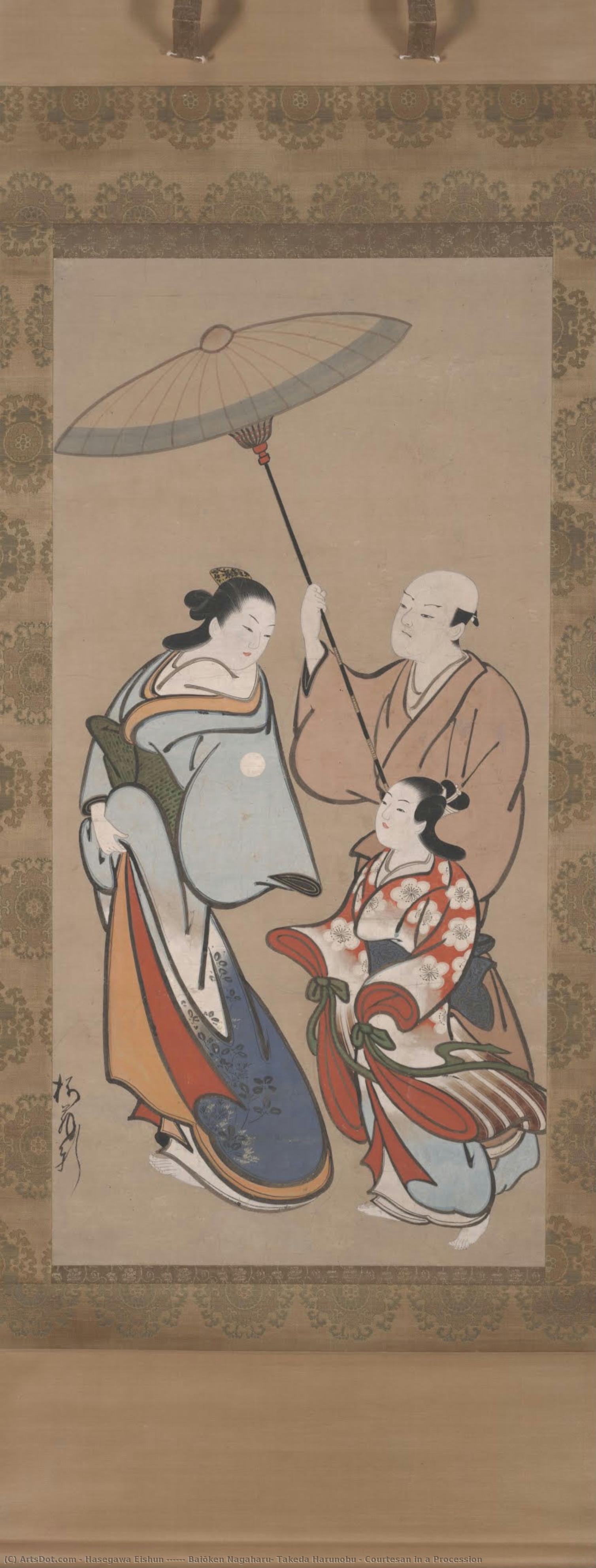
Courtesan in a Procession
 Ink
Ink- WallArt
- Ukiyo-e
 1720
1720- Early Modern
 89.0 x 44.0 cm
 Museo de Arte Kimbell
 Ver más
Reproducción al óleo hecha a mano
Óleo sobre lienzo pintado a mano en el tamaño y marco de su elección, realizado por encargo por nuestros artistas. ( Comprar impresión Comprar imagen)




P118B $10

P118H $10

P118W $10

P438Z $10

P508JH $12

P508YH $12

P805H $10

P805Z $10

P919BZ $10

P919G $10

P919XJ $10

P959ZH $10

P968JZ $12

W106C $8

W218G $10

W218JH $8

W218Y $10

W307PJ $10

W316G $10

W316PJ $8

W316Y $10

W398PJ $8

W4111J $10

W500HY $15

W500JH $15

W692G $12

W849H $8

W940BG $15

W953PJ $8




Elija entre nuestros tamaños predefinidos que respetan las proporciones originales de la obra.

Puede ingresar sus propias dimensiones para adaptarse a un marco o espacio específico. Si el tamaño seleccionado no coincide con las proporciones de la imagen original, recortaremos la obra o extenderemos la pintura con elementos adicionales pintados a mano. Se le enviará una maqueta digital para su aprobación antes de comenzar la producción.
Tenga en cuenta que la vista previa en pantalla no refleja el recorte o la extensión reales. Solo la maqueta mostrará con precisión la composición final.
Si bien existen tamaños personalizados, recomendamos seleccionar una dimensión de la lista predefinida para preservar las proporciones originales.
Tras realizar el pedido, el equipo de ArtsDot.com enviará un correo electrónico al cliente para solicitar instrucciones y proporcionarle una vista previa del boceto.
Envío a todo el mundo () en 3-4 semanas en lugar de las 5 semanas estándar. (6 septiembre). Sin comprometer la calidad.

Envío exprés gratuito a todo el mundo

Lienzo de lino de alta calidad

Seguro de envío total

Garantía de reembolso de impuestos aduaneros

Garantía de fidelidad cromática exacta

Política de devolución de 100 días (solo por defectos)

Garantía de devolución del 100% del dinero

Descuento por cantidad
 La opción de vidrio solo está disponible en tamaños inferiores a 110 cm.

Courtesan in a Procession
Técnica de reproducción
Dimensiones de la reproducción
-


Precio total final
$ 263
Obras relacionadas
Biografía del artista
Hasegawa Eishun: A Revival of Kaigetsudō Elegance
Hasegawa Eishun 長谷川永春 (baiōken nagaharu, takeda harunobu), born around 1710 in Tokyo, Japan, stands as a pivotal figure within the late Edo period’s ukiyo-e art scene. Though often overshadowed by contemporaries like Matsuno Chikanobu and Suzuki Harunobu, Eishun's contribution to the Kaigetsudō school—a movement experiencing resurgence after the exile of its founder Ando Kaigetsudō—offers a glimpse into refined artistic sensibilities and a masterful command of color and composition. His prolific output spanned both hanging scroll paintings and woodblock prints, cementing his reputation as one of Japan’s most accomplished artists of his time.Early Life and Artistic Training
Information regarding Eishun's formative years remains scarce, reflecting the typical limitations of biographical records during the Edo era. However, he emerged from a lineage steeped in artistic tradition—his father was a renowned painter himself—providing him with an invaluable foundation for developing his distinctive style. While precise details about his formal training are elusive, it’s believed that Eishun honed his skills under influential masters who championed the Kaigetsudō aesthetic, prioritizing naturalism and subtle tonal gradations to convey emotion and atmosphere. This dedication to technique undoubtedly shaped his artistic vision. Scholars suggest he studied under Ando Kaigetsudō's successors, absorbing their meticulous approach to landscape painting and mastering the delicate art of capturing fleeting moments of beauty.The Kaigetsudō Style: A Delicate Balance
Eishun’s artistic identity is inextricably linked to the Kaigetsudō school, a movement that had begun to falter following Ando Kaigetsudō's forced departure from Japan in 1714. Unlike many of his peers who embraced bolder stylistic choices—often favoring dramatic theatricality and flamboyant ornamentation—Eishun adhered steadfastly to the school’s core principles: meticulous observation of nature and an unwavering commitment to achieving luminous color palettes—particularly shades of plum blossom (mei). This preference for understated beauty resonated deeply with viewers and distinguished Eishun's work from more ostentatious expressions of artistic ambition. As Richard Lane notes, Eishun’s bijinga paintings share similarities with Chikanobu’s oeuvre, albeit with courtesans depicted possessing a certain solemnity and grace absent in some other depictions. The Kaigetsudō school sought to emulate the grandeur of Chinese landscape painting while retaining a distinctly Japanese sensibility—a balance that Eishun expertly navigated.Notable Achievements and Artistic Legacy
Eishun achieved considerable renown during his lifetime for producing breathtaking landscapes and portraits alike. However, it is arguably his contributions to the genre of bijinga—paintings portraying beautiful women—that secured his place within art history. His prints captured the essence of aristocratic culture, conveying not merely visual splendor but also nuanced psychological depth. He skillfully utilized tonal variations and delicate brushstrokes to evoke emotions and convey subtle narratives, demonstrating a profound understanding of artistic expression. Furthermore, Eishun’s use of Takeda Harunobu as one of his many art-names—a practice common among artists of the period—highlights the fluidity of identity within Japanese artistic circles. His work continues to inspire admiration for its refined aesthetic and masterful technique.Influence and Historical Significance
Hasegawa Eishun's influence extended beyond his immediate contemporaries, serving as a catalyst for reviving interest in the Kaigetsudō school and establishing himself as a champion of understated elegance. By upholding the school’s aesthetic ideals while simultaneously forging his own distinctive artistic voice—characterized by an exceptional sensitivity to color and composition—Eishun solidified his legacy as one of Japan's most accomplished artists of the eighteenth century. His enduring appeal lies in his ability to convey profound emotion through subtle visual cues, reminding us that beauty can reside in restraint and contemplation. He remains a testament to the power of artistic vision and the importance of preserving cultural heritage.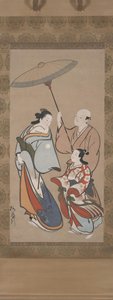
Hasegawa Eishun 長谷川永春
Japón
Datos clave
- Artistic Movement Or Style: Kaigetsudō escuela
- Artists Or Movements Influenced By This Artist: ['Suzuki Harunobu']
- Artists Who Influenced This Artist:
- Ando Kaigetsudō
- Matsuno Chikanobu
- Date Of Birth: (Tokyo)
- Date Of Death: (Living)
- Full Name: Hasegawa Eishun 長谷川永春
- Nationality: Japonesa
- Notable Artworks: ['Courtesan+en+una+procesión']
- Place Of Birth: Tokyo Japón
Artículos relacionados

Katsushika Hokusai: Las 25 Obras Maestras del Ukiyo-e que Transformaron el Arte Japonés | ArtsDot
Descubre las 25 obras maestras de Katsushika Hokusai, el genio del ukiyo-e. Explora 'La Gran Ola', paisajes japoneses y su impacto en el arte moderno. Reproducciones de alta calidad para tu hogar en ArtsDot.com.
Ukiyo-e: Un Viaje al Corazón del Mundo Flotante Japonés y su Legado Artístico
Descubre el fascinante mundo del Ukiyo-e, el arte japonés del Período Edo. Explora las técnicas de grabado, los maestros Hokusai y Hiroshige, y su legado perdurable. ¡Un viaje cultural inolvidable!
Suzuki Harunobu: Pioneering Ukiyo-e & the Refinement of Edo Period Printmaking
Discover the revolutionary world of Suzuki Harunobu, a pioneer of ukiyo-e printmaking. Explore his exquisite nishiki-e techniques, diverse subjects & lasting impact on Japanese art history. Learn more at ArtsDot.

Floating World: The Captivating Art and Legacy of Japanese Ukiyo-e
Explore the profound beauty of Japanese Ukiyo-e. Discover the history, masters like Hokusai, and the enduring legacy of the 'Floating World' through an expert art-historical lens.
Ukiyo-e's Poetic Visionary: Hiroshige Ando & the Transformation of Landscape in 19th-Century Japan
Explore the life & art of Ando Hiroshige, Japan's last great ukiyo-e master. Discover his iconic landscapes, poetic style, and profound influence on Western Impressionism. Learn about The Fifty-Three Stations & more!