

 Ver en contexto
 Enviar
 Compartir
 Detalles

 Descargar
 Similares
 Radiografía
 Presentación de diapositivas
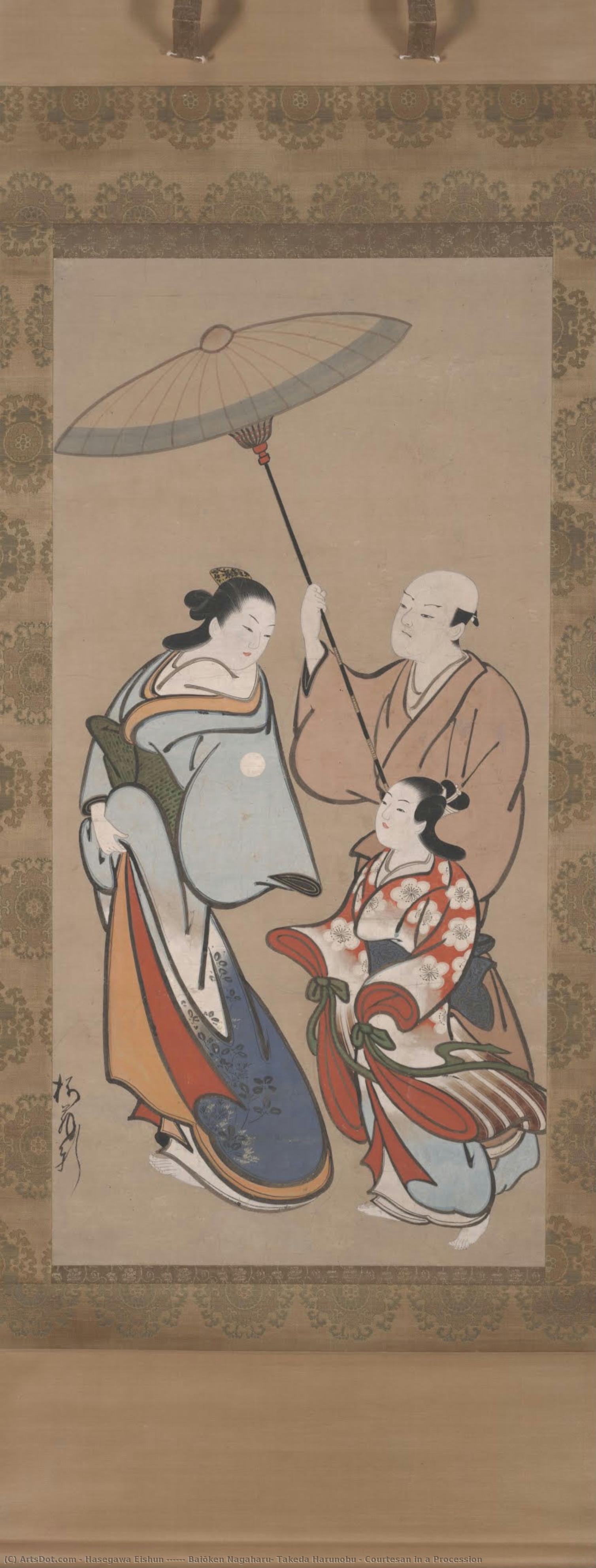
Courtesan in a Procession
 Ink
Ink- WallArt
- Ukiyo-e
 1720
1720- Early Modern
 89.0 x 44.0 cm
 Museo de Arte Kimbell
 Ver más
Adquiera una imagen digital de alta resolución y optimizada, muy superior a la vista previa en línea.
Cada archivo es preparado meticulosamente por nuestros especialistas internos mediante el uso de herramientas avanzadas y un experto retoque manual. Nos aseguramos de que cada imagen posea una claridad excepcional, una precisión cromática impecable y un detalle minucioso.
El archivo final se entrega por correo electrónico en un plazo de 72 horas, optimizado para su uso inmediato en entornos profesionales, editoriales y de impresión. Esta es la misma calidad en la que confían los estudios de diseño, las editoriales y las galerías de primer nivel.
Imagen Digital
Descarga un archivo de alta resolución para exhibición personal, impresión y proyectos creativos. ( Comprar impresión Comprar pintura hecha a mano)
Incluido en cada pedido de imágenes digitales
Entrega digital experta, garantizada.
Al elegir ArtsDot.com, no solo está adquiriendo una imagen; está recibiendo una obra de arte digital mejorada profesionalmente, elaborada con precisión y respaldada por una garantía de satisfacción. Esto es todo lo que incluye su pedido, automáticamente:

Entrega rápida por email
Recibirá su archivo de imagen digital en alta resolución por correo electrónico en un plazo de 72 horas tras realizar su pedido, listo para su uso inmediato.

Archivo digital optimizado por IA
Su obra de arte se optimiza profesionalmente mediante herramientas avanzadas de IA y edición manual, garantizando el máximo detalle, claridad y precisión cromática.

Reenvío gratuito de por vida
¿Has borrado o perdido tu archivo por error? No te preocupes: te lo volveremos a enviar en cualquier momento, sin coste adicional.

Sin gastos de importación, siempre
Disfrute de su obra de arte al instante sin aduanas, aranceles ni gastos de envío; las descargas digitales siempre están libres de impuestos.

Garantía de fidelidad de color
Garantizamos que su imagen digital refleje los colores originales con la mayor fidelidad posible, mediante el uso de herramientas profesionales y gestión del color.

Garantía de satisfacción de 100 días
Si no está satisfecho con su imagen digital, la revisaremos o le reembolsaremos el 100% en un plazo de 100 días, sin preguntas.

100% Garantía de devolución de dinero
¿No está satisfecho? Obtenga un reembolso completo dentro de los 100 días posteriores a la recepción de su archivo digital, sin necesidad de explicaciones.

Descuentos por pedidos grandes
Compra 3 imágenes, ahorra 10% - Compra 5, ahorra 15% - Compra 10+, ahorra 20%. Ideal para proyectos creativos, galerías y agencias.
Obras relacionadas
Biografía del artista
Hasegawa Eishun: A Revival of Kaigetsudō Elegance
Hasegawa Eishun 長谷川永春 (baiōken nagaharu, takeda harunobu), born around 1710 in Tokyo, Japan, stands as a pivotal figure within the late Edo period’s ukiyo-e art scene. Though often overshadowed by contemporaries like Matsuno Chikanobu and Suzuki Harunobu, Eishun's contribution to the Kaigetsudō school—a movement experiencing resurgence after the exile of its founder Ando Kaigetsudō—offers a glimpse into refined artistic sensibilities and a masterful command of color and composition. His prolific output spanned both hanging scroll paintings and woodblock prints, cementing his reputation as one of Japan’s most accomplished artists of his time.Early Life and Artistic Training
Information regarding Eishun's formative years remains scarce, reflecting the typical limitations of biographical records during the Edo era. However, he emerged from a lineage steeped in artistic tradition—his father was a renowned painter himself—providing him with an invaluable foundation for developing his distinctive style. While precise details about his formal training are elusive, it’s believed that Eishun honed his skills under influential masters who championed the Kaigetsudō aesthetic, prioritizing naturalism and subtle tonal gradations to convey emotion and atmosphere. This dedication to technique undoubtedly shaped his artistic vision. Scholars suggest he studied under Ando Kaigetsudō's successors, absorbing their meticulous approach to landscape painting and mastering the delicate art of capturing fleeting moments of beauty.The Kaigetsudō Style: A Delicate Balance
Eishun’s artistic identity is inextricably linked to the Kaigetsudō school, a movement that had begun to falter following Ando Kaigetsudō's forced departure from Japan in 1714. Unlike many of his peers who embraced bolder stylistic choices—often favoring dramatic theatricality and flamboyant ornamentation—Eishun adhered steadfastly to the school’s core principles: meticulous observation of nature and an unwavering commitment to achieving luminous color palettes—particularly shades of plum blossom (mei). This preference for understated beauty resonated deeply with viewers and distinguished Eishun's work from more ostentatious expressions of artistic ambition. As Richard Lane notes, Eishun’s bijinga paintings share similarities with Chikanobu’s oeuvre, albeit with courtesans depicted possessing a certain solemnity and grace absent in some other depictions. The Kaigetsudō school sought to emulate the grandeur of Chinese landscape painting while retaining a distinctly Japanese sensibility—a balance that Eishun expertly navigated.Notable Achievements and Artistic Legacy
Eishun achieved considerable renown during his lifetime for producing breathtaking landscapes and portraits alike. However, it is arguably his contributions to the genre of bijinga—paintings portraying beautiful women—that secured his place within art history. His prints captured the essence of aristocratic culture, conveying not merely visual splendor but also nuanced psychological depth. He skillfully utilized tonal variations and delicate brushstrokes to evoke emotions and convey subtle narratives, demonstrating a profound understanding of artistic expression. Furthermore, Eishun’s use of Takeda Harunobu as one of his many art-names—a practice common among artists of the period—highlights the fluidity of identity within Japanese artistic circles. His work continues to inspire admiration for its refined aesthetic and masterful technique.Influence and Historical Significance
Hasegawa Eishun's influence extended beyond his immediate contemporaries, serving as a catalyst for reviving interest in the Kaigetsudō school and establishing himself as a champion of understated elegance. By upholding the school’s aesthetic ideals while simultaneously forging his own distinctive artistic voice—characterized by an exceptional sensitivity to color and composition—Eishun solidified his legacy as one of Japan's most accomplished artists of the eighteenth century. His enduring appeal lies in his ability to convey profound emotion through subtle visual cues, reminding us that beauty can reside in restraint and contemplation. He remains a testament to the power of artistic vision and the importance of preserving cultural heritage.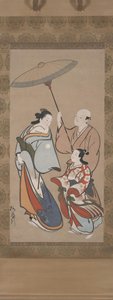
Hasegawa Eishun 長谷川永春
Japón
Breves datos
- Artistic Movement Or Style: Kaigetsudō escuela
- Artists Or Movements Influenced By This Artist: ['Suzuki Harunobu']
- Artists Who Influenced This Artist:
- Ando Kaigetsudō
- Matsuno Chikanobu
- Date Of Birth: (Tokyo)
- Date Of Death: (Living)
- Full Name: Hasegawa Eishun 長谷川永春
- Nationality: Japonesa
- Notable Artworks: ['Courtesan+en+una+procesión']
- Place Of Birth: Tokyo Japón