

 Ver en contexto
 Enviar
 Compartir
 Detalles

 Descargar
 Similares
 Radiografía
 Presentación de diapositivas
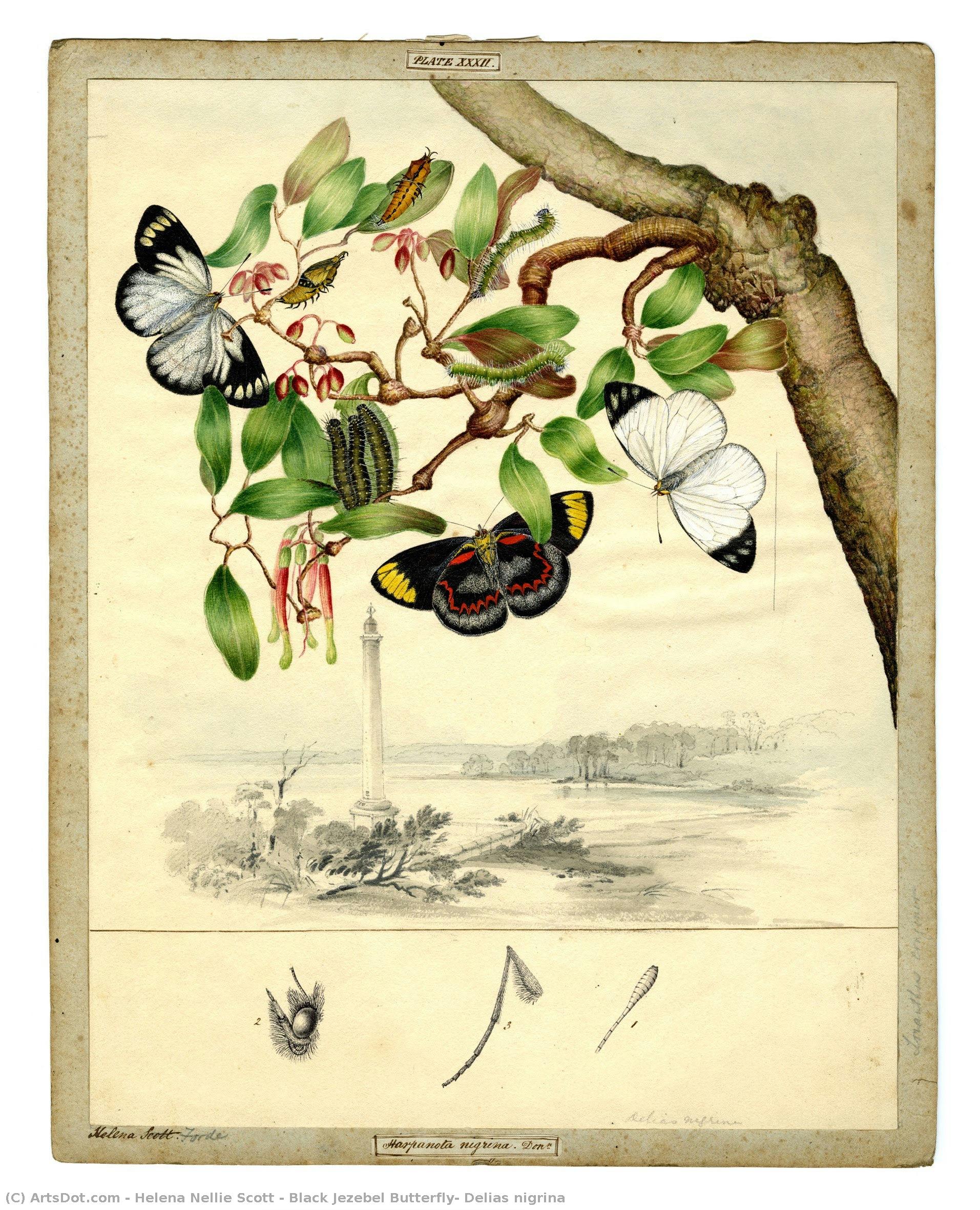
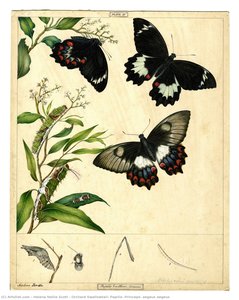
Black Jezebel Butterfly, Delias nigrina


 Ver más
Reproducción al óleo hecha a mano
Óleo sobre lienzo pintado a mano en el tamaño y marco de su elección, realizado por encargo por nuestros artistas. ( Comprar impresión Comprar imagen)




P118B $10

P118H $10

P118W $10

P438Z $10

P508JH $12

P508YH $12

P805H $10

P805Z $10

P919BZ $10

P919G $10

P919XJ $10

P959ZH $10

P968JZ $12

W106C $8

W218G $10

W218JH $8

W218Y $10

W307PJ $10

W316G $10

W316PJ $8

W316Y $10

W398PJ $8

W4111J $10

W500HY $15

W500JH $15

W692G $12

W849H $8

W940BG $15

W953PJ $8




Elija entre nuestros tamaños predefinidos que respetan las proporciones originales de la obra.

Puede ingresar sus propias dimensiones para adaptarse a un marco o espacio específico. Si el tamaño seleccionado no coincide con las proporciones de la imagen original, recortaremos la obra o extenderemos la pintura con elementos adicionales pintados a mano. Se le enviará una maqueta digital para su aprobación antes de comenzar la producción.
Tenga en cuenta que la vista previa en pantalla no refleja el recorte o la extensión reales. Solo la maqueta mostrará con precisión la composición final.
Si bien existen tamaños personalizados, recomendamos seleccionar una dimensión de la lista predefinida para preservar las proporciones originales.
Tras realizar el pedido, el equipo de ArtsDot.com enviará un correo electrónico al cliente para solicitar instrucciones y proporcionarle una vista previa del boceto.
Envío a todo el mundo () en 3-4 semanas en lugar de las 5 semanas estándar. (25 agosto). Sin comprometer la calidad.

Envío exprés gratuito a todo el mundo

Lienzo de lino de alta calidad

Seguro de envío total

Garantía de reembolso de impuestos aduaneros

Garantía de fidelidad cromática exacta

Política de devolución de 60 días (solo por defectos)

Garantía de devolución del 100% del dinero

Descuento por cantidad
 La opción de vidrio solo está disponible en tamaños inferiores a 110 cm.

Black Jezebel Butterfly, Delias nigrina
Técnica de reproducción
Dimensiones de la reproducción
-


Precio total final
$ 263
Descripción de la obra
Helena Nellie Scott: A Pioneer of Victorian Botanical Illustration
Helena Nellie Scott (1832-1910) stands as an enduring testament to the remarkable achievements possible for women in scientific pursuits during the Victorian era. Often overshadowed by her celebrated sister Harriet Morgan, Scott nonetheless carved out a distinguished career as an artist and naturalist—a vocation rarely afforded to females at that time—primarily through her meticulous depictions of lepidoptera (butterflies and moths). Her work transcends mere visual representation; it embodies the spirit of scientific observation combined with artistic sensitivity, capturing not only the beauty of nature but also conveying profound insights into its intricate workings. Scott’s formative years were deeply influenced by her father, Alexander Walker Scott—a luminary in entomology whose passion ignited a lifelong fascination for the natural world within his daughter. Following their relocation to Ash Island in the Hunter River estuary in 1846, this familial devotion blossomed into an immersive experience—a laboratory where observation and artistic documentation intertwined seamlessly. This wasn’t simply academic curiosity; it was a lived reality, meticulously recorded through watercolor paintings that would later become recognized as masterpieces of botanical illustration.- Subject Matter: Scott's focus centered on capturing the exquisite detail of Delias nigrina butterflies—commonly known as Black Jezebel butterflies—within their natural habitat. These butterflies were particularly prevalent in Australia during Scott’s lifetime, representing a significant element of the region’s biodiversity.
- Style & Technique: Her illustrations adhered to the conventions of Victorian scientific art, prioritizing accuracy alongside aesthetic appeal. Employing precise line work and shading techniques—primarily hatching and cross-hatching—Scott achieved remarkable textural depth and volume within the foliage and branch structure. Watercolor was her medium of choice, allowing for nuanced color palettes that enhanced the overall impression of realism.
- Historical Context: Scott’s artistic endeavors occurred during a period marked by burgeoning scientific exploration and an increasing appreciation for natural beauty. The “Australian Lepidoptera and their Transformations” manuscript by AW Scott (1864-1898) reflects this intellectual climate, highlighting the importance of documenting flora and fauna with meticulous detail.
- Symbolism: Butterflies themselves hold symbolic significance—representing transformation, rebirth, and ethereal beauty—a theme powerfully conveyed in Scott’s artwork. The inclusion of a lighthouse serves as an evocative element, symbolizing guidance, observation, and perhaps hinting at the artist's unwavering dedication to her craft.
Detailed Analysis: Composition & Visual Elements
Scott’s composition is characterized by layered perspectives and careful attention to visual elements—a hallmark of botanical illustration aimed at conveying a holistic representation of the subject matter. Lines are executed with exceptional precision, delineating each component of the scene—the tree branches, leaves, butterfly wings, and architectural details of the lighthouse. Shapes predominantly derive from organic forms mirroring the natural world, complemented by geometric shapes in the lighthouse structure. Texture is achieved through masterful hatching and cross-hatching techniques, creating a palpable sense of depth and volume within the foliage and branch. Lighting appears diffuse and even—likely originating from an indoor studio setting—further enhancing the artwork’s realism and conveying a serene atmosphere.Material & Craftsmanship
The artwork is executed on paper using watercolor paints—a technique favored by Victorian artists for its ability to capture subtle tonal variations and luminous effects. The meticulous layering of washes and glazes contributes to the overall richness and vibrancy of color, emphasizing the beauty of the butterflies’ iridescent wings against the verdant backdrop. Careful attention was paid to detail—from the delicate veins of the leaves to the intricate patterns on the butterfly wings—demonstrating Scott's unwavering commitment to artistic excellence.Legacy & Significance
Helena Nellie Scott’s contribution to Victorian botanical illustration remains noteworthy for its blend of scientific rigor and artistic artistry. Her work exemplifies the transformative potential of combining observation with creative expression, securing her place as a pioneer in documenting Australia's natural heritage—a legacy that continues to inspire artists and collectors alike. The meticulous detail and evocative beauty of “Black Jezebel Butterfly” stand as enduring symbols of Victorian scientific art’s dedication to capturing the splendor of the natural world.Obras relacionadas
Biografía del artista
Una vida inmersa en los detalles de la naturaleza
Helena Nellie Scott, un nombre que resuena con la silenciosa dedicación de las primeras ilustraciones de historia natural en Australia, nació en Sídney en 1832. Aunque a menudo se le menciona junto a su hermana Harriet Morgan, y en ocasiones bajo su nombre de casada Helena Forde, Scott forjó un camino único como artista y naturalista pionera en una época en la que tales aspiraciones estaban, en gran medida, cerradas para las mujeres. Su crianza estuvo lejos de ser convencional, impregnada de la curiosidad científica de su padre, Alexander Walker Scott, un renombrado entomólogo cuya pasión permeaba cada aspecto de la vida familiar. Esto no era un mero interés académico; era una experiencia vivida, particularmente tras el traslado de la familia a Ash Island, en el estuario del río Hunter, en 1846. Allí, entre la belleza virgen del paisaje australiano, su hogar se convirtió en un refugio para la observación y la documentación artística: un laboratorio donde las complejidades de la naturaleza se registraban meticulosamente mediante el estudio científico y una delicada maestría artística. La integración de las hijas de su padre de relaciones anteriores en esta dinámica familiar fomentó aún más un espíritu colaborativo que definiría gran parte de la trayectoria profesional de Scott.Colaboración artística y contribución científica
El estilo artístico de Scott no nació en el aislamiento; floreció a través de la colaboración, de manera más notable con su hermana Harriet. Juntas, no se limitaban a ilustrar hallazgos científicos, sino que contribuían activamente al floreciente campo de la entomología y la historia natural. Sus proyectos conjuntos se convirtieron en hitos históricos: The Snakes of Australia (1869), The Mammals of Australia (1871) y el Catalogue of the Minerals and Rocks in the Australian Museum (1873) permanecen como testimonios de su habilidad y dedicación combinadas. La pericia de Scott residía en la litografía y el diseño, aportando un nivel extraordinario de detalle y precisión a sus representaciones. Estas no eran simplemente imágenes bellas; eran herramientas vitales para la comprensión científica, capturando matices que las palabras por sí solas no podrían transmitir. Sin embargo, más allá de la competencia técnica, existía una pasión genuina por el mundo natural: una reverencia evidente en cada línea delicada y en cada color cuidadosamente plasmado. Su labor trascendió la mera representación; poseía una temprana conciencia de las preocupaciones ecológicas, convirtiéndose notablemente en una de las primeras en advertir sobre los efectos devastadores de las especies invasoras en la fauna nativa de Australia, una observación asombrosamente visionaria para su tiempo.Maestría en miniatura: Obras notables
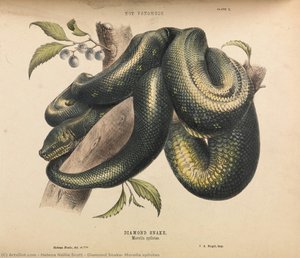
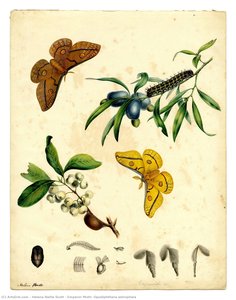
Si bien Scott contribuyó a numerosas publicaciones, son sus ilustraciones individuales las que verdaderamente capturan la esencia de su visión artística. Sus representaciones de polillas y mariposas son particularmente celebradas: estudios exquisitos de forma, color y textura. La litografía Diamond Snake, Morelia spilotes hace gala de su dominio del medio, mientras que Bent-wing Swift Moth, Zelotypia stacyi ejemplifica su capacidad para capturar detalles intrincados con una precisión asombrosa. Los tonos vibrantes y los patrones delicados de la Black Jezebel Butterfly, Delias nigrina demuestran no solo destreza técnica, sino también un profundo aprecio por la belleza inherente a la naturaleza. Estas obras no son simples representaciones de insectos; son celebraciones de la vida, plasmadas con el ojo de una artista y el entendimiento de una científica. El Museums Victoria en Melbourne alberga varias de sus piezas, consolidando su lugar dentro del patrimonio artístico de Australia. La publicación de Australian Lepidoptera and Their Transformations, realizada junto a su padre, sigue siendo un logro histórico, testimonio del espíritu colaborativo de las hermanas y de su significativa contribución al conocimiento entomológico.Un legado perdurable: Espíritu pionero e influencia eterna
Helena Nellie Scott se erige como una figura fundamental en el arte y la ciencia australianos. Como una de las primeras ilustradoras profesionales en Australia, rompió barreras y allanó el camino para que futuras generaciones de mujeres buscaran carreras en estos campos. Sus contribuciones no se limitaron a su talento artístico; sus tempranas advertencias sobre las especies invasoras resaltan su previsión y compromiso con la conservación ambiental, una preocupación que resuena con fuerza en la actualidad. Ella no solo documentaba la naturaleza; abogaba por su preservación, reconociendo el delicado equilibrio de los ecosistemas mucho antes de que esto se convirtiera en una preocupación generalizada. El legado de Scott se extiende más allá de los museos y las publicaciones; vive en el aprecio continuo de su exquisita obra y en la inspiración que brinda tanto a artistas como a científicos. Su vida sirve como un recordatorio de que el arte y la ciencia no son disciplinas mutuamente excluyentes, sino formas complementarias de comprender y celebrar el mundo que nos rodea, asegurando que su extraordinaria historia como naturalista y artista perdure para las generaciones venideras.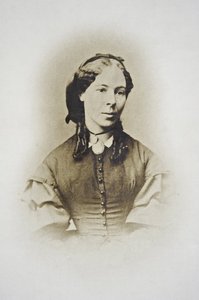
Helena Nellie Scott
1832 - 1910 , Australia
Datos clave
- Artistic Movement Or Style: Arte de historia natural
- Artists Or Movements Influenced By This Artist:
- Naturalistas australianos
- Ilustradores científicos
- Artists Who Influenced This Artist:
- Alexander Walker Scott
- Conrad Martens
- Samuel Thomas Gill
- Date Of Birth: 1832
- Date Of Death: 1910
- Full Name: Helena Nellie Scott
- Nationality: Australiana
- Notable Artworks:
- Serpiente de diamante
- Polilla veloz de alas dobladas
- Mariposa Jezabel negra
- Place Of Birth: Sídney, Australia
Artículos relacionados
La Estética Refinada de la Ilustración Victoriana: Narrativa y Técnica en el Arte del Siglo XIX
Descubra la estética refinada de la ilustración victoriana y el impacto revolucionario de los Prerrafaelitas. Análisis profundo de técnicas, narrativa y simbolismo en el arte del siglo XIX.

Kay Rasmus Nielsen: A Golden Age Illustrator's Enchanting Legacy of Symbolism & Narrative
Explore the captivating world of Kay Rasmus Nielsen, a celebrated Golden Age illustrator renowned for his Art Nouveau fairy tale art & Disney contributions. Discover his unique style, enduring legacy, and how to collect his enchanting works.

Angelo Chiacchio: A Mid-Century American Illustration Master & the Rise of Commercial Art
Explore the captivating world of Angelo Chiacchio, a master of mid-century American illustration. Discover his evolution, signature style, and lasting impact on commercial art & design. Learn about his legacy at the Museum of American Illustration.
Fluttering Beauty: Elevate Your Interior with Exquisite Butterfly Artworks and Nature-Inspired Masterpieces
Discover the transformative power of butterfly art. From impressionist oil paintings to custom nature-inspired masterpieces, elevate your home with exquisite, hand-painted textures and vibrant colors designed to inspire serenity and elegance in every room.
Edmund Dulac: A Master of Golden Age Illustration – Exploring Myth, Symbolism & Art Nouveau Legacy
Explore the captivating world of Edmund Dulac, a master of Golden Age illustration! Discover his enchanting fairy tales, Art Nouveau style, and lasting influence on art & design. Learn about *The Rubaiyat* and more.

