 Vista previa
 Compartir
 Compartir
 Ver detalles

 Descargar
 Ver similares
 Radiografía
 Presentación de diapositivas
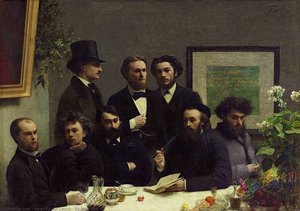
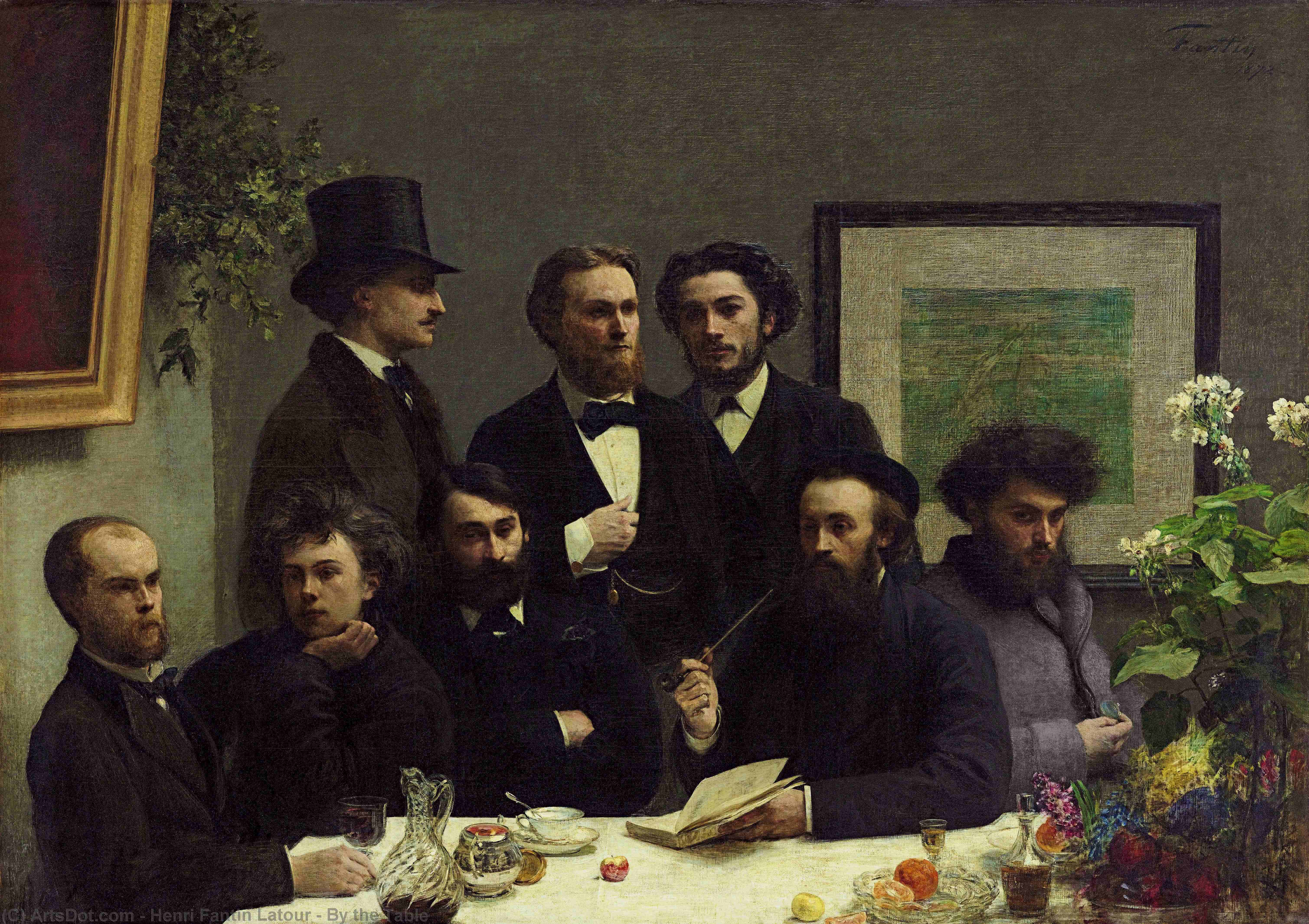
A la mesa
 Óleo sobre lienzo
- Arte de pared
- Realism
 1872
1872- Siglo XIX
 160.0 x 225.0 cm
 Museo de Orsay
 Leer más
Reproducción al óleo hecha a mano
Óleo sobre lienzo pintado a mano en el tamaño y marco de su elección, realizado por encargo por nuestros artistas. ( Pedir impresión Comprar descarga)




































Elija entre nuestros tamaños predefinidos que respetan las proporciones originales de la obra.

Puede ingresar sus propias dimensiones para adaptarse a un marco o espacio específico. Si el tamaño seleccionado no coincide con las proporciones de la imagen original, recortaremos la obra o extenderemos la pintura con elementos adicionales pintados a mano. Se le enviará una maqueta digital para su aprobación antes de comenzar la producción.
Tenga en cuenta que la vista previa en pantalla no refleja el recorte o la extensión reales. Solo la maqueta mostrará con precisión la composición final.
Si bien existen tamaños personalizados, recomendamos seleccionar una dimensión de la lista predefinida para preservar las proporciones originales.
Tras realizar el pedido, el equipo de ArtsDot.com enviará un correo electrónico al cliente para solicitar instrucciones y proporcionarle una vista previa del boceto.
Envío a todo el mundo () en 3-4 semanas en lugar de las 5 semanas estándar. (20 agosto). Sin comprometer la calidad.

Envío exprés gratuito a todo el mundo

Lienzo de lino de alta calidad

Seguro de envío completo

Garantía de reembolso de aranceles aduaneros

Garantía de fidelidad cromática exacta

Política de devolución de 60 días (solo por defectos)

Garantía de devolución del 100% del dinero

Oferta por volumen
 La opción de vidrio solo está disponible en tamaños inferiores a 110 cm.

A la mesa
Técnica de reproducción
Tamaño de la reproducción
-


Precio total
$ 463
Descripción de la obra
Henri Fantin-Latour's "By the Table": A Literary Gathering in Paint
Henri Fantin-Latour’s “By the Table,” painted in 1872, is more than just a group portrait; it's a remarkable window into the literary and artistic circles of 19th-century France. This oil on canvas (160 x 225 cm), residing at the Musée d'Orsay in Paris, captures a moment of relaxed camaraderie among prominent figures associated with the Parnassus poetry group.
Subject & Composition: A Portrait of Literary Giants
The painting depicts a gathering of men and one woman around a table after what appears to be a meal. The composition features eight individuals, each carefully positioned to convey a sense of both formality and intimacy. Standing are Elzéar Bonnier, Emile Blémont, and Jean Aicard. Seated are Paul Verlaine, Arthur Rimbaud, Léon Valade, Ernest d'Hervilly, and Camille Pelletan. Notably, Camille Pelletan is the only woman in the group and stands out as a politician rather than a poet. The absence of Charles Baudelaire (who had passed away) and Albert Mérat (who declined to participate due to Verlaine and Rimbaud’s controversial reputation) are symbolically represented by a bouquet of flowers placed on the table.
Style & Technique: Realism with Subtle Nuance
“By the Table” exemplifies the principles of Realism, characterized by its meticulous attention to detail and accurate depiction of everyday life. Fantin-Latour’s masterful use of oil paint creates a rich texture and depth, drawing the viewer into the scene. The lighting is soft and diffused, subtly highlighting the figures' faces and clothing while casting gentle shadows that define their forms. His brushwork is precise yet not overly detailed, allowing for a smooth surface and nuanced gradations of tone. The color palette is dominated by muted browns, blacks, and greens, contributing to a somber yet sophisticated atmosphere. Fantin-Latour’s skill in capturing the textures of fabrics, wood, and flowers demonstrates his technical prowess.
Historical Context & Symbolism: A Reflection of Literary Movements
The painting is deeply rooted in the literary history of its time. The Parnassus poetry group represented a revival movement in French literature, emphasizing classical ideals and formal perfection. "By the Table" serves as a visual record of this influential circle, showcasing key figures who shaped 19th-century French poetry. The presence of Verlaine and Rimbaud, two of the most significant poets of the era, underscores the painting's importance. The bouquet of flowers symbolizes the absent poets, adding a layer of melancholy to the scene. The choice of black clothing for most subjects reflects the somber aesthetic prevalent in Parnassian poetry.
Emotional Impact & Legacy: A Moment Frozen in Time
“By the Table” evokes a sense of quiet contemplation and intellectual exchange. The relaxed postures and engaged expressions of the figures suggest a comfortable familiarity, while the overall atmosphere is one of understated elegance. The painting’s legacy lies not only in its artistic merit but also in its historical significance as a document of literary history. It offers a glimpse into the lives and interactions of influential artists and writers, providing valuable insight into the cultural landscape of 19th-century France. For art enthusiasts, collectors, and interior designers alike, "By the Table" represents a timeless masterpiece that embodies both artistic skill and historical importance.
Obras relacionadas
Biografía del artista
Primeros años y formación
Henri Fantin-Latour, un renombrado pintor y litógrafo francés, nació el 14 de enero de 1836 en Grenoble, Isère. De joven, recibió lecciones de dibujo de su padre, quien también era artista. En 1850, ingresó a la École de Dessin, donde estudió con Lecocq de Boisbaudran.Carrera artística
Tras estudiar en la École des Beaux-Arts de París desde 1854, Fantin-Latour dedicó mucho tiempo a copiar las obras de los maestros antiguos en el Museo del Louvre. Aunque se hizo amigo de varios jóvenes artistas que luego estarían asociados con el impresionismo, incluyendo Whistler y Manet, el propio trabajo de Fantin permaneció conservador en estilo.Obras destacadas y exposiciones
- Naturaleza muerta: amarillos, peras y promenades, 1873
- Jarrón de rosas, 1875
- La lectura, 1877, Musée des Beaux-Arts de Lyon
- Retrato de Charlotte Dubourg, 1882, París, Musée d'Orsay
Legado y vida posterior
En 1875, Henri Fantin-Latour se casó con una compañera pintora, Victoria Dubourg. Pasó sus veranos en la finca de campo de la familia de su esposa en Buré, Orne, en Normandía Baja, donde falleció el 25 de agosto de 1904. Fue enterrado en el Cimetière du Montparnasse, París, Francia.Simbolismo y realismo en el arte de Henri Fantin-Latour
El trabajo de Fantin-Latour, caracterizado por su estilo conservador, refleja la mezcla única del artista de influencias simbolistas y realistas. Sus pinturas de naturaleza muerta, como Naturaleza muerta con flores y fruta, 1865, muestran su dominio del color y la composición. Como figura destacada en la transición del realismo al impresionismo, el legado de Fantin-Latour continúa inspirando a artistas y entusiastas del arte por igual.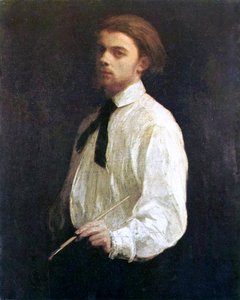
Henri Fantin-Latour
1836 - 1904 , Francia
Datos clave
- Artistas Influyentes:
- Jean-Baptiste Siméon Chardin
- Dutch Golden Age painting
- Estilo Artístico: Realismo y Simbolismo
- Fecha De Muerte: 25 de agosto de 1904
- Fecha De Nacimiento: 14 de enero de 1836
- Influenciado A Artistas: ['Impresionismo']
- Lugar De Nacimiento: Grenoble, Francia
- Nacionalidad: Francesa
- Nombre Completo: Henri Fantin-Latour
- Obras Notables:
- Primroses, Pears and Promenades
- Vase of Roses
- La Lecture
- Portrait de Charlotte Dubourg
Artículos relacionados
Henri Matisse: Las 25 Obras Maestras que Definieron un Genio del Color | ArtsDot
Descubre las 25 obras maestras de Henri Matisse, el rey del color y padre del fauvismo. Explora su arte moderno, lienzos vibrantes y la historia detrás de cada pintura icónica. Encuentra reproducciones de alta calidad en ArtsDot.com.
Henri Fantin-Latour: A Poetic Realism Between Still Life and the Parisian Avant-Garde
Explore the captivating world of Henri Fantin-Latour, a master of still life and portraiture. Discover his unique blend of Realism & Symbolism, Parisian connections, and enduring legacy with ArtsDot.
Robert Henri & the Spirit of American Realism: A Legacy of Urban Life and Artistic Independence
Explore the life & legacy of Robert Henri, a pivotal figure in American Realism. Discover his captivating portraits, influence on the Ashcan School, and enduring impact on art history. Learn more at ArtsDot.
Romantic Realism's Finest: 10 Masterpieces for Your Home | ArtsDot
Explore 10 defining masterpieces of Romantic Realism! Discover Courbet, Millet & Daumier's powerful paintings—capturing emotion and social realities. Find museum-quality reproductions for your home at ArtsDot.com.
Fauvismo Expresionista: 10 Obras Maestras que Transformaron el Arte | ArtsDot
Descubre las 10 obras maestras del fauvismo que revolucionaron el arte. Explora la pasión, el color y la expresión de Matisse, Derain y más. Reproducciones de alta calidad en ArtsDot.com.