 Vista previa
 Compartir
 Compartir
 Ver detalles

 Descargar
 Ver similares
 Radiografía
 Presentación de diapositivas
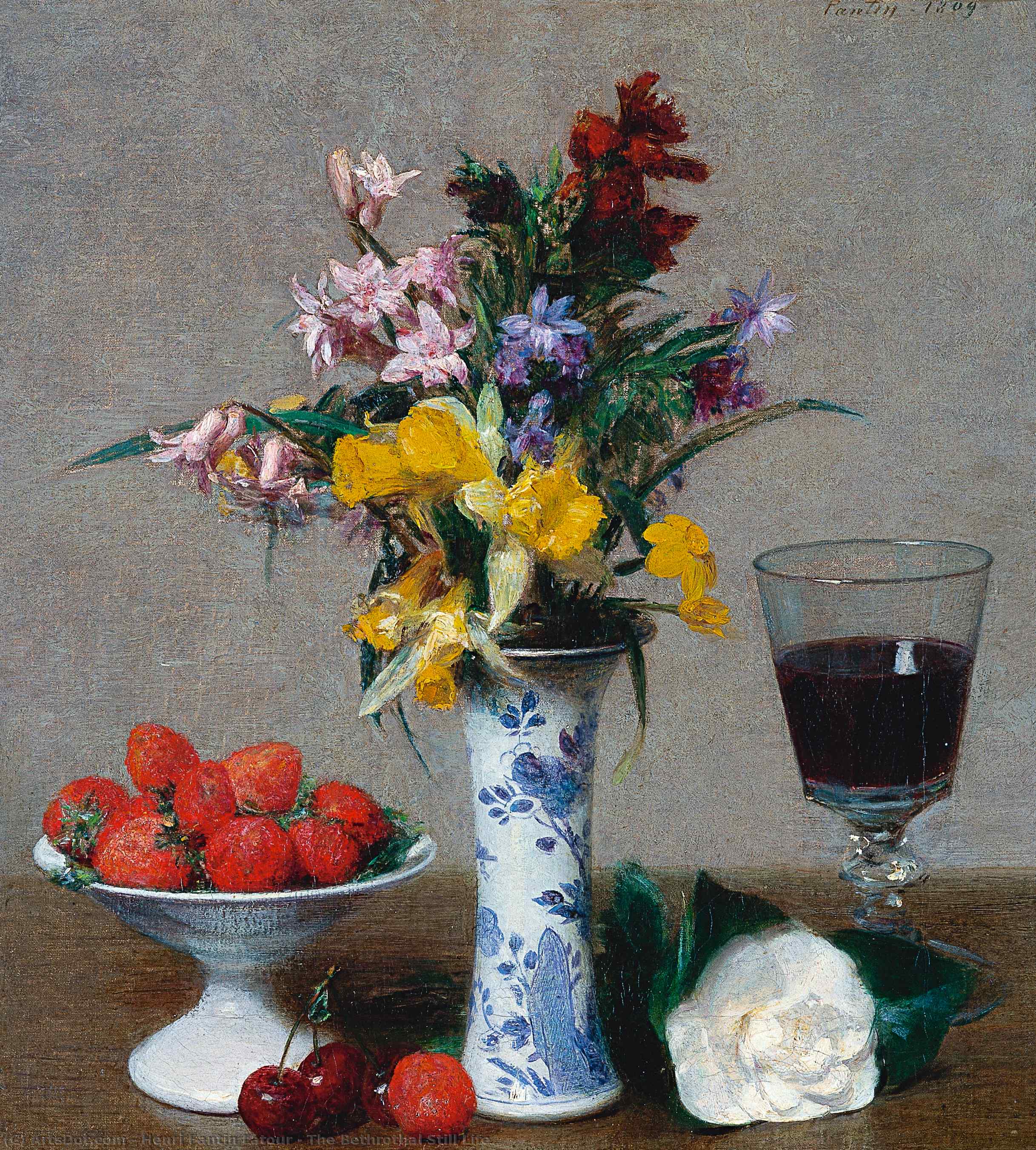
The Bethrothal Still Life


 Leer más
Reproducción al óleo hecha a mano
Óleo sobre lienzo pintado a mano en el tamaño y marco de su elección, realizado por encargo por nuestros artistas. ( Pedir impresión Comprar descarga)




P118B $10

P118H $10

P118W $10

P438Z $10

P508JH $12

P508YH $12

P805H $10

P805Z $10

P919BZ $10

P919G $10

P919XJ $10

P959ZH $10

P968JZ $12

W106C $8

W218G $10

W218JH $8

W218Y $10

W307PJ $10

W316G $10

W316PJ $8

W316Y $10

W398PJ $8

W4111J $10

W500HY $15

W500JH $15

W692G $12

W849H $8

W940BG $15

W953PJ $8




Elija entre nuestros tamaños predefinidos que respetan las proporciones originales de la obra.

Puede ingresar sus propias dimensiones para adaptarse a un marco o espacio específico. Si el tamaño seleccionado no coincide con las proporciones de la imagen original, recortaremos la obra o extenderemos la pintura con elementos adicionales pintados a mano. Se le enviará una maqueta digital para su aprobación antes de comenzar la producción.
Tenga en cuenta que la vista previa en pantalla no refleja el recorte o la extensión reales. Solo la maqueta mostrará con precisión la composición final.
Si bien existen tamaños personalizados, recomendamos seleccionar una dimensión de la lista predefinida para preservar las proporciones originales.
Tras realizar el pedido, el equipo de ArtsDot.com enviará un correo electrónico al cliente para solicitar instrucciones y proporcionarle una vista previa del boceto.
Envío a todo el mundo () en 3-4 semanas en lugar de las 5 semanas estándar. (22 agosto). Sin comprometer la calidad.

Envío exprés gratuito a todo el mundo

Lienzo de lino de alta calidad

Seguro de envío completo

Garantía de reembolso de aranceles aduaneros

Garantía de fidelidad cromática exacta

Política de devolución de 60 días (solo por defectos)

Garantía de devolución del 100% del dinero

Oferta por volumen
 La opción de vidrio solo está disponible en tamaños inferiores a 110 cm.

The Bethrothal Still Life
Técnica de reproducción
Tamaño de la reproducción
-


Precio total
$ 263
Descripción de la obra
The Bethrothal Still Life: A Window into Fantin-Latour's Realist Vision
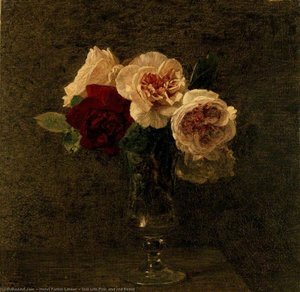
Henri Fantin-Latour’s “The Bethrothal Still Life” is more than just a depiction of fruit and flowers; it’s a meticulously crafted meditation on beauty, harmony, and the quiet dignity of everyday objects. Completed in 1869, this oil painting offers a rare glimpse into the artist's profound understanding of light, color, and composition – hallmarks of his enduring legacy within the Realist movement. The Forest Lawn Museum holds this remarkable piece, a testament to Fantin-Latour’s dedication to capturing the essence of the world around him with unwavering precision.
A Symphony of Color and Texture
Fantin-Latour's mastery lies in his ability to render textures with astonishing realism. The vibrant cherries within the white bowl practically burst with freshness, their deep red hues intensified by subtle variations in light. The flowers – a riot of pinks, purples, yellows, and blues – are not merely arranged; they’re sculpted with delicate brushstrokes, each petal possessing its own unique sheen. Notice how he builds up layers of paint to create the velvety texture of the berries and the translucent quality of the wine glasses. This painstaking attention to detail elevates the painting beyond a simple still life, transforming it into a tangible experience of sensory delight.
Realism and Symbolism in Harmony
As a key figure in the Realist movement, Fantin-Latour rejected romanticized depictions of nature in favor of an honest portrayal of the world as he saw it. Yet, within this realism lies a subtle layer of symbolism. The “bethrothal” – marriage – suggested by the title evokes themes of love, prosperity, and new beginnings. The carefully chosen objects—the wine glasses, the fruit, the flowers—represent abundance and celebration. The arrangement itself is deliberately balanced, creating a sense of serenity and order, reflecting a desire for harmony in both subject matter and artistic expression.
Technique and Historical Context
Fantin-Latour’s technique was rooted in the academic training he received at the École des Beaux-Arts and the Louvre. He meticulously studied the works of Old Masters, absorbing their methods for creating depth, perspective, and atmospheric effects. However, unlike many of his contemporaries, Fantin-Latour wasn't simply copying; he adapted these techniques to create a distinctly personal style. The painting’s rich color palette – achieved through careful layering of glazes – contributes significantly to its luminous quality. Created during a period of significant artistic innovation in France, “The Bethrothal Still Life” exemplifies the shift towards greater realism and attention to detail that characterized the mid-19th century.
Capturing the Essence: A Reproduction Opportunity
ArtsDot.com offers meticulously crafted hand-painted reproductions of "The Bethrothal Still Life," allowing you to bring this exquisite artwork into your home or office. Each reproduction is created by skilled artisans, ensuring that every nuance of color, texture, and detail is faithfully reproduced. Whether you’re an art collector, interior designer, or simply someone who appreciates beauty, a ArtsDot.com reproduction offers the perfect way to experience the timeless appeal of Fantin-Latour's masterpiece.
Obras relacionadas

Biografía del artista
Primeros años y formación
Henri Fantin-Latour, un renombrado pintor y litógrafo francés, nació el 14 de enero de 1836 en Grenoble, Isère. De joven, recibió lecciones de dibujo de su padre, quien también era artista. En 1850, ingresó a la École de Dessin, donde estudió con Lecocq de Boisbaudran.Carrera artística
Tras estudiar en la École des Beaux-Arts de París desde 1854, Fantin-Latour dedicó mucho tiempo a copiar las obras de los maestros antiguos en el Museo del Louvre. Aunque se hizo amigo de varios jóvenes artistas que luego estarían asociados con el impresionismo, incluyendo Whistler y Manet, el propio trabajo de Fantin permaneció conservador en estilo.Obras destacadas y exposiciones
- Naturaleza muerta: amarillos, peras y promenades, 1873
- Jarrón de rosas, 1875
- La lectura, 1877, Musée des Beaux-Arts de Lyon
- Retrato de Charlotte Dubourg, 1882, París, Musée d'Orsay
Legado y vida posterior
En 1875, Henri Fantin-Latour se casó con una compañera pintora, Victoria Dubourg. Pasó sus veranos en la finca de campo de la familia de su esposa en Buré, Orne, en Normandía Baja, donde falleció el 25 de agosto de 1904. Fue enterrado en el Cimetière du Montparnasse, París, Francia.Simbolismo y realismo en el arte de Henri Fantin-Latour
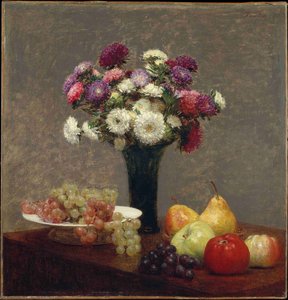
El trabajo de Fantin-Latour, caracterizado por su estilo conservador, refleja la mezcla única del artista de influencias simbolistas y realistas. Sus pinturas de naturaleza muerta, como Naturaleza muerta con flores y fruta, 1865, muestran su dominio del color y la composición. Como figura destacada en la transición del realismo al impresionismo, el legado de Fantin-Latour continúa inspirando a artistas y entusiastas del arte por igual.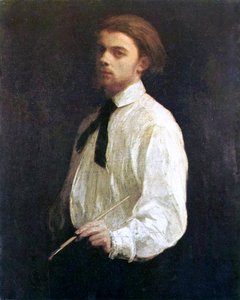
Henri Fantin-Latour
1836 - 1904 , Francia
Datos clave
- Artistas Influyentes:
- Jean-Baptiste Siméon Chardin
- Dutch Golden Age painting
- Estilo Artístico: Realismo y Simbolismo
- Fecha De Muerte: 25 de agosto de 1904
- Fecha De Nacimiento: 14 de enero de 1836
- Influenciado A Artistas: ['Impresionismo']
- Lugar De Nacimiento: Grenoble, Francia
- Nacionalidad: Francesa
- Nombre Completo: Henri Fantin-Latour
- Obras Notables:
- Primroses, Pears and Promenades
- Vase of Roses
- La Lecture
- Portrait de Charlotte Dubourg
Artículos relacionados
Henri Fantin-Latour: A Poetic Realism Between Still Life and the Parisian Avant-Garde
Explore the captivating world of Henri Fantin-Latour, a master of still life and portraiture. Discover his unique blend of Realism & Symbolism, Parisian connections, and enduring legacy with ArtsDot.
El Legado Duradero de la Pintura al Óleo Hecha a Mano: Valor Estético, Longevidad y Resonancia Emocional
Descubra el legado de la pintura al óleo hecha a mano. Reproducciones fieles por artistas expertos, asesoramiento profesional y una inversión artística duradera con ArtsDot.com.
De la Naturaleza Muerta Clásica a la Abstracción Contemporánea: Elevando los Espacios de Entretenimiento en Villas a Través de Reproducciones Artísticas
Descubre la evolución del bodegón y cómo integrar reproducciones artísticas de alta calidad en tu villa. Expertos en arte, selección exclusiva y asesoramiento personalizado.
Del Boceto Inicial a la Obra Duradera: Una Exploración Exhaustiva del Proceso de Reproducción de Pintura al Óleo
Descubre el arte de la reproducción al óleo artesanal con ArtsDot. Reproducciones fieles hechas a mano por expertos, personalización y asesoramiento profesional para galerías y hogares. ¡Invierte en belleza duradera!
Reproducción Artística: Explorando Medios para la Preservación y Diseminación del Patrimonio Visual
Descubre reproducciones de arte excepcionales hechas por artistas expertos. Lienzos personalizados y réplicas fieles con garantía de calidad museo. ¡Preserva el patrimonio visual!