 Ver en contexto
 Enviar
 Compartir
 Detalles

 Descargar
 Similares
 Radiografía
 Presentación de diapositivas
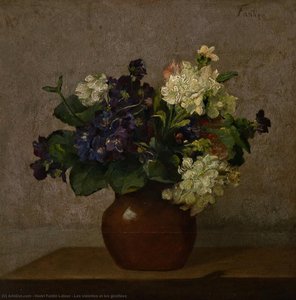
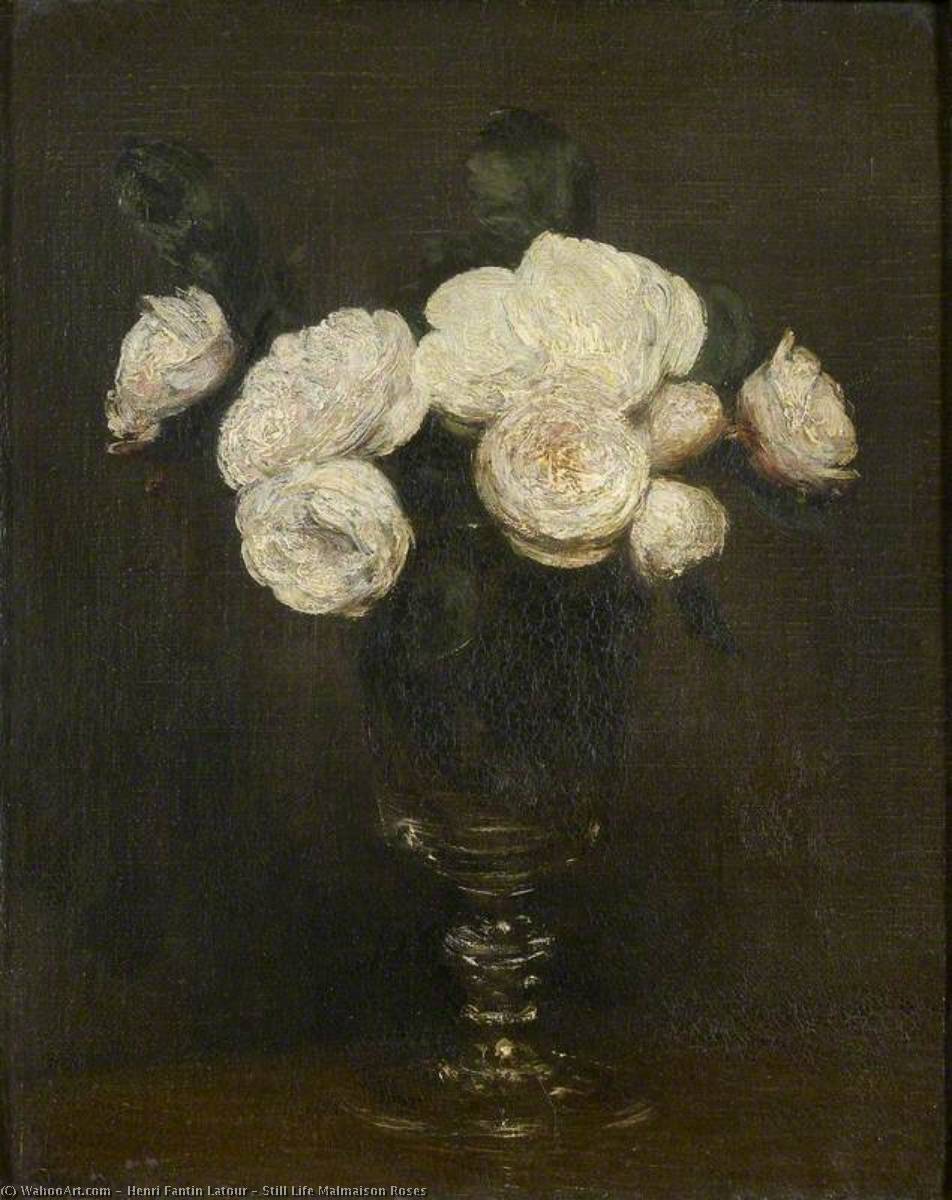
Still Life Malmaison Roses
 Oil On Canvas
- WallArt
- Impressionistic Realism
 1872
1872 30.0 x 24.0 cm
 El Museo Ashmolean de Arte y Arqueología
 Ver más
Reproducción al óleo hecha a mano
Óleo sobre lienzo pintado a mano en el tamaño y marco de su elección, realizado por encargo por nuestros artistas. ( Comprar impresión Comprar imagen)




P118B $10

P118H $10

P118W $10

P438Z $10

P508JH $12

P508YH $12

P805H $10

P805Z $10

P919BZ $10

P919G $10

P919XJ $10

P959ZH $10

P968JZ $12

W106C $8

W218G $10

W218JH $8

W218Y $10

W307PJ $10

W316G $10

W316PJ $8

W316Y $10

W398PJ $8

W4111J $10

W500HY $15

W500JH $15

W692G $12

W849H $8

W940BG $15

W953PJ $8




Elija entre nuestros tamaños predefinidos que respetan las proporciones originales de la obra.

Puede ingresar sus propias dimensiones para adaptarse a un marco o espacio específico. Si el tamaño seleccionado no coincide con las proporciones de la imagen original, recortaremos la obra o extenderemos la pintura con elementos adicionales pintados a mano. Se le enviará una maqueta digital para su aprobación antes de comenzar la producción.
Tenga en cuenta que la vista previa en pantalla no refleja el recorte o la extensión reales. Solo la maqueta mostrará con precisión la composición final.
Si bien existen tamaños personalizados, recomendamos seleccionar una dimensión de la lista predefinida para preservar las proporciones originales.
Tras realizar el pedido, el equipo de ArtsDot.com enviará un correo electrónico al cliente para solicitar instrucciones y proporcionarle una vista previa del boceto.
Envío a todo el mundo () en 3-4 semanas en lugar de las 5 semanas estándar. (23 agosto). Sin comprometer la calidad.

Envío exprés gratuito a todo el mundo

Lienzo de lino de alta calidad

Seguro de envío total

Garantía de reembolso de impuestos aduaneros

Garantía de fidelidad cromática exacta

Política de devolución de 60 días (solo por defectos)

Garantía de devolución del 100% del dinero

Descuento por cantidad
 La opción de vidrio solo está disponible en tamaños inferiores a 110 cm.

Still Life Malmaison Roses
Técnica de reproducción
Dimensiones de la reproducción
-


Precio total final
$ 263
Descripción de la obra
Still Life Malmaison Roses: A Delicate Dance Between Observation and Emotion
Henri Fantin-Latour’s “Still Life Malmaison Roses,” painted in 1872, transcends mere botanical depiction; it embodies a profound exploration of beauty and melancholy—a hallmark of Fantin-Latour's distinctive artistic vision. Executed in oil on canvas with meticulous detail, the artwork captures a vase brimming with roses and carnations arranged upon a simple wooden table. The artist’s masterful brushstrokes convey not just visual accuracy but also an intangible sense of stillness and contemplation. Fantin-Latour’s approach to painting stemmed from his unwavering belief in drawing from memory—a revolutionary technique championed by Horace Lecoq de Boisbaudran at the École des Beaux-Arts—allowing him to distill observation into a deeply personal expression. This method is evident in the subtle gradations of color and texture, mirroring the velvety petals of the roses and the delicate sheen of the carnations. The artist’s careful attention to light and shadow enhances the dramatic effect, creating an atmosphere that feels both luminous and subtly shadowed—a deliberate choice reflecting the complexities of human experience. The painting's historical context is firmly rooted in the Victorian era, a period characterized by a fascination with natural beauty alongside anxieties about mortality. Fantin-Latour’s penchant for capturing fleeting moments of grace speaks to this broader cultural preoccupation. Roses, traditionally associated with love and passion, juxtaposed against the muted tones of the table convey a poignant awareness of life's ephemeral nature—a sentiment echoed in the melancholic gaze conveyed by the composition itself. The Ashmolean Museum houses this masterpiece, offering visitors an opportunity to immerse themselves in Fantin-Latour’s artistic legacy.- Artist: Henri Fantin-Latour
- Year Created: 1872
- Medium: Oil on Canvas
- Location: Ashmolean Museum of Art and Archaeology, Oxford
Exploring Fantin-Latour’s Unique Artistic Method
Fantin-Latour's revolutionary technique—drawing from memory rather than slavishly copying nature—was a radical departure from prevailing artistic conventions. He meticulously studied Old Masters at the Louvre, absorbing their compositional strategies and mastering their pigment handling skills. However, he prioritized capturing the essence of his subject matter through internal perception—a process that demanded unwavering concentration and profound empathy for the natural world. This approach resulted in paintings imbued with an unparalleled sense of atmosphere and emotional depth.- Technique: Memory Drawing
- Influenced By: Horace Lecoq de Boisbaudran
- Focus: Capturing Essence Over Literal Representation
Symbolism Within Floral Still Life
The selection of flowers—roses and carnations—holds significant symbolic weight within the context of Victorian art. Roses, representing love and passion, symbolize idealized beauty and enduring affection. Conversely, carnations convey remembrance and mourning—a subtle acknowledgment of mortality’s inevitable presence. Fantin-Latour skillfully integrates these symbols into his composition, creating a visual narrative that transcends mere botanical accuracy. The arrangement itself suggests a deliberate consideration of form and color—elements carefully chosen to evoke specific emotions and reinforce the painting's overarching thematic concerns.A Legacy of Poetic Realism
Fantin-Latour’s “Still Life Malmaison Roses” exemplifies his signature style—a harmonious blend of realism and poetic idealism. He achieved this remarkable feat by prioritizing emotional resonance alongside meticulous technical execution, securing his place as one of the foremost practitioners of "poetic realism." The painting continues to inspire artists and collectors alike, serving as a poignant reminder that true beauty resides not only in visual splendor but also in the capacity for profound contemplation—a timeless masterpiece destined to endure for generations to come.Obras relacionadas

Biografía del artista
Primeros años y formación
Henri Fantin-Latour, un renombrado pintor y litógrafo francés, nació el 14 de enero de 1836 en Grenoble, Isère. De joven, recibió lecciones de dibujo de su padre, quien también era artista. En 1850, ingresó a la École de Dessin, donde estudió con Lecocq de Boisbaudran.Carrera artística
Tras estudiar en la École des Beaux-Arts de París desde 1854, Fantin-Latour dedicó mucho tiempo a copiar las obras de los maestros antiguos en el Museo del Louvre. Aunque se hizo amigo de varios jóvenes artistas que luego estarían asociados con el impresionismo, incluyendo Whistler y Manet, el propio trabajo de Fantin permaneció conservador en estilo.Obras destacadas y exposiciones
- Naturaleza muerta: amarillos, peras y promenades, 1873
- Jarrón de rosas, 1875
- La lectura, 1877, Musée des Beaux-Arts de Lyon
- Retrato de Charlotte Dubourg, 1882, París, Musée d'Orsay
Legado y vida posterior
En 1875, Henri Fantin-Latour se casó con una compañera pintora, Victoria Dubourg. Pasó sus veranos en la finca de campo de la familia de su esposa en Buré, Orne, en Normandía Baja, donde falleció el 25 de agosto de 1904. Fue enterrado en el Cimetière du Montparnasse, París, Francia.Simbolismo y realismo en el arte de Henri Fantin-Latour
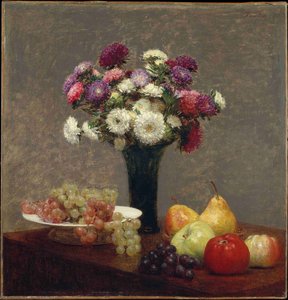
El trabajo de Fantin-Latour, caracterizado por su estilo conservador, refleja la mezcla única del artista de influencias simbolistas y realistas. Sus pinturas de naturaleza muerta, como Naturaleza muerta con flores y fruta, 1865, muestran su dominio del color y la composición. Como figura destacada en la transición del realismo al impresionismo, el legado de Fantin-Latour continúa inspirando a artistas y entusiastas del arte por igual.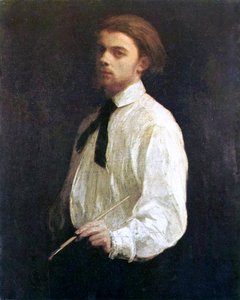
Henri Fantin-Latour
1836 - 1904 , Francia
Datos clave
- Artistas Influyentes:
- Jean-Baptiste Siméon Chardin
- Dutch Golden Age painting
- Estilo Artístico: Realismo y Simbolismo
- Fecha De Muerte: 25 de agosto de 1904
- Fecha De Nacimiento: 14 de enero de 1836
- Influenciado A Artistas: ['Impresionismo']
- Lugar De Nacimiento: Grenoble, Francia
- Nacionalidad: Francesa
- Nombre Completo: Henri Fantin-Latour
- Obras Notables:
- Primroses, Pears and Promenades
- Vase of Roses
- La Lecture
- Portrait de Charlotte Dubourg
Artículos relacionados
Henri Matisse: Las 25 Obras Maestras que Definieron un Genio del Color | ArtsDot
Descubre las 25 obras maestras de Henri Matisse, el rey del color y padre del fauvismo. Explora su arte moderno, lienzos vibrantes y la historia detrás de cada pintura icónica. Encuentra reproducciones de alta calidad en ArtsDot.com.
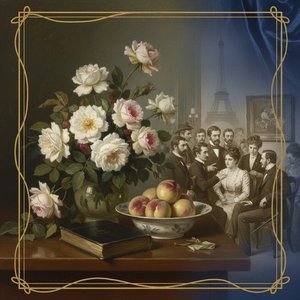
Henri Fantin-Latour: A Poetic Realism Between Still Life and the Parisian Avant-Garde
Explore the captivating world of Henri Fantin-Latour, a master of still life and portraiture. Discover his unique blend of Realism & Symbolism, Parisian connections, and enduring legacy with ArtsDot.

The Enduring Legacy of Oil on Canvas: Technique, History & Aesthetic Impact
Explore the rich history & techniques of oil painting – from Renaissance masters to Impressionism. Discover pigments, layering methods, and why this timeless medium endures. Expert insights for artists & art enthusiasts.

El Óleo sobre Lienzo: Historia, Técnica y la Persistencia de un Medio Artístico Atemporal
Descubre la historia y técnica del óleo sobre lienzo. Explora reproducciones fieles hechas a mano, personalización artística y consejos de expertos con ArtsDot. ¡Colecciona arte con confianza!

The Enduring Power of Painting: A Historical & Contemporary Exploration of Form and Emotion
Explore the rich history & enduring techniques of oil painting with ArtsDot. Discover masterpieces, learn about art collecting, and find authentic handmade reproductions crafted by skilled artists.