 Ver en contexto
 Enviar
 Compartir
 Detalles

 Descargar
 Similares
 Radiografía
 Presentación de diapositivas
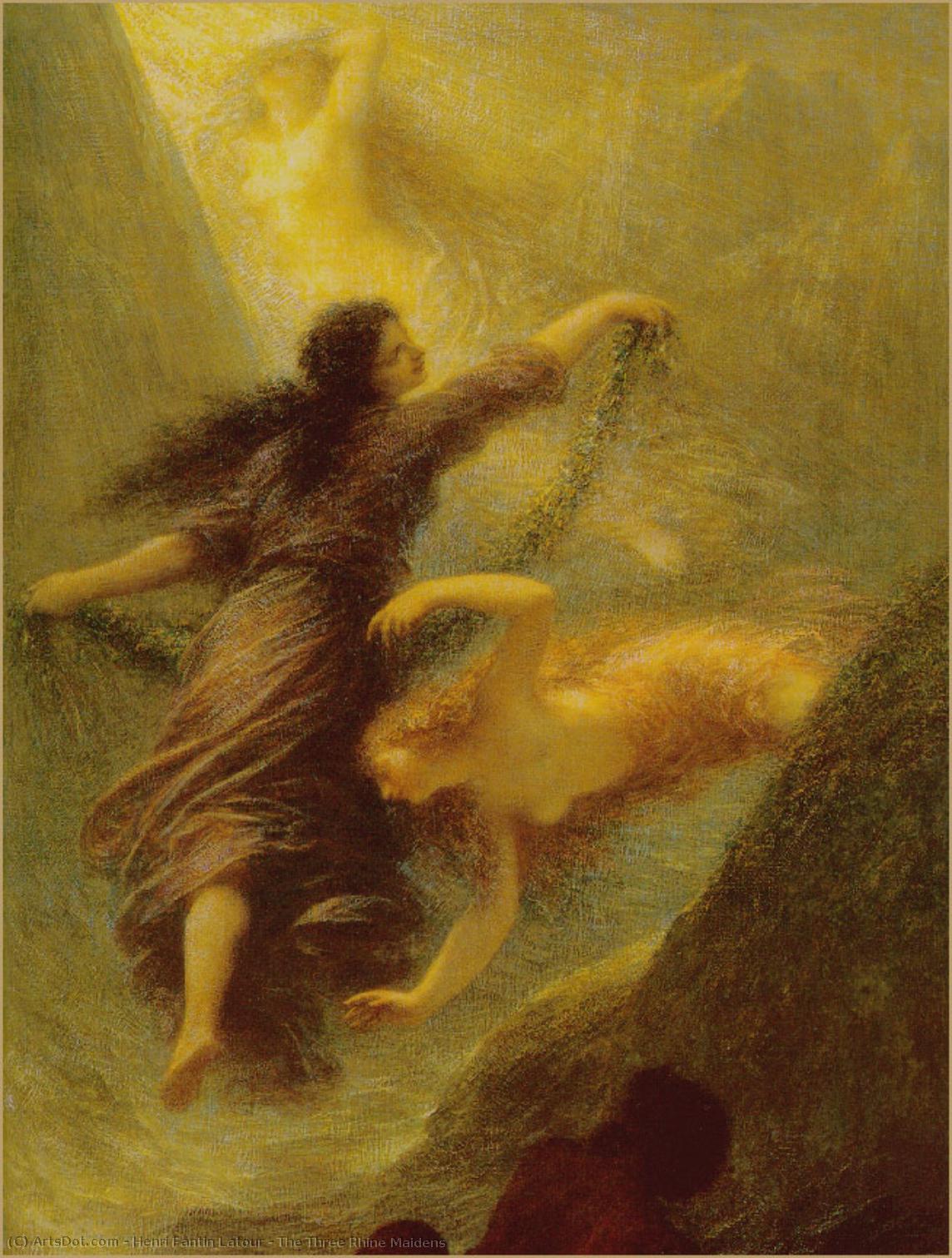
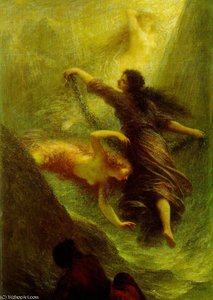
The Three Rhine Maidens
 Acrylic On Canvas
- WallArt
- Symbolism
 1876
1876- 19th Century
 53.0 x 36.0 cm
 Museo de Orsay
 Ver más
Giclée / Impresión de arte
Impresiones giclée o en lienzo de calidad de museo con producción rápida y opciones de acabado flexibles. ( Comprar pintura hecha a mano Comprar imagen)




P118B $10

P118H $10

P118W $10

P438Z $10

P508JH $12

P508YH $12

P805H $10

P805Z $10

P919BZ $10

P919G $10

P919XJ $10

P959ZH $10

P968JZ $12

W106C $8

W218G $10

W218JH $8

W218Y $10

W307PJ $10

W316G $10

W316PJ $8

W316Y $10

W398PJ $8

W4111J $10

W500HY $15

W500JH $15

W692G $12

W849H $8

W940BG $15

W953PJ $8




Elija entre nuestros tamaños predefinidos que respetan las proporciones originales de la obra.

Puede introducir sus propias dimensiones para adaptarse a un marco o espacio específico. Si el tamaño seleccionado no coincide con las proporciones de la imagen original, recortaremos la obra de arte o extenderemos la imagen con un borde con efecto espejo o de color sólido. Se enviará una maqueta digital para su aprobación antes de que comience la producción.
Tenga en cuenta que la vista previa en pantalla no refleja el recorte o la extensión real. Solo la maqueta mostrará con precisión la composición final.
Aunque existen tamaños personalizados, recomendamos seleccionar una dimensión de la lista predefinida para preservar las proporciones originales.
Envío a todo el mundo () en 2 semanas en lugar de las 4/5 semanas estándar. (25 agosto)

Envío exprés gratuito a todo el mundo

Lienzo de lino de alta calidad

Seguro de envío total

Garantía de reembolso de impuestos aduaneros

Garantía de fidelidad cromática exacta

Política de devolución de 60 días (solo por defectos)

Garantía de devolución del 100% del dinero

Descuento por cantidad
 La opción de vidrio solo está disponible en tamaños inferiores a 110 cm.

The Three Rhine Maidens
Giclée / Impresión de arte
Dimensiones de la reproducción
-


Precio total final
$ 62
Descripción de la pieza
A Serene Reflection on Mythic Beauty: Henri Fantin-Latour’s “The Three Rhine Maidens”
Henri Fantin-Latour's "The Three Rhine Maidens," completed in 1876, stands as a testament to the Symbolist movement’s fascination with ethereal landscapes and evocative storytelling. More than just a depiction of three women bathing in the Rhine River—a location steeped in Germanic folklore—the painting delves into deeper themes of femininity, contemplation, and the harmonious union between humanity and nature. Fantin-Latour skillfully captures this essence through his masterful use of charcoal, creating an image that radiates tranquility and invites viewers to lose themselves in its subtle beauty.The Artist’s Vision: Horace Lecoq de Boisbaudran's Influence
Fantin-Latour’s artistic journey began under the tutelage of Horace Lecoq de Boisbaudran at the École des Beaux-Arts, a pivotal moment that fundamentally shaped his approach to painting. Unlike the prevailing academic tradition focused on meticulous realism, Boisbaudran championed drawing from memory—a technique prioritizing observation and emotional response over slavish copying. This method instilled in Fantin-Latour an unwavering commitment to capturing not merely what he saw but also how he felt when encountering a subject, a cornerstone of his distinctive artistic style. He diligently studied the works of Old Masters at the Louvre, absorbing their compositional strategies and mastering techniques that would inform his own groundbreaking explorations.Technique and Material: Charcoal’s Delicate Dance
Fantin-Latour's choice of charcoal as his medium speaks volumes about his intention to convey a sense of understated grandeur. The artist meticulously builds up layers of graphite powder, achieving remarkable tonal gradations—from the deepest shadows to luminous highlights—that imbue the scene with an almost palpable atmosphere. This technique allows for nuanced rendering of textures and contours, capturing the fluidity of water and the soft folds of fabric with breathtaking precision. Furthermore, Fantin-Latour’s careful blending ensures that the charcoal marks merge seamlessly into one another, creating a unified surface that exudes warmth and luminosity.Symbolism Within Landscape: The Rhine River's Mythic Resonance
The Rhine River itself holds profound symbolic significance within Germanic mythology—representing purity, fertility, and the passage of time. Fantin-Latour subtly incorporates this mythological element into his composition, elevating “The Three Rhine Maidens” beyond a simple pastoral tableau. The women’s postures convey an air of serene contemplation, suggesting that they are not merely enjoying the pleasures of bathing but engaging in a deeper communion with the natural world. Their intertwined arms symbolize unity and connection—a visual metaphor for the harmonious relationship between femininity and the rhythms of life itself.Emotional Impact: Tranquility Captured on Canvas
Ultimately, Fantin-Latour’s “The Three Rhine Maidens” succeeds in transporting viewers to a realm of profound peace and beauty. The muted palette—dominated by shades of grey and ochre—contributes to this effect, fostering an atmosphere of stillness and introspection. More than just aesthetically pleasing, the painting evokes feelings of nostalgia for unspoiled landscapes and celebrates the enduring allure of timeless themes—such as femininity, contemplation, and the sublime power of nature. It remains a captivating example of Symbolist art’s ability to communicate complex emotions through deceptively simple visual elements.Obras relacionadas
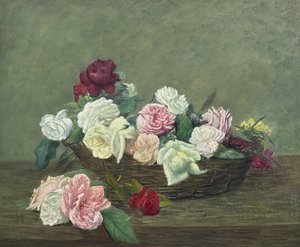
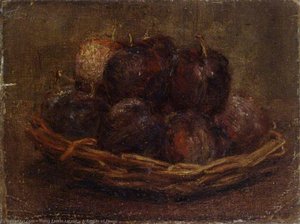
Biografía del artista
Primeros años y formación
Henri Fantin-Latour, un renombrado pintor y litógrafo francés, nació el 14 de enero de 1836 en Grenoble, Isère. De joven, recibió lecciones de dibujo de su padre, quien también era artista. En 1850, ingresó a la École de Dessin, donde estudió con Lecocq de Boisbaudran.Carrera artística
Tras estudiar en la École des Beaux-Arts de París desde 1854, Fantin-Latour dedicó mucho tiempo a copiar las obras de los maestros antiguos en el Museo del Louvre. Aunque se hizo amigo de varios jóvenes artistas que luego estarían asociados con el impresionismo, incluyendo Whistler y Manet, el propio trabajo de Fantin permaneció conservador en estilo.Obras destacadas y exposiciones
- Naturaleza muerta: amarillos, peras y promenades, 1873
- Jarrón de rosas, 1875
- La lectura, 1877, Musée des Beaux-Arts de Lyon
- Retrato de Charlotte Dubourg, 1882, París, Musée d'Orsay
Legado y vida posterior
En 1875, Henri Fantin-Latour se casó con una compañera pintora, Victoria Dubourg. Pasó sus veranos en la finca de campo de la familia de su esposa en Buré, Orne, en Normandía Baja, donde falleció el 25 de agosto de 1904. Fue enterrado en el Cimetière du Montparnasse, París, Francia.Simbolismo y realismo en el arte de Henri Fantin-Latour
El trabajo de Fantin-Latour, caracterizado por su estilo conservador, refleja la mezcla única del artista de influencias simbolistas y realistas. Sus pinturas de naturaleza muerta, como Naturaleza muerta con flores y fruta, 1865, muestran su dominio del color y la composición. Como figura destacada en la transición del realismo al impresionismo, el legado de Fantin-Latour continúa inspirando a artistas y entusiastas del arte por igual.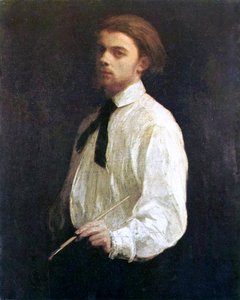
Henri Fantin-Latour
1836 - 1904 , Francia
Datos clave
- Artistas Influyentes:
- Jean-Baptiste Siméon Chardin
- Dutch Golden Age painting
- Estilo Artístico: Realismo y Simbolismo
- Fecha De Muerte: 25 de agosto de 1904
- Fecha De Nacimiento: 14 de enero de 1836
- Influenciado A Artistas: ['Impresionismo']
- Lugar De Nacimiento: Grenoble, Francia
- Nacionalidad: Francesa
- Nombre Completo: Henri Fantin-Latour
- Obras Notables:
- Primroses, Pears and Promenades
- Vase of Roses
- La Lecture
- Portrait de Charlotte Dubourg
Artículos relacionados

Giclée Prints: Archival Quality & Aesthetic Nuances for the Discerning Collector
Explore the world of giclée prints with ArtsDot. Learn about archival quality, aesthetic nuances & investment potential. Expert guidance for discerning art collectors seeking museum-quality reproductions and lasting value.
Henri Fantin-Latour: A Poetic Realism Between Still Life and the Parisian Avant-Garde
Explore the captivating world of Henri Fantin-Latour, a master of still life and portraiture. Discover his unique blend of Realism & Symbolism, Parisian connections, and enduring legacy with ArtsDot.

The Enduring Legacy of Fine Art Prints: Technique, History & Aesthetic Impact
Explore the rich history & techniques of fine art prints. Discover investment potential, assess authenticity, and learn how to preserve your collection with expert guidance. Trusted insights for discerning collectors.

Echoes of Time: Exploring the Enduring Appeal & Historical Context of Vintage Art Prints
Explore the captivating world of vintage art prints! Discover their history, collecting tips & enduring appeal. Expert insights on chromolithography and building a legacy collection with ArtsDot.
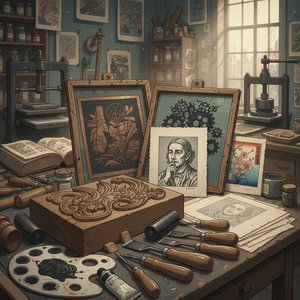
The Enduring Legacy of Printmaking: Techniques, Themes & Artistic Innovation Across Centuries
Explore the rich history of printmaking with ArtsDot. Discover techniques from intaglio to lithography, learn about collecting valuable prints & find museum-quality reproductions. Expert insights for art enthusiasts and collectors.