

 Vista previa
 Compartir
 Compartir
 Ver detalles

 Descargar
 Ver similares
 Radiografía
 Presentación de diapositivas
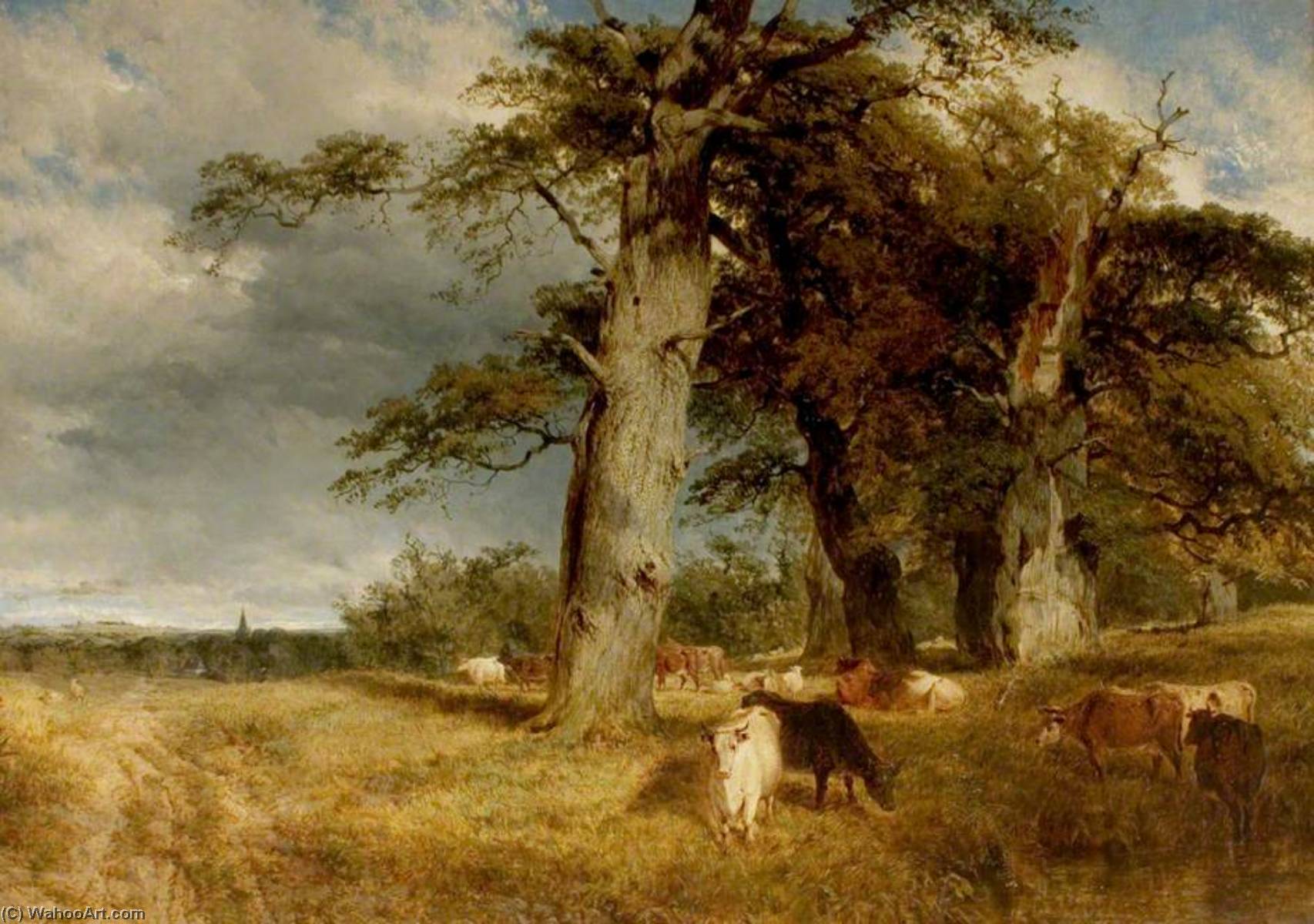
Landscape in the Dukeries, Nottinghamshire
 Oil
Oil- WallArt
- Realism
 1850
1850- 19th Century
 122.0 x 183.0 cm
 Nottingham Castle Museum y Galería de Arte
 Leer más
Reproducción al óleo hecha a mano
Óleo sobre lienzo pintado a mano en el tamaño y marco de su elección, realizado por encargo por nuestros artistas. ( Pedir impresión Comprar descarga)




P118B $10

P118H $10

P118W $10

P438Z $10

P508JH $12

P508YH $12

P805H $10

P805Z $10

P919BZ $10

P919G $10

P919XJ $10

P959ZH $10

P968JZ $12

W106C $8

W218G $10

W218JH $8

W218Y $10

W307PJ $10

W316G $10

W316PJ $8

W316Y $10

W398PJ $8

W4111J $10

W500HY $15

W500JH $15

W692G $12

W849H $8

W940BG $15

W953PJ $8




Elija entre nuestros tamaños predefinidos que respetan las proporciones originales de la obra.

Puede ingresar sus propias dimensiones para adaptarse a un marco o espacio específico. Si el tamaño seleccionado no coincide con las proporciones de la imagen original, recortaremos la obra o extenderemos la pintura con elementos adicionales pintados a mano. Se le enviará una maqueta digital para su aprobación antes de comenzar la producción.
Tenga en cuenta que la vista previa en pantalla no refleja el recorte o la extensión reales. Solo la maqueta mostrará con precisión la composición final.
Si bien existen tamaños personalizados, recomendamos seleccionar una dimensión de la lista predefinida para preservar las proporciones originales.
Tras realizar el pedido, el equipo de ArtsDot.com enviará un correo electrónico al cliente para solicitar instrucciones y proporcionarle una vista previa del boceto.
Envío a todo el mundo () en 3-4 semanas en lugar de las 5 semanas estándar. (22 agosto). Sin comprometer la calidad.

Envío exprés gratuito a todo el mundo

Lienzo de lino de alta calidad

Seguro de envío completo

Garantía de reembolso de aranceles aduaneros

Garantía de fidelidad cromática exacta

Política de devolución de 60 días (solo por defectos)

Garantía de devolución del 100% del dinero

Oferta por volumen
 La opción de vidrio solo está disponible en tamaños inferiores a 110 cm.

Landscape in the Dukeries, Nottinghamshire
Técnica de reproducción
Tamaño de la reproducción
-


Precio total
$ 263
Descripción de la obra
A Pastoral Symphony in Nottinghamshire
In the quietude of the English countryside, there exists a specific kind of magic found only in the soft interplay of light and shadow across a rolling meadow. Landscape in the Dukeries, Nottinghamshire, painted by the evocative master Henry Thomas Dawson in 1850, serves as a profound window into this serene world. The canvas unfolds with a breathtaking sense of depth, presenting a lush, verdant field that seems to breathe with the vitality of the natural world. Scattered throughout this pastoral stage are several cows, captured in moments of quiet repose; some graze in intimate clusters while others wander solitary across the expanse, their forms grounding the composition in a sense of timeless, rural rhythm. A lone dog, positioned near the heart of the scene, introduces a subtle pulse of life, acting as a silent observer to the peaceful coexistence of domesticity and nature.
The artistry of Dawson is particularly evident in his ability to manipulate atmosphere, a skill that would later define his reputation for maritime brilliance. Here, even in a terrestrial setting, one can sense the influence of the ephemeral. The trees in the background are not merely static silhouettes but are rendered with a soft, hazy quality that suggests the moisture-laden air of a Nottinghamshire morning. This technique creates a sense of atmospheric perspective, drawing the viewer’s eye from the tactile textures of the foreground grass toward the misty, receding layers of the woodland. The brushwork, while maintaining a certain level of detail in the subjects, prioritizes the emotional weight of the light, enveloping the entire landscape in a gentle, golden glow that evokes a feeling of profound tranquility.
The Soul of the English Landscape
To behold this work is to experience the romanticized essence of the Victorian era—a period where the beauty of the countryside was often viewed as a sanctuary from the encroaching industrial world. Dawson’s composition functions as more than just a depiction of geography; it is a symbolic celebration of stability and peace. The presence of the livestock and the watchful dog suggests a harmonious relationship between man, beast, and land, embodying the "simple pleasures" that define the pastoral ideal. For the discerning collector or interior designer, this piece offers an unparalleled opportunity to introduce a sense of calm and historical elegance into a living space. It is a work that does not demand attention through jarring colors, but rather commands it through its ability to soothe the spirit.
For those seeking to adorn a home with a high-quality reproduction, this painting provides a sophisticated focal point that complements both classical and contemporary decors. The expansive 122 x 183 cm scale allows the landscape to truly inhabit a room, transforming a wall into a portal to another time. Whether placed in a sunlit library or a quiet study, the painting’s subtle palette of greens, earth tones, and soft sky blues provides a neutral yet deeply emotive foundation. It is an investment in atmosphere, bringing the enduring, soulful vision of Henry Thomas Dawson into the modern era, ensuring that the peaceful legacy of the Dukeries continues to inspire generations to come.
Obras relacionadas
Biografía del artista
Henry Thomas Dawson: Capturing the Essence of the British Coast and Metropolis
Henry Thomas Dawson, a name perhaps less familiar than those of his contemporaries, nevertheless represents a significant figure in 19th-century British landscape painting. Born in Hull, England, in 1842 – the son of another artist, Henry Dawson – his journey into the world of art was largely self-directed, a testament to an innate talent and unwavering dedication rather than formal training. While he received brief instruction from J.B. Pyne, a respected watercolorist, Dawson’s artistic development was primarily shaped by observation and a deep connection with the natural world, particularly the dramatic coastlines and bustling cityscapes of his homeland. His life, tragically cut short at the age of 36 in 1878, left behind a body of work that offers a unique perspective on Victorian England – a blend of realism, romanticism, and a subtle yet discernible influence from the master of light and atmosphere, J.M.W. Turner.Early Life and Artistic Beginnings
Dawson’s early years were far removed from the artistic circles he would later inhabit. He began his life working in a lace factory in Nottingham, a humble profession that nonetheless didn't extinguish his passion for art. Even amidst the demanding labor, he found time to pursue his creative interests, sketching and painting small scenes – often selling them for modest sums to local patrons. This early experience instilled in him a profound appreciation for detail and an understanding of how to capture the essence of a subject with limited resources. His family’s move to Liverpool in 1844 marked a turning point, providing him with greater exposure to artistic opportunities and a more vibrant cultural environment. It was here that he began exhibiting his work at the Liverpool Academy, gaining recognition for his increasingly skillful depictions of maritime scenes and coastal landscapes.Style and Technique: Turner’s Echoes
Dawson's style is often described as evocative and atmospheric, deeply influenced by the Romantic movement and, crucially, by J.M.W. Turner. Like Turner, Dawson possessed a remarkable ability to capture the fleeting effects of light and weather on water and sky – creating paintings that shimmer with an almost palpable sense of atmosphere. However, unlike Turner’s often dramatic and fantastical compositions, Dawson's work maintains a greater degree of realism, meticulously rendering the textures of rocks, waves, and buildings. He was particularly adept at portraying the interplay between land and sea, capturing the rugged beauty of the British coastline with impressive accuracy. His use of color is notable for its subtlety and restraint, favoring muted tones and atmospheric gradations rather than bold, vibrant hues. He frequently depicted London cityscapes, showcasing a keen eye for detail in capturing the energy and dynamism of the metropolis.Major Works and Recognition
Among Dawson’s most celebrated works are “The Wooden Walls of England,” exhibited at the British Institution in 1853, and "London from Greenwich Hill," painted in 1869. These paintings exemplify his ability to convey both the grandeur and the intimacy of the English landscape. His meticulous attention to detail – from the weathered textures of stone walls to the shimmering reflections on the water’s surface – is a hallmark of his style. Although he achieved some recognition during his lifetime, particularly through exhibitions at the Royal Academy and the Royal Society of British Artists, Dawson remained largely obscure until after his death. It was only in 1878, with the staging of a large exhibition in Nottingham, that his work began to receive the wider attention it deserved. This event revealed the depth and originality of his artistic vision, solidifying his place as a significant, albeit underappreciated, figure in British landscape painting.Legacy and Historical Significance
Henry Thomas Dawson’s legacy lies not in grand pronouncements or revolutionary innovations, but rather in his quiet dedication to capturing the beauty and character of England's coastlines and cities. His paintings offer a valuable glimpse into Victorian life – a time of rapid industrialization, social change, and a growing appreciation for the natural world. His work is held in several public collections, including those of York Museum Trust, the University of London, and the town halls of Leicester and Richmond, ensuring that his evocative landscapes continue to be appreciated by generations to come. While overshadowed by more famous contemporaries, Henry Thomas Dawson remains a testament to the power of self-taught artistry and a skilled observer of the world around him. His paintings serve as a poignant reminder of the beauty found in everyday scenes and the enduring appeal of capturing the essence of a place through art.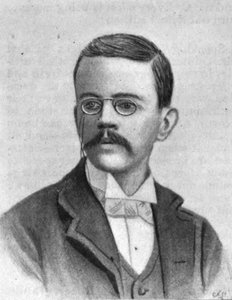
Henry Thomas Dawson
1844 - 1878 , Reino Unido
Datos clave
- Artistic Movement Or Style: Pintura de paisajes marinos
- Artists Or Movements Influenced By This Artist: ['Romanticismo']
- Artists Who Influenced This Artist: ['Turner']
- Date Of Birth: 1842
- Full Name: Henry Thomas Dawson
- Nationality: Británico
- Notable Artworks:
- El Puerto al atardecer
- Londres al amanecer
- Place Of Birth: Hull, Reino Unido
Artículos relacionados
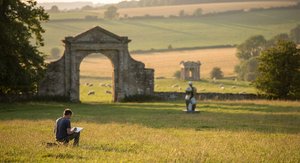
Idyllic Visions: Exploring the Pastoral Scene in Art History – From Arcadia to Modern Interpretations
Explore the captivating history of pastoral art from classical Arcadia to modern masterpieces. Discover key artists like Millet & Cole at ArtsDot. Find serene landscape paintings for your home.

John Constable: Las 25 Obras Maestras del Paisaje Inglés | ArtsDot
Descubre las 25 obras maestras de John Constable, el pintor romántico inglés que capturó la belleza del paisaje. Explora su técnica, historia y significado en ArtsDot.com. Reproducciones de arte de alta calidad para tu hogar.
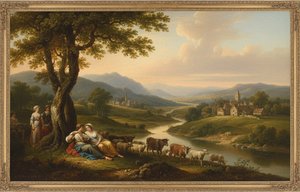
Idyllic Visions: Exploring the Pastoral Tradition in Western Art – Themes, Techniques & Enduring Appeal
Explore the rich history of pastoral art from classical Arcadia to contemporary interpretations. Discover key artists, themes & collecting tips at ArtsDot.
Serene Visions: Exploring Themes of Tranquility in Art History & Contemporary Practice
Explore the history of serene landscape art & discover artists who evoke tranquility. Find the perfect calming artwork for your home with expert guidance from ArtsDot.
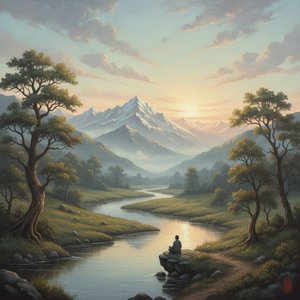
Evoking Tranquility: A Comprehensive Exploration of Serene Landscapes in Art History
Explore the history of serene landscapes in art! Discover renowned artists like Monet & Munch, movements from Impressionism to Tonalism, and find the perfect piece to bring tranquility to your home. Expert insights at ArtsDot.

