 Ver en contexto
 Enviar
 Compartir
 Detalles

 Descargar
 Similares
 Radiografía
 Presentación de diapositivas
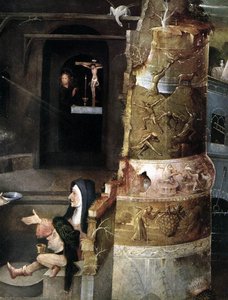
St. John the Baptist in Meditation


 Ver más
Reproducción al óleo hecha a mano
Óleo sobre lienzo pintado a mano en el tamaño y marco de su elección, realizado por encargo por nuestros artistas. ( Comprar impresión Comprar imagen)




P118B $10

P118H $10

P118W $10

P438Z $10

P508JH $12

P508YH $12

P805H $10

P805Z $10

P919BZ $10

P919G $10

P919XJ $10

P959ZH $10

P968JZ $12

W106C $8

W218G $10

W218JH $8

W218Y $10

W307PJ $10

W316G $10

W316PJ $8

W316Y $10

W398PJ $8

W4111J $10

W500HY $15

W500JH $15

W692G $12

W849H $8

W940BG $15

W953PJ $8




Elija entre nuestros tamaños predefinidos que respetan las proporciones originales de la obra.

Puede ingresar sus propias dimensiones para adaptarse a un marco o espacio específico. Si el tamaño seleccionado no coincide con las proporciones de la imagen original, recortaremos la obra o extenderemos la pintura con elementos adicionales pintados a mano. Se le enviará una maqueta digital para su aprobación antes de comenzar la producción.
Tenga en cuenta que la vista previa en pantalla no refleja el recorte o la extensión reales. Solo la maqueta mostrará con precisión la composición final.
Si bien existen tamaños personalizados, recomendamos seleccionar una dimensión de la lista predefinida para preservar las proporciones originales.
Tras realizar el pedido, el equipo de ArtsDot.com enviará un correo electrónico al cliente para solicitar instrucciones y proporcionarle una vista previa del boceto.
Envío a todo el mundo () en 3-4 semanas en lugar de las 5 semanas estándar. (22 agosto). Sin comprometer la calidad.

Envío exprés gratuito a todo el mundo

Lienzo de lino de alta calidad

Seguro de envío total

Garantía de reembolso de impuestos aduaneros

Garantía de fidelidad cromática exacta

Política de devolución de 60 días (solo por defectos)

Garantía de devolución del 100% del dinero

Descuento por cantidad
 La opción de vidrio solo está disponible en tamaños inferiores a 110 cm.

St. John the Baptist in Meditation
Técnica de reproducción
Dimensiones de la reproducción
-


Precio total final
$ 263
Descripción de la obra
A Portrait of Inner Reflection: Exploring Hieronymus Bosch’s St. John the Baptist in Meditation
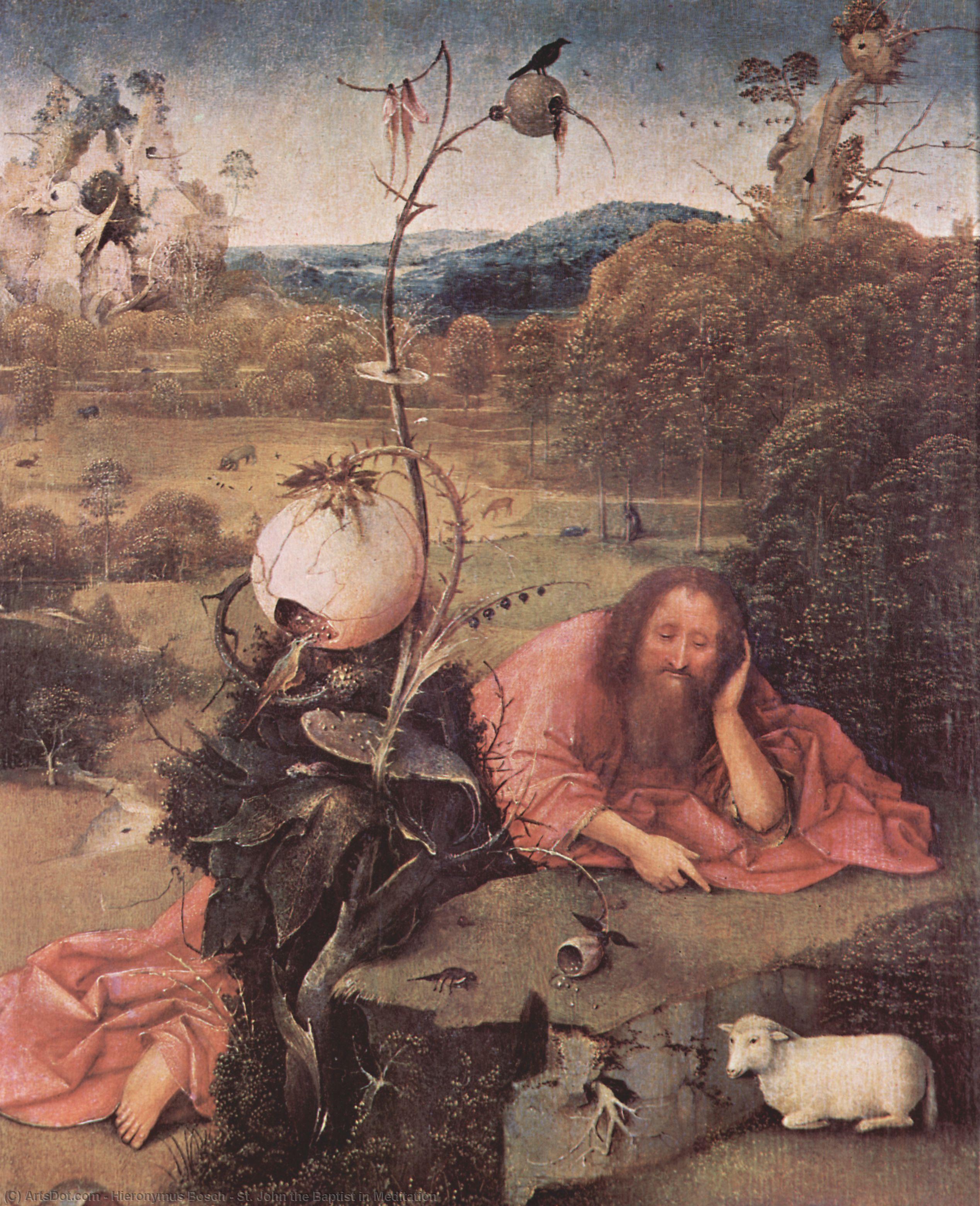
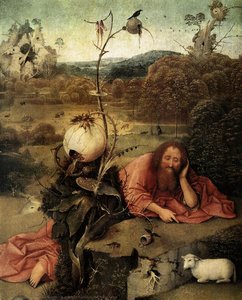
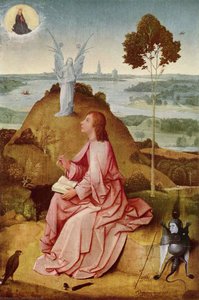
The painting “St. John the Baptist in Meditation,” attributed to Hieronymus Bosch, stands as a haunting testament to the artist's unparalleled ability to distill profound psychological and spiritual contemplation into visual form. Executed around 1499, this enigmatic artwork transcends mere depiction; it invites viewers into a realm of unsettling beauty and symbolic complexity—a characteristic hallmark of Bosch’s oeuvre.The Landscape Backdrop: A Symbol of Tranquility Amidst Chaos
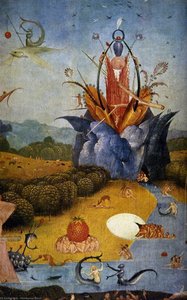
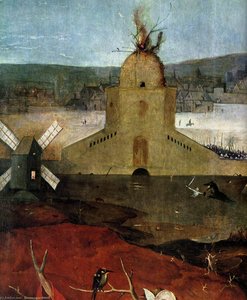
Bosch's masterful use of landscape serves as more than just an aesthetic element; it functions as a deliberate counterpoint to the figure’s internal state. The depiction of rolling hills dotted with trees and distant mountains establishes a serene panorama—a visual respite from the anxieties simmering beneath the surface. However, this tranquility is subtly undermined by the inclusion of birds circling overhead and a sheep grazing peacefully in the lower right corner. These animals are not merely decorative additions; they represent fertility, innocence, and the cyclical rhythms of nature – themes frequently explored by Bosch to juxtapose against the contemplative figure’s inner turmoil.A Technique Rooted in Detail: Bosch's Obsessive Precision
Bosch’s artistic technique is instantly recognizable for its meticulous attention to detail. Employing oil paint on panel—a relatively new medium at the time—he achieved astonishing realism within a fantastical framework. The artist painstakingly rendered textures, capturing the rough bark of trees and the soft fleece of the sheep with remarkable accuracy. Yet, this realism is tempered by Bosch’s penchant for incorporating bizarre and unsettling imagery – elements that defy easy categorization and contribute to the painting's pervasive sense of unease. Consider the birds: their feathers are meticulously depicted, yet they appear strangely motionless, almost as if frozen in time—a visual paradox mirroring St. John’s meditative stillness.Historical Context: The Shadow of Late Medieval Anxiety
“St. John the Baptist in Meditation” emerged during a period marked by significant social and religious upheaval in Europe. The Renaissance was gaining momentum, challenging established dogma and fostering humanist ideals, but simultaneously, anxieties surrounding mortality, sin, and divine judgment persisted. Bosch’s art reflects this duality—a fascination with both earthly beauty and demonic terror. He drew heavily upon folklore and biblical symbolism, weaving together familiar motifs into disturbing narratives that probed the darkest recesses of human psychology. The painting speaks to a broader cultural preoccupation with confronting existential questions and acknowledging the inescapable presence of evil within the human condition.Emotional Resonance: Confronting Silence and Uncertainty
Ultimately, “St. John the Baptist in Meditation” succeeds in conveying an emotional depth rarely achieved by artists of his time. The figure’s posture—head resting on hand—communicates a profound sense of solitude and introspection. There is no outward expression of emotion; instead, we are invited to contemplate St. John's inner world—a realm populated by anxieties and uncertainties that resonate powerfully with viewers today. Bosch compels us to confront the uncomfortable truth that true understanding comes not from seeking answers but from accepting the inherent ambiguity of existence. This enduring image continues to captivate audiences because it captures a timeless human experience: the yearning for stillness amidst the chaos of life, and the unsettling beauty of confronting one’s own inner demons.Obras relacionadas
Biografía del artista
vida y carrera
Hieronymus Bosch, un pintor holandés/niederlandés destacado de Brabante, nació alrededor de 1450 en ‘s-Hertogenbosch, Países Bajos. Su vida permanece envuelta en misterio, con solo unos pocos registros de su existencia. A pesar de la falta de información biográfica, el arte de Bosch ha tenido un impacto profundo en el arte europeo del norte, particularmente en el siglo XVI.estilo artístico e influencias
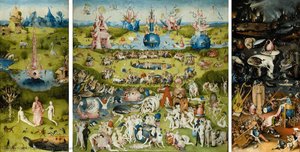
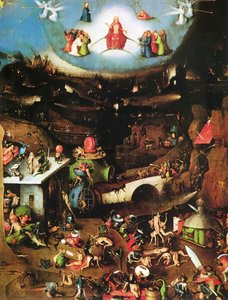
El estilo único de Bosch, caracterizado por **representaciones surrealistas e imaginativas de temas religiosos**, ha sido ampliamente influyente. Sus pinturas al óleo sobre madera, a menudo que presentan **visiones inquietantes y de pesadilla del infierno**, han sido objeto de numerosas interpretaciones. El Triptico del Juicio Final (c. 1480-1490) y el Jardín de las Delicias (c. 1490-1510) son dos de sus obras más celebradas, que muestran su maestría en el medio.obras notables y colecciones
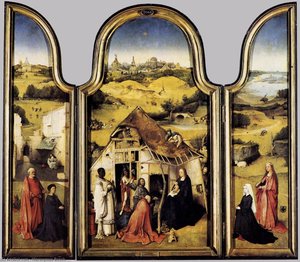
* Ascenso de los Benditos (renacimiento del norte, óleo sobre tabla): un ejemplo raro del trabajo de Bosch, que presenta una escena onírica y otrosa. * Epifanía (c. 1495, Museo Prado, Madrid): Un triptico que demuestra el uso innovador de óleo sobre madera por parte de Bosch. * Cabeza de un Halbedero (Museo Prado, Madrid): Un buen ejemplo de la pintura al óleo de retrato de Bosch, que muestra su atención al detalle.museos y colecciones que exhiben el trabajo de Bosch
* El Museo Prado, Madrid: Hogar de algunas de las obras más famosas de Bosch, incluyendo la Epifanía y el Triptico del Juicio Final. * El Museo de Arte de Filadelfia, Filadelfia: Presenta una versión de la Epifanía, ofreciendo una perspectiva única sobre el estilo artístico de Bosch.- Explore más obras de Hieronymus Bosch en https://ArtsDot.com/@/hieronymus-bosch
- Descubra el movimiento del arte flamenco temprano y sus figuras clave, incluyendo a Jan van Eyck y Pieter Bruegel el Viejo, en https://ArtsDot.com/@@/a@d3cpaf-the-erly-netherlandish-art-movement
- Aprenda más sobre la vida y obra de Pieter Bruegel el Viejo en https://en.wikipedia.org/wiki/pieter_bruegel_the_elder
legado
El estilo enigmático de Hieronymus Bosch ha cautivado a los entusiastas del arte durante siglos, y su influencia aún se puede ver en la obra de numerosos artistas. Su combinación única de **surrealismo e ideas profundas sobre la condición humana** ha solidificado su lugar como maestro de la pintura flamenco.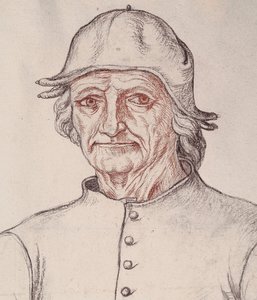
Jerónimo Bosch
1450 - 1516 , Países Bajos
Datos clave
- Artistas Influenciados: ['Pieter Bruegel el Viejo']
- Fecha De Muerte: 1516
- Fecha De Nacimiento: c. 1450
- Lugar De Nacimiento: 's-Hertogenbosch, Países Bajos
- Movimiento Artístico: Primitivos Flamencos
- Nacionalidad: Holandés
- Nombre Completo: Jerónimo Bosch
- Obras Notables:
- El Jardín de las Delicias
- Tríptico del Juicio Final
- Ascenso de los Benditos
- Epifanía
Artículos relacionados

John Constable: Las 25 Obras Maestras del Paisaje Inglés | ArtsDot
Descubre las 25 obras maestras de John Constable, el pintor romántico inglés que capturó la belleza del paisaje. Explora su técnica, historia y significado en ArtsDot.com. Reproducciones de arte de alta calidad para tu hogar.
Hieronymus Bosch: Las 25 Obras Maestras del Genio Medieval | Arte y Decoración
Descubre las 25 obras maestras de Hieronymus Bosch, el enigmático pintor medieval. Explora 'El Jardín de las Delicias' y su simbolismo único. Reproducciones de arte de alta calidad para tu hogar en ArtsDot.com.

John Singer Sargent: Las 25 Obras Maestras del Retrato y la Belle Époque | ArtsDot
Descubre las 25 obras maestras de John Singer Sargent, el maestro del retrato y la Belle Époque. Explora su técnica impresionista, historias fascinantes y encuentra reproducciones de arte exclusivas para decorar tu hogar con elegancia en ArtsDot.com.

Paisajes Románticos: 10 Obras Maestras que Definieron un Movimiento Artístico
Descubre los 10 paisajes románticos más influyentes de artistas como Caspar David Friedrich y Turner. Explora la belleza, el simbolismo y las técnicas del movimiento romántico. Reproducciones de arte exclusivas en ArtsDot.com.

Las 10 Obras Maestras del Alto Medieval: Arte, Historia y Decoración Exclusiva
Descubre las 10 obras maestras del Alto Medieval. Explora la historia, el simbolismo y la belleza de la pintura románica y gótica. Reproducciones exclusivas en ArtsDot.com para decorar tu hogar con arte atemporal.