

 Ver en contexto
 Enviar
 Compartir
 Detalles

 Descargar
 Similares
 Radiografía
 Presentación de diapositivas
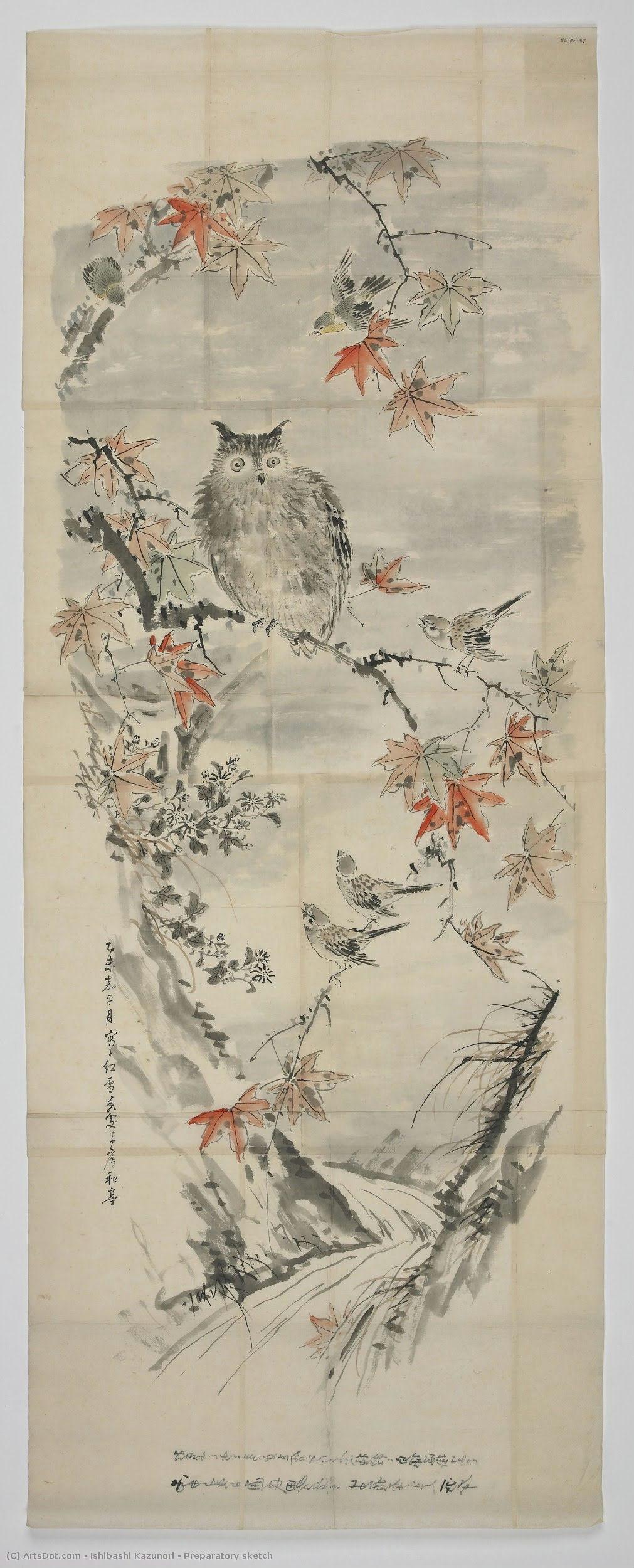
Preparatory sketch
 Watercolor
- WallArt
- Japanese Painting
 19th Century
 32.0 x 50.0 cm
 National Museums Liverpool
 Ver más
Reproducción al óleo hecha a mano
Óleo sobre lienzo pintado a mano en el tamaño y marco de su elección, realizado por encargo por nuestros artistas. ( Comprar impresión Comprar imagen)




P118B $10

P118H $10

P118W $10

P438Z $10

P508JH $12

P508YH $12

P805H $10

P805Z $10

P919BZ $10

P919G $10

P919XJ $10

P959ZH $10

P968JZ $12

W106C $8

W218G $10

W218JH $8

W218Y $10

W307PJ $10

W316G $10

W316PJ $8

W316Y $10

W398PJ $8

W4111J $10

W500HY $15

W500JH $15

W692G $12

W849H $8

W940BG $15

W953PJ $8




Elija entre nuestros tamaños predefinidos que respetan las proporciones originales de la obra.

Puede ingresar sus propias dimensiones para adaptarse a un marco o espacio específico. Si el tamaño seleccionado no coincide con las proporciones de la imagen original, recortaremos la obra o extenderemos la pintura con elementos adicionales pintados a mano. Se le enviará una maqueta digital para su aprobación antes de comenzar la producción.
Tenga en cuenta que la vista previa en pantalla no refleja el recorte o la extensión reales. Solo la maqueta mostrará con precisión la composición final.
Si bien existen tamaños personalizados, recomendamos seleccionar una dimensión de la lista predefinida para preservar las proporciones originales.
Tras realizar el pedido, el equipo de ArtsDot.com enviará un correo electrónico al cliente para solicitar instrucciones y proporcionarle una vista previa del boceto.
Envío a todo el mundo () en 3-4 semanas en lugar de las 5 semanas estándar. (5 septiembre). Sin comprometer la calidad.

Envío exprés gratuito a todo el mundo

Lienzo de lino de alta calidad

Seguro de envío total

Garantía de reembolso de impuestos aduaneros

Garantía de fidelidad cromática exacta

Política de devolución de 60 días (solo por defectos)

Garantía de devolución del 100% del dinero

Descuento por cantidad
 La opción de vidrio solo está disponible en tamaños inferiores a 110 cm.

Preparatory sketch
Técnica de reproducción
Dimensiones de la reproducción
-


Precio total final
-
Ishibashi Kazunori: Bridging Tradition and Innovation in Japanese Landscape Painting
Ishibashi Kazunori (石橋 和訓; 1876–1928) stands as a pivotal figure in the late Meiji era’s artistic landscape, embodying a remarkable synthesis of Western influences—particularly Yōga—with the enduring traditions of Nihonga. Born in Shimane Prefecture, he embarked on an ambitious journey to master both styles, ultimately achieving renown for his evocative depictions of nature and his masterful execution of ink wash techniques. His legacy continues to inspire artists today, cementing his place as one of Japan’s most celebrated painters.Early Life and Artistic Influences
Kazunori's formative years were marked by a deep immersion in the teachings of Taki Katei, a prominent proponent of Yōga—the Western style of painting championed during Japan’s modernization process. This exposure instilled in him an appreciation for bold color palettes and expressive brushstrokes, characteristics distinctly absent from earlier Nihonga traditions. However, Kazunori recognized that true artistic advancement demanded embracing the richness of Japanese aesthetics, propelling him to study at the Royal Academy Schools in London where he honed his skills alongside fellow artists like Bernard Leach. This transatlantic exchange profoundly shaped his artistic vision.A Unique Synthesis: Yōga and Nihonga Combined
Kazunori’s distinctive style emerged from a deliberate effort to reconcile these seemingly disparate influences. He skillfully navigated the complexities of both Yōga and Nihonga, creating artworks that transcended stylistic boundaries while retaining an unmistakable Japanese sensibility. Unlike many artists of his time who adhered rigidly to one tradition, Kazunori sought to capture the essence of nature—particularly birds and flowering branches—through a nuanced blend of Western color theory and Eastern compositional principles. This approach resulted in paintings imbued with both vibrancy and serenity, reflecting the profound connection between artist and subject.“Woman Reading Poetry”: A Masterpiece Defined
Perhaps Kazunori’s most enduring achievement is “Woman Reading Poetry,” currently housed at the Shimane Art Museum. Considered his magnum opus by critics and scholars alike, this portrait exemplifies Kazunori's ability to convey emotion through subtle detail and masterful brushwork. The subject—a woman absorbed in literature—was modeled after an English actress, a deliberate choice that underscores Kazunori’s engagement with Western artistic conventions. Yet, the painting retains a distinctly Japanese aesthetic quality, achieved through meticulous observation of light and shadow and a restrained palette dominated by muted earth tones. It stands as a testament to Kazunori's unwavering commitment to capturing the human spirit within the framework of traditional Japanese art.Symbolism and Emotional Resonance
The imagery employed in Kazunori’s paintings resonates with deep symbolic significance rooted in Buddhist cosmology and Confucian philosophy. Birds, frequently depicted in Nihonga landscapes, symbolize freedom, longevity, and auspicious fortune—themes central to Japanese cultural heritage. Similarly, flowering branches evoke notions of beauty, renewal, and the cyclical rhythms of nature. Kazunori's artworks invite contemplation on these profound concepts, fostering a sense of harmony between humanity and the natural world. They are not merely representations of scenery; they are expressions of inner reflection and spiritual aspiration—qualities that continue to captivate audiences worldwide.Technique and Materials: The Art of Ink Wash
Kazunori’s technique exemplifies the mastery of ink wash painting (墨絵), a cornerstone of Nihonga tradition. He employed thin washes of ink layered upon one another with painstaking precision, utilizing brushes of varying sizes and shapes to achieve remarkable textural effects. Careful attention was paid to capturing subtle gradations of tone—a hallmark of Japanese landscape art—creating images that shimmer with luminosity and depth. The artist’s meticulous approach ensured that every stroke conveyed a sense of deliberate intention, reflecting the profound respect for nature inherent in Nihonga aesthetics. This dedication to craft elevates Kazunori's paintings beyond mere visual spectacle, transforming them into enduring symbols of artistic excellence.Obras relacionadas
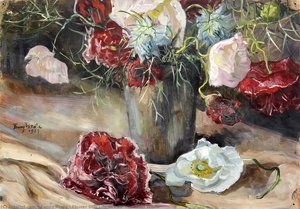
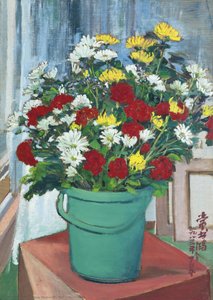
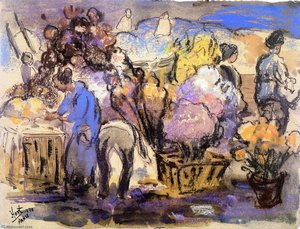
Biografía del artista
Ishibashi Kazunori: Un Puente Entre la Tradición y la Modernidad
Juventud e Inicio de su Carrera Artística
Ishibashi Kazunori (también conocido como Ishibashi Wakun, nombre artístico Gyūgagen) nació en Japón en 1876 y falleció en 1928. Los detalles sobre su vida temprana son algo escasos, pero se sabe que inicialmente se sumergió en el estudio de las técnicas tradicionales de la pintura japonesa. Sin embargo, pronto fue cautivado por un creciente interés en Yōga, el estilo de pintura influenciado por el arte occidental. Este cambio decisivo marcó el comienzo de su exploración para combinar las normas artísticas establecidas con enfoques innovadores.Desarrollo Artístico y Estilo
El viaje artístico de Ishibashi se caracterizó por una síntesis única de la estética japonesa tradicional y las técnicas de pintura occidentales. Hizo con destreza frente a las complejidades tanto del Yōga como del estilo Nihonga, creando obras que eran distintivamente suyas. Su estilo es fácilmente identificable por el uso de colores audaces, pinceladas expresivas y una atención cuidadosa al detalle. A menudo representaba mujeres hermosas, paisajes y composiciones de bodegones. Además, demostró un entendimiento innovador de la perspectiva y el sombreado, añadiendo profundidad y dimensión a sus pinturas.Obras Notables y Logros
Entre las obras más celebradas de Ishibashi Kazunori se encuentran “Mujer Leyendo Poesía” y “Diseño para un Fan.” “Mujer Leyendo Poesía,” que actualmente alberga el Museo de Arte Shimane, es ampliamente considerada su obra maestra. Se dice que fue modelada después de una actriz inglesa y ha sido designada como propiedad cultural prefectural de Shimane. Las diversas iteraciones de “Diseño para un Fan” demuestran su maestría en capturar la esencia de las formas artísticas tradicionales japonesas dentro de un contexto moderno. Su uso de pigmentos minerales y materiales orgánicos sobre seda o papel contribuyó a la textura y los paletas de colores únicos que se encuentran en todo su obra.Influencias y Legado
Si bien las influencias específicas no están ampliamente documentadas, el trabajo de Ishibashi Kazunori demuestra claramente una participación con la herencia artística japonesa y los estilos de pintura occidentales prevalecientes durante su tiempo. Su enfoque innovador tuvo un impacto significativo en el desarrollo del arte japonés, inspirando a generaciones posteriores de artistas. Notablemente, Kishida Ryūsei, conocido por sus retratos realistas de estilo Yōga, estaba entre aquellos influenciados por las técnicas y la visión artística de Ishibashi.Significado Histórico
Ishibashi Kazunori ocupa una posición crucial en la historia del arte japonés como un artista que con éxito cerró la brecha entre la tradición y la modernidad. Su capacidad para sintetizar los estilos Yōga y Nihonga creó una estética única que resonó con sus contemporáneos y continúa inspirando a los artistas de hoy en día. El Museo de Arte Murauchi en Tokio alberga una impresionante colección de sus obras, sirviendo como testimonio de su versatilidad artística y su perdurable legado. Sigue siendo una figura significativa para aquellos que estudian la evolución de la pintura japonesa durante los períodos Meiji y Taisho.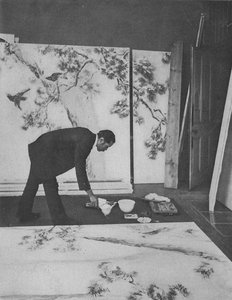
Ishibashi Kazunori
1876 - 1928 , Japón
Datos clave
- Artistic Movement Or Style: Yōga y Nihonga
- Artists Or Movements Influenced By This Artist: ['Kishida Ryūsei']
- Artists Who Influenced This Artist: ['Taki Katei']
- Date Of Birth: 1876
- Full Name: Ishibashi Kazunori
- Nationality: Japanese
- Notable Artworks:
- Mujer Leyendo Poesía
- Diseño para un Fan
- Place Of Birth: Shimane Prefecture
Artículos relacionados
Ephemeral Expressions: Exploring the Nuances of Ink on Paper Through History & Contemporary Art
Explore the captivating world of ink wash painting – from its ancient origins to contemporary masters. Discover techniques, symbolism & conservation insights with ArtsDot.com.
The Beauty of Ink Wash: Discover Serene & Soulful Art for Your Home
Discover the tranquil beauty of ink wash painting. Explore how Sumi-e and monochrome landscapes bring Zen-inspired serenity and soulful elegance to your home decor through expert curation and timeless East Asian aesthetics.

Crimson Threads of Narrative: Exploring Symbolism & Representation in Artworks Featuring the Red Dress
Explore the rich symbolism of the red dress in art history! From ancient power displays to iconic portraits like Cézanne’s 'Madame Cezanne', discover the cultural and artistic significance behind this captivating color. Expert analysis & insights.

Ephemeral Lines: Exploring Emotional Resonance in Ink Sketching Traditions
Explore the profound art of ink sketching! Discover techniques to express emotion, master line work, and cultivate artistic sensitivity. Learn from historical masters & unlock your creative potential.
Blossoming Symbolism: A Historical Journey Through Flowers in Western Painting
Explore the rich history of flower symbolism in Western painting! Discover how artists from the Renaissance to Modernism used blossoms to convey meaning, emotion & beauty. Learn about iconic artworks and movements.



