

 Ver en contexto
 Enviar
 Compartir
 Detalles

 Descargar
 Similares
 Radiografía
 Presentación de diapositivas
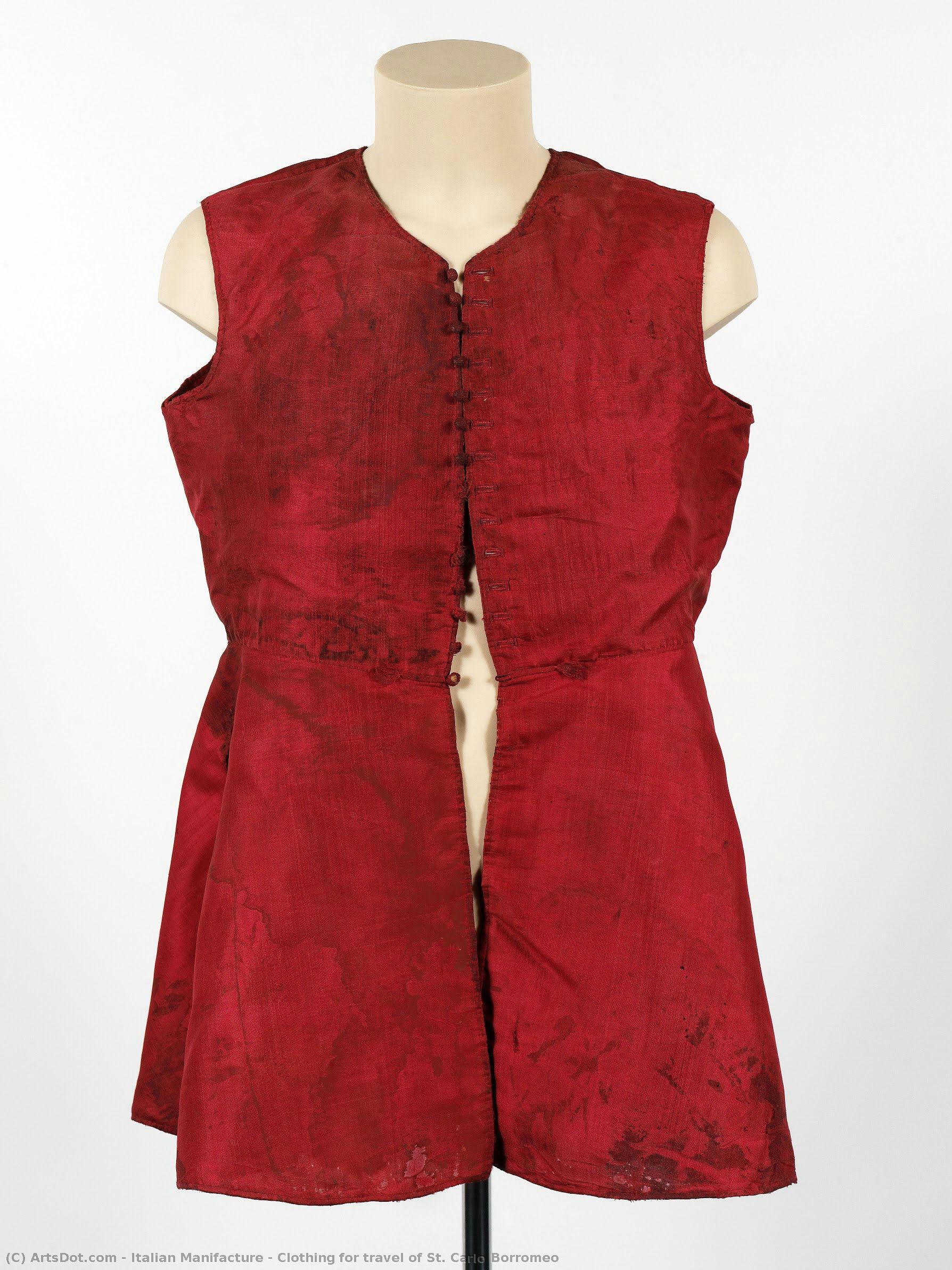
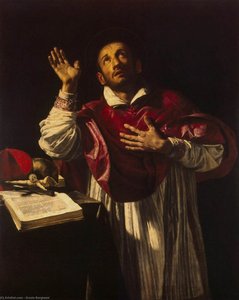
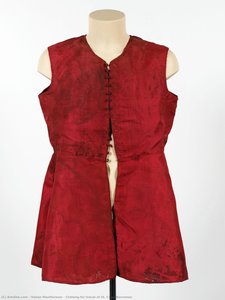
Clothing for travel of St. Carlo Borromeo


 Ver más
Reproducción al óleo hecha a mano
Óleo sobre lienzo pintado a mano en el tamaño y marco de su elección, realizado por encargo por nuestros artistas. ( Comprar impresión Comprar imagen)




































Elija entre nuestros tamaños predefinidos que respetan las proporciones originales de la obra.

Puede ingresar sus propias dimensiones para adaptarse a un marco o espacio específico. Si el tamaño seleccionado no coincide con las proporciones de la imagen original, recortaremos la obra o extenderemos la pintura con elementos adicionales pintados a mano. Se le enviará una maqueta digital para su aprobación antes de comenzar la producción.
Tenga en cuenta que la vista previa en pantalla no refleja el recorte o la extensión reales. Solo la maqueta mostrará con precisión la composición final.
Si bien existen tamaños personalizados, recomendamos seleccionar una dimensión de la lista predefinida para preservar las proporciones originales.
Tras realizar el pedido, el equipo de ArtsDot.com enviará un correo electrónico al cliente para solicitar instrucciones y proporcionarle una vista previa del boceto.
Envío a todo el mundo () en 3-4 semanas en lugar de las 5 semanas estándar. (31 agosto). Sin comprometer la calidad.

Envío exprés gratuito a todo el mundo

Lienzo de lino de alta calidad

Seguro de envío total

Garantía de reembolso de impuestos aduaneros

Garantía de fidelidad cromática exacta

Política de devolución de 60 días (solo por defectos)

Garantía de devolución del 100% del dinero

Descuento por cantidad
 La opción de vidrio solo está disponible en tamaños inferiores a 110 cm.

Clothing for travel of St. Carlo Borromeo
Técnica de reproducción
Dimensiones de la reproducción
-


Precio total final
$ 263
Obras relacionadas
![Leyenda De San Francisco - [23] - San Francisco Lamentado Por Santa Clara — Giotto Di Bondone, Gótico](/media/artworks/images-thumb/17/1c/171c284c41dc3ef8bca83e51c1e1e531.jpg)


Biografía del artista
The Soul of the Renaissance: The Legacy of Italian Manufacture
To speak of Italian manufacture is to evoke much more than a mere method of production; it is to invoke a profound era of artistic devotion that served as the very cornerstone of European culture. During the height of the Renaissance, this approach to artistry transformed the Italian peninsula into a living laboratory of beauty, where the boundary between artisan and master was perpetually blurred. Originating in the vibrant, humanist atmosphere of Florence, this tradition prioritized a meticulous, handcrafted excellence that sought to breathe life into raw materials. Whether it was the cold weight of Carrara marble or the delicate weave of silk, the goal remained singular: to transform the physical world into something breathtakingly sophisticated and eternally significant.
The genesis of this movement can be traced back to the burgeoning artistic fervor found in Florence under the transformative patronage of Lorenzo de’ Medici. Driven by a rediscovered passion for classical antiquity, artisans began to look backward to the triumphs of Roman sculpture and architecture to find the path forward. This era was defined by an intense study of proportion, human form, and the subtle interplay of light and shadow. The development of these techniques was not merely technical but deeply philosophical, as craftsmen sought to mirror the divine order through their physical labors.
Mastery of Form and Technique
As the tradition matured, it manifested in diverse disciplines, each pushing the boundaries of what was thought possible with human hands. In the realm of sculpture, the pursuit of unparalleled realism reached its zenith as masters perfected the art of marble carving, using precise chisel work and masterful polishing to achieve a lifelike softness in stone. Simultaneously, the world of painting underwent a revolution through techniques such as sfumato, where subtle gradations of tone allowed artists to capture atmospheric perspective and deep, resonant emotion with remarkable subtlety.
Beyond the canvas and the stone, the reach of Italian craftsmanship extended into the very fabric of daily life:
- Textile Production: Florentine weavers created sumptuous fabrics adorned with intricate patterns inspired by both nature and mythology, utilizing complex dyes derived from rare plants and minerals to achieve a vibrant, lasting color.
- Glassmaking: In Venice, the evolution of furnace technology led to the creation of glass of unparalleled brilliance, a feat of chemical experimentation and artistic vision.
- Metalworking: Throughout cities like Milan, artisans excelled in producing ornate furnishings and sculptures embellished with gold leaf and enamel, reflecting the growing wealth and cultural prestige of the Italian states.
A Lasting Historical Significance
The spread of these manufacturing traditions across the Italian peninsula created a unified cultural language that would eventually influence the entire Western world. From the epicenter of Florence, the ripples of innovation moved through the trade routes of Venice and the industrial workshops of Milan, establishing a standard of excellence that defined the Italian spirit for centuries. This era of craftsmanship was not merely about the creation of objects, but about the elevation of the human experience through the pursuit of perfection.
Today, the legacy of this period remains etched into the very architecture and art collections that define Italy's heritage. The meticulous skill developed during the Renaissance continues to inspire modern appreciation for the handmade, reminding us of a time when every stroke of a brush and every strike of a hammer was an act of devotion to beauty. The history of Italian manufacture is, ultimately, a testament to the enduring power of human creativity and the profound impact of a culture dedicated to the mastery of its craft.
italian manifacture
Italy
Datos clave
- Artistic Movement Or Style: Renaissance craftsmanship
- Artists Or Movements Influenced By This Artist: ['']
- Artists Who Influenced This Artist: ['']
- Full Name: italian manifacture
- Nationality: Italian
- Notable Artworks: ['']
- Place Of Birth: Italy
Artículos relacionados

Las 10 Obras Maestras del Alto Medieval: Arte, Historia y Decoración Exclusiva
Descubre las 10 obras maestras del Alto Medieval. Explora la historia, el simbolismo y la belleza de la pintura románica y gótica. Reproducciones exclusivas en ArtsDot.com para decorar tu hogar con arte atemporal.

Woven Wonders: A Beginner's Guide to Elevating Your New Home with Timeless Textile Art
Discover how to transform your new home with the warmth of textile art. Our expert guide for newlyweds explores handwoven tapestries, tactile fibers, and timeless ways to curate a soulful, sophisticated interior through beautiful woven wonders.
Carlo Carrà: Futurist Visions & Metaphysical Transformations in Early 20th-Century Italian Painting
Explore the artistic journey of Carlo Carrà, a pivotal figure in Italian Futurism & Metaphysical painting. Discover his dynamic compositions, collaborations with de Chirico, and lasting influence on modern art history.
10 Obras Maestras Medievales que Definen el Arte (y tu Hogar)
Descubre 10 obras maestras del arte medieval, desde Duccio a Van Eyck. Explora la historia, simbolismo y belleza de Giotto, Simone Martini y más. Encuentra reproducciones de alta calidad para decorar tu hogar en ArtsDot.com.

El Greco: Las 25 Obras Maestras que Definen un Genio del Arte y la Fe
Descubre las 25 obras maestras de El Greco, el genio del Renacimiento español. Explora su arte religioso, manierismo y la historia detrás de cuadros icónicos como 'El Entierro del Conde de Orgaz'. Encuentra reproducciones de alta calidad en ArtsDot.com.

