 Ver en contexto
 Enviar
 Compartir
 Detalles

 Descargar
 Similares
 Radiografía
 Presentación de diapositivas
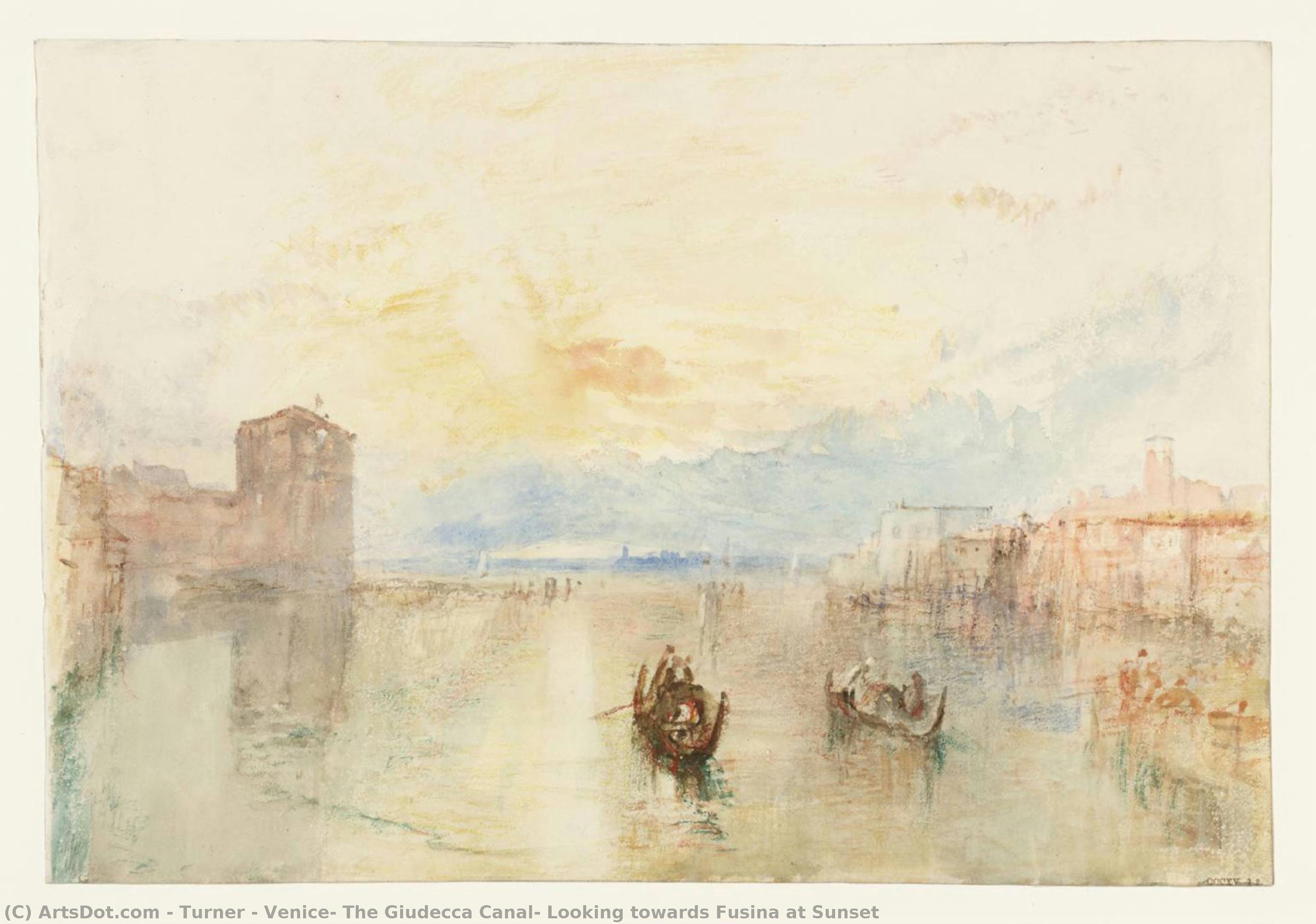
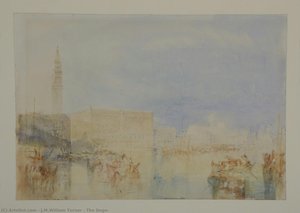
Venice: The Giudecca Canal, Looking towards Fusina at Sunset
 Acuarela
- Arte de pared
- Romantic Landscape
 22.0 x 32.0 cm
 Tate Britain
 Ver más
Reproducción al óleo hecha a mano
Óleo sobre lienzo pintado a mano en el tamaño y marco de su elección, realizado por encargo por nuestros artistas. ( Comprar impresión Comprar imagen)




P118B $10

P118H $10

P118W $10

P438Z $10

P508JH $12

P508YH $12

P805H $10

P805Z $10

P919BZ $10

P919G $10

P919XJ $10

P959ZH $10

P968JZ $12

W106C $8

W218G $10

W218JH $8

W218Y $10

W307PJ $10

W316G $10

W316PJ $8

W316Y $10

W398PJ $8

W4111J $10

W500HY $15

W500JH $15

W692G $12

W849H $8

W940BG $15

W953PJ $8




Elija entre nuestros tamaños predefinidos que respetan las proporciones originales de la obra.

Puede ingresar sus propias dimensiones para adaptarse a un marco o espacio específico. Si el tamaño seleccionado no coincide con las proporciones de la imagen original, recortaremos la obra o extenderemos la pintura con elementos adicionales pintados a mano. Se le enviará una maqueta digital para su aprobación antes de comenzar la producción.
Tenga en cuenta que la vista previa en pantalla no refleja el recorte o la extensión reales. Solo la maqueta mostrará con precisión la composición final.
Si bien existen tamaños personalizados, recomendamos seleccionar una dimensión de la lista predefinida para preservar las proporciones originales.
Tras realizar el pedido, el equipo de ArtsDot.com enviará un correo electrónico al cliente para solicitar instrucciones y proporcionarle una vista previa del boceto.
Envío a todo el mundo () en 3-4 semanas en lugar de las 5 semanas estándar. (30 agosto). Sin comprometer la calidad.

Envío exprés gratuito a todo el mundo

Lienzo de lino de alta calidad

Seguro de envío total

Garantía de reembolso de impuestos aduaneros

Garantía de fidelidad cromática exacta

Política de devolución de 60 días (solo por defectos)

Garantía de devolución del 100% del dinero

Descuento por cantidad
 La opción de vidrio solo está disponible en tamaños inferiores a 110 cm.

Venice: The Giudecca Canal, Looking towards Fusina at Sunset
Técnica de reproducción
Dimensiones de la reproducción
-


Precio total final
$ 288
A Sunset Symphony on Canvas: J.M.W. Turner’s Venice
Joseph Mallord William Turner's "Venice: The Giudecca Canal, Looking towards Fusina at Sunset" isn’t merely a depiction of a Venetian scene; it’s an immersive experience, a fleeting moment captured in watercolor and imbued with the very essence of Romanticism. Painted around 1840, during a period when Turner was increasingly focused on atmospheric effects rather than precise representation, this work transports us to the heart of Venice, offering a glimpse into its tranquil beauty as twilight descends. The painting’s power lies not just in its subject matter – a canal bathed in the warm hues of a setting sun – but in Turner's masterful manipulation of light and color, creating an atmosphere that is both intensely vibrant and profoundly melancholic.
Turner was deeply fascinated by light, considering it the primary subject of his art. He sought to capture not just what he saw, but how he *felt* about a scene, translating those emotions onto canvas with remarkable skill. In this piece, he employs an almost Impressionistic technique, utilizing loose, broken brushstrokes and layering washes of color to build up the image gradually. The absence of sharp lines contributes significantly to the painting’s dreamlike quality, blurring the boundaries between reality and imagination. The composition itself is carefully considered; the receding canal draws the eye towards the distant Fusina, creating a sense of depth and vastness that mirrors the emotional scope of the scene.
Decoding the Palette: Color as Emotion
The color palette is undeniably central to the painting’s impact. Turner eschews traditional realism, opting instead for a symphony of muted blues, grays, and ochres – the dominant tones reflecting the fading light of the setting sun. These cool hues are punctuated by flashes of warm orange and yellow, particularly in the reflections on the water, creating a dynamic interplay between darkness and illumination. The artist doesn’t simply record colors; he uses them to evoke mood and atmosphere. The deep blues suggest the mystery and timelessness of Venice, while the warmer tones hint at the fleeting beauty of the moment.
Notably, Turner utilizes a technique known as ‘atmospheric perspective,’ subtly lightening and desaturating objects in the distance – Fusina, for example – to create an illusion of depth. This isn’t about accurate scale; it's about conveying the way our eyes perceive distance in natural light, lending the scene a palpable sense of space and airiness. The subtle gradations of color and tone contribute to this effect, drawing the viewer into the painting’s immersive world.
Symbolism and Romantic Longing
Beyond its technical brilliance, “Venice: The Giudecca Canal” is rich in symbolic meaning. Venice itself has long been associated with romance, mystery, and a sense of fading grandeur – qualities that are powerfully evoked here. The setting sun, a recurring motif in Turner’s work, often represents the passage of time, mortality, and the ephemeral nature of beauty. The two gondolas gliding along the canal add a touch of human presence to this otherwise solitary scene, suggesting a fleeting moment of connection amidst the vastness of the city.
Furthermore, the painting’s overall mood is one of quiet contemplation and wistful longing. It's not a celebratory depiction of Venice; rather, it captures a sense of melancholy beauty – a recognition that even the most magnificent cities are subject to time and decay. This resonates deeply with the Romantic sensibility, which valued emotion, imagination, and the sublime power of nature.
A Legacy in Watercolor: Turner’s Influence
J.M.W. Turner's influence on subsequent generations of artists is immeasurable. His radical approach to color, light, and composition paved the way for Impressionism and other modern movements. “Venice: The Giudecca Canal” stands as a testament to his genius – a painting that transcends mere representation and becomes a profound meditation on beauty, time, and the human condition. Reproductions of this work continue to captivate viewers with their atmospheric intensity and evocative power, solidifying Turner’s place as one of history's greatest landscape painters.
Obras relacionadas
Biografía del artista
A Life Painted in Light: The World of J.M.W. Turner
Joseph Mallord William Turner, known to the world as J.M.W. Turner, was more than just a painter; he was a visionary who redefined landscape art and paved the way for modern abstraction. Born in Maiden Lane, Covent Garden, London, in 1775, his beginnings were humble – the son of a barber and wig maker. Yet, even as a child, a remarkable talent blossomed within him. By age fourteen, he was enrolled at the Royal Academy, exhibiting his first work just a year later. This early promise wasn’t merely technical skill; it hinted at an innate understanding of light, color, and atmosphere that would become the hallmarks of his extraordinary career. He supplemented his artistic education with practical experience as an architectural draftsman, honing his perspective and compositional abilities – skills that would prove invaluable in rendering both detailed topographical views and vast, emotive landscapes. Turner’s early life was marked by a dedication to his craft, fueled by a natural aptitude and a relentless pursuit of artistic excellence.The Romantic Tempest: Style and Influences
Turner emerged during the height of the Romantic era, but he wasn’t simply a follower of its conventions. He absorbed influences from various sources – the Dutch masters like Claude Lorrain and Aelbert Cuyp for their luminous landscapes, and artists such as Richard Wilson for his poetic approach to nature. However, Turner didn’t merely imitate; he synthesized these influences into something entirely new. His work is characterized by an expressive use of color, often employing bold contrasts and vibrant hues to convey emotion and atmosphere. He was fascinated by the power and drama of nature – turbulent seascapes, fiery sunsets, and swirling storms became recurring motifs in his paintings. He wasn’t interested in simply depicting what he saw; he sought to capture the *feeling* of a place, the sublime awe inspired by the natural world. This pursuit led him to experiment with increasingly loose brushwork, dissolving forms into washes of color and light – techniques that would anticipate the Impressionist movement decades later. From 1840, his work gained significant recognition thanks to the championing of John Ruskin, who elevated landscape painting to a new level of critical acclaim.A Prolific Legacy: The Scope of Turner’s Output
The sheer volume of Turner’s artistic output is astonishing. He created over 550 oil paintings, nearly 2,000 watercolors, and an astounding 30,000 works on paper. This prolificacy wasn’t simply a matter of quantity; it reflected his tireless exploration of different subjects, techniques, and styles. His paintings range from detailed topographical views of British landscapes to dramatic historical scenes and evocative maritime paintings. He was equally adept at capturing the tranquility of a pastoral scene and the terrifying power of a raging storm. Works like “Fort Vimieux” exemplify his mastery of depicting atmospheric effects – the swirling clouds, the crashing waves, and the intense light all contribute to a sense of drama and sublime beauty. Similarly, "Scene in the Campagna" showcases his ability to capture the warmth and serenity of the Italian countryside with delicate brushwork and luminous colors. Beyond painting, Turner was also a skilled printmaker, further disseminating his artistic vision through engravings and lithographs.Eccentricity and Remembrance: The Man Behind the Masterpieces
Turner’s personal life was as complex and enigmatic as his art. He remained intensely private and reclusive, often shunning social gatherings and preferring the solitude of his studio or the open road. He fathered two daughters, Evelina and Georgiana, with Sarah Danby, the wife of a fellow artist, but maintained a distant relationship with them. His later years were marked by increasing eccentricity and declining health. After his father’s death in 1829, he became increasingly morose and withdrawn, living in squalor and neglecting his appearance. He adopted the pseudonym “Mr. Booth” to avoid recognition and even rowed his boat into the Thames during a census to remain untraceable. Despite his eccentricities, or perhaps because of them, Turner remains one of Britain’s most beloved artists. His final years were spent in Chelsea where he passed away on December 19, 1851, at the age of 76. In a fitting tribute to his enduring legacy, he is buried in St Paul's Cathedral, London. His work continues to inspire artists and captivate audiences worldwide, ensuring that the light of J.M.W. Turner will continue to shine for generations to come. ## Notable Achievements: A Pioneer of Landscape Painting Turner’s contribution to art history is undeniable. He revolutionized landscape painting by prioritizing expressive color and atmospheric effects over accurate representation. His canvases convey emotion and sensation as much as they depict visual reality, establishing him as a forerunner of Impressionism and influencing countless artists who followed. ## Influences: Masters of Light and Color Turner’s artistic vision was shaped by the works of Dutch masters like Claude Lorrain and Aelbert Cuyp, whose luminous landscapes instilled in him a fascination for capturing the beauty of natural light. He also drew inspiration from Richard Wilson, whose poetic approach to nature encouraged him to explore themes of sublime grandeur and spiritual contemplation. ## Legacy: An Enduring Influence on Art Turner’s legacy extends far beyond his own lifetime. His groundbreaking techniques and emotive style continue to inspire artists today, cementing his place as one of the most important figures in British art history.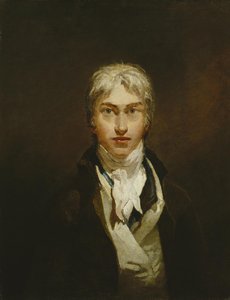
J.M.W. Turner
1775 - 1851 , Reino Unido
Datos clave
- Estilo Artístico: Romanticismo
- Fecha De Fallecimiento: 19 de diciembre de 1851
- Fecha De Nacimiento: 23 de abril de 1775
- Lugar De Nacimiento: Londres, Reino Unido
- Nacionalidad: Británico
- Nombre Completo: J.M.W. Turner
- Obras Notables:
- Lluvia, Vapor y Velocidad
- La Batalla del Temeraire
- La Quema de las Casas del Parlamento
- Castillo de Carisbrook
Artículos relacionados

Acuarelas Legendarias: 10 Obras Maestras que Transformaron el Arte | ArtsDot
Descubre 10 acuarelas legendarias de Turner, Monet y Sargent que revolucionaron el arte. Explora la historia, técnica y belleza de estas obras maestras impresionistas y románticas. Reproducciones de museo en ArtsDot.com.

Ephemeral Visions: Exploring the Artistic Legacy & Contemporary Practice of Watercolor Painting
Explore the captivating world of watercolor painting! Discover its rich history, essential techniques, influential artists & collecting tips. A comprehensive guide for art enthusiasts from ArtsDot.

Visiones Efímeras: Historia y Resonancia Emocional de la Pintura Acuarela
Descubre la fascinante historia de la acuarela, desde sus orígenes hasta su expresión contemporánea. Explora técnicas, artistas clave como Paul Klee y encuentra reproducciones de alta calidad en ArtsDot.

Ephemeral Visions: Exploring the Artistic Legacy & Nuances of Watercolor Painting
Explore the captivating world of watercolor painting! Discover its rich history, essential techniques, influential artists & collecting tips from art experts. A comprehensive guide for enthusiasts.
La Fascinación Duradera de la Acuarela: Historia, Técnicas y Práctica Contemporánea
Descubre la fascinante historia y las técnicas de la acuarela. Explora obras maestras, aprende con expertos y encuentra reproducciones o comisiones personalizadas en .