 Vista previa
 Compartir
 Compartir
 Ver detalles

 Descargar
 Ver similares
 Radiografía
 Presentación de diapositivas
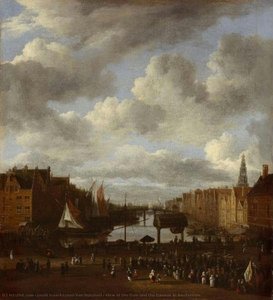
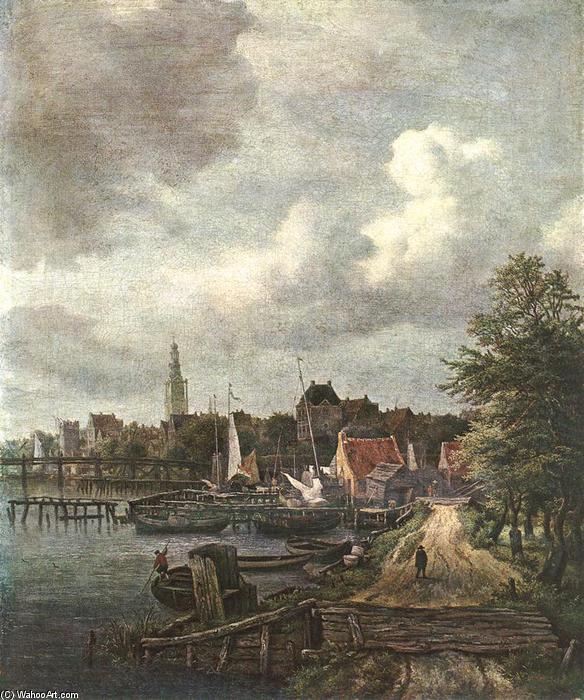
View of Amsterdam
 Oil On Canvas
- WallArt
- Dutch Golden Age
 52.0 x 43.0 cm
 Museo de las Artes de Budapest
 Leer más
Giclée / Impresión de arte
Impresiones giclée o en lienzo de calidad de museo con producción rápida y opciones de acabado flexibles. ( Encargar reproducción pintada a mano Comprar descarga)




P118B $10

P118H $10

P118W $10

P438Z $10

P508JH $12

P508YH $12

P805H $10

P805Z $10

P919BZ $10

P919G $10

P919XJ $10

P959ZH $10

P968JZ $12

W106C $8

W218G $10

W218JH $8

W218Y $10

W307PJ $10

W316G $10

W316PJ $8

W316Y $10

W398PJ $8

W4111J $10

W500HY $15

W500JH $15

W692G $12

W849H $8

W940BG $15

W953PJ $8




Elija entre nuestros tamaños predefinidos que respetan las proporciones originales de la obra.

Puede introducir sus propias dimensiones para adaptarse a un marco o espacio específico. Si el tamaño seleccionado no coincide con las proporciones de la imagen original, recortaremos la obra de arte o extenderemos la imagen con un borde con efecto espejo o de color sólido. Se enviará una maqueta digital para su aprobación antes de que comience la producción.
Tenga en cuenta que la vista previa en pantalla no refleja el recorte o la extensión real. Solo la maqueta mostrará con precisión la composición final.
Aunque existen tamaños personalizados, recomendamos seleccionar una dimensión de la lista predefinida para preservar las proporciones originales.
Envío a todo el mundo () en 2 semanas en lugar de las 4/5 semanas estándar. (21 agosto)

Envío exprés gratuito a todo el mundo

Lienzo de lino de alta calidad

Seguro de envío completo

Garantía de reembolso de aranceles aduaneros

Garantía de fidelidad cromática exacta

Política de devolución de 60 días (solo por defectos)

Garantía de devolución del 100% del dinero

Oferta por volumen
 La opción de vidrio solo está disponible en tamaños inferiores a 110 cm.

View of Amsterdam
Giclée / Impresión de arte
Tamaño de la reproducción
-


Precio total
$ 62
Descripción de la pieza
A Window Into Dutch Serenity: Examining Jacob Isaackszoon van Ruysdael’s “View of Amsterdam”
“View of Amsterdam,” painted circa 1670 by Jacob Isaackszoon van Ruysdael, stands as a cornerstone of Dutch Golden Age landscape painting—a testament to meticulous observation and masterful artistic execution. More than just a depiction of the city's skyline, it embodies the prevailing mood of quiet contemplation and appreciation for the natural world that characterized this era of unparalleled cultural flourishing.Composition and Technique: Mastering Atmospheric Perspective
Ruysdael’s genius lies in his ability to convey depth and realism through innovative techniques. The painting utilizes aerial perspective—a cornerstone of Baroque art—where distant buildings and trees fade into paler hues, creating a convincing illusion of recession into the hazy distance. This subtle gradation of color isn't merely decorative; it accurately reflects how light interacts with air, grounding the scene in tangible reality. Loose brushstrokes contribute to the overall texture, capturing the ephemeral quality of sunlight filtering through clouds—a deliberate choice that elevates the artwork beyond mere representation. The artist’s careful attention to detail is evident in the rendering of the wooden embankment and scattered logs, adding a tactile element to the visual experience.The Cityscape: Symbolism Within Everyday Life
Amsterdam itself serves as more than just a backdrop; it's imbued with symbolic significance. Ruysdael captures the bustling Dam square—the city’s central hub—and the Damrak, its grand thoroughfare—representing civic life and prosperity. However, dominating the composition is the imposing church spire, reaching upwards towards the overcast sky. This spire symbolizes faith and spiritual aspiration – a prominent motif in Dutch art during the Golden Age, reflecting the Calvinist influence on society. The inclusion of bleaching grounds—a common feature of Amsterdam’s industrial landscape—adds another layer of observation to the scene, highlighting the realities of daily life alongside the grandeur of architectural achievement.Historical Context: Reflecting the Spirit of the Dutch Renaissance
“View of Amsterdam” emerged during a period of remarkable artistic innovation and intellectual curiosity – the Dutch Renaissance. Artists like Ruysdael were driven by humanist ideals, prioritizing realism and accuracy in their depictions of the natural world. They sought to capture not just what they saw but also how it felt—the serenity of the landscape, the vibrancy of urban life, and the moral values upheld by the citizenry. The painting exemplifies the broader artistic movement’s fascination with observation and its commitment to portraying human experience with sensitivity and nuance.Emotional Impact: A Moment Frozen in Time
Ultimately, “View of Amsterdam” transcends mere visual representation; it evokes a profound emotional response. Its muted palette—dominated by grays, blues, and browns—creates an atmosphere of solemn beauty, inviting viewers to pause and contemplate the grandeur of nature alongside the complexities of human society. The painting’s stillness speaks volumes about the values of its time – peace, piety, and civic responsibility. It remains a captivating masterpiece, transporting us back to a pivotal moment in Dutch artistic history and offering enduring inspiration for those who appreciate the power of art to communicate emotion and intellect alike.Obras relacionadas
Biografía del artista
Early Life and Career
Jacob Isaackszoon van Ruisdael, a name synonymous with the grandeur of Dutch landscape painting, was born in Haarlem around 1628 or 1629 – the exact date remains shrouded in some uncertainty. His lineage within the artistic community was significant; his father, Isaack Jacobsz. van Ruisdael, wasn’t merely a painter but also a skilled frame-maker and dealer, establishing a family tradition deeply rooted in visual arts. His uncle, Salomon van Ruysdael, further solidified this legacy as a respected landscape artist of the era. Unlike his father and uncle, Jacob adopted “i” instead of “y” in his surname, a subtle yet consistent choice throughout his career. Early training commenced within this familial circle, providing him with a foundational understanding of artistic techniques and materials. Around 1646, he formally joined the prestigious Guild of Saint Luke in Haarlem, marking his entry into the established art world and signifying his commitment to professional practice. This guild membership granted him rights and privileges as an artist, solidifying his position within the Dutch artistic community. His early works, dating from this period, already demonstrated a nascent talent – a sensitivity to light, composition, and the evocative qualities of the Dutch countryside.Artistic Style and Contributions
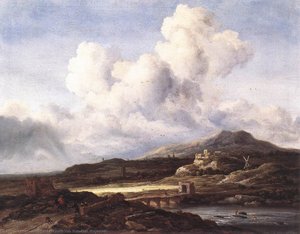
Ruisdael’s artistic style is characterized by a remarkable versatility and an astonishing output, encompassing a vast range of landscape subjects. His early works focused primarily on scenes from the Netherlands, capturing the essence of the rural environment with increasing sophistication. However, a pivotal moment in his development occurred around 1650 when he embarked on a journey to Germany, specifically to Bentheim. This trip profoundly impacted his artistic vision, leading him to depict landscapes with a newfound sense of drama and scale – a shift that would become increasingly prominent in his later work. Following this German sojourn, Ruisdael’s paintings began to exhibit a more heroic quality, reflecting the grandeur he had witnessed. His late period, spanning from approximately 1657 until his death in 1682, is particularly noteworthy. During this time, working primarily in Amsterdam, he expanded his repertoire to include city panoramas and dramatic seascapes. A defining characteristic of these later works is the sky’s dominant presence – often occupying two-thirds of the canvas—creating a sense of vastness and atmospheric depth that was revolutionary for its time. His masterful use of light and shadow, combined with an acute awareness of perspective, elevated his landscapes to a level of unparalleled beauty and emotional resonance. Notable works from this period include:- View of Haarlem with Bleaching Grounds, a quintessential example of his ability to capture the subtle details and atmospheric qualities of the Dutch countryside.
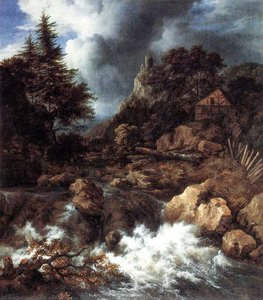
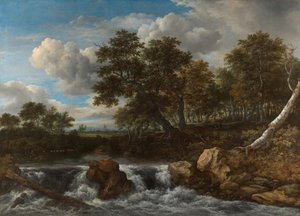
- Waterfall in a Rocky and Mountainous Landscape, showcasing his dramatic use of light and composition to convey the power and beauty of nature.
- View of the Dam and the Damrak in Amsterdam, demonstrating his skill in capturing the bustling energy and architectural details of a Dutch city.
Museums and Collections
Ruisdael’s artistic legacy is preserved across numerous private and institutional collections worldwide, testament to the enduring appeal of his work. Significant holdings can be found at:- The National Gallery in London, which houses a remarkable collection of his landscapes and cityscapes.
- The Rijksmuseum in Amsterdam, the Netherlands’ premier museum, boasts an extensive selection of Ruisdael's paintings, offering a comprehensive overview of his artistic development.
- The Hermitage Museum in St. Petersburg, Russia, holds a substantial collection of Dutch art, including several important works by Ruisdael.
Influence and Legacy
Ruisdael’s influence on landscape painting traditions extends far beyond the borders of the Netherlands. He profoundly shaped the development of landscape art in England, inspiring generations of Romantic painters such as John Constable and Thomas Gainsborough. His work also exerted a significant impact on the Barbizon School in France and the Hudson River School in the United States, each movement drawing inspiration from his dramatic compositions and masterful use of light and atmosphere. Furthermore, Ruisdael’s legacy continues to resonate with Dutch landscape artists today, serving as a cornerstone of their artistic heritage. His ability to capture the essence of the natural world – its beauty, power, and vulnerability – remains a source of enduring fascination for art lovers around the globe.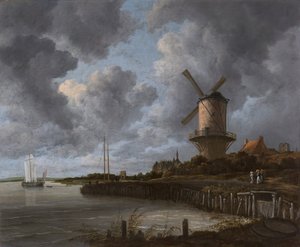
Jacob van Ruisdael
1628 - 1682 , Países Bajos
Datos clave
- Artistic Movement Or Style: Barroco, Escuela de los Países Bajos
- Artists Or Movements Influenced By This Artist:
- Romantismo Inglés
- Escuela de Barbizon
- Artists Who Influenced This Artist: ['Hendrik Vroom']
- Date Of Birth: c.1628/1629, Haarlem
- Date Of Death: 1682, Amsterdam
- Full Name: Jacob Isaackszoon van Ruisdael
- Nationality: Holandés
- Notable Artworks:
- Vista de Haarlem
- Cascada en paisaje montañoso
- Vista del puerto de Amsterdam
- Place Of Birth: Haarlem, Netherlands
Artículos relacionados
Las 25 Obras Maestras de Van Gogh: Un Viaje Emocional a Través del Arte
Descubre las 25 obras maestras de Van Gogh, desde 'La Noche Estrellada' hasta sus icónicos girasoles. Explora su vida, técnica impresionista y el profundo significado de cada cuadro. Reproducciones de arte de museo en ArtsDot.com.

Los 10 Maestros del Siglo de Oro Holandés: Arte, Historia y Decoración Exclusiva
Descubre los 10 imprescindibles del Siglo de Oro Holandés: Rembrandt, Vermeer y más. Explora la historia, técnica y belleza de estos lienzos clásicos. Encuentra reproducciones de arte exclusivas para decorar tu hogar en .
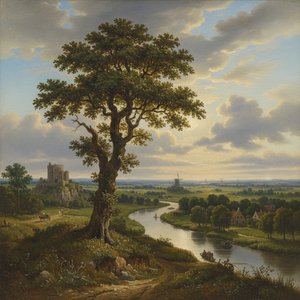
Jacob van Ruisdael: Master of Dutch Landscape & the Evocation of National Identity
Explore the life & work of Jacob van Ruisdael, the preeminent Dutch landscape painter. Discover his technical brilliance, symbolic depth, and lasting influence on art history. Learn about collecting Ruisdael's masterpieces.

Rembrandt van Rijn: Las 25 Obras Maestras que Definen un Genio | Arte, Historia y Decoración
Descubre las 25 obras maestras de Rembrandt van Rijn, el genio del barroco holandés. Explora su historia, técnica y simbolismo en retratos icónicos como 'La Ronda Nocturna'. Encuentra reproducciones de arte exclusivas para decorar tu hogar con ArtsDot.com.
Golden Light & Dutch Skies: Bringing the Magic of Dutch Golden Age Landscapes into Your Home
Transform your home with the breathtaking light of Dutch Golden Age landscapes. Discover how hand-painted oil reproductions of masterworks like Ruisdael and Vermeer bring timeless elegance, atmosphere, and soulful texture to modern interiors. Elevate your space with museum-quality art.