

 Ver en contexto
 Enviar
 Compartir
 Detalles

 Descargar
 Similares
 Radiografía
 Presentación de diapositivas
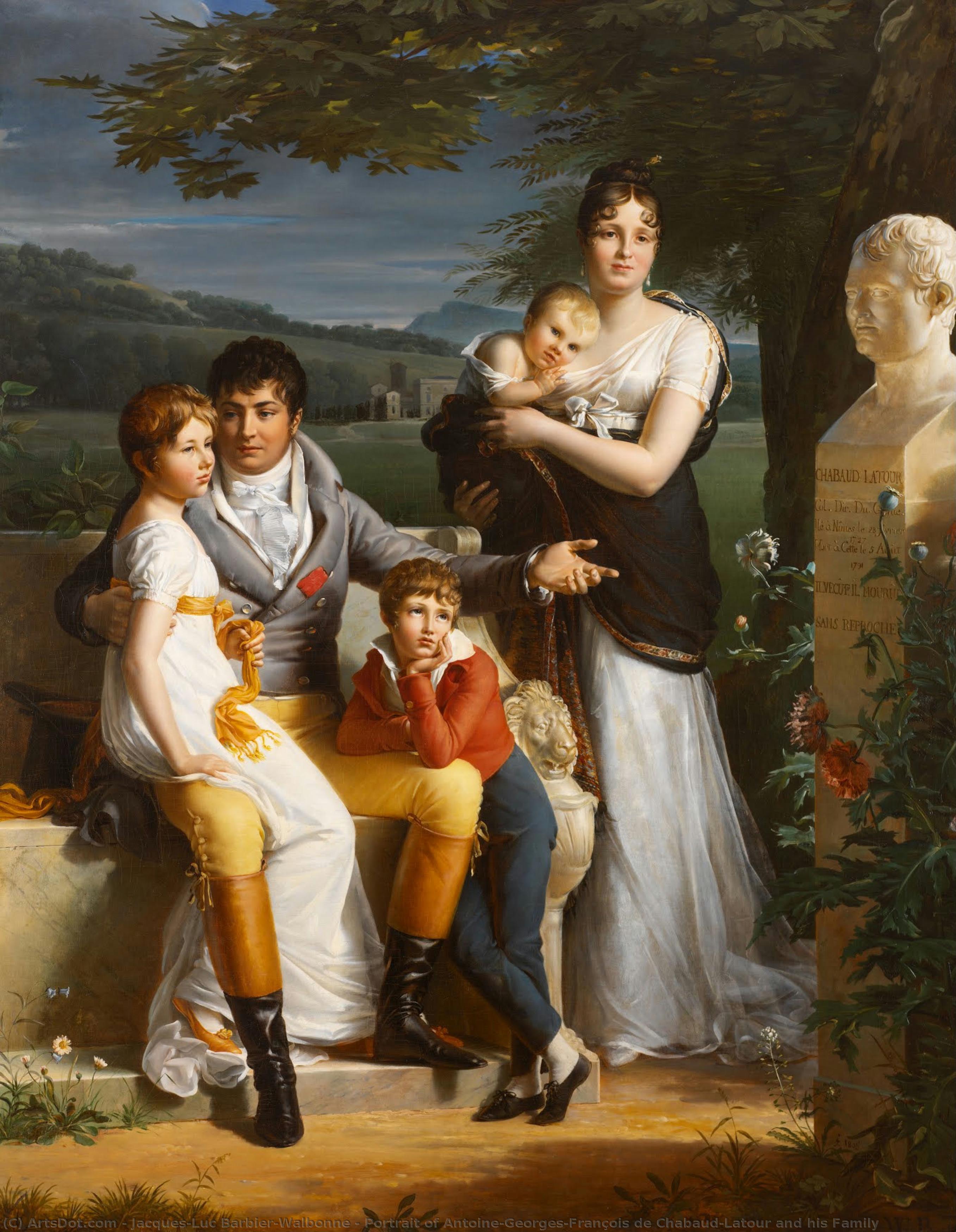
Portrait of Antoine-Georges-François de Chabaud-Latour and his Family
 Oil On Canvas
- WallArt
- Neoclassicism
 1806
1806- 19th Century
 221.0 x 174.0 cm
 Rhode Island School of Design Museum of Art
 Ver más
Giclée / Impresión de arte
Impresiones giclée o en lienzo de calidad de museo con producción rápida y opciones de acabado flexibles. ( Comprar pintura hecha a mano Comprar imagen)




P118B $10

P118H $10

P118W $10

P438Z $10

P508JH $12

P508YH $12

P805H $10

P805Z $10

P919BZ $10

P919G $10

P919XJ $10

P959ZH $10

P968JZ $12

W106C $8

W218G $10

W218JH $8

W218Y $10

W307PJ $10

W316G $10

W316PJ $8

W316Y $10

W398PJ $8

W4111J $10

W500HY $15

W500JH $15

W692G $12

W849H $8

W940BG $15

W953PJ $8




Elija entre nuestros tamaños predefinidos que respetan las proporciones originales de la obra.

Puede introducir sus propias dimensiones para adaptarse a un marco o espacio específico. Si el tamaño seleccionado no coincide con las proporciones de la imagen original, recortaremos la obra de arte o extenderemos la imagen con un borde con efecto espejo o de color sólido. Se enviará una maqueta digital para su aprobación antes de que comience la producción.
Tenga en cuenta que la vista previa en pantalla no refleja el recorte o la extensión real. Solo la maqueta mostrará con precisión la composición final.
Aunque existen tamaños personalizados, recomendamos seleccionar una dimensión de la lista predefinida para preservar las proporciones originales.
Envío a todo el mundo () en 2 semanas en lugar de las 4/5 semanas estándar. (4 septiembre)

Envío exprés gratuito a todo el mundo

Lienzo de lino de alta calidad

Seguro de envío total

Garantía de reembolso de impuestos aduaneros

Garantía de fidelidad cromática exacta

Política de devolución de 60 días (solo por defectos)

Garantía de devolución del 100% del dinero

Descuento por cantidad
 La opción de vidrio solo está disponible en tamaños inferiores a 110 cm.

Portrait of Antoine-Georges-François de Chabaud-Latour and his Family
Giclée / Impresión de arte
Dimensiones de la reproducción
-


Precio total final
$ 62
A Glimpse into Napoleonic Elegance
In the grand tapestry of early nineteenth-century French portraiture, few works capture the intimate dignity of the era quite like Jacques-Luc Barbier-Walbonne’s Portrait of Antoine-Georges-François de Chabaud-Latour and his Family. Painted in 1806, a period defined by the sweeping influence of the First Empire, this masterpiece serves as more than just a family record; it is a window into the social fabric of a nation transitioning through profound political change. The composition presents a harmonious gathering of a man, a woman, and two children, seated with a poised grace that suggests both familial warmth and an awareness of their social standing. As they rest upon a bench, the arrangement of the figures creates a sense of stability and continuity, anchored by the presence of the patriarch in his formal suit and tie, contrasted beautifully by the ethereal lightness of the woman’s white attire.
The artistry of Barbier-Walbonne, a distinguished pupil of the legendary Jacques-Louis David, is evident in the meticulous execution of the scene. One can observe the Neoclassical influence in the clarity of form and the structured approach to the figures, yet there is an underlying softness that breathes life into the portrait. The artist employs a sophisticated technique to render textures—from the crisp fabric of the gentleman’s attire to the delicate skin tones of the children nestled between their parents. Beyond the central family, the inclusion of peripheral figures and subtle background elements adds a layer of narrative depth, suggesting a larger, bustling world that exists just beyond the frame of this private moment. This layering of subjects creates a sense of atmospheric realism, making the viewer feel like an invited guest to a significant historical gathering.
Symbolism and the Legacy of the Neoclassical Tradition
Every element within this large-scale canvas, measuring an impressive 221 x 174 cm, contributes to a larger dialogue about legacy and permanence. The choice of a group portrait during the Napoleonic era often functioned as a way for families to assert their identity and resilience amidst the turbulence of the French Revolution and the subsequent rise of the Empire. The children, positioned centrally, act as symbols of hope and the future, bridging the gap between the established authority of the father and the grace of the mother. The subtle presence of other figures in the periphery may represent the social connections and the community that surround the family unit, reinforcing the idea that their private stability is intertwined with the broader societal order.
For collectors and interior designers, this painting offers an unparalleled opportunity to introduce a sense of historical gravitas and timeless sophistication into a space. The work’s grand scale and commanding presence make it an ideal centerpiece for a formal dining room, a library, or a stately hallway. A high-quality reproduction of this piece allows the emotive power of Barbier-Walbonne’s brushwork to be experienced in a contemporary setting, providing a focal point that sparks conversation and evokes a profound connection to the past. It is not merely a decoration; it is an invitation to contemplate the enduring beauty of human connection and the storied history of French art.
Obras relacionadas
Biografía del artista
primeros años y formación
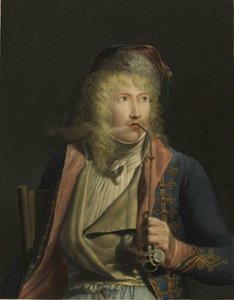
jacques-luc barbier-walbonne, una figura prominente en el arte francés, nació en 1769 en Nîmes, Francia. Fue discípulo del renombrado artista jacques-louis david, cuya maestría influyó de manera significativa en su estilo artístico y en su técnica pictórica.trayectoria artística
Barbier-Walbonne es celebrado por sus pinturas históricas y retratos, particularmente aquellos que evocan la historia romana y capturan la esencia de distinguidos generales franceses. Entre sus obras más notables se encuentran los retratos de Moreau y Moncey, piezas que hoy pueden admirarse en la galería de Versalles. Su vida también estuvo marcada por el deber, pues su participación como soldado durante el periodo de la Revolución Francesa quedó documentada en un dibujo de jean-baptiste isabey, donde se le muestra vistiendo el uniforme de teniente en un regimiento de húsares.colaboraciones e influencias
En su búsqueda de la perfección estética, Barbier-Walbonne trabajó como asistente de françois gérard; incluso se cree que sirvió de modelo para la figura de Cupido en la obra Cupido y Psique de Gérard, presentada en el Salón de 1798.legado y últimos años
Barbier-Walbonne falleció en 1860 en Passy. Sus contribuciones al arte francés siguen siendo reconocidas, y sus obras perduran como un testimonio de su destreza y su devoción a la pintura histórica y al retrato.- vea más obras de barbier-walbonne en ArtsDot: jacques-luc barbier-walbonne | 1 obras
- explore el musée des beaux-arts de carcassonne, que alberga obras de diversos artistas, incluidos aquellos influenciados por el estilo de barbier-walbonne: descubriendo el musée des beaux-arts de carcassonne (francia)
- conozca más sobre otros artistas franceses, como jean-sébastien rouillard, en ArtsDot: rouillard jean sébastien | artista
Jacques-Luc Barbier-Walbonne
1769 - 1860 , Francia
Datos clave
- Artistic Movement Or Style: Retrato de la Regencia
- Artists Or Movements Influenced By This Artist: ['Romanticismo']
- Artists Who Influenced This Artist: ['Joshua Reynolds']
- Date Of Birth: 13 de abril de 1769
- Date Of Death: 7 de enero de 1830
- Full Name: Thomas Lawrence
- Nationality: Británico
- Notable Artworks:
- Reina Carlota
- Charles Townley
- Conde de Carlisle
- Place Of Birth: Bristol, Inglaterra
Artículos relacionados
Neoclasicismo: 10 Obras Maestras que Definieron un Estilo Eterno |
Descubre las 10 obras maestras del Neoclasicismo con . Explora la historia de David, Ingres y Canova, su técnica y el legado de este estilo eterno. Reproducciones de arte de museo para tu hogar. ¡Explora la colección online!
The Enduring Legacy of Family Portraiture: A Historical & Artistic Exploration
Explore the rich history of family portraiture with ArtsDot. Discover artistic styles, symbolism & collecting insights. Commission a custom oil painting or appraise your existing artwork today!
Anne-Louis Girodet: Bridging Neoclassicism & Romanticism with Emotional Truth
Explore the captivating world of Anne-Louis Girodet, a pivotal figure bridging Neoclassicism & Romanticism. Discover his masterpieces and unique artistic vision with ArtsDot.
Evolución de los Retratos: El Arte Personalizado como Crónica de la Vida Familiar a Través de las Generaciones
Descubre la evolución del retrato familiar y cómo convertir tus recuerdos en obras de arte atemporales. Pinturas al óleo personalizadas por artistas expertos. ¡Preserva tu legado con ArtsDot!
The Revival of Antiquity: Exploring the Neoclassical Movement & its Enduring Legacy
Explore the revival of classical art with our deep dive into Neoclassicism! Discover key artists like Jacques-Louis David, Enlightenment influences & lasting impact on art history. High-quality reproductions at ArtsDot.

