 Ver en contexto
 Enviar
 Compartir
 Detalles

 Descargar
 Similares
 Radiografía
 Presentación de diapositivas
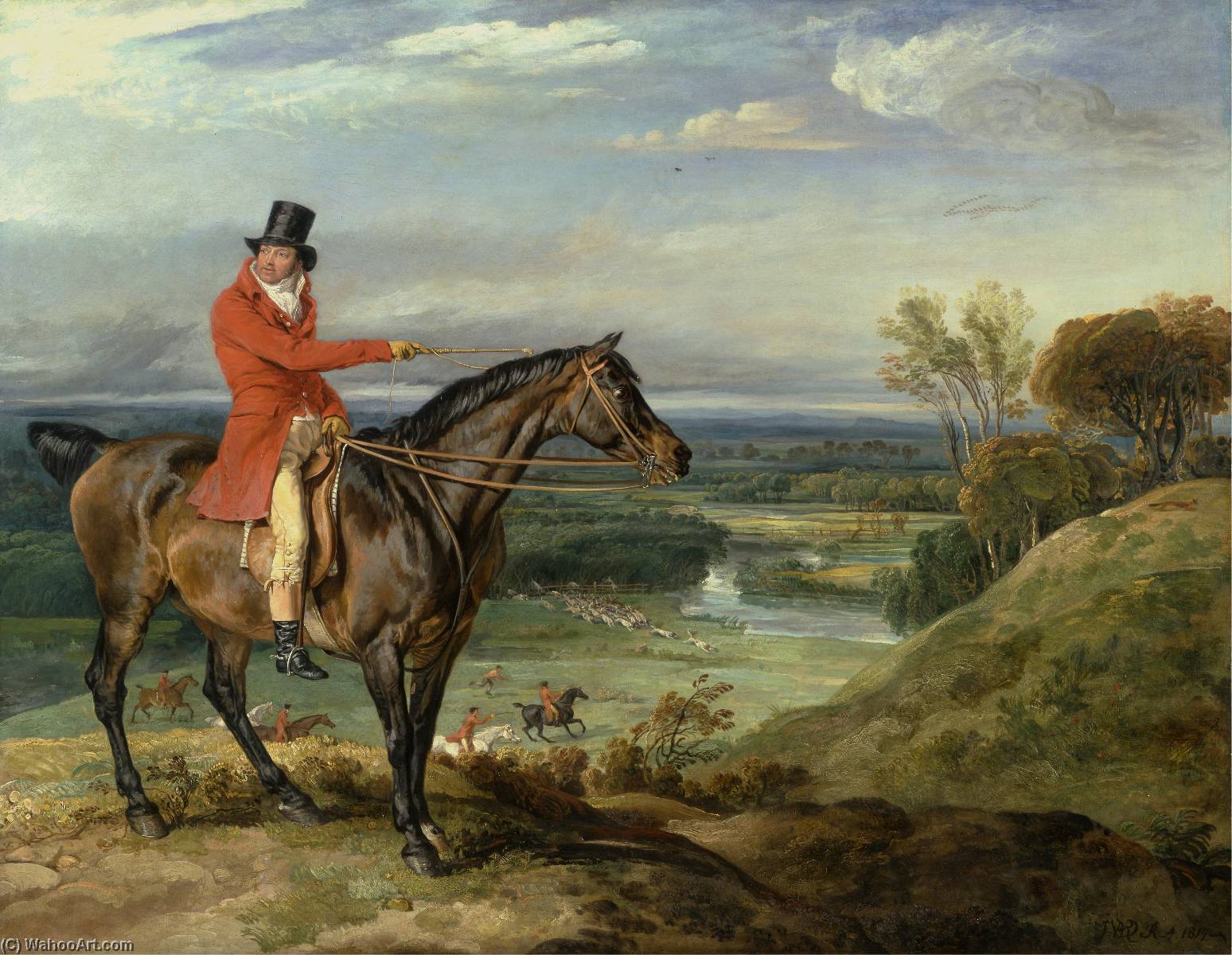
John Levett Hunting at Wychnor, Staffordshire alternate title Theophilus Levett and a Favorite Hunter)
 Acrylic On Canvas
- WallArt
- Romantic Landscape
 1818
1818 117.0 x 145.0 cm
 Yale Center for British Art
 Ver más
Reproducción al óleo hecha a mano
Óleo sobre lienzo pintado a mano en el tamaño y marco de su elección, realizado por encargo por nuestros artistas. ( Comprar impresión Comprar imagen)




P118B $10

P118H $10

P118W $10

P438Z $10

P508JH $12

P508YH $12

P805H $10

P805Z $10

P919BZ $10

P919G $10

P919XJ $10

P959ZH $10

P968JZ $12

W106C $8

W218G $10

W218JH $8

W218Y $10

W307PJ $10

W316G $10

W316PJ $8

W316Y $10

W398PJ $8

W4111J $10

W500HY $15

W500JH $15

W692G $12

W849H $8

W940BG $15

W953PJ $8




Elija entre nuestros tamaños predefinidos que respetan las proporciones originales de la obra.

Puede ingresar sus propias dimensiones para adaptarse a un marco o espacio específico. Si el tamaño seleccionado no coincide con las proporciones de la imagen original, recortaremos la obra o extenderemos la pintura con elementos adicionales pintados a mano. Se le enviará una maqueta digital para su aprobación antes de comenzar la producción.
Tenga en cuenta que la vista previa en pantalla no refleja el recorte o la extensión reales. Solo la maqueta mostrará con precisión la composición final.
Si bien existen tamaños personalizados, recomendamos seleccionar una dimensión de la lista predefinida para preservar las proporciones originales.
Tras realizar el pedido, el equipo de ArtsDot.com enviará un correo electrónico al cliente para solicitar instrucciones y proporcionarle una vista previa del boceto.
Envío a todo el mundo () en 3-4 semanas en lugar de las 5 semanas estándar. (31 agosto). Sin comprometer la calidad.

Envío exprés gratuito a todo el mundo

Lienzo de lino de alta calidad

Seguro de envío total

Garantía de reembolso de impuestos aduaneros

Garantía de fidelidad cromática exacta

Política de devolución de 60 días (solo por defectos)

Garantía de devolución del 100% del dinero

Descuento por cantidad
 La opción de vidrio solo está disponible en tamaños inferiores a 110 cm.

John Levett Hunting at Wychnor, Staffordshire alternate title Theophilus Levett and a Favorite Hunter)
Técnica de reproducción
Dimensiones de la reproducción
-


Precio total final
$ 263
The Scene Unfolds: A Glimpse into 19th-Century English Life
James Ward’s “John Levett Hunting at Wychnor, Staffordshire” isn't merely a hunting scene; it’s a meticulously crafted tableau of 19th-century English leisure and social standing. Painted in 1817, the canvas transports us to the rolling hills of Staffordshire, specifically the estate of Wychnor Park, home to the Levett family – prominent landowners known for their connection to the prestigious Ward artistic circle. The composition is dominated by a vibrant red hunting jacket worn by John Levett himself, instantly drawing the eye and establishing his position as the central figure of this aristocratic pursuit. Around him, a carefully arranged group depicts a scene of controlled activity: Levett, mounted on horseback, expertly guides his favorite hunter, while his son, Theophilus, diligently manages the reins. A stable boy attends to the horse, and in the background, other figures – likely family members or guests – observe the hunt with an air of detached amusement, reinforcing the image of a carefully curated display of wealth and privilege.
The Painter’s Hand: James Ward's Romantic Style
James Ward (1769-1859) was a pivotal figure in British art during his era, renowned for his ability to capture both the grandeur of landscapes and the nuanced details of portraiture. “John Levett Hunting at Wychnor” exemplifies his distinctive style – a harmonious blend of Romanticism and Neoclassicism. Ward’s brushwork is remarkably fluid and expressive, creating a sense of movement within the scene. He masterfully employs light and shadow to sculpt the figures and landscape, imbuing them with a palpable three-dimensionality. Notice how he uses dappled sunlight filtering through the trees to illuminate Levett's jacket and the horse’s coat, highlighting their importance while subtly softening the overall atmosphere. The color palette is rich and earthy – deep greens, browns, and ochres – punctuated by the vibrant red of the hunting attire, creating a visually arresting contrast.
Symbolism Woven into the Canvas
Beyond its surface depiction of a hunt, the painting is laden with symbolic meaning. Hunting itself was a deeply ingrained tradition among the English aristocracy, representing skill, courage, and control over nature – qualities highly valued in that social context. The horse, a symbol of power and status, plays a central role, reflecting Levett’s position within his community. The stable boy, diligently attending to the animal, subtly underscores the importance of service and loyalty within this hierarchical society. Furthermore, the carefully posed figures, arranged with an almost theatrical precision, speak to the importance of appearances and social etiquette – a key element of aristocratic life during the early 19th century. The inclusion of the family members observing from afar suggests a controlled display of wealth and lineage.
A Window into a Lost World: Historical Context
To fully appreciate “John Levett Hunting at Wychnor,” it’s crucial to understand its historical context. Painted during a period of significant social and political change in Britain, the painting offers a glimpse into the world of the landed gentry – a world increasingly threatened by industrialization and changing economic realities. The Levett family, with their estate at Wychnor Park, represented a traditional order facing challenges to its dominance. Ward’s decision to depict this scene so vividly underscores the desire to preserve the values and traditions associated with this way of life. The painting serves as both a celebration of aristocratic leisure and a poignant reminder of a vanishing era.
Capturing the Essence: Reproduction & Display
Reproductions of “John Levett Hunting at Wychnor, Staffordshire” offer an exceptional opportunity to bring this captivating scene into your home or office. The rich colors and intricate details are beautifully rendered in high-quality prints, allowing you to experience the painting’s emotional depth and artistic merit. Consider framing it within a classic style frame to complement its historical setting, or opt for a more contemporary presentation to create a striking juxtaposition of eras. This artwork is not just a depiction of a hunt; it's an invitation to step back in time and contemplate the enduring themes of status, tradition, and the human connection with nature.
Obras relacionadas
Biografía del artista
James Ward: Una Vida en el Arte Británico
James Ward (1769-1859) fue un prominente pintor británico reconocido por sus cautivadoras pinturas de animales, paisajes románticos e introspectivos retratos. Aunque a menudo eclipsado por sus contemporáneos, su estilo y habilidad únicos impactaron significativamente el desarrollo del arte británico durante el siglo XIX.
Primeros Años y Formación
Nacido el 23 de octubre de 1769 en Londres, Reino Unido, James Ward era el hermano menor del grabador William Ward. Sus primeras inclinaciones artísticas fueron fomentadas dentro de un entorno familiar creativo. Si bien recibió algo de formación formal, su desarrollo fue en gran medida autodirigido e influenciado fuertemente por la observación y la práctica.
Desarrollo Artístico & Influencias
La carrera de Ward se divide convencionalmente en dos períodos distintos con respecto a la influencia. Inicialmente, hasta alrededor de 1803, su obra guardaba un fuerte parecido al de su cuñado, George Morland, caracterizada por escenas de género y un enfoque en la vida cotidiana. Tras este período, se inspiró profundamente en el maestro barroco Peter Paul Rubens, adoptando una composición más dinámica, una rica paleta de colores y un uso dramático de la luz y la sombra.
Obras Notables & Estilo Artístico
El estilo singular de Ward lo distinguió de muchos contemporáneos. Se destacó en varios géneros, incluyendo pintura histórica, retrato, paisaje y arte animal. Algunas de sus obras más celebradas incluyen:
- Gordale Scar (1814/15): Considerada su obra maestra, esta dramática representación de una garganta del Yorkshire ejemplifica las cualidades sublimes del Romanticismo inglés.
- The Deer Stealer (1823): Encargado por Theophilus Levett, este cuadro muestra la habilidad de Ward en la narrativa y la representación animal.
- John Levett Hunting at Wychnor, Staffordshire (1817): Un retrato de uno de sus mecenas, que demuestra su capacidad para capturar tanto el parecido como la atmósfera.
Sus pinturas se caracterizan por una meticulosa atención al detalle, particularmente en la representación de animales, combinada con una sensibilidad romántica que enfatiza la belleza y el poder de la naturaleza.
Comisiones & Exposiciones
Ward disfrutó del patrocinio de figuras prominentes como Theophilus Levett, lo que llevó a numerosas comisiones. Exhibió regularmente su obra en la Royal Academy, obteniendo reconocimiento por su habilidad y originalidad. Su admisión como miembro en 1811 consolidó su posición dentro del establecimiento artístico británico.
Últimos Años & Legado
Ward continuó pintando prolíficamente hasta que un derrame cerebral en 1855 truncó su carrera. Falleció el 17 de noviembre de 1859, en relativa pobreza a pesar de su éxito anterior.
A pesar de enfrentar dificultades financieras más adelante en la vida, la influencia de James Ward en el arte británico sigue siendo innegable. Su mezcla única de realismo y romanticismo allanó el camino para futuras generaciones de pintores de animales y artistas paisajistas. Sus obras ahora se conservan en prestigiosas colecciones como Tate Britain y el Yale Center for British Art.
Significado Histórico
James Ward ocupa una posición significativa dentro de la transición de la era Neoclásica a la Romántica en el arte británico. Cerró la brecha entre la pintura de género tradicional y el creciente interés por el paisaje y el naturalismo, dejando atrás un legado de obras cautivadoras que continúan inspirando y deleitando.
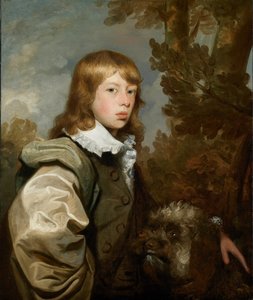
James Ward
1769 - 1859 , Reino Unido
Datos clave
- Artistic Movement Or Style: Romanticismo
- Artists Or Movements Influenced By This Artist:
- James Cook University Hospital
- La Fundación James H.W. Thompson
- Artists Who Influenced This Artist:
- George Morland
- Rubens
- Date Of Birth: 23 octubre 1769
- Date Of Death: 17 noviembre 1859
- Full Name: James Ward
- Nationality: Británico
- Notable Artworks:
- Gordale Scar
- El Venado Cazado
- Place Of Birth: Londres, Reino Unido
Artículos relacionados

James Abbott McNeill Whistler: Las 25 Obras Maestras del Maestro del Arte y la Atmósfera | ArtsDot
Descubre las 25 obras maestras de James Abbott McNeill Whistler, el maestro del impresionismo y la armonía en arte. Explora retratos icónicos, nocturnos evocadores y su innovadora paleta de colores. Reproducciones de arte exclusivas en ArtsDot.com.

Alfred Munnings: Las 25 Obras Maestras del Pintor de Caballos | ArtsDot
Descubre las 25 obras maestras de Alfred Munnings, el pintor británico de caballos por excelencia. Explora su impresionismo inglés, escenas campestres y técnica única. Encuentra reproducciones de arte de alta calidad en ArtsDot.com.
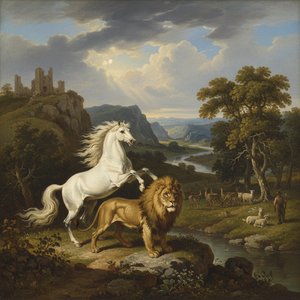
James Ward: A Study in British Romantic Landscape and Animal Painting
Explore the captivating world of James Ward (1769-1859), a master of British Romantic landscape & animal painting. Discover his iconic 'Gordale Scar' and exquisite portraits – a timeless art investment. Learn about his influences, style, and enduring legacy.
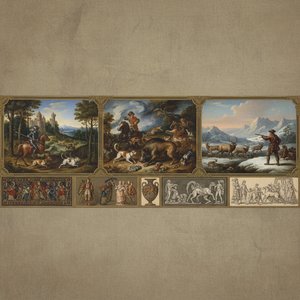
The Pursuit of Power & Prestige: Hunting Scenes in Western Art
Explore the rich history of hunting scenes in Western art, from royal pursuits to powerful allegories. Discover masterpieces & expert insights for discerning collectors. ArtsDot offers museum-quality reproductions.
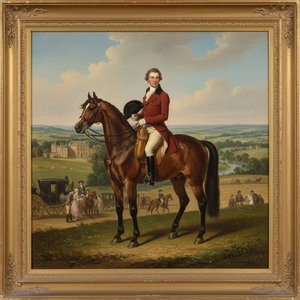
Sr. John E. Ferneley: Equestrian Portraiture & England's Social Fabric
Explore the captivating world of Sr. John E. Ferneley, a master of British sporting art. Discover his exquisite equestrian paintings & insights into 19th-century society. Invest in timeless masterpieces with ArtsDot.