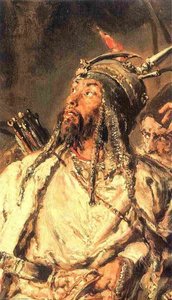
![The Battle Of Grunwald [tannenberg] — Jan Matejko](/media/artworks/images-full/8f/8a/8f8a06d6ec24e6bcc3ec1d7df4905ab0.jpg)
 Vista previa
 Compartir
 Compartir
 Ver detalles

 Descargar
 Ver similares
 Radiografía
 Presentación de diapositivas
The Battle of Grunwald [Tannenberg]
 Acrylic
- WallArt
- Romantic Historical Painting
 987.0 x 426.0 cm
 Museo Nacional de Varsovia
 Leer más
Giclée / Impresión de arte
Impresiones giclée o en lienzo de calidad de museo con producción rápida y opciones de acabado flexibles. ( Encargar reproducción pintada a mano Comprar descarga)




P118B $10

P118H $10

P118W $10

P438Z $10

P508JH $12

P508YH $12

P805H $10

P805Z $10

P919BZ $10

P919G $10

P919XJ $10

P959ZH $10

P968JZ $12

W106C $8

W218G $10

W218JH $8

W218Y $10

W307PJ $10

W316G $10

W316PJ $8

W316Y $10

W398PJ $8

W4111J $10

W500HY $15

W500JH $15

W692G $12

W849H $8

W940BG $15

W953PJ $8




Elija entre nuestros tamaños predefinidos que respetan las proporciones originales de la obra.

Puede introducir sus propias dimensiones para adaptarse a un marco o espacio específico. Si el tamaño seleccionado no coincide con las proporciones de la imagen original, recortaremos la obra de arte o extenderemos la imagen con un borde con efecto espejo o de color sólido. Se enviará una maqueta digital para su aprobación antes de que comience la producción.
Tenga en cuenta que la vista previa en pantalla no refleja el recorte o la extensión real. Solo la maqueta mostrará con precisión la composición final.
Aunque existen tamaños personalizados, recomendamos seleccionar una dimensión de la lista predefinida para preservar las proporciones originales.
Envío a todo el mundo () en 2 semanas en lugar de las 4/5 semanas estándar. (22 agosto)

Envío exprés gratuito a todo el mundo

Lienzo de lino de alta calidad

Seguro de envío completo

Garantía de reembolso de aranceles aduaneros

Garantía de fidelidad cromática exacta

Política de devolución de 60 días (solo por defectos)

Garantía de devolución del 100% del dinero

Oferta por volumen
 La opción de vidrio solo está disponible en tamaños inferiores a 110 cm.

The Battle of Grunwald [Tannenberg]
Giclée / Impresión de arte
Tamaño de la reproducción
-


Precio total
$ 62
Descripción de la pieza
A Monumental Vision of Polish Triumph
The Battle of Grunwald, painted by Jan Matejko in 1893, stands as arguably the most iconic depiction of Poland’s resurgence from obscurity—a testament to national pride and artistic ambition. Measuring an impressive 987 x 426 cm, this monumental canvas dominates the National Museum's collection and continues to captivate audiences with its visceral portrayal of a decisive victory against Teutonic aggression. More than just a historical record, Matejko’s masterpiece operates on multiple levels, weaving together narrative drama, symbolic representation, and masterful artistic technique.Historical Context: The Crusade Against Poland
The Battle of Grunwald (also known as Tannenberg) occurred in July 1410, marking the culmination of a protracted conflict between Poland and Prussia—the Teutonic Order. Driven by religious fervor and imperial ambition, the Order sought to subjugate Polish lands and dismantle the burgeoning Polish-Lithuanian Commonwealth. The victory at Grunwald represented not merely military triumph but also a reaffirmation of Poland’s spiritual fortitude and its ability to defend its sovereignty against formidable foes. Matejko consciously positioned his painting within this context, aiming to inspire confidence in Poland's future after decades of partition—a deliberate act of patriotic symbolism.Style and Technique: Academic Romanticism Elevated
Matejko adhered to the tenets of Academic Romanticism, a style characterized by grand scale, dramatic lighting, and meticulous detail. However, unlike many contemporaries, Matejko eschewed mere imitation; he infused his work with an emotional intensity that surpassed conventional artistic conventions. The artist employed oil paint on canvas—a technique demanding considerable skill and patience—to achieve unparalleled luminosity and textural richness. He meticulously researched historical accounts and consulted heraldic manuscripts to ensure accuracy in depicting costumes, weaponry, and architectural elements. The resulting image is replete with dynamic movement and palpable emotion, capturing the frenzied energy of battle with remarkable fidelity.Symbolism: Weapons of Faith and Divine Providence
The painting’s symbolism is layered and profound. Dominating the composition are two figures—Grand Master Ulrich von Jungingen and Lithuanian Grand Duke Witold—representing opposing forces locked in mortal combat. The spear aimed at Jungingen embodies the unwavering faith of Poland, symbolized by Saint Maurice's insignia presented to Boleslaus I the Brave during the Congress of Gniezno. This gesture underscores the importance of religious conviction in safeguarding national identity. Furthermore, Matejko’s masterful use of chiaroscuro—the dramatic interplay of light and shadow—heightens the emotional impact of the scene, conveying both terror and triumph with breathtaking precision. The densely packed composition draws viewers into the heart of the battlefield tumult, mirroring the artist's intention to evoke a sense of immediacy and visceral experience.Emotional Impact: A Legacy of Resilience
Ultimately, “The Battle of Grunwald” transcends its historical subject matter; it speaks to the enduring spirit of Poland—its capacity for courage, determination, and unwavering belief in its own destiny. Matejko’s depiction of human emotion—ranging from despair to exhilaration—resonates powerfully with viewers today, reminding us of the transformative power of art to inspire patriotism and celebrate national heritage. It remains a cornerstone of Polish artistic identity and continues to serve as an emblem of Poland's triumphant past and hopeful future.Obras relacionadas
Biografía del artista
Primeros años y educación
Jan alojzy matejko, un renombrado pintor polaco, nació el 24 de junio de 1838 en krakúv, polonia. Su padre, franciszek ksawery matejko, era un tutor y maestro de música nacido en chequia. La vida temprana de jan se vio marcada por la revolución de krakúv de 1846 y el sitio de 1848 de krakúv por los austriacos, eventos que más tarde influirían en sus temas artísticos. Matejko asistió a la escuela secundaria st. ann pero abandonó en 1851 debido a su mal rendimiento académico. Sin embargo, demostró un talento excepcional para el arte desde una edad temprana. Estudió en la escuela de bellas artes de krakúv de 1852 a 1858, especializándose en pintura histórica bajo la tutela de wojciech korneli stattler y włodysław łuszczkiewicz.Carrera artística
El primer trabajo importante de matejko, los zares shuyski ante zygmunt iii, se completó en 1853. Comenzó a exhibir sus pinturas históricas en la sociedad de amigos de las bellas artes de krakúv en 1855. Obras notables incluyen:- Rejtan (1866): una gran pintura al óleo sobre lienzo que representa un momento crucial en la historia polaca.
- Unión de lublin (1869): una pieza significativa que muestra la habilidad de matejko para capturar eventos históricos.
- Batalla de grunwald (1878): una obra maestra que destaca su capacidad para transmitir la intensidad de las escenas de batalla.
Influencias y desarrollo artístico
El estilo de matejko estuvo profundamente influenciado por el romanticismo europeo, particularmente por artistas como eugène delacroix. Sin embargo, también se inspiró en el arte polaco anterior, especialmente en los trabajos de jan matthew gutenmacher. A medida que su carrera avanzaba, matejko desarrolló un enfoque distintivo caracterizado por composiciones grandiosas, una atención meticulosa al detalle histórico y un uso dramático del color y la luz. Sus pinturas a menudo representan momentos clave de la historia polaca, enfatizando el patriotismo y el orgullo nacional.Logros importantes y legado
Matejko pasó la mayor parte de su vida en krakúv, convirtiéndose finalmente en director de la academia de bellas artes jan matejko, anteriormente conocida como la academia de bellas artes de krakúv. Sus alumnos incluyeron a pintores destacados como maurycy gottlieb, jacek malczewski, józef mehoffer y stanisław wyspiański. Obras notables disponibles en ArtsDot:- Jan matejko: varna (romanticismo)
- Jan matejko: bodegón (romanticismo)
- Jan matejko: la unión de lublin (298 x 512 cm, romanticismo, óleo sobre lienzo)
Referencias:
descubriendo las obras maestras del muzeum narodowe krakúv, polonia (wikipedia.org)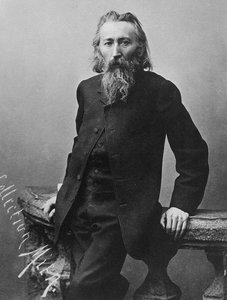
Jan Matejko
1838 - 1893 , Polonia
Datos clave
- Artistas Influenciados:
- Maurycy Gottlieb
- Jacek Malczewski
- Artistas Que Influyeron:
- Wojciech Korneli Stattler
- Władysław Łuszczkiewicz
- Fecha De Fallecimiento: 1 de noviembre de 1893
- Fecha De Nacimiento: 24 de junio de 1838
- Lugar De Nacimiento: Kraków, Polonia
- Movimiento Artístico: Romanticismo
- Nacionalidad: Polaco
- Nombre Completo: Jan Alojzy Matejko
- Obras Notables:
- Rejtan (1866)
- Unión de Lublin (1869)
- Batalla de Grunwald (1878)
Artículos relacionados
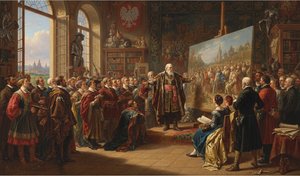
Jan Matejko: Historical Narrative & National Identity in 19th-Century Polish Painting
Explore the powerful historical paintings of Jan Matejko, Poland's national artist. Discover his iconic works & learn how he shaped Polish identity in the 19th century. High-quality reproductions available.
Romantic Realism's Finest: 10 Masterpieces for Your Home | ArtsDot
Explore 10 defining masterpieces of Romantic Realism! Discover Courbet, Millet & Daumier's powerful paintings—capturing emotion and social realities. Find museum-quality reproductions for your home at ArtsDot.com.
Las 10 Obras Maestras del Alto Medieval: Arte, Historia y Decoración Exclusiva
Descubre las 10 obras maestras del Alto Medieval. Explora la historia, el simbolismo y la belleza de la pintura románica y gótica. Reproducciones exclusivas en ArtsDot.com para decorar tu hogar con arte atemporal.
10 Obras Maestras Medievales que Definen el Arte (y tu Hogar)
Descubre 10 obras maestras del arte medieval, desde Duccio a Van Eyck. Explora la historia, simbolismo y belleza de Giotto, Simone Martini y más. Encuentra reproducciones de alta calidad para decorar tu hogar en ArtsDot.com.
Stanisław Wyspiański: Symbolism, National Identity & the Polish Secession
Explore the life & work of Stanisław Wyspiański, a pivotal figure in Polish Symbolism and the Young Poland movement. Discover his iconic paintings, dramas, and stained glass designs reflecting national identity & artistic innovation.