

 Ver en contexto
 Enviar
 Compartir
 Detalles

 Descargar
 Similares
 Radiografía
 Presentación de diapositivas
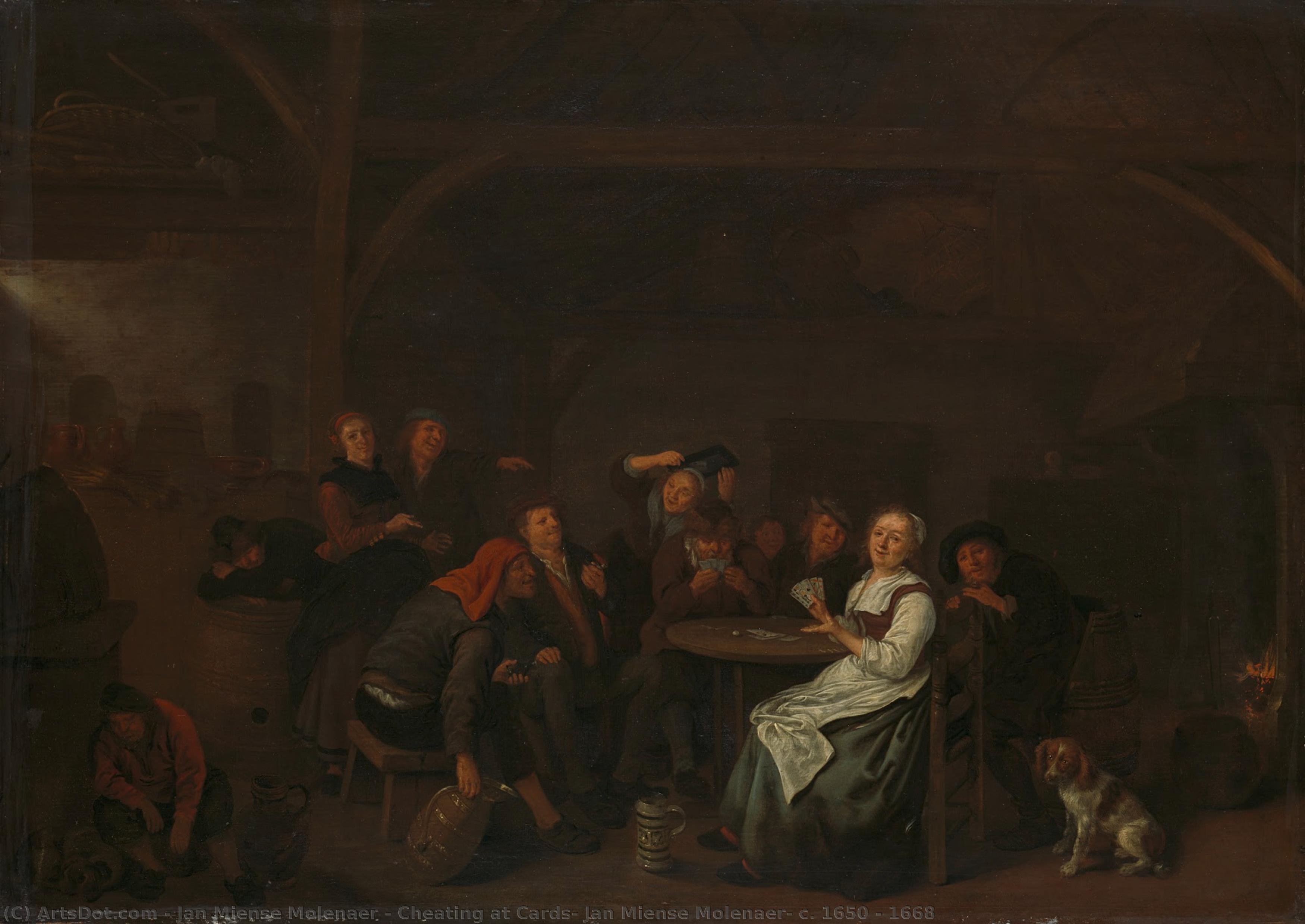
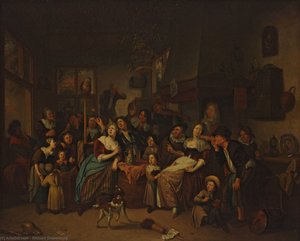
Cheating at Cards, Jan Miense Molenaer, c. 1650 - 1668
 Oil On Panel
- Dutch Golden Age
 1668
1668- Early Modern
 49.0 x 69.0 cm
 Ver más
Adquiera una imagen digital de alta resolución y optimizada, muy superior a la vista previa en línea.
Cada archivo es preparado meticulosamente por nuestros especialistas internos mediante el uso de herramientas avanzadas y un experto retoque manual. Nos aseguramos de que cada imagen posea una claridad excepcional, una precisión cromática impecable y un detalle minucioso.
El archivo final se entrega por correo electrónico en un plazo de 72 horas, optimizado para su uso inmediato en entornos profesionales, editoriales y de impresión. Esta es la misma calidad en la que confían los estudios de diseño, las editoriales y las galerías de primer nivel.
Imagen Digital
Descarga un archivo de alta resolución para exhibición personal, impresión y proyectos creativos. ( Comprar impresión Comprar pintura hecha a mano)
Incluido en cada pedido de imágenes digitales
Entrega digital experta, garantizada.
Al elegir ArtsDot.com, no solo está adquiriendo una imagen; está recibiendo una obra de arte digital mejorada profesionalmente, elaborada con precisión y respaldada por una garantía de satisfacción. Esto es todo lo que incluye su pedido, automáticamente:

Entrega rápida por email
Recibirá su archivo de imagen digital en alta resolución por correo electrónico en un plazo de 72 horas tras realizar su pedido, listo para su uso inmediato.

Archivo digital optimizado por IA
Su obra de arte se optimiza profesionalmente mediante herramientas avanzadas de IA y edición manual, garantizando el máximo detalle, claridad y precisión cromática.

Reenvío gratuito de por vida
¿Has borrado o perdido tu archivo por error? No te preocupes: te lo volveremos a enviar en cualquier momento, sin coste adicional.

Sin gastos de importación, siempre
Disfrute de su obra de arte al instante sin aduanas, aranceles ni gastos de envío; las descargas digitales siempre están libres de impuestos.

Garantía de fidelidad de color
Garantizamos que su imagen digital refleje los colores originales con la mayor fidelidad posible, mediante el uso de herramientas profesionales y gestión del color.

Garantía de satisfacción de 60 días
Si no está satisfecho con su imagen digital, la revisaremos o le reembolsaremos el 100% en un plazo de 60 días, sin preguntas.

100% Garantía de devolución de dinero
¿No está satisfecho? Obtenga un reembolso completo dentro de los 60 días posteriores a la recepción de su archivo digital, sin necesidad de explicaciones.

Descuentos por pedidos grandes
Compra 3 imágenes, ahorra 10% - Compra 5, ahorra 15% - Compra 10+, ahorra 20%. Ideal para proyectos creativos, galerías y agencias.
Obras relacionadas


Biografía del artista
El Mundo Íntimo de un Maestro Holandés
jan miense molenaer, un nombre susurrado entre los maestros del Siglo de Oro holandés, evoca imágenes de calidez doméstica e interacción humana vibrante. Nacido en Haarlem en 1610, su vida se desplegó sobre el rico tapiz de la sociedad holandesa del siglo XVII. Molenaer no fue meramente un cronista de escenas; fue un observador que poseía una habilidad asombrosa para capturar los momentos fugaces de la existencia cotidiana. Su trayectoria artística lo llevó a desarrollar un estilo que inicialmente hacía eco del brillo temprano de Frans Hals, sugiriendo un dominio en la captura del gesto espontáneo. Sin embargo, a medida que su carrera maduró, su mano comenzó a asentarse en un diálogo más matizado con la profundidad atmosférica característica de Adriaen van Ostade.
Un Pintor de Género y Espíritu
Su genio encontró su expresión más elocuente en la escena del género: la representación de la vida ordinaria elevada a arte sublime. Los lienzos de Molenaer están impregnados de un palpable sentido de intimidad; uno siente como si el aire mismo dentro de la pintura fuera cálido y perfumado con música o risas compartidas. Ya sea retratando músicos reunidos para una actuación animada, como se ve en obras como Los Músicos, o capturando la tranquila comunión de la vida familiar, sus sujetos poseen una vitalidad innegable. Estas escenas están marcadas por un realismo detallado que rehúsa la idealización, anclando al espectador firmemente en el mundo tangible de Haarlem. Además, su asociación con Judith Leyster, quien compartió su espacio de estudio y era ella misma una célebre pintora de género y retratista, habla de un vibrante círculo artístico donde el talento floreció a través de la colaboración.
Técnica e Influencia Duradera
La destreza técnica de Molenaer residía en su manejo magistral del color y la composición. Construía escenas no solo con pintura, sino con resonancia emocional, creando composiciones que se sienten a la vez estructuradas y absolutamente espontáneas. Su capacidad para imbuir momentos domésticos sencillos de tal profundidad es notable. Aunque algunos de sus temas tocan narrativas bíblicas, lo que define su atractivo perdurable es la celebración de la conexión humana: el ritmo compartido de la música o el gesto capturado en una pieza como La Main Chaude (Handjeklap). Los ecos de su técnica resuenan fuertemente a través de generaciones posteriores; artistas como Jan Steen y Gerard ter Borch absorbieron claramente lecciones del matizado enfoque de Molenaer sobre la luz y la psicología humana, cimentando su lugar como una figura fundamental cuyo estilo ayudó a definir el cenit de la pintura holandesa.
Un Legado Grabado en Lienzo
Las obras atribuidas a jan miense molenaer continúan atrayendo admiradores a través de los continentes. Desde las prestigiosas colecciones alojadas en la Galería Real Mauritshuis hasta el Rijksmuseum, sus pinturas sirven como vívidos portales hacia una era pasada. Nos invitan no solo a mirar arte, sino a participar en él: a escuchar la música, a sentir la calidez de la reunión. Su legado es el de una profunda observación: demostrar que el arte más monumental a menudo se puede encontrar dentro de la delicada belleza de un momento ordinario.
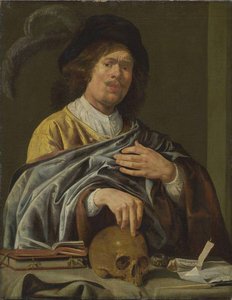
Jan Miense Molenaer
1610 - 1668 , Países Bajos
Breves datos
- Artistic Movement Or Style: Pintura de la Edad de Oro holandesa
- Artists Or Movements Influenced By This Artist:
- Jan Steen
- Gerard ter Borch
- Artists Who Influenced This Artist:
- Frans Hals
- Adriaen van Ostade
- Date Of Birth: 1610
- Date Of Death: 1668
- Full Name: Jan Miense Molenaer
- Nationality: Holandés
- Notable Artworks:
- Los fabricantes de música
- El dúo
- Familia tocando música
- La Main Chaude
- Place Of Birth: Haarlem, Países Bajos

