

 Vista previa
 Compartir
 Compartir
 Ver detalles

 Descargar
 Ver similares
 Radiografía
 Presentación de diapositivas
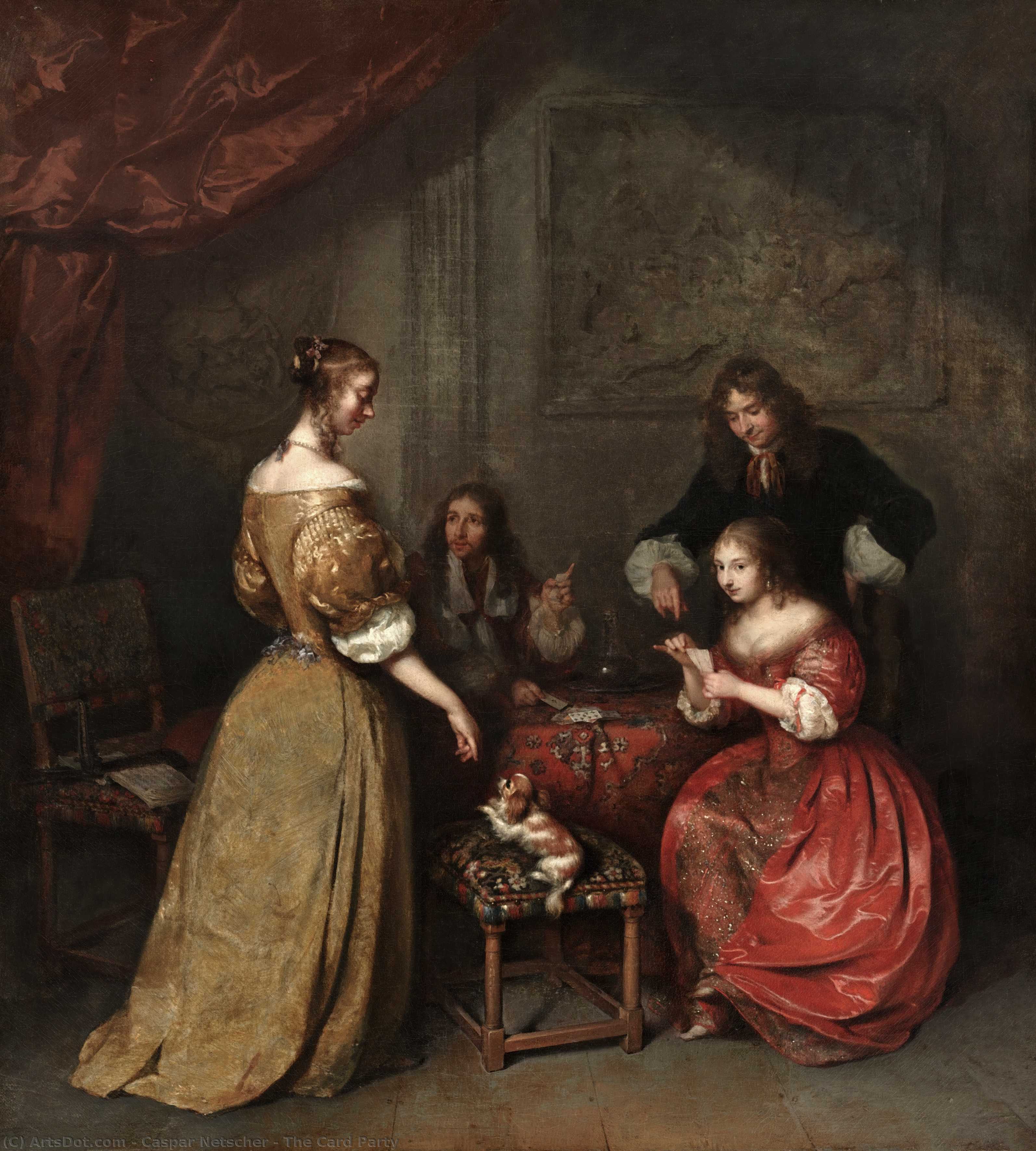
The Card Party
 Oil On Canvas
- WallArt
- Baroque
 1665
1665- Early Modern
 50.0 x 45.0 cm
 Museo Metropolitano de Arte
 Leer más
Reproducción al óleo hecha a mano
Óleo sobre lienzo pintado a mano en el tamaño y marco de su elección, realizado por encargo por nuestros artistas. ( Pedir impresión Comprar descarga)




P118B $10

P118H $10

P118W $10

P438Z $10

P508JH $12

P508YH $12

P805H $10

P805Z $10

P919BZ $10

P919G $10

P919XJ $10

P959ZH $10

P968JZ $12

W106C $8

W218G $10

W218JH $8

W218Y $10

W307PJ $10

W316G $10

W316PJ $8

W316Y $10

W398PJ $8

W4111J $10

W500HY $15

W500JH $15

W692G $12

W849H $8

W940BG $15

W953PJ $8




Elija entre nuestros tamaños predefinidos que respetan las proporciones originales de la obra.

Puede ingresar sus propias dimensiones para adaptarse a un marco o espacio específico. Si el tamaño seleccionado no coincide con las proporciones de la imagen original, recortaremos la obra o extenderemos la pintura con elementos adicionales pintados a mano. Se le enviará una maqueta digital para su aprobación antes de comenzar la producción.
Tenga en cuenta que la vista previa en pantalla no refleja el recorte o la extensión reales. Solo la maqueta mostrará con precisión la composición final.
Si bien existen tamaños personalizados, recomendamos seleccionar una dimensión de la lista predefinida para preservar las proporciones originales.
Tras realizar el pedido, el equipo de ArtsDot.com enviará un correo electrónico al cliente para solicitar instrucciones y proporcionarle una vista previa del boceto.
Envío a todo el mundo () en 3-4 semanas en lugar de las 5 semanas estándar. (20 agosto). Sin comprometer la calidad.

Envío exprés gratuito a todo el mundo

Lienzo de lino de alta calidad

Seguro de envío completo

Garantía de reembolso de aranceles aduaneros

Garantía de fidelidad cromática exacta

Política de devolución de 60 días (solo por defectos)

Garantía de devolución del 100% del dinero

Oferta por volumen
 La opción de vidrio solo está disponible en tamaños inferiores a 110 cm.

The Card Party
Técnica de reproducción
Tamaño de la reproducción
-


Precio total
$ 363
Descripción de la obra
A Glimpse into 17th-Century Dutch Society
Caspar Netscher’s “The Card Party,” painted in 1665, isn't merely a depiction of a game; it’s a meticulously crafted window into the vibrant social life of the Dutch Golden Age. This oil on canvas work, measuring a modest 50 x 45 cm, transports us to a richly furnished room, brimming with the subtle pleasures and carefully constructed appearances of a prosperous household. Netscher, a master of capturing both the outward elegance and the underlying psychology of his subjects, has created an image that speaks volumes about wealth, status, and the rituals of social interaction during this period of remarkable artistic and economic flourishing.
The scene unfolds around a table laden with the trappings of leisure – overflowing wine glasses, delicate porcelain cups, and, most prominently, a collection of intricately patterned oriental rugs. These rugs weren’t simply decorative; they were symbols of status and trade, reflecting the Dutch Republic's extensive connections to the East. Their presence immediately establishes the scene’s affluence and hints at the family’s engagement with global commerce. The inclusion of such luxurious details underscores a key characteristic of Dutch art – a commitment to realism that extended beyond mere representation to encompass the social and economic realities of the time.
The Art of Netscher: Detail, Light, and Psychological Depth
Netscher’s technique is characterized by an almost obsessive attention to detail. Every fold in the fabric, every glint of light on a wine glass, every expression on the faces of the players is rendered with painstaking precision. This meticulousness isn't simply about accuracy; it’s a deliberate strategy to draw the viewer into the scene and invite them to contemplate the nuances of human interaction. The artist masterfully employs chiaroscuro – the dramatic contrast between light and shadow – to sculpt the figures, creating a sense of volume and depth that is remarkably lifelike.
Notice how Netscher uses light not just to illuminate the scene but also to guide our eye. The primary source of illumination appears to be coming from an unseen window, casting long shadows across the table and highlighting the faces of those engaged in the game. This strategic use of light creates a sense of intimacy and drama, drawing us into the heart of the gathering. Furthermore, Netscher’s brushwork is remarkably subtle, layering colors with incredible delicacy to achieve a luminous quality that is both captivating and deeply satisfying to the eye.
Symbolism and Social Commentary
The card game itself holds multiple layers of meaning. While ostensibly a pastime, it represents more than just casual entertainment. In 17th-century Dutch society, gambling was often associated with risk, fortune, and even deception. The women exchanging cards – particularly the central figure – are not simply participants in a game; they’re engaging in a subtle dance of social maneuvering, potentially testing each other's wit and assessing their worth within the confines of their social circle. The dog at the lower left corner adds a touch of domesticity and warmth to the scene, reminding us that even amidst the complexities of social interaction, there is always room for companionship.
Beyond the immediate depiction of a card game, “The Card Party” offers a valuable glimpse into the broader cultural context of the Dutch Golden Age. It reflects a society that valued both wealth and intellectual pursuits, where art flourished alongside commerce and innovation. Netscher’s masterpiece stands as a testament to this remarkable era – an era defined by its artistic brilliance, economic prosperity, and sophisticated social customs.
A Timeless Masterpiece
Currently residing in the Metropolitan Museum of Art in New York, “The Card Party” continues to captivate viewers with its exquisite detail, psychological depth, and evocative portrayal of a bygone era. Whether you’re an art enthusiast, a collector seeking a stunning addition to your collection, or simply someone who appreciates the beauty of masterful painting, this work offers a profound and rewarding experience.
Obras relacionadas

Biografía del artista
Caspar Netscher: Un Maestro del Retrato Barroco Holandés
Caspar Netscher (1639 – 15 de enero de 1684) se erige como una figura fundamental en el Siglo de Oro holandés, reconocido por sus retratos exquisitamente detallados y sus pinturas de género que lograban capturar la esencia misma de su época. Nacido en Heidelberg, Alemania, perfeccionó sus habilidades artísticas bajo la tutela de Hendrick Coster antes de emprender un viaje formativo a Roma, donde absorbió las profundas influencias de Caravaggio y Pedro Pablo Rubens; estilos que moldearían de manera definitiva su enfoque distintivo de la pintura. Al regresar a Ámsterdam, Netscher se consolidó como un artista celebrado, asegurando el mecenazgo de Guillermo III y alcanzando una notable riqueza y prestigio gracias a sus cautivadores lienzos.- Primeros años y formación: Los años formativos de Netscher transcurrieron en Arnhem, donde recibió su instrucción inicial de la mano de Hendrick Coster. Esta temprana exposición a los principios artísticos sentó las bases para sus estudios posteriores con Gerard Terborch, una colaboración que consolidó su comprensión de la estética del Barroco septentrional.
- Influencias romanas: El viaje de Netscher a Roma resultó instrumental para ampliar sus horizontes artísticos. Se sumergió en el fervor creativo de la ciudad, absorbiendo técnicas y consideraciones estilísticas de maestros como Caravaggio y Rubens, artistas que defendían el dramático claroscuro (luz y sombra) y composiciones cargadas de emoción.
- Carrera y mecenazgo en Ámsterdam: Netscher ascendió rápidamente a la prominencia en el mundo del arte de Ámsterdam, convirtiéndose en maestro pintor hacia 1659. Su éxito fue impulsado por el mecenazgo real de Guillermo III, quien le encargó numerosos retratos que exhibían la grandeza y autoridad del monarca. Esta asociación consolidó la reputación de Netscher como uno de los artistas más solicitados de su tiempo.
Estilo y Técnica Distintivos
El estilo artístico de Netscher se caracteriza por una sensibilidad extraordinaria hacia la luz y la sombra, un sello distintivo de la pintura barroca. Elaboraba sus escenas meticulosamente con sutiles gradaciones de tono, creando una profundidad ilusionística que cautivaba a los espectadores. A diferencia de muchos contemporáneos que preferían paletas más brillantes, Netscher empleaba colores apagados —a menudo marrones y ocres— para transmitir una sensación de dignidad solemne y realismo. Su pincelada era excepcionalmente refinada, logrando un detalle textural asombroso, particularmente evidente en las representaciones de tejidos como la seda y el brocado, donde plasmaba con notable precisión los brillos y cualidades de la superficie. Esta técnica meticulosa lo distingue de otros artistas de su época y contribuye a la belleza perdurable de sus obras.Obras Notables y Legado La obra de Netscher comprende una colección sustancial de retratos que representan a la realeza, la nobleza y a los ciudadanos prominentes de Ámsterdam. Entre sus pinturas más celebradas se encuentran el “Retrato de Pieter de Graeff”, que muestra el semblante digno y la opulenta vestimenta del alcalde; el "Retrato de Willem III", que conmemora el reinado del rey con esplendor real; y “William III (copia tras maestro)”, una interpretación magistral que captura la solemne grandeza de Guillermo III con armadura. Estos lienzos ejemplifican la destreza artística de Netscher y continúan inspirando admiración por su brillantez técnica y poder expresivo. Su influencia se extendió más allá del retrato, influyendo en las pinturas de género que exploraban temas de la vida doméstica e interacción social con una observación matizada. El legado de Caspar Netscher reside no solo en sus impresionantes obras de arte, sino también en su contribución al establecimiento de un estilo internacional distintivo dentro de los Países Bajos Septentrionales, un testimonio de su perdurable importancia artística.
Referencias
- Britannica. “Caspar Netscher.”
- Wikipedia. “Caspar Netscher.”
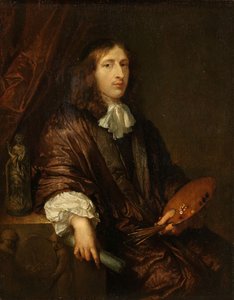
Caspar Netscher
1639 - 1684 , Alemania
Datos clave
- Artistic Movement Or Style: Barroco
- Artists Or Movements Influenced By This Artist: ['Estilo Internacional']
- Artists Who Influenced This Artist:
- Hendrik Coster
- Gerard Terborch
- Date Of Birth: 1639 Heidelberg Alemania
- Date Of Death: 1684
- Full Name: Caspar Netscher
- Nationality: Holandés
- Notable Artworks:
- Retrato de Pieter de Graeff
- Retrato de Willem III
- Place Of Birth: Heidelberg Alemania
Artículos relacionados

Los 10 Maestros del Siglo de Oro Holandés: Arte, Historia y Decoración Exclusiva
Descubre los 10 imprescindibles del Siglo de Oro Holandés: Rembrandt, Vermeer y más. Explora la historia, técnica y belleza de estos lienzos clásicos. Encuentra reproducciones de arte exclusivas para decorar tu hogar en .

Reflejos de una Época Dorada: La Pintura Barroca Holandesa y la Innovación Cultural
Descubra la riqueza y el detalle de la pintura barroca holandesa del Siglo de Oro. Explore las obras maestras de Rembrandt, Vermeer y otros artistas clave. Análisis experto e historia cultural.

La Luz y la República: Innovación Artística en el Siglo de Oro Neerlandés
Descubra la innovación artística del Siglo de Oro Neerlandés. Explore las obras maestras de Rembrandt y Vermeer, técnicas revolucionarias y el legado perdurable de este florecimiento cultural. ¡Sumérjase en la luz y la belleza!
Illuminating Realism: Exploring the Dutch Golden Age of Painting (1600-1700)
Explore the Dutch Golden Age of painting (1600-1700) with ArtsDot. Discover Rembrandt, Vermeer & other masters. Learn about techniques, history & find museum-quality reproductions.
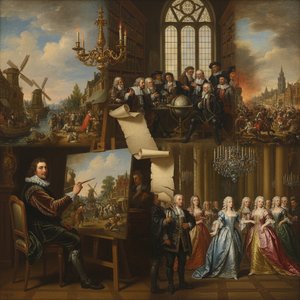
Illuminating a Century of Change: Artistic Expression & Societal Shifts in 17th-Century Europe
Explore the artistic brilliance of the 17th-century Dutch Golden Age & Baroque period. Discover Rembrandt, genre painting, and chiaroscuro techniques. Expert insights for art lovers & collectors.

