

 Compartir
 Compartir
 Ver detalles

 Descargar
 Ver similares
 Presentación de diapositivas
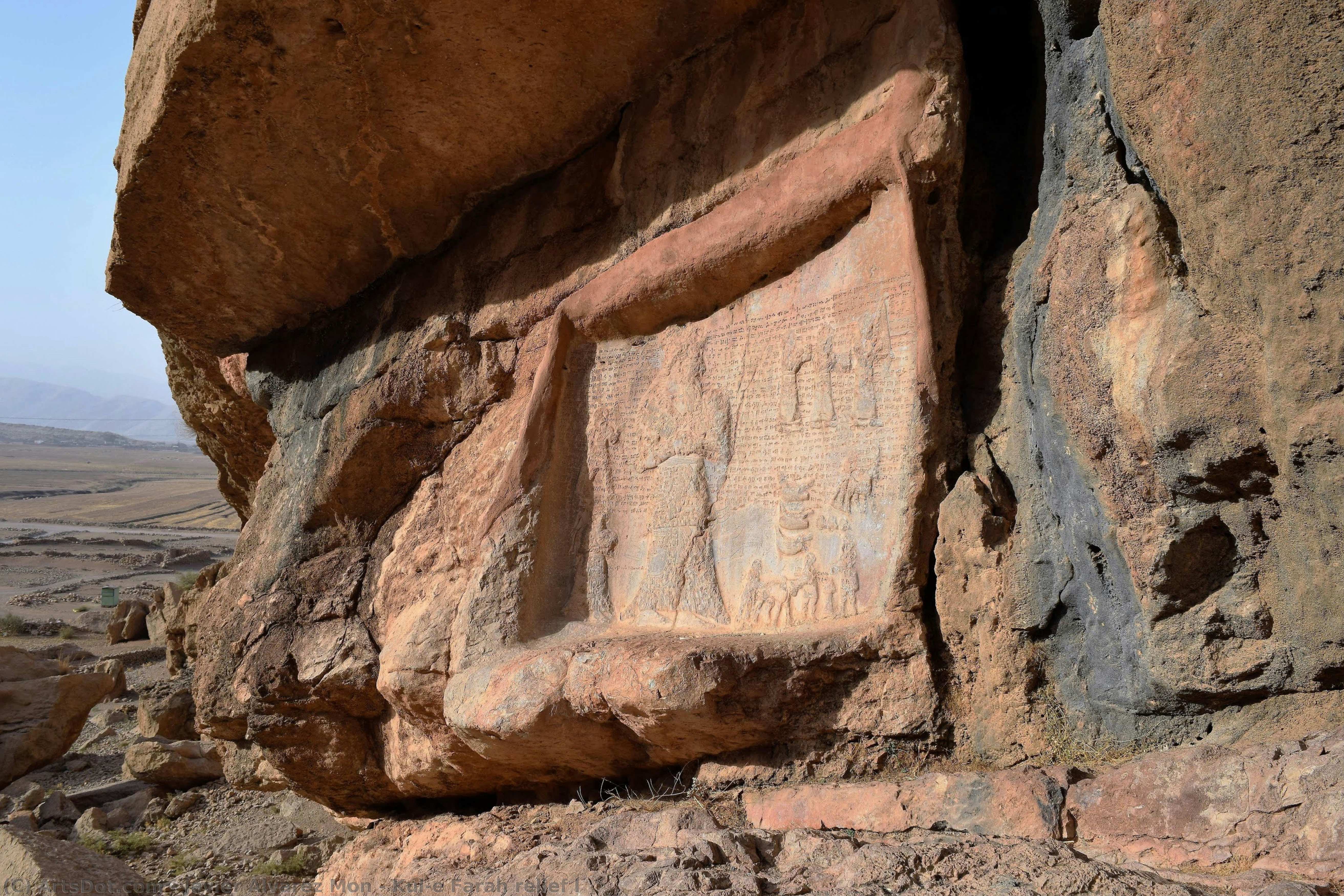
Kul-e Farah relief I


 Leer más
Adquiera una imagen digital de alta resolución y optimizada, muy superior a la vista previa en línea.
Cada archivo es preparado meticulosamente por nuestros especialistas internos mediante el uso de herramientas avanzadas y un experto retoque manual. Nos aseguramos de que cada imagen posea una claridad excepcional, una precisión cromática impecable y un detalle minucioso.
El archivo final se entrega por correo electrónico en un plazo de 72 horas, optimizado para su uso inmediato en entornos profesionales, editoriales y de impresión. Esta es la misma calidad en la que confían los estudios de diseño, las editoriales y las galerías de primer nivel.
Imagen Digital
Descarga un archivo de alta resolución para exhibición personal, impresión y proyectos creativos. ( Pedir impresión Encargar reproducción pintada a mano)
Incluido en cada compra de imágenes digitales
Entrega digital experta, garantizada.
Al elegir ArtsDot.com, no solo está adquiriendo una imagen; está recibiendo una obra de arte digital mejorada profesionalmente, elaborada con precisión y respaldada por una garantía de satisfacción. Esto es todo lo que incluye su pedido, automáticamente:

Entrega rápida por email
Recibirá su archivo de imagen digital en alta resolución por correo electrónico en un plazo de 72 horas tras realizar su pedido, listo para su uso inmediato.

Archivo digital optimizado por IA
Su obra de arte se optimiza profesionalmente mediante herramientas avanzadas de IA y edición manual, garantizando el máximo detalle, claridad y precisión cromática.

Reenvío gratuito de por vida
¿Has borrado o perdido tu archivo por error? No te preocupes: te lo volveremos a enviar en cualquier momento, sin coste adicional.

Sin gastos de importación, siempre
Disfrute de su obra de arte al instante sin aduanas, aranceles ni gastos de envío; las descargas digitales siempre están libres de impuestos.

Garantía de precisión de color
Garantizamos que su imagen digital refleje los colores originales con la mayor fidelidad posible, mediante el uso de herramientas profesionales y gestión del color.

Garantía de satisfacción de 60 días
Si no está satisfecho con su imagen digital, la revisaremos o le reembolsaremos el 100% en un plazo de 60 días, sin preguntas.

100% Garantía de devolución de dinero
¿No está satisfecho? Obtenga un reembolso completo dentro de los 60 días posteriores a la recepción de su archivo digital, sin necesidad de explicaciones.

Descuentos por volumen
Compra 3 imágenes, ahorra 10% - Compra 5, ahorra 15% - Compra 10+, ahorra 20%. Ideal para proyectos creativos, galerías y agencias.
Descripción del coleccionable
A Silent Witness to Elamite Grandeur
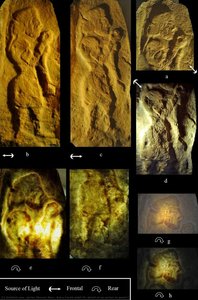
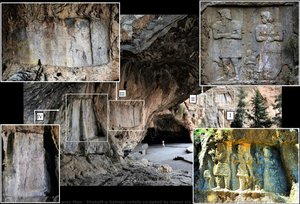
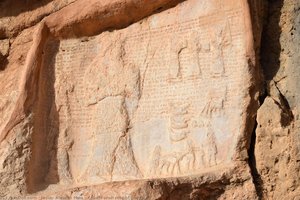
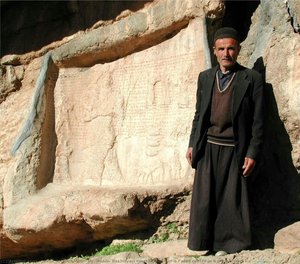
Perched high above the landscape, carved into a vertical niche some five and a half meters from the ground, the Kul-e Farah relief I stands as a profound testament to the enduring spirit of the Elamite highland tradition. This ancient masterpiece is not merely a carving on stone; it is a monumental dialogue between man and nature, frozen in time since approximately 500 BC. The relief serves as a vital historical link, embodying the sophisticated artistic language of an era that flourished in the ancient Near East. To gaze upon this work is to witness the intersection of political authority and artistic devotion, where every line etched into the rock face speaks of a civilization deeply rooted in its rugged, mountainous terrain.
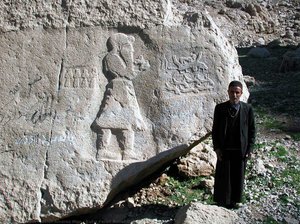
The composition of the relief is both intricate and commanding, showcasing a scene of figures positioned with a deliberate sense of hierarchy and presence. The artistry lies in the way the carver utilized the natural contours of the rock to breathe life into the subjects, creating a sense of depth that invites the viewer to contemplate the lives of those depicted. Within the vertical niche, the relief integrates multiple elements of elite representation, drawing from much older traditions of valley carvings to assert the prestige of its creators. For the discerning collector or lover of antiquity, this piece offers a window into a world where art was used to solidify the identity of rulers and the sanctity of their lands.
The Language of Power and Inscription
Beyond its visual majesty, the Kul-e Farah relief I is a literary treasure, housing a complex narrative written in stone. The surface is adorned with twenty-four horizontal registers of an inscription that remains one of the most significant, yet enigmatic, archaeological finds of the region. This text provides a rare glimpse into the political landscape of the time, identifying the local ruler Hanni, son of Tahhi, who served as the "caretaker, protector, and ruler" of Ayapir. His role as a vassal to the Elamite king Shutur-Nahhunte highlights the intricate web of loyalty and governance that defined the period between 625 and 585 BC. The presence of nine additional epigraphs, delicately inscribed over the skirts of the carved figures, adds a layer of rhythmic detail that enhances the relief's textural complexity.
For interior designers and curators of historical reproductions, this artwork offers an unparalleled opportunity to introduce a sense of profound history and intellectual depth into a space. The interplay between the rugged texture of the stone and the precise, delicate epigraphs creates a visual tension that is both intellectually stimulating and aesthetically grounding. A high-quality reproduction of this relief does more than decorate a wall; it anchors a room with the weight of millennia, providing a conversation piece that bridges the gap between modern luxury and ancient heritage.
An Eternal Legacy in Stone
The emotional impact of the Kul-e Farah relief I stems from its sheer resilience. Despite the passage of over two thousand years, the figures and their stories remain remarkably well-preserved, offering a hauntingly beautiful connection to the Elamite civilization. The way the light plays across the carved surfaces—mimicking the natural sunlight that has illuminated this niche for centuries—creates an ever-changing aesthetic experience. It is a work that celebrates the concept of permanence in an impermanent world.
Owning or displaying a tribute to this relief allows one to participate in the preservation of human memory. Whether integrated into a contemporary gallery setting or used as a focal point in a sophisticated study, the piece evokes a sense of awe and reverence. It invites the observer to look upward, much like the original viewers did, and to find inspiration in the enduring strength of the Elamite spirit and the masterful hands that carved it into the very bones of the earth.
Obras relacionadas

Biografía del artista
Javier Álvarez-Mon es un arqueólogo e historiador español, especializado en el antiguo Cercano Oriente. Nació en Madrid en 1969 y recibió su doctorado en Arqueología por la Universidad Complutense de Madrid en 2001. Actualmente, desempeña su labor como investigador del Consejo Nacional de Investigación (CSIC) y lidera el Grupo de Estudios Elamitas de la Universidad de Barcelona.
Formación y trayectoria profesional
La trayectoria académica de Javier Álvarez-Mon se ha forjado bajo un profundo interés por la arqueología y la historia, con un enfoque magistral en las civilizaciones del antiguo Cercano Oriente. Su labor investigativa ha convergido de manera apasionante en el estudio de la cultura elamita, un esfuerzo que lo ha llevado a publicar obras fundamentales que rescatan la memoria de este pueblo, tales como El mundo elamita (2018) y Elam: historia, arte y arqueología (2021).
Investigaciones y legado editorial
A través de sus minuciosas investigaciones, Álvarez-Mon ha logrado desentrañar los misterios de la cultura elamita, consolidando un corpus bibliográfico que es referencia para la disciplina. Entre sus publicaciones más destacadas se encuentran:
- El mundo elamita (2018)
- Elam: historia, arte y arqueología (2021)
- La cultura elamita (2015)
- Elam: una historia de la región (2012)
Este compromiso con el conocimiento ha sido ampliamente reconocido por la comunidad académica internacional, otorgándole diversos premios y distinciones que avalan su rigor científico.
Colaboraciones y proyectos de exploración
La labor de Javier Álvarez-Mon no es un camino solitario; su carrera se nutre del diálogo con otros investigadores a través de proyectos de gran envergadura. Entre sus contribuciones más significativas resaltan:
- Proyecto Elamita: una ambiciosa investigación sobre la cultura elamita, respaldada por el Consejo Nacional de Investigación (CSIC).
- Proyecto de excavaciones en Irán: una labor de campo arqueológico financiada por la Universidad de Barcelona.
- Proyecto de estudio de la cultura elamita: un esfuerzo dedicado al análisis profundo de este legado, también bajo el amparo de la Universidad de Barcelona.
Estas sinergias han sido vitales para expandir las fronteras del conocimiento sobre el mundo elamita, permitiendo que sus hallazgos se materialicen en publicaciones de gran impacto.
La trascendencia de su obra
El legado de Javier Álvarez-Mon resulta fundamental para comprender la complejidad de la cultura elamita y su papel crucial en la historia del antiguo Cercano Oriente. Su capacidad para interpretar los vestigios del pasado ha permitido un avance sin precedentes en nuestra visión de esta región. Parte de sus investigaciones y obras pueden explorarse en https://ArtsDot.com, donde se ofrece un acceso más detallado a su producción intelectual. Asimismo, para aquellos interesados en el diálogo entre la historia y las artes, se recomienda visitar los archivos del Museo de la Real Academia de Bellas Artes de San Fernando y el Musée de la Chasse et de la Nature.
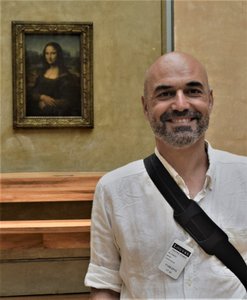
Javier Álvarez Mon
1969 - , España

