

 Ver en contexto
 Enviar
 Compartir
 Detalles

 Descargar
 Similares
 Radiografía
 Presentación de diapositivas
 Estadísticas
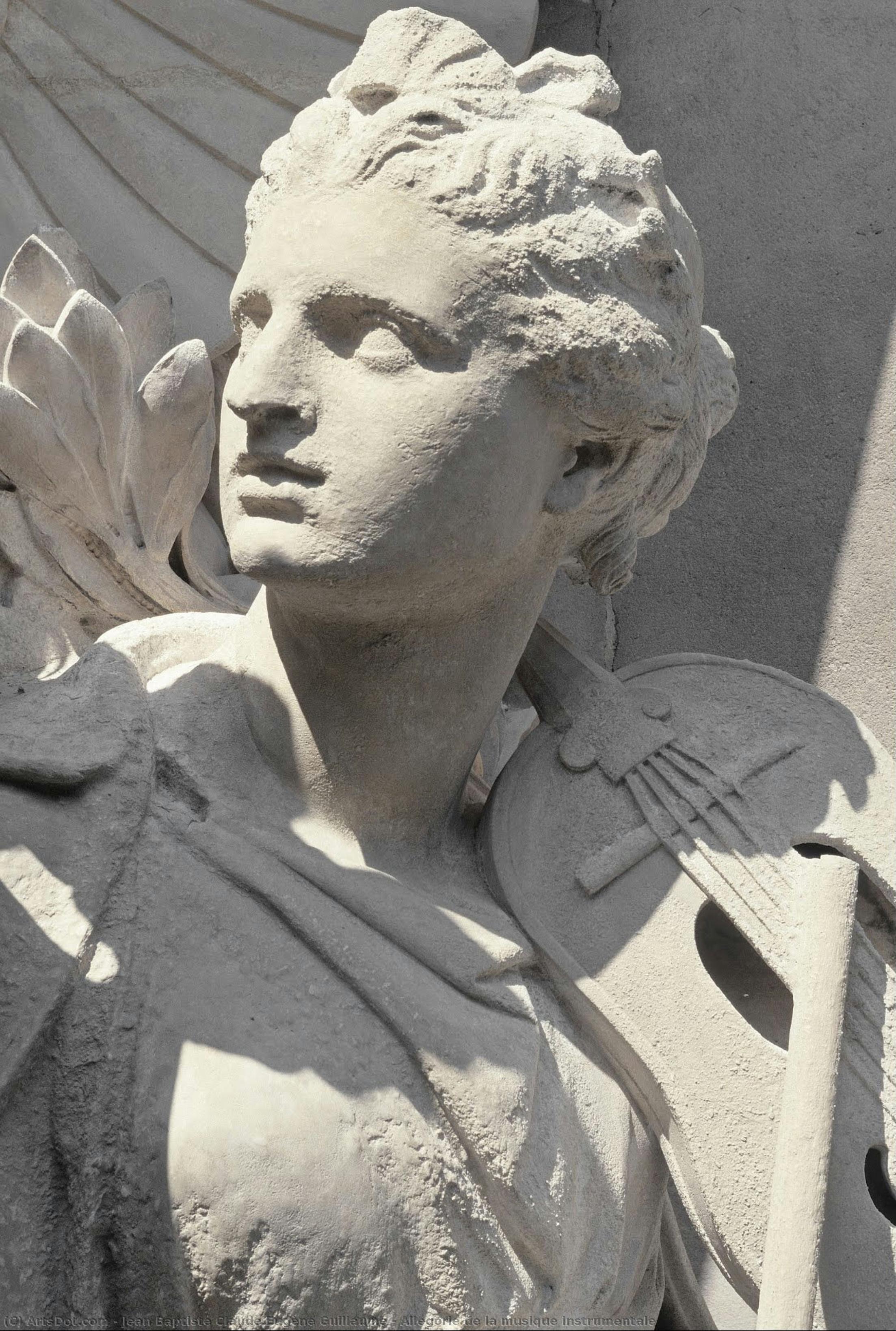
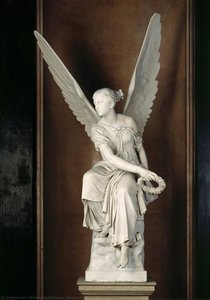
Allégorie de la musique instrumentale

 Ver más
Adquiera una imagen digital de alta resolución y optimizada, muy superior a la vista previa en línea.
Cada archivo es preparado meticulosamente por nuestros especialistas internos mediante el uso de herramientas avanzadas y un experto retoque manual. Nos aseguramos de que cada imagen posea una claridad excepcional, una precisión cromática impecable y un detalle minucioso.
El archivo final se entrega por correo electrónico en un plazo de 72 horas, optimizado para su uso inmediato en entornos profesionales, editoriales y de impresión. Esta es la misma calidad en la que confían los estudios de diseño, las editoriales y las galerías de primer nivel.
Imagen Digital
Descarga un archivo de alta resolución para exhibición personal, impresión y proyectos creativos. ( Cambiar a Impresión Comprar pintura hecha a mano)
Incluido en cada pedido de imágenes digitales
Entrega digital experta, garantizada.
Al elegir ArtsDot.com, no solo está adquiriendo una imagen; está recibiendo una obra de arte digital mejorada profesionalmente, elaborada con precisión y respaldada por una garantía de satisfacción. Esto es todo lo que incluye su pedido, automáticamente:

Entrega rápida por email
Recibirá su archivo de imagen digital en alta resolución por correo electrónico en un plazo de 72 horas tras realizar su pedido, listo para su uso inmediato.

Archivo digital optimizado por IA
Su obra de arte se optimiza profesionalmente mediante herramientas avanzadas de IA y edición manual, garantizando el máximo detalle, claridad y precisión cromática.

Reenvío gratuito de por vida
¿Has borrado o perdido tu archivo por error? No te preocupes: te lo volveremos a enviar en cualquier momento, sin coste adicional.

Sin gastos de importación, siempre
Disfrute de su obra de arte al instante sin aduanas, aranceles ni gastos de envío; las descargas digitales siempre están libres de impuestos.

Garantía de fidelidad de color
Garantizamos que su imagen digital refleje los colores originales con la mayor fidelidad posible, mediante el uso de herramientas profesionales y gestión del color.

Garantía de satisfacción de 100 días
Si no está satisfecho con su imagen digital, la revisaremos o le reembolsaremos el 100% en un plazo de 100 días, sin preguntas.

100% Garantía de devolución de dinero
¿No está satisfecho? Obtenga un reembolso completo dentro de los 100 días posteriores a la recepción de su archivo digital, sin preguntas.

Descuentos por pedidos grandes
Compra 3 imágenes, ahorra 10% - Compra 5, ahorra 15% - Compra 10+, ahorra 20%. Ideal para proyectos creativos, galerías y agencias.
Obras relacionadas




Biografía del artista
The Genesis of Classical Grace
Born in the quiet, historic surroundings of Montbard, France, Jean-Baptiste Claude Eugène Guillaume was destined to breathe life into stone and bronze. Raised in an environment where art was a fundamental language—his father being a painter—Guillaume’s early years were steeped in the aesthetics of tradition. His education at the Montbard Lycée provided him with more than just academic rigor; by studying Latin and Greek, he gained the linguistic keys to the ancient worlds that would later haunt and inspire his sculptural endeavors. This deep-seated reverence for antiquity paved the way for his 1841 entry into the prestigious École des Beaux-Arts, where he began a transformative journey under the tutelage of masters such as Cavelier, Millet, and Barrias, establishing himself firmly within the influential Parisian art scene.
A Triumph of Heroic Idealism
The trajectory of Guillaume’s career was irrevocably altered in 1845, a year marked by his monumental victory at the Prix de Rome. His winning piece, Theseus finding on a rock his father's sword, was not merely a display of technical prowess but a profound statement of heroic idealism. This achievement secured him the patronage necessary to ascend the heights of the Parisian art scene and established him as a leading voice in the revival of classical ideals during the Second Empire. Through this work, Guillaume demonstrated an uncanny ability to marry meticulous craftsmanship with the grand narratives of myth, setting a standard for the academic excellence he would later champion as Director of the École des Beaux-Arts.
The Emotional Resonance of Bronze and Stone
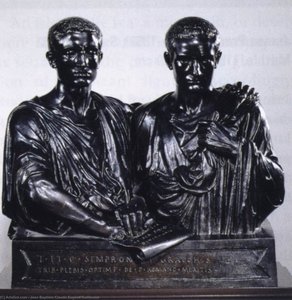
While his technical skill was undeniable, Guillaume’s true mastery lay in his ability to imbue cold materials with a palpable, human warmth. In works such as the Cenotaph of the Gracchi, created in 1848, one encounters a profound sense of solemnity and restrained power. This bronze masterpiece does not simply depict Roman figures; it captures the very essence of grief and the heavy burden of political upheaval. His ability to navigate between the monumental and the intimate allowed him to create works that ranged across various scales and subjects:
- Grand historical commemorations, such as his tributes to Colbert and Napoleon III;
- Intimate portrait busts that captured the nuanced essence of aristocratic life, including figures like Rameau and Michelangelo;
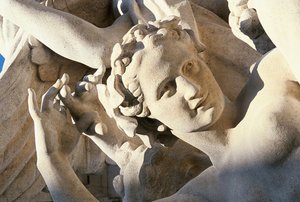
- Allegorical explorations, such as the evocative Castalia, or the Source of Poetry.
In every sculpture, whether a large-scale public monument or a delicate bust, there is an unmistakable commitment to anatomical accuracy intertwined with a modern sensibility for emotion. He possessed the rare gift of making bronze appear as heavy as sorrow and stone as fluid as memory.
A Lasting Academic Legacy
Guillaume’s influence extended far beyond the sculptor's studio. As he ascended to the roles of Director of the École des Beaux-Arts in 1864 and later Director-General of Fine Arts from 1878 to 1879, he became a guardian of academic standards during a period of significant cultural shifts. He was not only a creator but also a prolific scholar, writing extensively on the sculpture and architecture of the Classical period. His life, which concluded in Rome in 1905, remains a testament to a lifetime dedicated to the preservation and revival of beauty. Through his leadership and his enduring oeuvre, Guillaume ensured that the classical spirit would continue to resonate within the heart of French art history.
jean baptiste claude eugène guillaume
1822 - 1905 , France
Breves datos
- Artistic Movement Or Style: École des Beaux-Arts
- Artists Or Movements Influenced By This Artist: ['Michelangelo']
- Artists Who Influenced This Artist:
- Pierre Jules Cavelier
- Louis Ernest Barrias
- Date Of Birth: July 4, 1822
- Full Name: Jean Baptiste Claude Eugène Guillaume
- Nationality: French
- Notable Artworks:
- Allegorie de la musique instrumentale
- Instrumental Music
- Place Of Birth: Montbard, France