 Ver en contexto
 Enviar
 Compartir
 Detalles

 Descargar
 Similares
 Radiografía
 Presentación de diapositivas
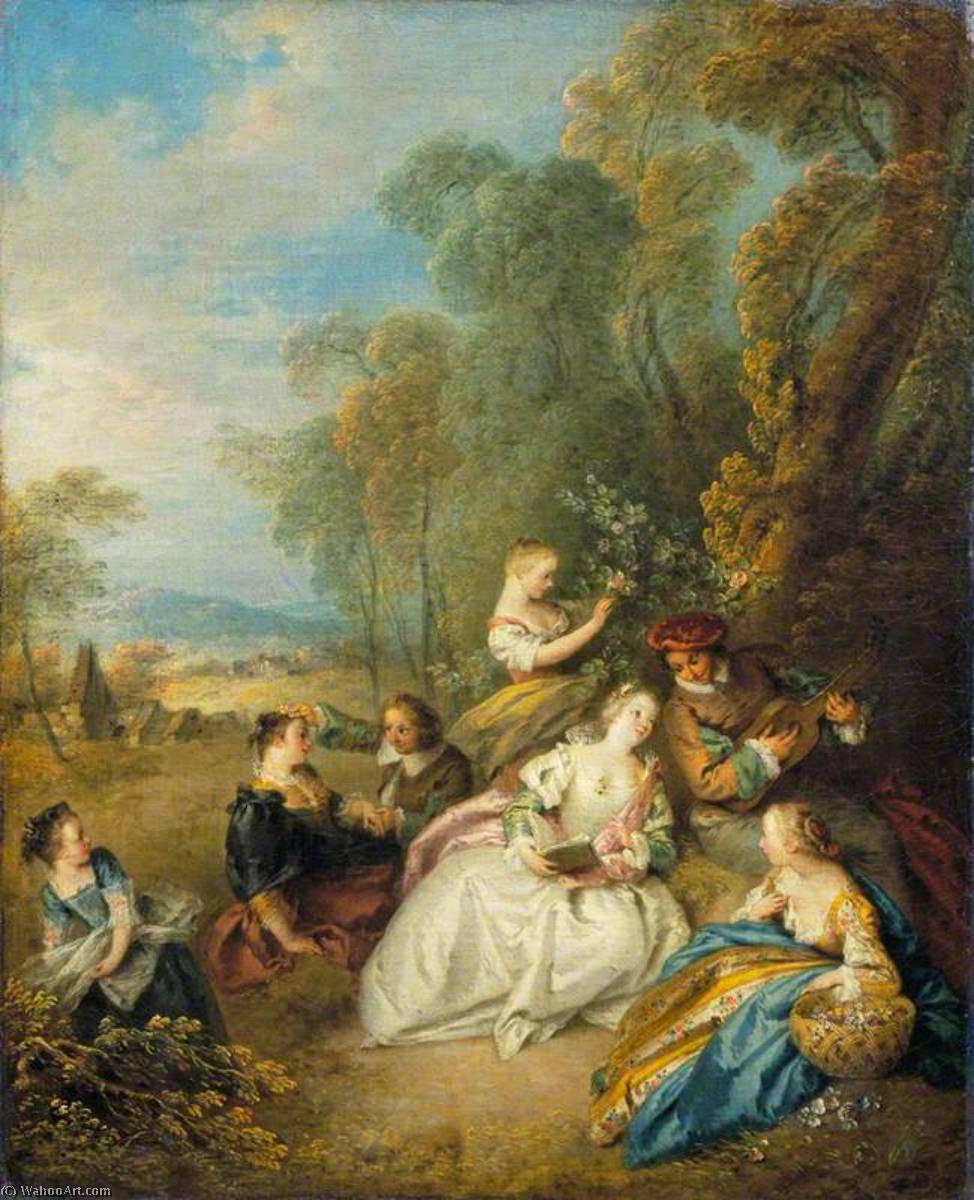
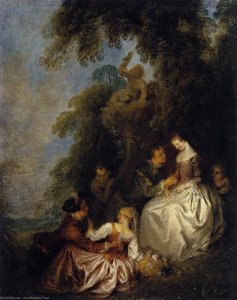
A Concert (Le concert amoureux)
 Acrylic On Canvas
- WallArt
- Rococo
 1733
1733 57.0 x 46.0 cm
 The Wallace Collection
 Ver más
Reproducción al óleo hecha a mano
Óleo sobre lienzo pintado a mano en el tamaño y marco de su elección, realizado por encargo por nuestros artistas. ( Comprar impresión Comprar imagen)




P118B $10

P118H $10

P118W $10

P438Z $10

P508JH $12

P508YH $12

P805H $10

P805Z $10

P919BZ $10

P919G $10

P919XJ $10

P959ZH $10

P968JZ $12

W106C $8

W218G $10

W218JH $8

W218Y $10

W307PJ $10

W316G $10

W316PJ $8

W316Y $10

W398PJ $8

W4111J $10

W500HY $15

W500JH $15

W692G $12

W849H $8

W940BG $15

W953PJ $8




Elija entre nuestros tamaños predefinidos que respetan las proporciones originales de la obra.

Puede ingresar sus propias dimensiones para adaptarse a un marco o espacio específico. Si el tamaño seleccionado no coincide con las proporciones de la imagen original, recortaremos la obra o extenderemos la pintura con elementos adicionales pintados a mano. Se le enviará una maqueta digital para su aprobación antes de comenzar la producción.
Tenga en cuenta que la vista previa en pantalla no refleja el recorte o la extensión reales. Solo la maqueta mostrará con precisión la composición final.
Si bien existen tamaños personalizados, recomendamos seleccionar una dimensión de la lista predefinida para preservar las proporciones originales.
Tras realizar el pedido, el equipo de ArtsDot.com enviará un correo electrónico al cliente para solicitar instrucciones y proporcionarle una vista previa del boceto.
Envío a todo el mundo () en 3-4 semanas en lugar de las 5 semanas estándar. (30 agosto). Sin comprometer la calidad.

Envío exprés gratuito a todo el mundo

Lienzo de lino de alta calidad

Seguro de envío total

Garantía de reembolso de impuestos aduaneros

Garantía de fidelidad cromática exacta

Política de devolución de 60 días (solo por defectos)

Garantía de devolución del 100% del dinero

Descuento por cantidad
 La opción de vidrio solo está disponible en tamaños inferiores a 110 cm.

A Concert (Le concert amoureux)
Técnica de reproducción
Dimensiones de la reproducción
-


Precio total final
$ 263
A Moment of Enchantment: Jean-Baptiste Pater’s “A Concert”
Jean-Baptiste Pater's "A Concert (Le concert amoureux)," painted in 1733, isn’t merely a depiction of a pastoral gathering; it’s a shimmering distillation of Rococo elegance and the fleeting joy of summer. This exquisite work, now housed within The Wallace Collection in London, transports us to a sun-drenched field where music, laughter, and youthful romance intertwine – a scene both familiar and utterly captivating. Pater, a singular pupil of the celebrated Antoine Watteau, masterfully inherited and subtly diverged from his mentor’s style, creating an atmosphere that is simultaneously reminiscent of Watteau's *fête galante* and imbued with a uniquely personal grace.
The painting unfolds as a carefully orchestrated tableau. A group of elegantly dressed figures – men in powdered wigs and women adorned in flowing gowns – are clustered together amidst a verdant landscape. A young man, likely the central figure, is engaged in conversation with a woman, their gestures suggesting an intimate exchange. Scattered around them are instruments: a lute, a violin, and a flute, hinting at the musical performance that forms the heart of this idyllic scene. Two birds – one perched on a branch above and another soaring through the sky – add to the sense of lightness and freedom, mirroring the carefree spirit of the gathering.
The Rococo Palette and Delicate Technique
Pater’s mastery lies not just in his composition but also in his exquisite technique. He employs a characteristic Rococo palette—a symphony of pastel hues: blush pinks, soft blues, pale greens, and creamy yellows – to create an atmosphere of ethereal beauty. The colors are applied with remarkable delicacy, utilizing thin washes and subtle gradations that give the painting its luminous quality. Pater’s signature technique is his use of shimmering lines; these aren't harsh outlines but rather delicate, almost imperceptible strokes that seem to vibrate with light. This creates a sense of movement and fluidity, as if the scene itself is breathing.
Notice particularly how he renders the foliage – the trees, bushes, and grasses—with an astonishing level of detail, yet always maintaining a sense of atmospheric perspective. The background recedes into a hazy distance, creating depth without sacrificing the overall feeling of intimacy. The figures themselves are painted with a similar sensitivity, their forms rendered with graceful curves and subtle modeling that emphasizes their elegance and charm.
A Legacy of Fête Galante
"A Concert" firmly places Pater within the tradition of *fête galante*, a popular genre of Rococo painting that idealized aristocratic leisure. These scenes depicted gatherings of elegantly dressed nobles enjoying picnics, hunts, or musical performances in idyllic landscapes. However, Pater’s interpretation is distinct from Watteau's. While he clearly draws inspiration from his mentor, he imbues the scene with a greater sense of immediacy and emotional warmth. The figures aren’t simply posing for an elegant tableau; they appear to be genuinely enjoying themselves, caught in a moment of shared delight.
The inclusion of the birds is particularly significant. In Rococo symbolism, birds often represented love, joy, and freedom. Their presence here reinforces the painting's theme of youthful romance and carefree pleasure. The book lying on the ground further suggests an intellectual element to this gathering – perhaps a shared reading or discussion amongst the assembled company.
A Window into 18th-Century Life
“A Concert” offers a captivating glimpse into the world of 18th-century French aristocracy. It’s a testament to Pater's skill as a painter and his ability to capture the essence of a particular moment in time. Reproductions of this work, like those offered by ArtsDot.com, allow us to appreciate Pater’s artistry and transport ourselves back to a world of refined elegance and idyllic beauty. The painting’s enduring appeal lies not only in its technical brilliance but also in its ability to evoke a sense of nostalgia for a bygone era—a time when life was lived with grace, charm, and an appreciation for the simple pleasures of companionship and music.
Obras relacionadas
Biografía del artista
Jean-Baptiste Pater: El único discípulo de Watteau
Jean-Baptiste Pater (29 de diciembre de 1695 – 25 de julio de 1736) se erige como una figura singular en los anales del arte rococó francés, siendo el único alumno documentado de Antoine Watteau, posiblemente el artista más célebre de este movimiento. Nacido en Valenciennes, Francia, la trayectoria artística de Pater comenzó bajo la tutela de su padre escultor, Antoine Pater, lo que fomentó un temprano aprecio por la forma y la maestría artesanal que informaría sus esfuerzos posteriores. Sin embargo, fue Watteau quien moldeó irrevocablemente la visión de Pater, estableciendo una relación marcada tanto por la admiración como por la fricción, una dinámica que finalmente dio lugar a uno de los pintores más influyentes de su época.- Formación temprana e influencias: Los años formativos de Pater transcurrieron perfeccionando sus habilidades bajo la guía de Antoine Pater, absorbiendo los principios fundamentales de la escultura antes de embarcarse en sus estudios artísticos con Jean-Baptiste Guide. Esta base inicial resultó inestimable cuando más tarde buscó la mentoría de Watteau en París (1713), donde el estilo distintivo del maestro —caracterizado por delicadas paletas pastel y etéreas líneas brillantes— cautivó de inmediato al joven Pater.
- La conexión con Watteau: La influencia de Watteau se extendió más allá de la mera imitación estilística; permeó el marco conceptual de Pater. A pesar del temperamento notoriamente difícil de Watteau, Pater reconoció la profunda comprensión del maestro sobre la atmósfera y la emoción, cualidades que persiguió diligentemente en su propia obra. La breve colaboración entre ambos artistas consolidó el legado de Watteau como la fuerza guía de Pater.
- Estilo y técnica rococó: El estilo artístico de Pater personificaba la estética rococó: una celebración de la elegancia, la frivolidad y el placer sensual. Empleó una técnica magistral utilizando colores pastel tradicionales y aplicando líneas brillantes con una precisión notable. Este enfoque distintivo anticipa las exploraciones posteriores de Francesco Guardi sobre la perspectiva atmosférica, demostrando las agudas habilidades observacionales y el espíritu innovador de Pater.
Obras notables y mecenazgo
La producción artística de Pater se centró principalmente en las fêtes galantes, escenas idílicas que representan reuniones aristocráticas entre jardines o paisajes, un género defendido por Watteau y perfeccionado por el propio Pater. Entre sus lienzos más celebrados se encuentra “Conversation Galante”, una representación impresionante de la refinada interacción social bañada por una luz suave, capturando la esencia de la preocupación del Rococó por la belleza y la gracia. Otro logro significativo es “Paisaje con un carro”, que muestra la capacidad de Pater para transmitir matices sutiles de textura y color, una pieza considerada precursora del uso revolucionario de la perspectiva atmosférica por parte de Guardi.- Federico el Grande: Pater alcanzó un renombre considerable gracias a sus encargos de retratos para Federico II, Rey de Prusia, específicamente “Le Sultan au Harem” y “Le Sultan au Jardin”. Estos retratos ejemplifican la habilidad de Pater para retratar la dignidad real y capturar las complejidades psicológicas de sus sujetos, consolidando su reputación como artista de la corte.
- Colecciones de museos: Las pinturas de Pater residen en prestigiosas instituciones de todo el mundo, incluyendo el Museo del Louvre en París y el Musée des Beaux-Arts de Valenciennes, testimonios de su perdurable mérito artístico y su importancia histórica.
Legado y trascendencia artística
La contribución de Jean-Baptiste Pater al arte rococó francés es innegable. Se mantiene como una figura fundamental en la captura del espíritu de su era, encarnando las innovaciones estilísticas de Watteau mientras forjaba su propia voz artística distintiva. Su técnica meticulosa y sus composiciones evocadoras continúan inspirando admiración tanto en historiadores del arte como en entusiastas, un testimonio del legado perdurable de Pater como uno de los pintores más destacados de la Francia del siglo XVIII. Para una comprensión más profunda de la vida y la obra de Pater, visite ArtsDot o explore el sitio web del Musée des Beaux-Arts de Valenciennes.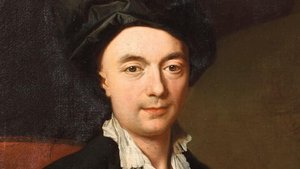
Jean-Baptiste Pater
1695 - 1736 , Francia
Datos clave
- Artistic Movement Or Style: Rococó Pastel Palette
- Artists Or Movements Influenced By This Artist: ['Francesco Guardi']
- Artists Who Influenced This Artist: ['Antoine Watteau']
- Date Of Birth: December 29, 1695
- Date Of Death: July 25, 1736
- Full Name: Jean-Baptiste Joseph Pater
- Nationality: Francés
- Notable Artworks:
- Conversation Galante
- Landscape with a Cart
- Place Of Birth: Valenciennes, France
Artículos relacionados
Jean-Baptiste Pater: Rococo Charm & Ephemeral Beauty of 18th-Century France
Explore the captivating world of Jean-Baptiste Pater, a master of Rococo painting. Discover his elegant *fête galante* scenes and shimmering portraits – a glimpse into 18th-century French aristocracy. Learn about his legacy & find high-quality reproductions.

La Estética Rococó: Opulencia, Rebelión y Placer en el Arte del Siglo XVIII
Descubre la fascinante estética rococó: su historia, características clave y los artistas más influyentes del siglo XVIII. Un análisis profundo para amantes del arte y coleccionistas.

Rococó: 10 Obras Maestras que Definieron una Época | Arte y Decoración en
Descubre las 10 obras maestras del Rococó que marcaron una época. Explora la elegancia de Fragonard, Boucher y Watteau en . Reproducciones de arte de calidad museo para decorar tu hogar con estilo.
The Allure of Elegance in Art: A Historical & Aesthetic Exploration of Refinement & Grace
Explore the exquisite world of Rococo art! Discover its history, masters (Watteau, Boucher & more), and defining elegance. Expert insights for collectors seeking museum-quality reproductions & custom portraits.
The Rococo Style: Aristocratic Leisure & the Pursuit of Delight in 18th-Century Art
Explore the opulent world of Rococo art! Discover Watteau, Boucher & Nattier's masterpieces. Expert insights for collectors seeking museum-quality reproductions and custom portraits at ArtsDot.