

 Ver en contexto
 Enviar
 Compartir
 Detalles

 Descargar
 Similares
 Radiografía
 Presentación de diapositivas
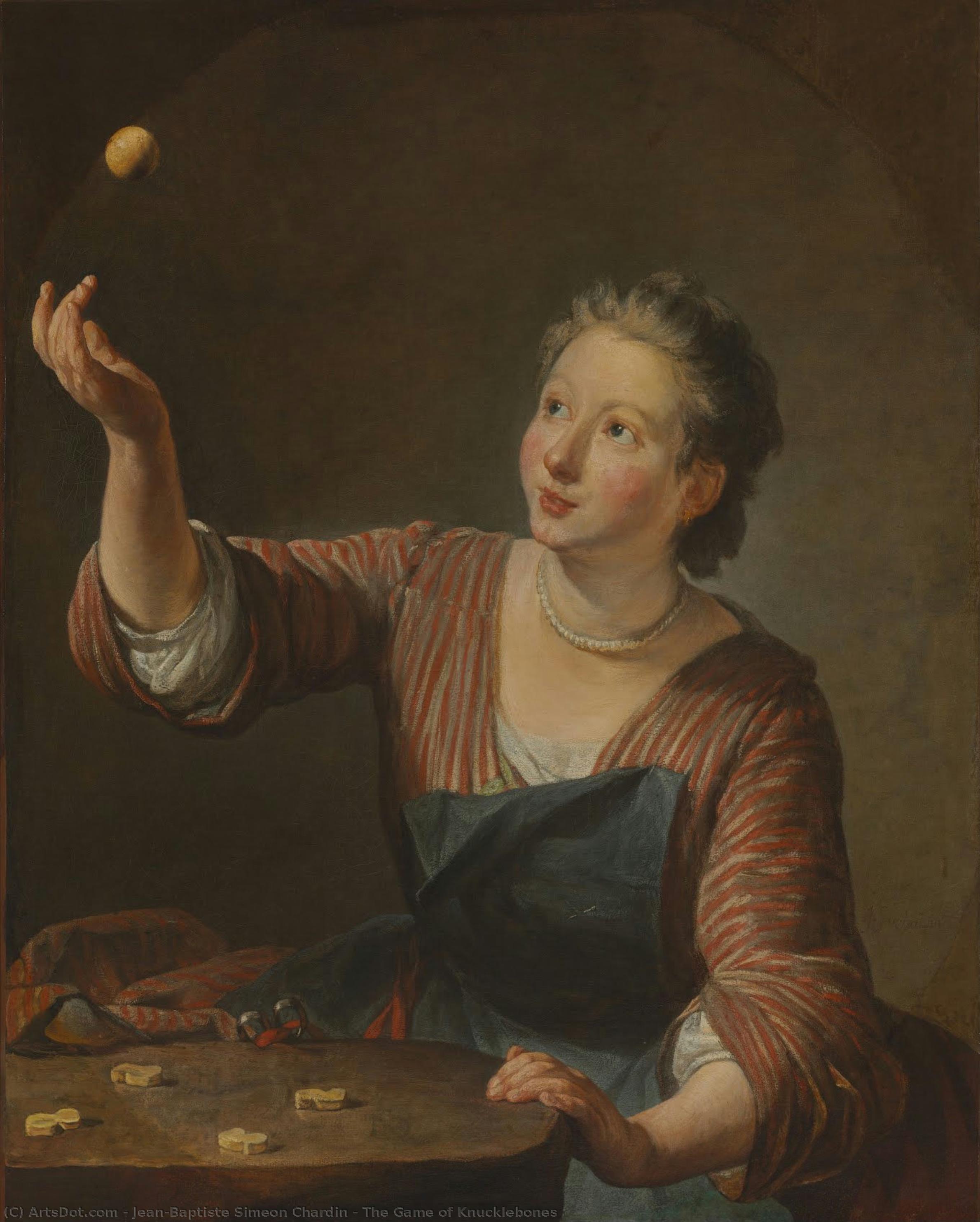
The Game of Knucklebones


 Ver más
Adquiera una imagen digital de alta resolución y optimizada, muy superior a la vista previa en línea.
Cada archivo es preparado meticulosamente por nuestros especialistas internos mediante el uso de herramientas avanzadas y un experto retoque manual. Nos aseguramos de que cada imagen posea una claridad excepcional, una precisión cromática impecable y un detalle minucioso.
El archivo final se entrega por correo electrónico en un plazo de 72 horas, optimizado para su uso inmediato en entornos profesionales, editoriales y de impresión. Esta es la misma calidad en la que confían los estudios de diseño, las editoriales y las galerías de primer nivel.
Imagen Digital
Descarga un archivo de alta resolución para exhibición personal, impresión y proyectos creativos. ( Comprar impresión Comprar pintura hecha a mano)
Incluido en cada pedido de imágenes digitales
Entrega digital experta, garantizada.
Al elegir ArtsDot.com, no solo está adquiriendo una imagen; está recibiendo una obra de arte digital mejorada profesionalmente, elaborada con precisión y respaldada por una garantía de satisfacción. Esto es todo lo que incluye su pedido, automáticamente:

Entrega rápida por email
Recibirá su archivo de imagen digital en alta resolución por correo electrónico en un plazo de 72 horas tras realizar su pedido, listo para su uso inmediato.

Archivo digital optimizado por IA
Su obra de arte se optimiza profesionalmente mediante herramientas avanzadas de IA y edición manual, garantizando el máximo detalle, claridad y precisión cromática.

Reenvío gratuito de por vida
¿Has borrado o perdido tu archivo por error? No te preocupes: te lo volveremos a enviar en cualquier momento, sin coste adicional.

Sin gastos de importación, siempre
Disfrute de su obra de arte al instante sin aduanas, aranceles ni gastos de envío; las descargas digitales siempre están libres de impuestos.

Garantía de fidelidad de color
Garantizamos que su imagen digital refleje los colores originales con la mayor fidelidad posible, mediante el uso de herramientas profesionales y gestión del color.

Garantía de satisfacción de 60 días
Si no está satisfecho con su imagen digital, la revisaremos o le reembolsaremos el 100% en un plazo de 60 días, sin preguntas.

100% Garantía de devolución de dinero
¿No está satisfecho? Obtenga un reembolso completo dentro de los 60 días posteriores a la recepción de su archivo digital, sin necesidad de explicaciones.

Descuentos por pedidos grandes
Compra 3 imágenes, ahorra 10% - Compra 5, ahorra 15% - Compra 10+, ahorra 20%. Ideal para proyectos creativos, galerías y agencias.
Descripción del coleccionable
A Moment of Quiet Contemplation: Jean-Baptiste-Siméon Chardin’s “The Game of Knucklebones”
Jean-Baptiste-Siméon Chardin's "The Game of Knucklebones," painted around 1734, isn’t a grand historical tableau or a dramatic mythological scene; instead, it offers a remarkably intimate glimpse into the everyday lives and quiet moments of 18th-century France. This unassuming oil painting, now residing within the Baltimore Museum of Art's collection, reveals a profound depth of observation and an extraordinary ability to imbue the commonplace with beauty and significance – hallmarks of Chardin’s distinctive artistic vision.
At first glance, the scene appears simple: a young woman, rendered in exquisite detail, is deeply engrossed in the traditional game of knucklebones—a pastime enjoyed by children and adults alike. She sits at a rustic wooden table, its surface worn with use and illuminated by an unseen light source. Scattered around her are the dice themselves – small, ivory-colored cubes – along with a few fallen pieces, suggesting a moment of intense concentration or perhaps a touch of playful frustration. The composition is remarkably centered on this figure, drawing our attention to her posture, expression, and the subtle gestures that reveal her engagement with the game.
A Baroque Masterpiece: Technique and Style
Chardin’s masterful technique exemplifies the Baroque style, yet it's tempered by a remarkable restraint. The painting is characterized by an intense realism—every wrinkle on the woman’s face, every texture of the fabric draped across her lap, every grain of wood in the table is rendered with meticulous precision. However, this isn’t merely a photographic depiction; Chardin employs a subtle and sophisticated use of chiaroscuro – the dramatic contrast between light and dark – to sculpt the forms and create a sense of depth and volume. The strong directional lighting, originating from an unseen source above and slightly to the left, casts deep shadows that emphasize the contours of her face and body, lending the scene a palpable atmosphere.
The brushstrokes are remarkably smooth and blended, creating a luminous quality that belies the meticulous detail. Chardin’s use of color is restrained yet evocative; muted browns, creams, and ochres dominate the palette, contributing to the painting's overall sense of quiet dignity. The texture itself feels rich and layered – one can almost imagine running a hand across the worn wood of the table or feeling the soft fabric of her dress.
Historical Context and Symbolic Resonance
“The Game of Knucklebones” offers a fascinating window into 18th-century French society. The game itself was a popular pastime, often associated with chance, fortune, and social interaction. It wasn’t simply a frivolous amusement; it held cultural significance, frequently used for divination and as a form of entertainment during gatherings. Chardin's choice to depict a woman engaged in this activity speaks volumes about the role of women in society at the time – portraying them not as passive figures but as active participants in everyday life.
Beyond its historical context, the painting is rich in symbolic resonance. The dice represent chance and uncertainty, while the woman embodies grace, composure, and a quiet strength. Her focused gaze suggests an internal world of thought and emotion—a moment of contemplation amidst the simple pleasures of the game. The fallen dice hint at the unpredictable nature of life itself, reminding us that even in moments of apparent tranquility, there is always an element of chance and uncertainty.
A Timeless Portrait of Human Experience
“The Game of Knucklebones” transcends its simple subject matter to become a profound meditation on human experience. Chardin’s ability to capture the essence of a fleeting moment—a woman lost in thought while playing a humble game—is what makes this painting so enduringly captivating. It's a testament to his extraordinary skill as an observer and interpreter of the world around him, offering us a glimpse into the quiet beauty and profound dignity of everyday life. Reproductions of this work capture not just the image but also the spirit of Chardin’s vision – a timeless portrait of human experience that continues to resonate with viewers today.
Obras relacionadas
Biografía del artista
Primeros años y formación
Jean Siméon Chardin, pintor francés, nació en París el 2 de noviembre de 1699. Es considerado uno de los maestros más grandes del bodegón y la pintura de género. La vida temprana de Chardin estuvo marcada por su nacimiento en una familia de fabricantes de armarios, lo que probablemente influyó en su interés por el arte. Rara vez abandonó París, viviendo en la orilla izquierda cerca de Saint-Sulpice hasta 1757.Carrera artística
En 1723, Chardin contrajo un acuerdo matrimonial con Marguerite Saintard, a quien no se casaría hasta 1731. Realizó aprendizajes con los pintores históricos Pierre-Jacques Cazes y Noël-Nicolas Coypel, convirtiéndose en maestro de la Académie de Saint-Luc en 1724.- Su primer reconocimiento llegó al exhibir una pintura en el 'Small Corpus Christi' en la Place Dauphine, que fue comprada por Van Loo, quien más tarde asistió al joven pintor.
- En 1728, presentó "La Raya" y "El Buffet", lo que condujo a su admisión en la Académie Royale de Peinture et de Sculpture.
Obras notables y exposiciones
El trabajo de Chardin ganó popularidad a través de grabados reproductivos, lo que le proporcionó ingresos en forma de regalías. Entre sus obras más destacadas se encuentran:- Los Rompedores de Piedras, una obra maestra que muestra su habilidad en el bodegón.
- Bodegón con manzanas y una jarra, que demuestra su uso de la suave difusión de la luz y el impasto granular.
Estilo e Influencias
El estilo de Chardin se caracteriza por su sobriedad, realismo y una atmósfera tranquila. A diferencia de muchos de sus contemporáneos, evitó los temas grandiosos y heroicos, prefiriendo representar escenas cotidianas y objetos humildes con gran detalle y sensibilidad. Su uso de la luz es sutil pero efectivo, creando una sensación de intimidad y calidez en sus obras. Se cree que Chardin estuvo influenciado por el naturalismo holandés del siglo XVII, así como por los pintores franceses de género como Jean-Baptiste Paternostre. Su enfoque en la observación directa y su rechazo a la idealización lo distinguen de otros artistas de su época.Legado
El legado de Chardin como maestro del bodegón y la pintura de género continúa inspirando a artistas y entusiastas del arte por igual. Su trabajo, caracterizado por una composición cuidadosamente equilibrada, una suave difusión de la luz y un impasto granular, sigue siendo un testimonio de su habilidad y dedicación al oficio. Explore más en Wikipedia: historia de la pintura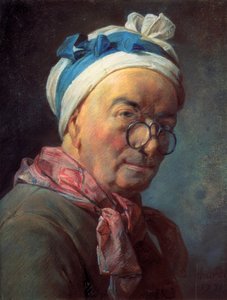
Jean-Baptiste-Siméon Chardin
1699 - 1779 , Francia
Breves datos
- Artistas Influyentes:
- Pierre-Jacques Cazes
- Noël-Nicolas Coypel
- Estilo Artístico: Realismo, Bodegón
- Fecha De Fallecimiento: 1779
- Fecha De Nacimiento: 2 de noviembre de 1699
- Lugar De Nacimiento: París, Francia
- Nacionalidad: Francés
- Nombre Completo: Jean-Baptiste-Siméon Chardin
- Obras Notables:
- Los picapedreros
- Bodegón con manzanas y jarra
- ¡Oh! Si tan solo fuera fiel a mí
- Autorretrato con gafas

