 Ver en contexto
 Enviar
 Compartir
 Detalles

 Descargar
 Similares
 Radiografía
 Presentación de diapositivas
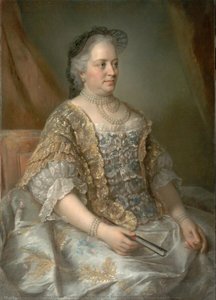
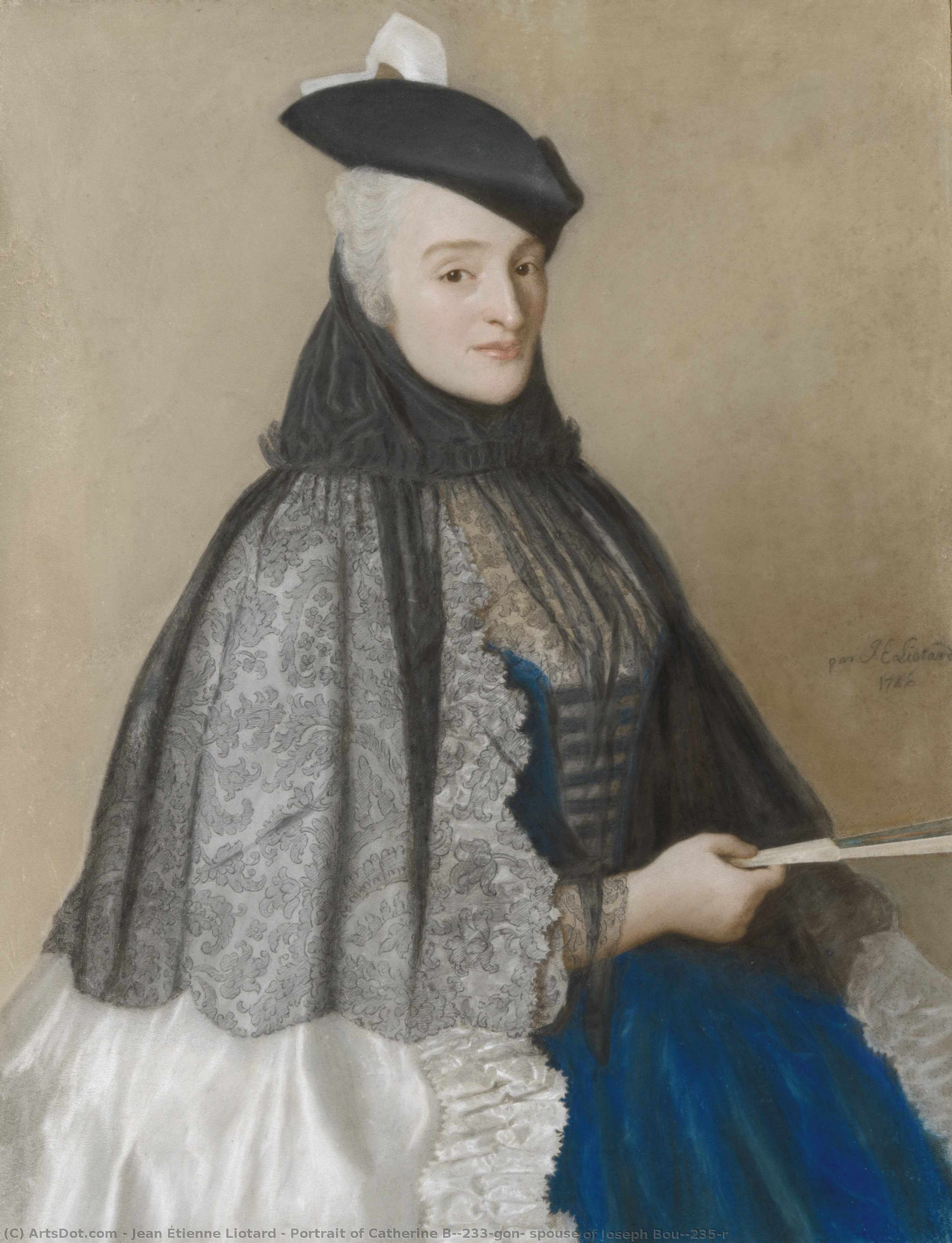
Portrait of Catherine Bégon, spouse of Joseph Bouër


 Ver más
Reproducción al óleo hecha a mano
Óleo sobre lienzo pintado a mano en el tamaño y marco de su elección, realizado por encargo por nuestros artistas. ( Comprar impresión Comprar imagen)




P118B $10

P118H $10

P118W $10

P438Z $10

P508JH $12

P508YH $12

P805H $10

P805Z $10

P919BZ $10

P919G $10

P919XJ $10

P959ZH $10

P968JZ $12

W106C $8

W218G $10

W218JH $8

W218Y $10

W307PJ $10

W316G $10

W316PJ $8

W316Y $10

W398PJ $8

W4111J $10

W500HY $15

W500JH $15

W692G $12

W849H $8

W940BG $15

W953PJ $8




Elija entre nuestros tamaños predefinidos que respetan las proporciones originales de la obra.

Puede ingresar sus propias dimensiones para adaptarse a un marco o espacio específico. Si el tamaño seleccionado no coincide con las proporciones de la imagen original, recortaremos la obra o extenderemos la pintura con elementos adicionales pintados a mano. Se le enviará una maqueta digital para su aprobación antes de comenzar la producción.
Tenga en cuenta que la vista previa en pantalla no refleja el recorte o la extensión reales. Solo la maqueta mostrará con precisión la composición final.
Si bien existen tamaños personalizados, recomendamos seleccionar una dimensión de la lista predefinida para preservar las proporciones originales.
Tras realizar el pedido, el equipo de ArtsDot.com enviará un correo electrónico al cliente para solicitar instrucciones y proporcionarle una vista previa del boceto.
Envío a todo el mundo () en 3-4 semanas en lugar de las 5 semanas estándar. (4 septiembre). Sin comprometer la calidad.

Envío exprés gratuito a todo el mundo

Lienzo de lino de alta calidad

Seguro de envío total

Garantía de reembolso de impuestos aduaneros

Garantía de fidelidad cromática exacta

Política de devolución de 60 días (solo por defectos)

Garantía de devolución del 100% del dinero

Descuento por cantidad
 La opción de vidrio solo está disponible en tamaños inferiores a 110 cm.

Portrait of Catherine Bégon, spouse of Joseph Bouër
Técnica de reproducción
Dimensiones de la reproducción
-


Precio total final
$ 263
A Glimpse of Elegance: Catherine Bégon’s Portrait by Liotard
Jean-Étienne Liotard's "Portrait of Catherine Bégon, Spouse of Joseph Bouër," painted in 1746, is more than a simple likeness; it’s an exquisite distillation of Rococo artistry—a shimmering tableau of grace, refinement, and subtle intrigue. This pastel masterpiece, currently residing within the hallowed halls of the Rijksmuseum in Amsterdam, offers a captivating window into the world of 18th-century French aristocracy, revealing not just a woman's beauty but also the delicate dance between social standing and artistic expression.
The portrait immediately draws the eye to Catherine Bégon herself. Dressed in a sumptuous Venetian carnival costume—a deliberate nod to the fashionable masquerades of the era—she embodies an air of poised elegance. The vibrant, layered application of pastel hues creates a remarkable sense of texture and depth; the silk of her gown seems to shimmer with light, while the intricate details of her headdress and jewelry are rendered with breathtaking precision. Liotard’s masterful use of color isn't merely decorative; it’s carefully calibrated to evoke a specific mood—a blend of sophistication, mystery, and quiet confidence.
The Painter’s Technique: Pastel as Poetry
Liotard was renowned for his virtuosity with pastel, a medium he elevated to an art form. Unlike the heavier oils favored by many of his contemporaries, pastel allowed for unparalleled delicacy and luminosity. He employed a technique known as “glazing,” layering thin washes of color upon one another to build up depth and richness. This meticulous approach is particularly evident in the portrait’s delicate rendering of fabric and skin tones—a testament to Liotard's keen eye for detail and his ability to capture the subtle nuances of light and shadow.
Furthermore, Liotard’s use of white pastel was revolutionary. Rather than relying solely on darker pigments to create contrast, he strategically employed white to lift color from the paper, creating a luminous effect that is both ethereal and remarkably realistic. This technique, combined with his masterful blending skills, results in an image that seems to radiate an inner light—a characteristic that defines much of Liotard’s work.
A Window into a World of Intrigue
The portrait's historical context adds another layer of fascination. Catherine Bégon was the wife of Joseph Bouër, a prominent figure in Amsterdam’s merchant community. The choice of a Venetian carnival costume suggests a deliberate attempt to project an image of worldly sophistication and social grace—a fitting representation for a woman navigating the complexities of aristocratic society. The inclusion of a book or scroll hints at her intellectual pursuits, further enriching our understanding of her character.
Interestingly, Liotard’s background as a collector and dealer in art also informs this portrait. He was deeply familiar with the latest fashions and trends, and his ability to capture them with such exquisite detail speaks to his keen eye for beauty and his deep appreciation for the arts. The portrait itself can be viewed as an embodiment of these values—a celebration of elegance, refinement, and artistic skill.
Symbolism and Emotional Resonance
Beyond its technical brilliance, “Portrait of Catherine Bégon” resonates with a profound sense of emotional depth. The woman’s gaze is direct and engaging, inviting the viewer to connect with her on a personal level. There's an underlying serenity in her expression—a quiet confidence that speaks volumes about her character. The pastel medium itself contributes to this effect, lending a softness and intimacy to the image that is rarely achieved with other painting techniques.
Ultimately, Liotard’s portrait transcends mere representation; it captures a fleeting moment of beauty, grace, and sophistication—a timeless testament to the enduring power of art to illuminate the human spirit. It remains a captivating work, offering viewers an intimate glimpse into the world of 18th-century France and the artistry of one of its most celebrated painters.
Obras relacionadas

Biografía del artista
Jean-Étienne Liotard (1702–1789)
Jean-Étienne Liotard, a Genevan painter, art connoisseur, and dealer, was born on December 22, 1702, in Geneva, Switzerland. His parents, French Protestants, had fled to Geneva after 1685. Liotard’s artistic journey began under the guidance of professors Daniel Gardelle and Petitot, whose enamels and miniatures he skillfully replicated. These formative influences instilled a meticulous attention to detail that would characterize his entire oeuvre.Early Life and Training
Liotard received an exceptional education for his time, focusing on both painting techniques – particularly enamel work and miniature painting – and the study of classical art history. He honed his skills under the tutelage of Gardelle and Petitot, mastering the intricacies of these mediums and absorbing the stylistic principles of the Baroque era. This rigorous training laid the foundation for his later success as a portraitist and pastel artist.Artistic Career: Travels and Patronage
Liotard embarked on extensive travels throughout Europe – Paris, Rome, Constantinople (Istanbul), Vienna – establishing himself as one of the most sought-after painters of his generation. His portraits commanded considerable prestige among aristocratic circles, securing him lucrative commissions and cementing his reputation as a master craftsman. Notably, he served as painter to Emperor Joseph II in Vienna, gaining access to royal courts and influencing artistic tastes across Central Europe. He cultivated relationships with influential collectors and patrons who recognized the exceptional quality of his work.Notable Works and Style
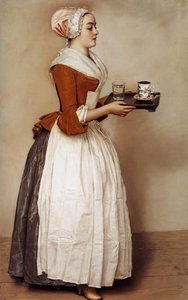
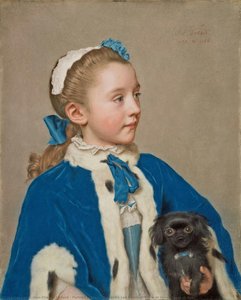
Liotard’s distinctive style is primarily defined by his mastery of pastel – a medium he embraced wholeheartedly and elevated to new heights of expressive subtlety. His canvases shimmer with delicate hues and luminous textures, capturing fleeting moments of beauty with remarkable precision. Among his most celebrated paintings are *Dutch Girl at Breakfast*, a masterful depiction of domestic tranquility; *La Liseuse, The Chocolate Girl*, an exquisitely rendered portrait conveying grace and contemplation; and *Maria Frederike van Reede-Athlone at Seven*, showcasing Liotard’s ability to convey psychological depth through naturalistic observation. His meticulous attention to detail—particularly in capturing the nuances of facial expression—established him as a pioneer of psychological realism within his era. Furthermore, he was an avid collector of antiquities and artworks from antiquity and Renaissance, which profoundly impacted his artistic vision and informed his stylistic choices.Legacy and Influence
Jean-Étienne Liotard’s legacy extends beyond his impressive body of work. He championed the importance of drawing as a fundamental element of painting, advocating for clarity, firmness, fluidity, delicacy, and truthfulness—principles that resonated deeply with fellow artists of his time. His treatise *Traité des principes et des règles de la peinture* (1781) remains a seminal text on artistic technique and aesthetic philosophy. Liotard died in Geneva in June 12, 1789, leaving behind an enduring contribution to European art history—a testament to the power of observation, meticulous craftsmanship, and unwavering devotion to artistic excellence. He is remembered as one of the foremost pastel artists of his era and a champion of classical ideals within the burgeoning Romantic movement.
Jean-Étienne Liotard
1702 - 1789 , Suiza
Datos clave
- Artistic Movement Or Style: Pastoralism
- Artists Or Movements Influenced By This Artist:
- Jean Baptiste Massé
- François Lemoyne
- Artists Who Influenced This Artist:
- Daniel Gardelle
- Petitot
- Date Of Birth: December 22, 1702
- Date Of Death: June 12, 1789
- Full Name: Jean-Étienne Liotard
- Nationality: Swiss
- Notable Artworks:
- Dutch Girl at Breakfast
- La Liseuse, The Chocolate Girl
- Maria Frederike van Reede-Athlone at Seven
- Place Of Birth: Geneva, Switzerland
Artículos relacionados

La Estética Rococó: Opulencia, Rebelión y Placer en el Arte del Siglo XVIII
Descubre la fascinante estética rococó: su historia, características clave y los artistas más influyentes del siglo XVIII. Un análisis profundo para amantes del arte y coleccionistas.
The Subdued Radiance of Pastel: Exploring Nuance & Emotion in Art
Explore the nuanced world of pastel art! Discover its history, techniques & emotional power with expert insights from ArtsDot.com. Find museum-quality reproductions and learn about collecting this delicate medium.

Rococó: 10 Obras Maestras que Definieron una Época | Arte y Decoración en
Descubre las 10 obras maestras del Rococó que marcaron una época. Explora la elegancia de Fragonard, Boucher y Watteau en . Reproducciones de arte de calidad museo para decorar tu hogar con estilo.
Jean-Étienne Liotard: Rococo Portraiture & the Pursuit of Naturalism
Explore the exquisite Rococo portraits of Jean-Étienne Liotard, a master of pastel and enamel. Discover his innovative techniques, captivating Turkish scenes, and lasting influence on art history. Learn more at ArtsDot.
La Sutileza del Pastel: Técnica, Historia y Resonancia Emocional en el Arte
Descubre la sutileza del pastel: técnica, historia y artistas clave como Degas y Renoir. Guías expertas sobre materiales, conservación y cómo expresar emociones a través de este bello arte.