

 Ver en contexto
 Enviar
 Compartir
 Detalles

 Descargar
 Similares
 Radiografía
 Presentación de diapositivas
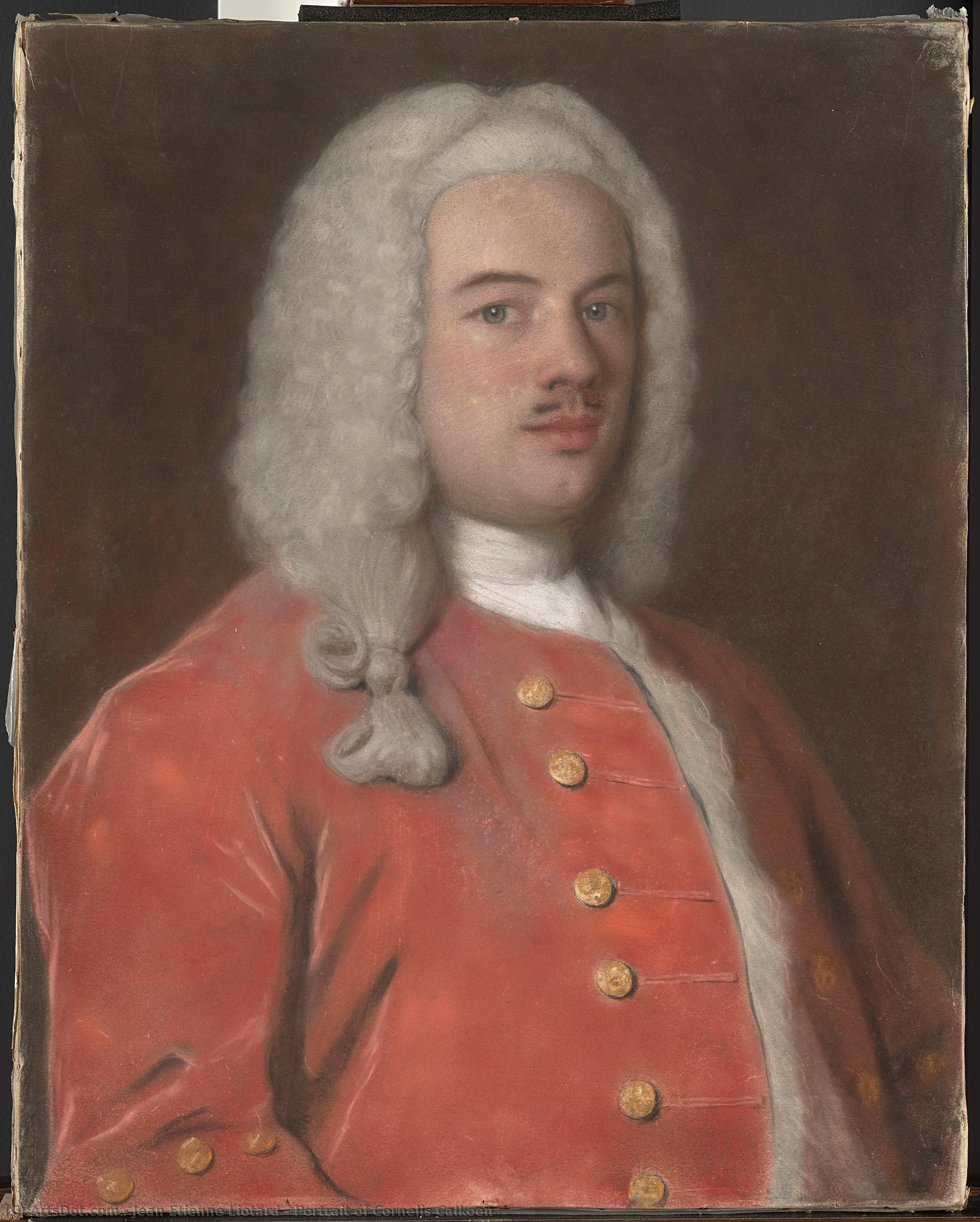
Portrait of Cornelis Calkoen


 Ver más
Adquiera una imagen digital de alta resolución y optimizada, muy superior a la vista previa en línea.
Cada archivo es preparado meticulosamente por nuestros especialistas internos mediante el uso de herramientas avanzadas y un experto retoque manual. Nos aseguramos de que cada imagen posea una claridad excepcional, una precisión cromática impecable y un detalle minucioso.
El archivo final se entrega por correo electrónico en un plazo de 72 horas, optimizado para su uso inmediato en entornos profesionales, editoriales y de impresión. Esta es la misma calidad en la que confían los estudios de diseño, las editoriales y las galerías de primer nivel.
Imagen Digital
Descarga un archivo de alta resolución para exhibición personal, impresión y proyectos creativos. ( Comprar impresión Comprar pintura hecha a mano)
Incluido en cada pedido de imágenes digitales
Entrega digital experta, garantizada.
Al elegir ArtsDot.com, no solo está adquiriendo una imagen; está recibiendo una obra de arte digital mejorada profesionalmente, elaborada con precisión y respaldada por una garantía de satisfacción. Esto es todo lo que incluye su pedido, automáticamente:

Entrega rápida por email
Recibirá su archivo de imagen digital en alta resolución por correo electrónico en un plazo de 72 horas tras realizar su pedido, listo para su uso inmediato.

Archivo digital optimizado por IA
Su obra de arte se optimiza profesionalmente mediante herramientas avanzadas de IA y edición manual, garantizando el máximo detalle, claridad y precisión cromática.

Reenvío gratuito de por vida
¿Has borrado o perdido tu archivo por error? No te preocupes: te lo volveremos a enviar en cualquier momento, sin coste adicional.

Sin gastos de importación, siempre
Disfrute de su obra de arte al instante sin aduanas, aranceles ni gastos de envío; las descargas digitales siempre están libres de impuestos.

Garantía de fidelidad de color
Garantizamos que su imagen digital refleje los colores originales con la mayor fidelidad posible, mediante el uso de herramientas profesionales y gestión del color.

Garantía de satisfacción de 60 días
Si no está satisfecho con su imagen digital, la revisaremos o le reembolsaremos el 100% en un plazo de 60 días, sin preguntas.

100% Garantía de devolución de dinero
¿No está satisfecho? Obtenga un reembolso completo dentro de los 60 días posteriores a la recepción de su archivo digital, sin necesidad de explicaciones.

Descuentos por pedidos grandes
Compra 3 imágenes, ahorra 10% - Compra 5, ahorra 15% - Compra 10+, ahorra 20%. Ideal para proyectos creativos, galerías y agencias.
Descripción del coleccionable
Portrait of Cornelis Calkoen: A Glimpse into 18th-Century Nobility Through Liotard’s Delicate Brush
Jean-Étienne Liotard's "Portrait of Cornelis Calkoen," painted around 1738-1742, is more than just a likeness; it’s a meticulously crafted window into the world of 18th-century European aristocracy. This captivating portrait, now housed in various collections and widely reproduced, reveals Liotard's mastery of pastel and his profound understanding of capturing not only physical appearance but also the subtle nuances of personality and social standing. The painting immediately draws the eye with its vibrant red coat, a bold statement against the muted browns and creams that define the background – a deliberate choice designed to elevate Calkoen’s status and draw attention to his commanding presence.
Liotard's style is distinctly Rococo, characterized by an emphasis on elegance, grace, and a certain theatricality. He moved away from the rigid formality of earlier portraiture, embracing a more relaxed and intimate approach. This is evident in Calkoen’s pose – he isn’t stiffly upright but leans slightly forward, engaging the viewer with a direct gaze. His powdered wig, meticulously styled according to the fashions of the time, frames his face, while the delicate folds of his clothing are rendered with remarkable precision, showcasing Liotard's skill in layering and blending pastel hues to create a sense of texture and depth.
The Art of Pastel: Technique and Innovation
Liotard was particularly renowned for his virtuosity with pastel – a medium he exploited to its fullest potential. Unlike oil paints, which require extensive drying time, pastels allow the artist to work directly on the paper, creating incredibly luminous and delicate effects. He employed a technique of ‘stippling’ and ‘hatching,’ building up layers of color through tiny dots and short lines, achieving an astonishing level of detail and tonal variation. Notice how he uses subtle gradations of pinks and reds to capture the sheen of Calkoen's coat, while delicate blues and greens are used to suggest the fabric beneath. This masterful control over the medium is a hallmark of Liotard’s work.
Furthermore, Liotard’s use of light is particularly noteworthy. The soft, diffused lighting creates an atmosphere of intimacy and serenity, highlighting Calkoen's features without harshness. The background is deliberately blurred, directing the viewer’s attention entirely to the subject. This technique, combined with his meticulous rendering of textures – from the velvet of the coat to the sheen of the wig – contributes significantly to the portrait’s overall realism and impact.
Symbolism and Social Context
Beyond its technical brilliance, “Portrait of Cornelis Calkoen” offers a glimpse into the social dynamics of 18th-century Europe. The subject himself, Cornelis Calkoen, was likely a member of the landed gentry – evidenced by his attire and bearing. The red coat, often associated with nobility and military rank, signifies wealth and status. The inclusion of gold buttons further emphasizes this distinction. The portrait served not merely as a representation of an individual but also as a visual declaration of social standing, reflecting the importance of lineage and patronage within that era.
Interestingly, Liotard’s travels throughout Europe – to Paris, Rome, Istanbul, and Vienna – profoundly influenced his artistic style. His time in Constantinople, particularly, exposed him to Turkish culture and aesthetics, which can be seen reflected in the subtle details of Calkoen's attire and the overall atmosphere of the portrait. The painting is a testament to Liotard’s ability to synthesize diverse influences into a uniquely personal and compelling artistic vision.
A Timeless Masterpiece: Reproduction and Inspiration
Today, “Portrait of Cornelis Calkoen” remains a beloved example of Rococo portraiture. Its delicate beauty, technical sophistication, and evocative symbolism continue to captivate viewers centuries after its creation. Reproductions, such as those offered by ArtsDot.com, allow us to appreciate Liotard’s artistry in our own homes, bringing a touch of elegance and historical insight into any space. The painting's enduring appeal lies not only in its aesthetic qualities but also in its ability to transport us back to a world of aristocratic grandeur and artistic innovation.
Obras relacionadas

Biografía del artista
Jean-Étienne Liotard (1702–1789)
Jean-Étienne Liotard, a Genevan painter, art connoisseur, and dealer, was born on December 22, 1702, in Geneva, Switzerland. His parents, French Protestants, had fled to Geneva after 1685. Liotard’s artistic journey began under the guidance of professors Daniel Gardelle and Petitot, whose enamels and miniatures he skillfully replicated. These formative influences instilled a meticulous attention to detail that would characterize his entire oeuvre.Early Life and Training
Liotard received an exceptional education for his time, focusing on both painting techniques – particularly enamel work and miniature painting – and the study of classical art history. He honed his skills under the tutelage of Gardelle and Petitot, mastering the intricacies of these mediums and absorbing the stylistic principles of the Baroque era. This rigorous training laid the foundation for his later success as a portraitist and pastel artist.Artistic Career: Travels and Patronage
Liotard embarked on extensive travels throughout Europe – Paris, Rome, Constantinople (Istanbul), Vienna – establishing himself as one of the most sought-after painters of his generation. His portraits commanded considerable prestige among aristocratic circles, securing him lucrative commissions and cementing his reputation as a master craftsman. Notably, he served as painter to Emperor Joseph II in Vienna, gaining access to royal courts and influencing artistic tastes across Central Europe. He cultivated relationships with influential collectors and patrons who recognized the exceptional quality of his work.Notable Works and Style
Liotard’s distinctive style is primarily defined by his mastery of pastel – a medium he embraced wholeheartedly and elevated to new heights of expressive subtlety. His canvases shimmer with delicate hues and luminous textures, capturing fleeting moments of beauty with remarkable precision. Among his most celebrated paintings are *Dutch Girl at Breakfast*, a masterful depiction of domestic tranquility; *La Liseuse, The Chocolate Girl*, an exquisitely rendered portrait conveying grace and contemplation; and *Maria Frederike van Reede-Athlone at Seven*, showcasing Liotard’s ability to convey psychological depth through naturalistic observation. His meticulous attention to detail—particularly in capturing the nuances of facial expression—established him as a pioneer of psychological realism within his era. Furthermore, he was an avid collector of antiquities and artworks from antiquity and Renaissance, which profoundly impacted his artistic vision and informed his stylistic choices.Legacy and Influence
Jean-Étienne Liotard’s legacy extends beyond his impressive body of work. He championed the importance of drawing as a fundamental element of painting, advocating for clarity, firmness, fluidity, delicacy, and truthfulness—principles that resonated deeply with fellow artists of his time. His treatise *Traité des principes et des règles de la peinture* (1781) remains a seminal text on artistic technique and aesthetic philosophy. Liotard died in Geneva in June 12, 1789, leaving behind an enduring contribution to European art history—a testament to the power of observation, meticulous craftsmanship, and unwavering devotion to artistic excellence. He is remembered as one of the foremost pastel artists of his era and a champion of classical ideals within the burgeoning Romantic movement.
Jean-Étienne Liotard
1702 - 1789 , Suiza
Breves datos
- Artistic Movement Or Style: Pastoralism
- Artists Or Movements Influenced By This Artist:
- Jean Baptiste Massé
- François Lemoyne
- Artists Who Influenced This Artist:
- Daniel Gardelle
- Petitot
- Date Of Birth: December 22, 1702
- Date Of Death: June 12, 1789
- Full Name: Jean-Étienne Liotard
- Nationality: Swiss
- Notable Artworks:
- Dutch Girl at Breakfast
- La Liseuse, The Chocolate Girl
- Maria Frederike van Reede-Athlone at Seven
- Place Of Birth: Geneva, Switzerland

