 Ver en contexto
 Enviar
 Compartir
 Detalles

 Descargar
 Similares
 Radiografía
 Presentación de diapositivas
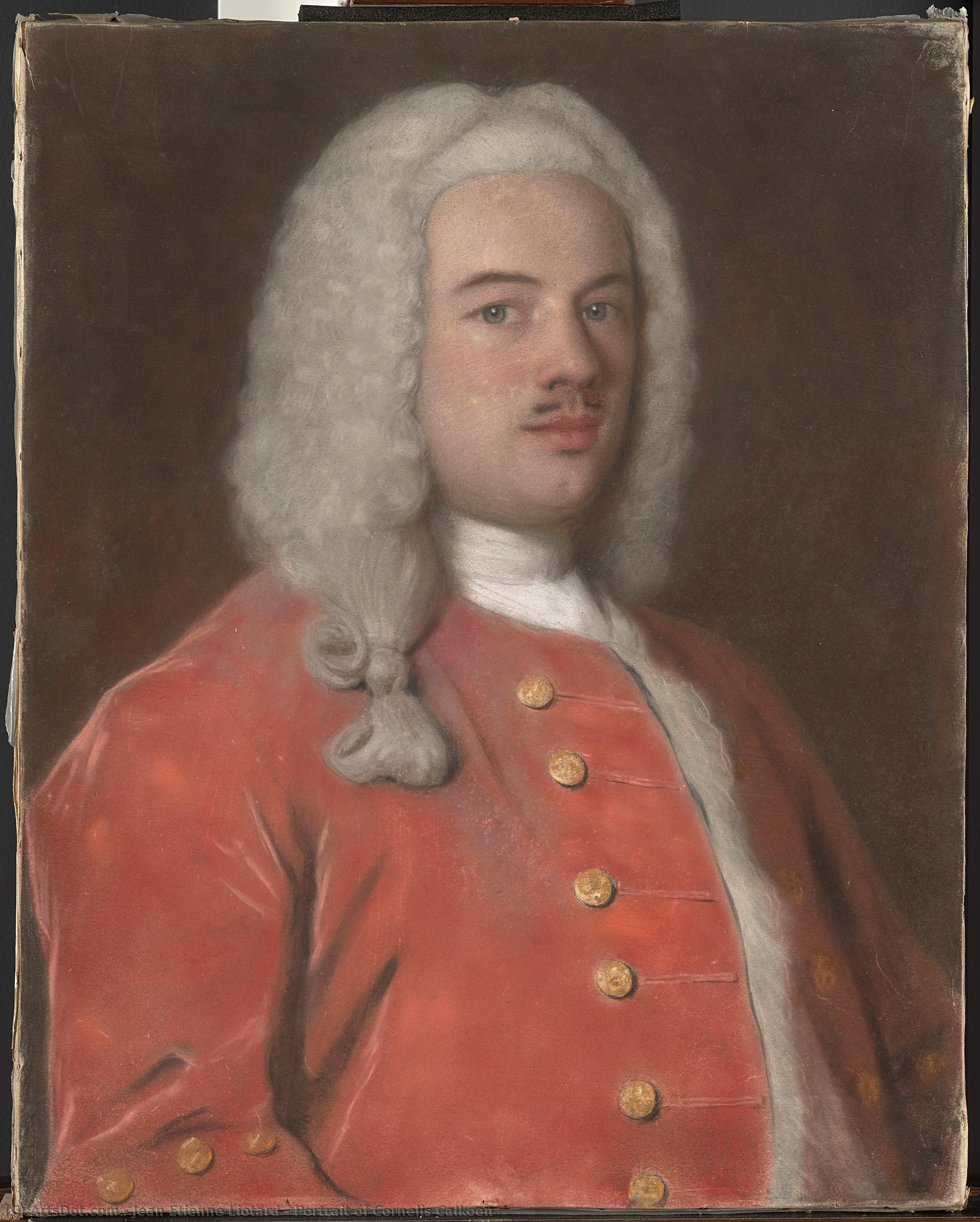
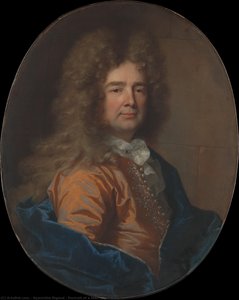
Portrait of Cornelis Calkoen


 Ver más
Giclée / Impresión de arte
Impresiones giclée o en lienzo de calidad de museo con producción rápida y opciones de acabado flexibles. ( Comprar pintura hecha a mano Comprar imagen)




P118B $10

P118H $10

P118W $10

P438Z $10

P508JH $12

P508YH $12

P805H $10

P805Z $10

P919BZ $10

P919G $10

P919XJ $10

P959ZH $10

P968JZ $12

W106C $8

W218G $10

W218JH $8

W218Y $10

W307PJ $10

W316G $10

W316PJ $8

W316Y $10

W398PJ $8

W4111J $10

W500HY $15

W500JH $15

W692G $12

W849H $8

W940BG $15

W953PJ $8




Elija entre nuestros tamaños predefinidos que respetan las proporciones originales de la obra.

Puede introducir sus propias dimensiones para adaptarse a un marco o espacio específico. Si el tamaño seleccionado no coincide con las proporciones de la imagen original, recortaremos la obra de arte o extenderemos la imagen con un borde con efecto espejo o de color sólido. Se enviará una maqueta digital para su aprobación antes de que comience la producción.
Tenga en cuenta que la vista previa en pantalla no refleja el recorte o la extensión real. Solo la maqueta mostrará con precisión la composición final.
Aunque existen tamaños personalizados, recomendamos seleccionar una dimensión de la lista predefinida para preservar las proporciones originales.
Envío a todo el mundo () en 2 semanas en lugar de las 4/5 semanas estándar. (26 agosto)

Envío exprés gratuito a todo el mundo

Lienzo de lino de alta calidad

Seguro de envío total

Garantía de reembolso de impuestos aduaneros

Garantía de fidelidad cromática exacta

Política de devolución de 60 días (solo por defectos)

Garantía de devolución del 100% del dinero

Descuento por cantidad
 La opción de vidrio solo está disponible en tamaños inferiores a 110 cm.

Portrait of Cornelis Calkoen
Giclée / Impresión de arte
Dimensiones de la reproducción
-


Precio total final
$ 62
Descripción de la pieza
Portrait of Cornelis Calkoen: A Glimpse into 18th-Century Nobility Through Liotard’s Delicate Brush
Jean-Étienne Liotard's "Portrait of Cornelis Calkoen," painted around 1738-1742, is more than just a likeness; it’s a meticulously crafted window into the world of 18th-century European aristocracy. This captivating portrait, now housed in various collections and widely reproduced, reveals Liotard's mastery of pastel and his profound understanding of capturing not only physical appearance but also the subtle nuances of personality and social standing. The painting immediately draws the eye with its vibrant red coat, a bold statement against the muted browns and creams that define the background – a deliberate choice designed to elevate Calkoen’s status and draw attention to his commanding presence.
Liotard's style is distinctly Rococo, characterized by an emphasis on elegance, grace, and a certain theatricality. He moved away from the rigid formality of earlier portraiture, embracing a more relaxed and intimate approach. This is evident in Calkoen’s pose – he isn’t stiffly upright but leans slightly forward, engaging the viewer with a direct gaze. His powdered wig, meticulously styled according to the fashions of the time, frames his face, while the delicate folds of his clothing are rendered with remarkable precision, showcasing Liotard's skill in layering and blending pastel hues to create a sense of texture and depth.
The Art of Pastel: Technique and Innovation
Liotard was particularly renowned for his virtuosity with pastel – a medium he exploited to its fullest potential. Unlike oil paints, which require extensive drying time, pastels allow the artist to work directly on the paper, creating incredibly luminous and delicate effects. He employed a technique of ‘stippling’ and ‘hatching,’ building up layers of color through tiny dots and short lines, achieving an astonishing level of detail and tonal variation. Notice how he uses subtle gradations of pinks and reds to capture the sheen of Calkoen's coat, while delicate blues and greens are used to suggest the fabric beneath. This masterful control over the medium is a hallmark of Liotard’s work.
Furthermore, Liotard’s use of light is particularly noteworthy. The soft, diffused lighting creates an atmosphere of intimacy and serenity, highlighting Calkoen's features without harshness. The background is deliberately blurred, directing the viewer’s attention entirely to the subject. This technique, combined with his meticulous rendering of textures – from the velvet of the coat to the sheen of the wig – contributes significantly to the portrait’s overall realism and impact.
Symbolism and Social Context
Beyond its technical brilliance, “Portrait of Cornelis Calkoen” offers a glimpse into the social dynamics of 18th-century Europe. The subject himself, Cornelis Calkoen, was likely a member of the landed gentry – evidenced by his attire and bearing. The red coat, often associated with nobility and military rank, signifies wealth and status. The inclusion of gold buttons further emphasizes this distinction. The portrait served not merely as a representation of an individual but also as a visual declaration of social standing, reflecting the importance of lineage and patronage within that era.
Interestingly, Liotard’s travels throughout Europe – to Paris, Rome, Istanbul, and Vienna – profoundly influenced his artistic style. His time in Constantinople, particularly, exposed him to Turkish culture and aesthetics, which can be seen reflected in the subtle details of Calkoen's attire and the overall atmosphere of the portrait. The painting is a testament to Liotard’s ability to synthesize diverse influences into a uniquely personal and compelling artistic vision.
A Timeless Masterpiece: Reproduction and Inspiration
Today, “Portrait of Cornelis Calkoen” remains a beloved example of Rococo portraiture. Its delicate beauty, technical sophistication, and evocative symbolism continue to captivate viewers centuries after its creation. Reproductions, such as those offered by ArtsDot.com, allow us to appreciate Liotard’s artistry in our own homes, bringing a touch of elegance and historical insight into any space. The painting's enduring appeal lies not only in its aesthetic qualities but also in its ability to transport us back to a world of aristocratic grandeur and artistic innovation.
Obras relacionadas


Biografía del artista
Jean-Étienne Liotard (1702–1789)
Jean-Étienne Liotard, a Genevan painter, art connoisseur, and dealer, was born on December 22, 1702, in Geneva, Switzerland. His parents, French Protestants, had fled to Geneva after 1685. Liotard’s artistic journey began under the guidance of professors Daniel Gardelle and Petitot, whose enamels and miniatures he skillfully replicated. These formative influences instilled a meticulous attention to detail that would characterize his entire oeuvre.Early Life and Training
Liotard received an exceptional education for his time, focusing on both painting techniques – particularly enamel work and miniature painting – and the study of classical art history. He honed his skills under the tutelage of Gardelle and Petitot, mastering the intricacies of these mediums and absorbing the stylistic principles of the Baroque era. This rigorous training laid the foundation for his later success as a portraitist and pastel artist.Artistic Career: Travels and Patronage
Liotard embarked on extensive travels throughout Europe – Paris, Rome, Constantinople (Istanbul), Vienna – establishing himself as one of the most sought-after painters of his generation. His portraits commanded considerable prestige among aristocratic circles, securing him lucrative commissions and cementing his reputation as a master craftsman. Notably, he served as painter to Emperor Joseph II in Vienna, gaining access to royal courts and influencing artistic tastes across Central Europe. He cultivated relationships with influential collectors and patrons who recognized the exceptional quality of his work.Notable Works and Style
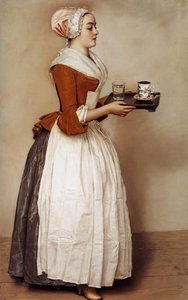
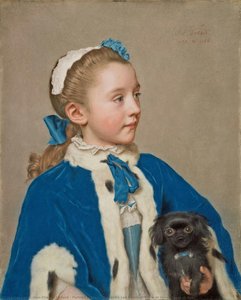
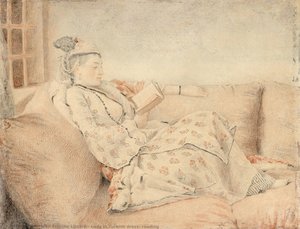
Liotard’s distinctive style is primarily defined by his mastery of pastel – a medium he embraced wholeheartedly and elevated to new heights of expressive subtlety. His canvases shimmer with delicate hues and luminous textures, capturing fleeting moments of beauty with remarkable precision. Among his most celebrated paintings are *Dutch Girl at Breakfast*, a masterful depiction of domestic tranquility; *La Liseuse, The Chocolate Girl*, an exquisitely rendered portrait conveying grace and contemplation; and *Maria Frederike van Reede-Athlone at Seven*, showcasing Liotard’s ability to convey psychological depth through naturalistic observation. His meticulous attention to detail—particularly in capturing the nuances of facial expression—established him as a pioneer of psychological realism within his era. Furthermore, he was an avid collector of antiquities and artworks from antiquity and Renaissance, which profoundly impacted his artistic vision and informed his stylistic choices.Legacy and Influence
Jean-Étienne Liotard’s legacy extends beyond his impressive body of work. He championed the importance of drawing as a fundamental element of painting, advocating for clarity, firmness, fluidity, delicacy, and truthfulness—principles that resonated deeply with fellow artists of his time. His treatise *Traité des principes et des règles de la peinture* (1781) remains a seminal text on artistic technique and aesthetic philosophy. Liotard died in Geneva in June 12, 1789, leaving behind an enduring contribution to European art history—a testament to the power of observation, meticulous craftsmanship, and unwavering devotion to artistic excellence. He is remembered as one of the foremost pastel artists of his era and a champion of classical ideals within the burgeoning Romantic movement.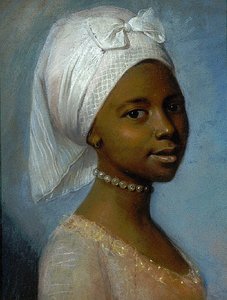
Jean-Étienne Liotard
1702 - 1789 , Suiza
Datos clave
- Artistic Movement Or Style: Pastoralism
- Artists Or Movements Influenced By This Artist:
- Jean Baptiste Massé
- François Lemoyne
- Artists Who Influenced This Artist:
- Daniel Gardelle
- Petitot
- Date Of Birth: December 22, 1702
- Date Of Death: June 12, 1789
- Full Name: Jean-Étienne Liotard
- Nationality: Swiss
- Notable Artworks:
- Dutch Girl at Breakfast
- La Liseuse, The Chocolate Girl
- Maria Frederike van Reede-Athlone at Seven
- Place Of Birth: Geneva, Switzerland
Artículos relacionados

Crimson Threads of Narrative: Exploring Symbolism & Representation in Artworks Featuring the Red Dress
Explore the rich symbolism of the red dress in art history! From ancient power displays to iconic portraits like Cézanne’s 'Madame Cezanne', discover the cultural and artistic significance behind this captivating color. Expert analysis & insights.
Los 10 Maestros del Neoclasicismo: Obras que Definieron una Era |
Descubre los 10 imprescindibles del Neoclasicismo con . Obras de David, Ingres y Canova que marcaron una era. Historia, técnica y significado de cada pieza. Encuentra reproducciones de arte de museo en

The Enduring Legacy of Oil on Canvas: Technique, History & Aesthetic Impact
Explore the rich history & techniques of oil painting – from Renaissance masters to Impressionism. Discover pigments, layering methods, and why this timeless medium endures. Expert insights for artists & art enthusiasts.
Timeless Elegance: The Ultimate Buyer's Guide to Choosing Classical Portraits for Sophisticated Interiors
Discover how to select the perfect classical portrait for your home. Our expert guide explores matching art styles to interiors, choosing between hand-painted oils and Giclée prints, and transforming personal photos into timeless masterpieces with professional artistry.

El Óleo sobre Lienzo: Historia, Técnica y la Persistencia de un Medio Artístico Atemporal
Descubre la historia y técnica del óleo sobre lienzo. Explora reproducciones fieles hechas a mano, personalización artística y consejos de expertos con ArtsDot. ¡Colecciona arte con confianza!