

 Ver en contexto
 Enviar
 Compartir
 Detalles

 Descargar
 Similares
 Radiografía
 Presentación de diapositivas
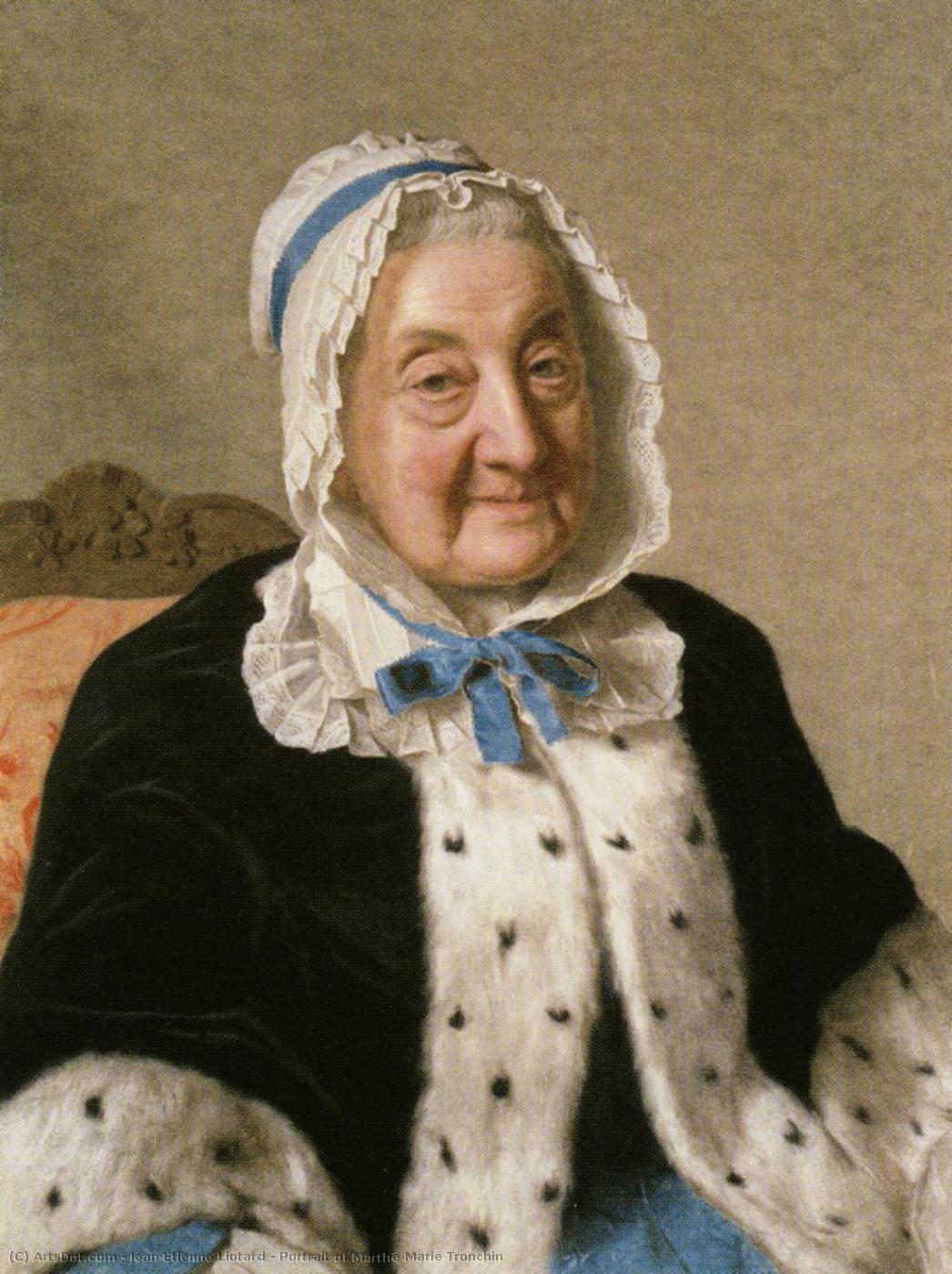
Portrait of Marthe Marie Tronchin


 Ver más
Adquiera una imagen digital de alta resolución y optimizada, muy superior a la vista previa en línea.
Cada archivo es preparado meticulosamente por nuestros especialistas internos mediante el uso de herramientas avanzadas y un experto retoque manual. Nos aseguramos de que cada imagen posea una claridad excepcional, una precisión cromática impecable y un detalle minucioso.
El archivo final se entrega por correo electrónico en un plazo de 72 horas, optimizado para su uso inmediato en entornos profesionales, editoriales y de impresión. Esta es la misma calidad en la que confían los estudios de diseño, las editoriales y las galerías de primer nivel.
Imagen Digital
Descarga un archivo de alta resolución para exhibición personal, impresión y proyectos creativos. ( Comprar impresión Comprar pintura hecha a mano)
Incluido en cada pedido de imágenes digitales
Entrega digital experta, garantizada.
Al elegir ArtsDot.com, no solo está adquiriendo una imagen; está recibiendo una obra de arte digital mejorada profesionalmente, elaborada con precisión y respaldada por una garantía de satisfacción. Esto es todo lo que incluye su pedido, automáticamente:

Entrega rápida por email
Recibirá su archivo de imagen digital en alta resolución por correo electrónico en un plazo de 72 horas tras realizar su pedido, listo para su uso inmediato.

Archivo digital optimizado por IA
Su obra de arte se optimiza profesionalmente mediante herramientas avanzadas de IA y edición manual, garantizando el máximo detalle, claridad y precisión cromática.

Reenvío gratuito de por vida
¿Has borrado o perdido tu archivo por error? No te preocupes: te lo volveremos a enviar en cualquier momento, sin coste adicional.

Sin gastos de importación, siempre
Disfrute de su obra de arte al instante sin aduanas, aranceles ni gastos de envío; las descargas digitales siempre están libres de impuestos.

Garantía de fidelidad de color
Garantizamos que su imagen digital refleje los colores originales con la mayor fidelidad posible, mediante el uso de herramientas profesionales y gestión del color.

Garantía de satisfacción de 60 días
Si no está satisfecho con su imagen digital, la revisaremos o le reembolsaremos el 100% en un plazo de 60 días, sin preguntas.

100% Garantía de devolución de dinero
¿No está satisfecho? Obtenga un reembolso completo dentro de los 60 días posteriores a la recepción de su archivo digital, sin necesidad de explicaciones.

Descuentos por pedidos grandes
Compra 3 imágenes, ahorra 10% - Compra 5, ahorra 15% - Compra 10+, ahorra 20%. Ideal para proyectos creativos, galerías y agencias.
Jean-Étienne Liotard: A Delicate Dance Between Observation and Imagination
Jean-Étienne Liotard (1702–1789), a Genevan painter, art connoisseur, and dealer, stands as an enigmatic figure in the Rococo landscape—a master of pastel and enamel whose work defies easy categorization. Unlike his contemporaries who embraced grand theatricality and opulent ornamentation, Liotard pursued a path of profound introspection, prioritizing meticulous detail and subtle tonal gradations to capture the essence of his subjects with remarkable accuracy. His artistic vision was deeply rooted in humanist ideals, reflecting an unwavering fascination for the human form and its interaction with the natural world—a dichotomy that defines much of his oeuvre.- Early Training & Influences: Liotard’s formative years were spent under the tutelage of Daniel Gardelle and Petitot, whose enamel techniques he painstakingly replicated, establishing a foundational understanding of surface texture and color manipulation. This meticulous approach would later permeate his pastel drawings, where he achieved unparalleled levels of realism through painstaking layering and blending.
- Travels & Artistic Transformation: Liotard’s wanderings across Europe—Paris, Rome, Istanbul, Vienna—were pivotal in shaping his artistic sensibilities. The vibrant atmosphere of Constantinople profoundly impacted his palette and compositional choices, evident in numerous pastel depictions of Turkish domestic scenes brimming with exotic flora and fauna.
- Technique & Style: Liotard’s signature technique involved applying pastel pigment onto vellum or paper using a stylus—a method that allowed for unparalleled control over tonal nuance and texture. He eschewed bold brushstrokes, favoring instead delicate strokes that captured the ephemeral qualities of light and shadow. This meticulous attention to detail resulted in portraits imbued with an uncanny sense of presence and psychological depth.
- Notable Works & Legacy: Among Liotard’s celebrated masterpieces are “Dutch Girl at Breakfast” (circa 1756), a masterful study of naturalism that exemplifies his commitment to portraying the human figure with unflinching honesty, and “La Liseuse,” depicting a young woman absorbed in contemplation—a testament to Liotard's ability to convey inner emotion through subtle visual cues.
- A Singular Vision: Despite facing resistance from the Académie Française, Liotard’s artistic independence secured him recognition within England, Holland, and Geneva. His enduring legacy lies not merely in his technical prowess but also in his unwavering belief that art should serve as a conduit for profound contemplation—a conviction that continues to inspire artists today.
The Pastel Medium: Precision & Illusion
Liotard’s mastery of pastel distinguishes him from many of his contemporaries, elevating it beyond mere decorative embellishment into a vehicle for conveying nuanced emotion and capturing the subtleties of light and atmosphere. Unlike oil paints, which rely on opaque pigments to build up layers of color, pastel employs powdered pigment mixed with binder—typically gum arabic—to create translucent washes that shimmer with luminosity. This technique demanded extraordinary patience and precision from the artist, who painstakingly applied pigment onto vellum or paper using a stylus, achieving remarkable tonal gradations and textural effects. The resulting images possess an ethereal quality, capturing fleeting moments of beauty and conveying psychological depth with unparalleled subtlety.Symbolism & Narrative Depth: Exploring Inner Landscapes
Liotard’s portraits transcend mere likeness, delving into the complexities of human psychology and embodying philosophical ideas. He meticulously crafted compositions that reflected not only physical appearance but also inner states—capturing expressions of contemplation, melancholy, or serene repose. Recurring motifs—such as flowers symbolizing beauty and fragility—served as visual metaphors for conveying intangible concepts—like virtue and intellect. Through his masterful use of color and light, Liotard invited viewers to engage in a dialogue with the subject’s psyche, prompting reflection on themes of human experience and spiritual aspiration.Influence & Artistic Significance: A Quiet Revolution
Jean-Étienne Liotard's artistic approach represents a significant departure from prevailing trends in Rococo art—a rejection of theatrical grandeur in favor of quiet observation and psychological insight. His unwavering commitment to naturalism challenged the conventions of his time, asserting that beauty could be found not only in opulent ornamentation but also in the faithful representation of human form and its relationship with nature. Liotard’s legacy extends beyond his individual artworks; he established a precedent for artistic exploration rooted in humanist values—a tradition that continues to resonate within contemporary art practice.Obras relacionadas
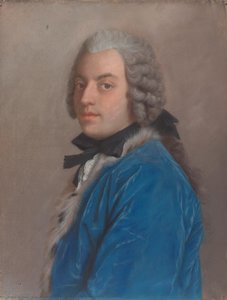
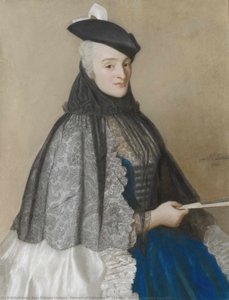
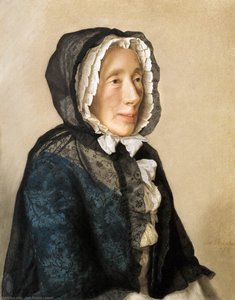
Biografía del artista
Jean-Étienne Liotard (1702–1789)
Jean-Étienne Liotard, a Genevan painter, art connoisseur, and dealer, was born on December 22, 1702, in Geneva, Switzerland. His parents, French Protestants, had fled to Geneva after 1685. Liotard’s artistic journey began under the guidance of professors Daniel Gardelle and Petitot, whose enamels and miniatures he skillfully replicated. These formative influences instilled a meticulous attention to detail that would characterize his entire oeuvre.Early Life and Training
Liotard received an exceptional education for his time, focusing on both painting techniques – particularly enamel work and miniature painting – and the study of classical art history. He honed his skills under the tutelage of Gardelle and Petitot, mastering the intricacies of these mediums and absorbing the stylistic principles of the Baroque era. This rigorous training laid the foundation for his later success as a portraitist and pastel artist.Artistic Career: Travels and Patronage
Liotard embarked on extensive travels throughout Europe – Paris, Rome, Constantinople (Istanbul), Vienna – establishing himself as one of the most sought-after painters of his generation. His portraits commanded considerable prestige among aristocratic circles, securing him lucrative commissions and cementing his reputation as a master craftsman. Notably, he served as painter to Emperor Joseph II in Vienna, gaining access to royal courts and influencing artistic tastes across Central Europe. He cultivated relationships with influential collectors and patrons who recognized the exceptional quality of his work.Notable Works and Style
Liotard’s distinctive style is primarily defined by his mastery of pastel – a medium he embraced wholeheartedly and elevated to new heights of expressive subtlety. His canvases shimmer with delicate hues and luminous textures, capturing fleeting moments of beauty with remarkable precision. Among his most celebrated paintings are *Dutch Girl at Breakfast*, a masterful depiction of domestic tranquility; *La Liseuse, The Chocolate Girl*, an exquisitely rendered portrait conveying grace and contemplation; and *Maria Frederike van Reede-Athlone at Seven*, showcasing Liotard’s ability to convey psychological depth through naturalistic observation. His meticulous attention to detail—particularly in capturing the nuances of facial expression—established him as a pioneer of psychological realism within his era. Furthermore, he was an avid collector of antiquities and artworks from antiquity and Renaissance, which profoundly impacted his artistic vision and informed his stylistic choices.Legacy and Influence
Jean-Étienne Liotard’s legacy extends beyond his impressive body of work. He championed the importance of drawing as a fundamental element of painting, advocating for clarity, firmness, fluidity, delicacy, and truthfulness—principles that resonated deeply with fellow artists of his time. His treatise *Traité des principes et des règles de la peinture* (1781) remains a seminal text on artistic technique and aesthetic philosophy. Liotard died in Geneva in June 12, 1789, leaving behind an enduring contribution to European art history—a testament to the power of observation, meticulous craftsmanship, and unwavering devotion to artistic excellence. He is remembered as one of the foremost pastel artists of his era and a champion of classical ideals within the burgeoning Romantic movement.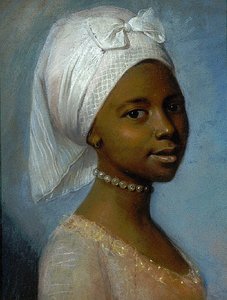
Jean-Étienne Liotard
1702 - 1789 , Suiza
Breves datos
- Artistic Movement Or Style: Pastoralism
- Artists Or Movements Influenced By This Artist:
- Jean Baptiste Massé
- François Lemoyne
- Artists Who Influenced This Artist:
- Daniel Gardelle
- Petitot
- Date Of Birth: December 22, 1702
- Date Of Death: June 12, 1789
- Full Name: Jean-Étienne Liotard
- Nationality: Swiss
- Notable Artworks:
- Dutch Girl at Breakfast
- La Liseuse, The Chocolate Girl
- Maria Frederike van Reede-Athlone at Seven
- Place Of Birth: Geneva, Switzerland

