 Ver en contexto
 Enviar
 Compartir
 Detalles

 Descargar
 Similares
 Radiografía
 Presentación de diapositivas
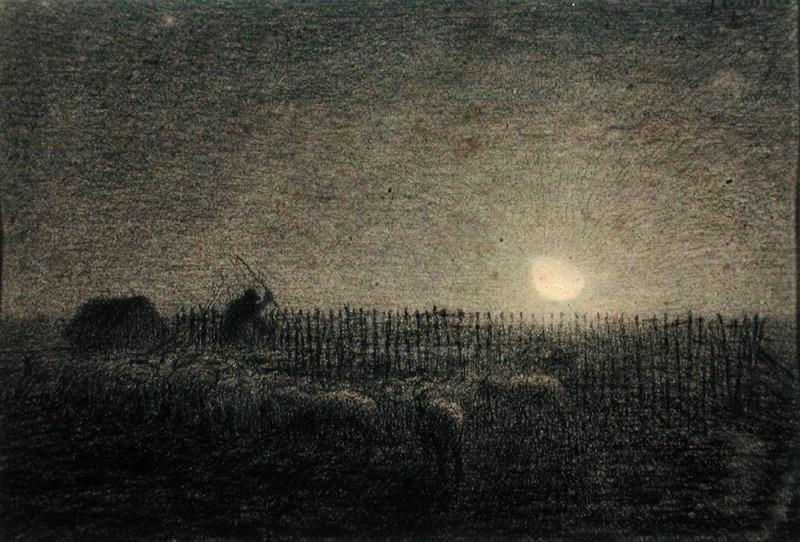
The Shepherd at the Fold by Moonlight


 Ver más
Reproducción al óleo hecha a mano
Óleo sobre lienzo pintado a mano en el tamaño y marco de su elección, realizado por encargo por nuestros artistas. ( Comprar impresión Comprar imagen)




P118B $10

P118H $10

P118W $10

P438Z $10

P508JH $12

P508YH $12

P805H $10

P805Z $10

P919BZ $10

P919G $10

P919XJ $10

P959ZH $10

P968JZ $12

W106C $8

W218G $10

W218JH $8

W218Y $10

W307PJ $10

W316G $10

W316PJ $8

W316Y $10

W398PJ $8

W4111J $10

W500HY $15

W500JH $15

W692G $12

W849H $8

W940BG $15

W953PJ $8




Elija entre nuestros tamaños predefinidos que respetan las proporciones originales de la obra.

Puede ingresar sus propias dimensiones para adaptarse a un marco o espacio específico. Si el tamaño seleccionado no coincide con las proporciones de la imagen original, recortaremos la obra o extenderemos la pintura con elementos adicionales pintados a mano. Se le enviará una maqueta digital para su aprobación antes de comenzar la producción.
Tenga en cuenta que la vista previa en pantalla no refleja el recorte o la extensión reales. Solo la maqueta mostrará con precisión la composición final.
Si bien existen tamaños personalizados, recomendamos seleccionar una dimensión de la lista predefinida para preservar las proporciones originales.
Tras realizar el pedido, el equipo de ArtsDot.com enviará un correo electrónico al cliente para solicitar instrucciones y proporcionarle una vista previa del boceto.
Envío a todo el mundo () en 3-4 semanas en lugar de las 5 semanas estándar. (26 agosto). Sin comprometer la calidad.

Envío exprés gratuito a todo el mundo

Lienzo de lino de alta calidad

Seguro de envío total

Garantía de reembolso de impuestos aduaneros

Garantía de fidelidad cromática exacta

Política de devolución de 60 días (solo por defectos)

Garantía de devolución del 100% del dinero

Descuento por cantidad
 La opción de vidrio solo está disponible en tamaños inferiores a 110 cm.

The Shepherd at the Fold by Moonlight
Técnica de reproducción
Dimensiones de la reproducción
-


Precio total final
$ 263
Descripción de la obra
A Nocturnal Symphony of Light and Labor
In the quietude of the mid-19th century, as the industrial revolution began to cast its long, smoky shadows over Europe, Jean-François Millet turned his gaze toward a more enduring rhythm: the timeless pulse of the earth. The Shepherd at the Fold by Moonlight is not merely a pastoral landscape; it is a profound meditation on the sanctity of existence. Painted between 1856 and 1860, this masterpiece captures a moment where the boundaries between the physical world and the spiritual realm seem to dissolve under the gentle influence of the moon. The scene presents a shepherd tending to his flock in the silvered hush of night, a composition that invites the viewer into a state of deep, contemplative stillness. For the collector or designer, this piece offers more than just visual beauty; it provides an emotional anchor, a window into a world where peace is found in the humble stewardship of nature.
Millet, a cornerstone of the Barbizon School, utilized a technique that rejected the polished, artificial perfection of academic art in favor of something much more visceral. Through his masterful use of tonal gradation and thick, deliberate impasto, he breathed life into the canvas. One can almost feel the rough texture of the sheepskins and the uneven, grassy contours of the hillside, achieved by applying paint with a palette knife to create palpable depth. This tactile quality is essential to the painting's impact; it grounds the ethereal moonlight in the gritty reality of peasant life. The interplay of light and shadow—the chiaroscuro effect—creates a sense of movement within the stillness, as the lunar glow dances across the sleeping flock and illuminates the shepherd’s focused silhouette.
Symbolism and the Soul of the Landscape
Beyond its technical brilliance, the artwork is steeped in a rich layer of symbolism that speaks to the human condition. The shepherd, positioned centrally and bathed in celestial light, serves as a bridge between the earthly toil of the flock and the divine heavens above. His upward gaze suggests a silent communion with the infinite, transforming a routine nocturnal task into an act of spiritual devotion. In this way, Millet elevates the mundane to the monumental. The moon itself acts as a symbol of divine illumination, casting a soft, forgiving light that softens the hardships of rural labor and highlights the inherent dignity found in simplicity.
For those looking to integrate such a piece into a curated interior, The Shepherd at the Fold by Moonlight offers an unparalleled sense of tranquility. It possesses a unique ability to transform a room, acting as a focal point that encourages reflection and calm. Whether placed in a study filled with books or a contemporary living space seeking a touch of historical soul, this reproduction brings with it the quiet strength of the French countryside. It is an invitation to slow down, to breathe, and to find beauty in the soft, silvered moments of our own lives.
Obras relacionadas

Biografía del artista
vida temprana y educación
jean-françois millet, nacido el 4 de octubre de 1814 en Normandía, Francia, emergió como una figura clave en la escuela de Barbizon y un defensor del movimiento artístico realista. Criado en una comunidad agrícola, la vida temprana de Millet estuvo impregnada de experiencias rurales, lo que influyó profundamente en sus temas artísticos.trayectoria artística
La formación artística formal de Millet comenzó en 1833 bajo la tutela del pintor de retratos Bon du Mouchel en Cherbourg. Posteriormente estudió con Théophile Langlois de Chèvreville, un estudiante del barón Gros. Apoyado por una beca, se trasladó a París en 1837 para asistir a la École des Beaux-Arts y estudió bajo Paul Delaroche. Sin embargo, su viaje no estuvo exento de contratiempos; en 1839, perdió su beca y fue rechazado por el salón.obras notables y movimiento realista
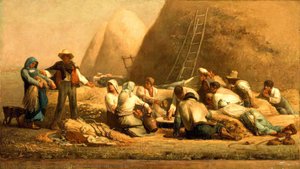
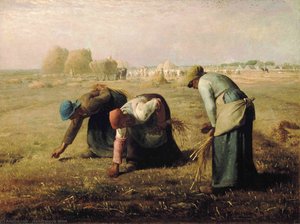
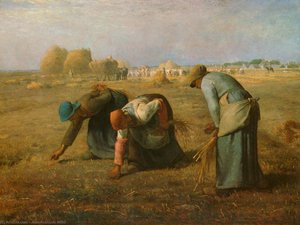
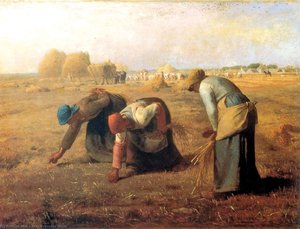
La trayectoria artística de Millet refleja su profunda conexión con sus raíces rurales y su dedicación a retratar la vida de los campesinos con dignidad y realismo. Algunas de sus obras notables incluyen:- Los recogedores (1855), una representación conmovedora de campesinos, que muestra la maestría de Millet en el realismo.
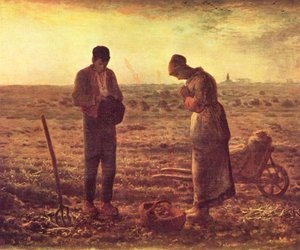
- El ángelus (1850-1861), una serie de pinturas que destacan las luchas diarias de la vida rural.
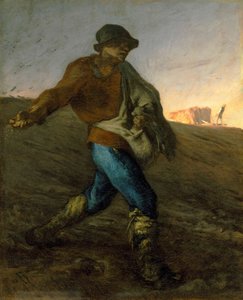
- El siembrador (1850), una representación icónica de las dificultades que enfrentan los agricultores, ahora ubicada en el Musée d'Orsay en París.
legado e influencia
El legado de Millet como fundador de la escuela de Barbizon lo marca como una figura fundamental en la transición hacia el realismo en el arte. Su influencia se puede ver en las obras de artistas posteriores, incluyendo Correa Benito Rebolledo, quien continuó ampliando los límites del realismo. Explore más sobre las obras de Millet y el movimiento realista en ArtsDot: Jean François Millet el mayor | ArtsDot El nuevo realismo artístico | ArtsDot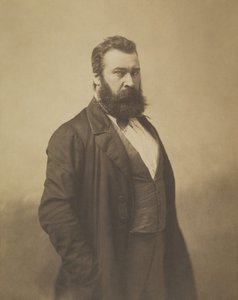
Jean-François Millet
1814 - 1875 , Francia
Datos clave
- Artistas Influenciados: ['Correa Benito Rebolledo']
- Artistas Que Influyeron:
- Bon du Mouchel
- Théophile Langlois
- Paul Delaroche
- Fecha De Muerte: 1875
- Fecha De Nacimiento: 4 de octubre de 1814
- Lugar De Nacimiento: Gruchy, Francia
- Movimiento Artístico: Realismo, Escuela de Barbizon
- Nacionalidad: Francés
- Nombre Completo: Jean-François Millet
- Obras Notables:
- Los segadores
- El ángelus
- El sembrador
Artículos relacionados
Jean-François Millet: Realism, Rural Life & the Poetic Depiction of Labor
Explore the life & work of Jean-François Millet, a founder of Realism. Discover his poignant depictions of rural France, iconic paintings like 'The Angelus,' and lasting influence on art history. Learn more at ArtsDot.
La Escuela de Barbizon: Pioneros del Realismo y la Visión Pastoral en la Pintura Francesa del Siglo XIX
Descubre la Escuela de Barbizon, pionera del realismo francés. Explora su historia, características clave, artistas destacados y el legado que dejó en la pintura moderna. Análisis experto y obras emblemáticas.

Echoes of Rural Life: Art's Enduring Representations of the Countryside
Explore the rich history of rural life in art! Discover masterpieces from Millet to Mauve & beyond. Learn about Realism, Barbizon School & find inspiration for your home with ArtsDot.
Romantic Realism's Finest: 10 Masterpieces for Your Home | ArtsDot
Explore 10 defining masterpieces of Romantic Realism! Discover Courbet, Millet & Daumier's powerful paintings—capturing emotion and social realities. Find museum-quality reproductions for your home at ArtsDot.com.

Charles-François Daubigny: Pioneering Atmospheric Light & Barbizon Realism
Explore the life & art of Charles-François Daubigny, a pivotal Barbizon School painter. Discover his innovative landscapes, mastery of light, and influence on Impressionism. High-quality reproductions available.