 Ver en contexto
 Enviar
 Compartir
 Detalles

 Descargar
 Similares
 Radiografía
 Presentación de diapositivas
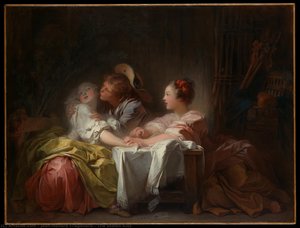
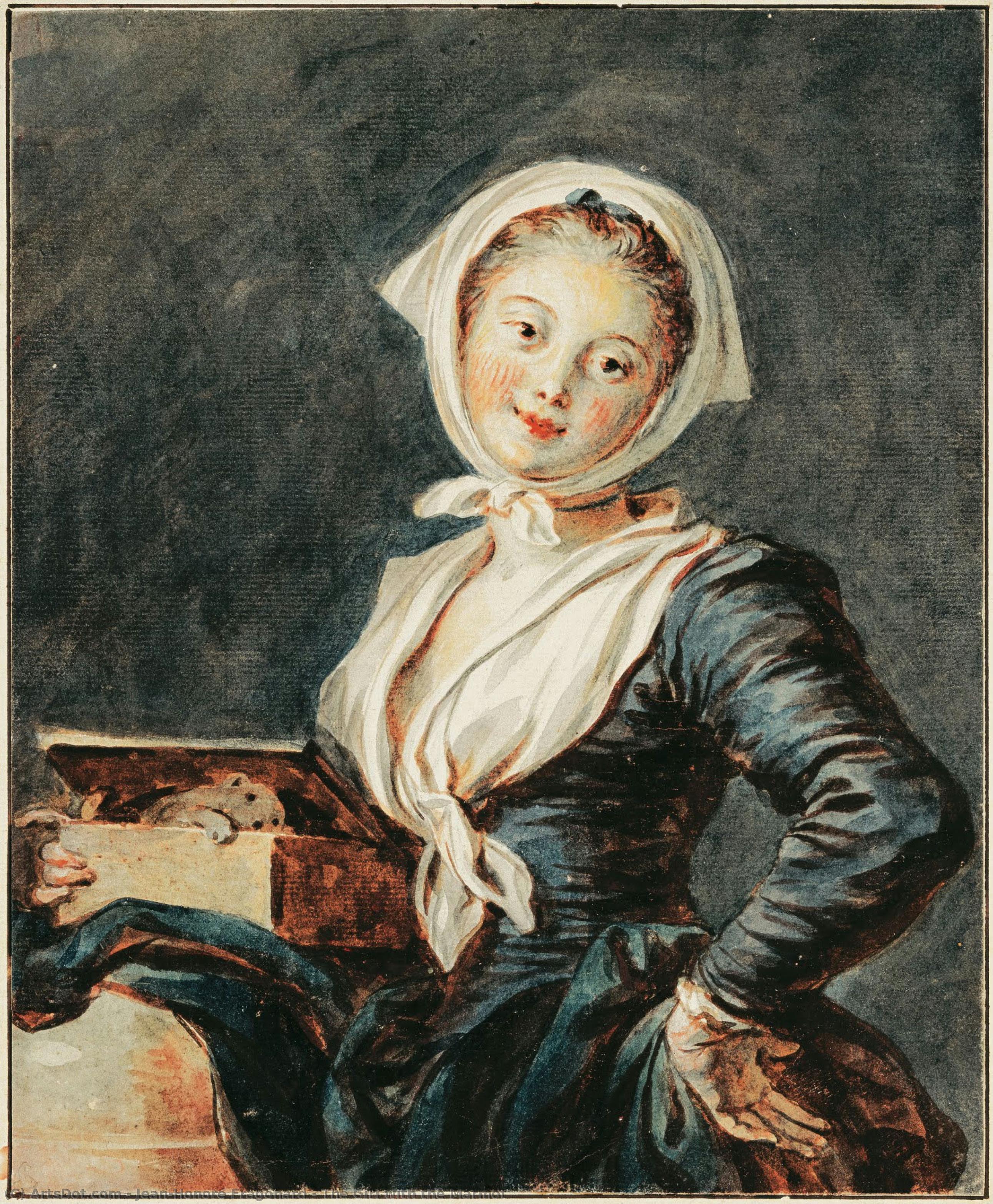
La niña con la marmota


 Ver más
Reproducción al óleo hecha a mano
Óleo sobre lienzo pintado a mano en el tamaño y marco de su elección, realizado por encargo por nuestros artistas. ( Comprar impresión Comprar imagen)




P118B $10

P118H $10

P118W $10

P438Z $10

P508JH $12

P508YH $12

P805H $10

P805Z $10

P919BZ $10

P919G $10

P919XJ $10

P959ZH $10

P968JZ $12

W106C $8

W218G $10

W218JH $8

W218Y $10

W307PJ $10

W316G $10

W316PJ $8

W316Y $10

W398PJ $8

W4111J $10

W500HY $15

W500JH $15

W692G $12

W849H $8

W940BG $15

W953PJ $8




Elija entre nuestros tamaños predefinidos que respetan las proporciones originales de la obra.

Puede ingresar sus propias dimensiones para adaptarse a un marco o espacio específico. Si el tamaño seleccionado no coincide con las proporciones de la imagen original, recortaremos la obra o extenderemos la pintura con elementos adicionales pintados a mano. Se le enviará una maqueta digital para su aprobación antes de comenzar la producción.
Tenga en cuenta que la vista previa en pantalla no refleja el recorte o la extensión reales. Solo la maqueta mostrará con precisión la composición final.
Si bien existen tamaños personalizados, recomendamos seleccionar una dimensión de la lista predefinida para preservar las proporciones originales.
Tras realizar el pedido, el equipo de ArtsDot.com enviará un correo electrónico al cliente para solicitar instrucciones y proporcionarle una vista previa del boceto.
Envío a todo el mundo () en 3-4 semanas en lugar de las 5 semanas estándar. (23 agosto). Sin comprometer la calidad.

Envío exprés gratuito a todo el mundo

Lienzo de lino de alta calidad

Seguro de envío total

Garantía de reembolso de impuestos aduaneros

Garantía de fidelidad cromática exacta

Política de devolución de 60 días (solo por defectos)

Garantía de devolución del 100% del dinero

Descuento por cantidad
 La opción de vidrio solo está disponible en tamaños inferiores a 110 cm.

La niña con la marmota
Técnica de reproducción
Dimensiones de la reproducción
-


Precio total final
$ 263
Descripción de la obra
A Symphony of Pastel and Grace
In the soft, luminous realm of Jean-Honoré Fragonard’s “The Girl with the Marmot,” the viewer is transported to an era of unparalleled elegance and whispered secrets. Painted around 1768, this masterpiece serves as a breathtaking distillation of the Rococo spirit, capturing a moment that feels both fleeting and eternal. The subject, a young woman adorned in delicate attire, radiates a gentle joy, her smile acting as a window into the carefree hedonism of the French aristocracy. As she interacts with the small, curious marmot, there is an undeniable sense of intimacy and playfulness that transcends the canvas, inviting anyone who gazard upon it to step into a world where beauty and leisure reign supreme.
The technique employed by Fragonard is nothing short of miraculous, showcasing his ability to manipulate light and texture to create an illusion of airy lightness. Utilizing a masterful pastel palette—dominated by tender shades of pink, peach, and lemon yellow—the artist achieves a luminous glow that seems to emanate from within the painting itself. Through the meticulous use of glazing, Fragonard layered thin, translucent washes of color, allowing light to penetrate the surface and reflect back with a subtle, pearlescent quality. This delicate approach creates a soft-focus effect, where the edges of drapery and the softness of skin blend seamlessly, evoking a dreamlike atmosphere that is as much about feeling as it is about sight.
Symbolism and the Spirit of an Era
Beyond its surface beauty, the artwork is steeped in the cultural nuances of Louis XV’s France. During this period, the court at Versailles sought refuge from the rigid formalities of the past, embracing instead a culture of sensuality, romance, and spontaneous pleasure. Fragonard, a master of this movement, captures this zeitgeist perfectly. Even the inclusion of the marmot is far from accidental; in the symbolic language of the 18th century, such creatures were often linked to themes of fertility and prosperity. The creature’s presence adds a layer of grounded charm to the ethereal scene, subtly suggesting the hidden desires and the bountiful nature of life that characterized the Rococo era.
For the discerning collector or interior designer, "The Girl with the Marmot" offers more than just aesthetic pleasure; it provides a focal point of profound emotional resonance. Whether placed in a sun-drenched morning room or a sophisticated gallery space, a high-quality reproduction of this work brings an infusion of warmth and historical depth. It is a piece that speaks to the soul, reminding us of the enduring power of grace, the importance of finding joy in small moments, and the timeless allure of a world bathed in soft, golden light.
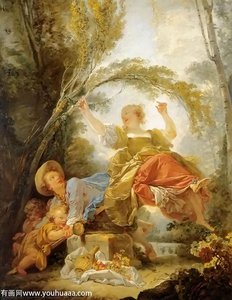
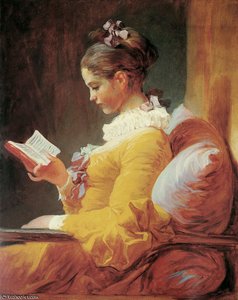
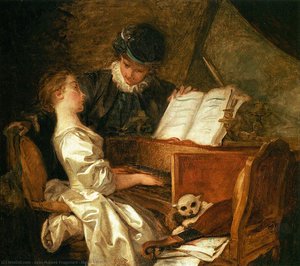
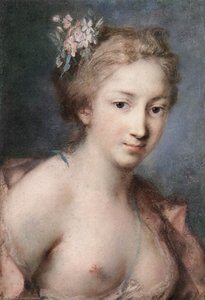
Obras relacionadas



Biografía del artista
Primeros años y formación
Jean-Honoré Fragonard, un destacado pintor y grabador francés, nació el 4 de abril de 1732 en Grasse, Alpes Marítimos. Su padre, François Fragonard, era guantero, y su madre, Françoise Petit, ama de casa. A los dieciocho años, Fragonard fue aprendiz de François Boucher, un artista renombrado, donde perfeccionó sus habilidades artísticas.Carrera artística
La carrera artística de Fragonard puede dividirse en varias fases:- Primeros trabajos (1750s): Fragonard obtuvo el premio de Roma en 1752 con una pintura de Jeroboam sacrificando al becerro dorado. Posteriormente, estudió bajo Charles-André van Loo durante tres años.
- Influencias italianas (1760s): Fragonard entabló amistad con el pintor Hubert Robert y realizó una gira por Italia, ejecutando numerosos bocetos de paisajes locales. Este período marcó el desarrollo de su estilo característico.
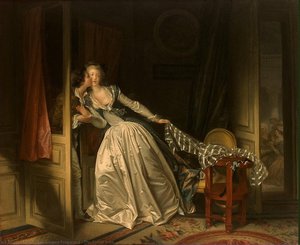
- Madurez rococó (1770s): Las pinturas de Fragonard de este período, como "El Columpio" (1767) y "La broma del engaño" (1780), exhiben su dominio del estilo rococó.
- Neoclasicismo (finales de 1770s): Fragonard experimentó con el neoclasicismo, como se evidencia en su obra "Retrato de Denis Diderot" (1769).
Estilo y Temas
El estilo rococó de Fragonard se caracteriza por su elegancia, sensualidad y una atmósfera juguetona. Sus obras a menudo representan escenas galantes, retratos íntimos y paisajes idílicos. Utilizaba colores vibrantes y pinceladas suaves para crear una sensación de ligereza y movimiento. Sus temas se centraban en la vida aristocrática, el amor cortesano y los placeres mundanos, reflejando las tendencias artísticas de su época.Logros y Legado
Fragonard fue un artista prolífico que produjo más de 500 pinturas y miles de dibujos. Su obra "El Columpio" es quizás su pintura más famosa y se considera una representación icónica del estilo rococó. Fragonard influyó en generaciones posteriores de artistas, y su legado perdura como uno de los principales exponentes del arte rococó francés. Sus obras se encuentran en importantes museos de todo el mundo, incluyendo el Louvre.Años Finales y Muerte
A pesar de la llegada del Neoclasicismo y las turbulencias de la Revolución Francesa, Fragonard continuó pintando hasta sus últimos años. Murió en París el 22 de agosto de 1806, dejando tras de sí un vasto cuerpo de trabajo que celebra la belleza y el placer de la vida.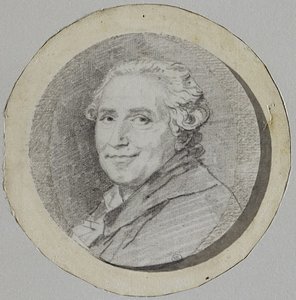
Jean-Honoré Fragonard
1732 - 1806 , Francia
Datos clave
- Artistas Que Influyeron:
- François Boucher
- Charles-André van Loo
- Estilo Artístico: Rococó
- Fecha De Fallecimiento: 22 de agosto de 1806
- Fecha De Nacimiento: 4 de abril de 1732
- Influenciado A Artistas: ['Alexandre Evariste Fragonard']
- Lugar De Nacimiento: Grasse, Francia
- Nacionalidad: Francesa
- Nombre Completo: Jean-Honoré Fragonard
- Obras Notables:
- El Columpio
- La Familia Italiana
- Retrato de una joven
- El Voto de Amor
Artículos relacionados

Rococó: 10 Obras Maestras que Definieron una Época | Arte y Decoración en
Descubre las 10 obras maestras del Rococó que marcaron una época. Explora la elegancia de Fragonard, Boucher y Watteau en . Reproducciones de arte de calidad museo para decorar tu hogar con estilo.
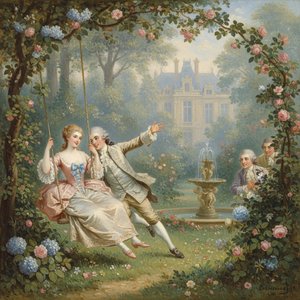
The Rococo Reverie of Fragonard: Love, Leisure & Pleasure in 18th-Century France
Explore the captivating world of Jean-Honoré Fragonard! Discover his Rococo masterpieces, intimate portraits & the allure of 18th-century French art. Learn about 'The Progress of Love' and more at ArtsDot.

La Estética Rococó: Opulencia, Rebelión y Placer en el Arte del Siglo XVIII
Descubre la fascinante estética rococó: su historia, características clave y los artistas más influyentes del siglo XVIII. Un análisis profundo para amantes del arte y coleccionistas.
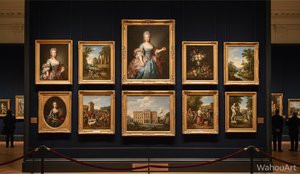
El Siglo XVIII en el Arte: 10 Obras Maestras para Decorar con Historia y Elegancia
Descubre 10 obras maestras del siglo XVIII: Goya, Fragonard y más. Explora la historia, el arte barroco, rococó y neoclasicismo que inspiran decoración elegante. Reproducciones de alta calidad en ArtsDot.com.

The Allure of Elegance in Art: A Historical & Aesthetic Exploration of Refinement & Grace
Explore the exquisite world of Rococo art! Discover its history, masters (Watteau, Boucher & more), and defining elegance. Expert insights for collectors seeking museum-quality reproductions & custom portraits.