

 Vista previa
 Compartir
 Compartir
 Ver detalles

 Descargar
 Ver similares
 Radiografía
 Presentación de diapositivas
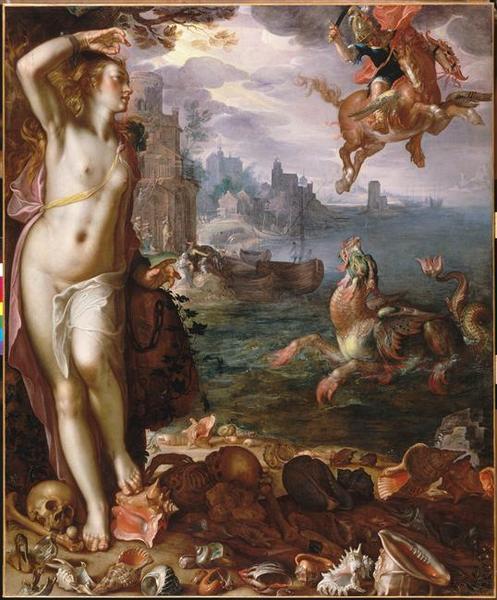
Persée secourant Andromède


 Leer más
Reproducción al óleo hecha a mano
Óleo sobre lienzo pintado a mano en el tamaño y marco de su elección, realizado por encargo por nuestros artistas. ( Pedir impresión Comprar descarga)




P118B $10

P118H $10

P118W $10

P438Z $10

P508JH $12

P508YH $12

P805H $10

P805Z $10

P919BZ $10

P919G $10

P919XJ $10

P959ZH $10

P968JZ $12

W106C $8

W218G $10

W218JH $8

W218Y $10

W307PJ $10

W316G $10

W316PJ $8

W316Y $10

W398PJ $8

W4111J $10

W500HY $15

W500JH $15

W692G $12

W849H $8

W940BG $15

W953PJ $8




Elija entre nuestros tamaños predefinidos que respetan las proporciones originales de la obra.

Puede ingresar sus propias dimensiones para adaptarse a un marco o espacio específico. Si el tamaño seleccionado no coincide con las proporciones de la imagen original, recortaremos la obra o extenderemos la pintura con elementos adicionales pintados a mano. Se le enviará una maqueta digital para su aprobación antes de comenzar la producción.
Tenga en cuenta que la vista previa en pantalla no refleja el recorte o la extensión reales. Solo la maqueta mostrará con precisión la composición final.
Si bien existen tamaños personalizados, recomendamos seleccionar una dimensión de la lista predefinida para preservar las proporciones originales.
Tras realizar el pedido, el equipo de ArtsDot.com enviará un correo electrónico al cliente para solicitar instrucciones y proporcionarle una vista previa del boceto.
Envío a todo el mundo () en 3-4 semanas en lugar de las 5 semanas estándar. (20 agosto). Sin comprometer la calidad.

Envío exprés gratuito a todo el mundo

Lienzo de lino de alta calidad

Seguro de envío completo

Garantía de reembolso de aranceles aduaneros

Garantía de fidelidad cromática exacta

Política de devolución de 60 días (solo por defectos)

Garantía de devolución del 100% del dinero

Oferta por volumen
 La opción de vidrio solo está disponible en tamaños inferiores a 110 cm.

Persée secourant Andromède
Técnica de reproducción
Tamaño de la reproducción
-


Precio total
$ 263
Descripción de la obra
A Dramatic Rescue: Joachim Wtewael’s “Persée secourant Andromède”
Joachim Anthonisz Wtewael's "Persée secourant Andromède," painted around 1611, is not merely a depiction of a classical myth; it’s a meticulously crafted tableau brimming with psychological depth and Mannerist drama. This arresting scene, currently residing within the Louvre’s collection, transcends its mythological subject matter to become a profound meditation on courage, vulnerability, and the transformative power of rescue. Wtewael, a prominent figure in the Dutch artistic landscape of the 16th and 17th centuries, masterfully employed his signature style – characterized by elongated figures, dynamic poses, and an almost theatrical lighting – to create an image that continues to captivate viewers centuries later. His background as a flax merchant and town councillor likely informed a meticulous approach to detail and a keen eye for composition, elements powerfully evident in this remarkable work.A Symphony of Mannerism: Style and Technique
Wtewael’s artistic vision firmly resides within the realm of Mannerism, a style that deliberately rejected the naturalistic ideals of the High Renaissance in favor of heightened emotion, stylized forms, and complex spatial arrangements. Observe how Perseus, poised dramatically on horseback, is rendered with elongated limbs and an almost sculpted quality – a deliberate exaggeration designed to convey his heroic stature and unwavering resolve. Similarly, Andromeda’s form is subtly distorted, her drapery flowing in a way that suggests both vulnerability and a quiet dignity. The artist's brushwork is remarkably smooth, creating a polished surface that reflects the meticulous attention to detail characteristic of Wtewael’s oeuvre. Glazes are skillfully applied to build up layers of color, lending depth and luminosity to the figures and the turbulent seascape. Notably, the use of gold leaf accents – particularly highlighting Perseus' armor and Andromeda’s hair – adds a touch of opulence and draws the eye to these central elements. The composition itself is carefully constructed, utilizing a pyramidal arrangement that directs the viewer’s gaze from the grounded Andromeda towards the soaring figure of Perseus.Mythological Narrative and Symbolic Resonance
The painting vividly portrays the pivotal moment in Ovid's *Metamorphoses* when Perseus rescues Andromeda from her fate as a sacrifice to a monstrous sea creature. The debris scattered at Andromeda’s feet – skulls, shells, and fragments of what was once a magnificent garment – powerfully evoke the horror of her captivity and the precariousness of her situation. The sea monster itself is rendered with terrifying detail—a serpentine amalgamation of scales, claws, and gaping jaws—representing chaos and the primal forces threatening to consume Andromeda. Yet, within this scene of peril, there’s an undeniable sense of hope: Perseus' outstretched arm signifies his intervention, a promise of deliverance. The distant cityscape on the cliff face adds another layer of symbolism, representing both the world from which Perseus originates and the future he is offering Andromeda. The inclusion of the sea – a recurring motif in Wtewael’s work – speaks to themes of transformation, danger, and the cyclical nature of life and death.Emotional Impact and Lasting Legacy
“Persée secourant Andromède” isn't simply a historical illustration; it’s an emotionally resonant portrayal of human drama. The painting’s dramatic lighting, with its stark contrasts between light and shadow, heightens the sense of urgency and heroism. Andromeda’s expression – a mixture of relief, gratitude, and perhaps lingering fear – is remarkably poignant. Wtewael masterfully captures the psychological complexities of the narrative, conveying not only the physical act of rescue but also the emotional impact on both figures involved. The painting's enduring appeal lies in its ability to evoke a sense of timeless drama and universal themes—courage, vulnerability, and the transformative power of compassion. It remains a testament to Wtewael’s artistic skill and his profound understanding of human nature, solidifying his place as one of the most significant figures in Dutch Mannerist painting.Obras relacionadas
Biografía del artista
El pulido perdurable de un maestro manierista
Joachim Anthonisz Wtewael, un nombre pronunciado con reverencia entre los conocedores de la Edad de Oro holandesa, sigue siendo una figura cautivadora cuya obra desafía cualquier categorización sencilla. Nacido en 1566 y fallecido en 1638, su vida fue tan polifacética como sus lienzos. Si bien su genio artístico brilló con intensidad, es igualmente notable que también fue un exitoso comerciante de lino y un activo concejal de Utrecht. Esta existencia dual —el artesano meticuloso junto al pilar de la sociedad civil— sugiere a un hombre cuya vida exigía tanto perspicacia mundana como un profundo enfoque creativo. El estilo distintivo de Wtewacio, sin embargo, poseía una consistencia notable; permaneció en gran medida inalterado por las sweeping corrientes naturalistas que estaban remodelando el arte en toda Europa durante su vida.
Un viaje a través del estilo y la influencia
La formación temprana de Wtewael lo arraigó profundamente en el sofisticado vocabulario del manierismo de Haarlem de finales del siglo XVI. Su vida profesional inicial lo vio trabajando como vidriero y grabador en el taller de su padre, un aprendizaje que sin duda perfeccionó su mano para el detalle intrincado. Un período crucial llegó cuando emprendió viajes por Italia y Francia a partir de 1586. Estas estancias fueron fundamentales, exponiéndolo a las ricas corrientes artísticas de la Segunda Escuela de Fontainebleau. Sin embargo, a pesar de estas influencias, Wtewael poseía una brújula interna única. Su obra se caracteriza por figuras magistralmente dibujadas, que poseen un pulido casi de porcelana, a menudo dispuestas en poses que se sienten maravillosamente caprichosas y dramáticamente cargadas.
Profundidad temática: el mito se encuentra con la devoción
El conjunto de su obra superviviente —que comprende alrededor de cien pinturas, junto con numerosos dibujos y diseños de vitrales— revela una fascinante dualidad temática. Se sentía igualmente cómodo representando profundas narrativas religiosas que celebrando el exuberante drama de la mitología clásica. Consideremos obras como la Adoración de los Pastores yuxtapuesta con Venus y Marte sorprendidos por Vulcano. Estas piezas muestran su notable capacidad para entrelazar temas sagrados convencionales con el saber pagano, impregnando a menudo ambos reinos con un palpable, y a veces fuerte, trasfondo erótico que atrae al espectador hacia su abrazo narrativo. Su atención al detalle es asombrosa; en obras como Perseo y Andrómeda, albergada notablemente en el museo Mauritshuis en Utrecht, se puede rastrear su habilidad inigualable.
Significado histórico y legado
Lo que hace que la contribución de Wtewael sea tan significativa es precisamente esa resistencia al cambio. Mientras el naturalismo atraía a los artistas hacia un mayor realismo, Wtewael se mantuvo firme en una estética pulida e idealizada, creando un cuerpo de trabajo que se siente tanto históricamente situado como eternamente vibrante. Sus pinturas de gabinete, ejecutadas sobre planchas de cobre, son particularmente distintivas y numerosas, ofreciendo vislumbres íntimos de su proceso artístico. Aunque la última década de su vida lo vio retirarse de la pintura —un período posiblemente marcado por el dolor personal tras el fallecimiento de su esposa—, el impacto de su visión perdura. Le regaló a la historia del arte un estilo que permanece siendo, a la vez, altamente refinado y maravillosamente impredecible.
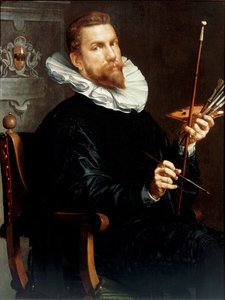
Joachim Anthonisz Wtewael
1566 - 1638 , Países Bajos
Datos clave
- Artistic Movement Or Style: Manierismo
- Artists Who Influenced This Artist: ['Segunda escuela de Fontainebleau']
- Date Of Birth: 1566
- Date Of Death: 1638
- Full Name: Joachim Anthonisz Wtewael
- Nationality: Neerlandés
- Notable Artworks:
- Adoración de los pastores
- Venus y Marte sorprendidos por Vulcano
Artículos relacionados
Echoes of Olympus: Mythological Narratives in Western Art Through the Ages
Explore the captivating history of mythological narratives in Western art! From ancient Greece to modern masterpieces, discover iconic artworks & symbolism. Expert analysis and high-quality reproductions at ArtsDot.
El Crepúsculo del Clasicismo Renacentista: Un Estudio del Estilo y la Afectación en el Manierismo
Descubre el Manierismo: un análisis profundo de este fascinante estilo artístico del Renacimiento tardío. Explora sus características, artistas clave y legado con ArtsDot.
Mannerismo: 10 Obras Maestras que Definieron un Estilo Revolucionario | ArtsDot.com
Descubre las 10 obras maestras del Mannerismo: Pontormo, El Greco y más. Explora la elegancia renacentista, figuras alargadas y paletas vibrantes de este movimiento artístico único. Reproducciones de arte exclusivas en ArtsDot.com.
Hans von Aachen: Mannerism's Courtly Visionary & Imperial Portraiture
Explore the captivating world of Hans von Aachen, a leading Mannerist painter renowned for his exquisite imperial portraits & mythological scenes. Discover his legacy and influence on 16th-century European art.
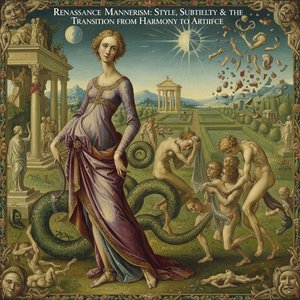
Renaissance Mannerism: Style, Subtlety & the Transition from Harmony to Artifice
Explore the captivating world of Renaissance Mannerism! Discover its key characteristics, pioneering artists like Pontormo & Bronzino, and its pivotal role in art history. Expert insights & museum-quality reproductions at ArtsDot.

