 Ver en contexto
 Enviar
 Compartir
 Detalles

 Descargar
 Similares
 Radiografía
 Presentación de diapositivas
 Estadísticas
Filling the Pipe


 Ver más
Giclée / Impresión de arte
Impresiones giclée o en lienzo de calidad de museo con producción rápida y opciones de acabado flexibles. ( Comprar pintura hecha a mano Cambiar a imagen digital)




P118B $10

P118H $10

P118W $10

P438Z $10

P508JH $12

P508YH $12

P805H $10

P805Z $10

P919BZ $10

P919G $10

P919XJ $10

P959ZH $10

P968JZ $12

W106C $8

W218G $10

W218JH $8

W218Y $10

W307PJ $10

W316G $10

W316PJ $8

W316Y $10

W398PJ $8

W4111J $10

W500HY $15

W500JH $15

W692G $12

W849H $8

W940BG $15

W953PJ $8




Elija entre nuestros tamaños predefinidos que respetan las proporciones originales de la obra.

Puede introducir sus propias dimensiones para adaptarse a un marco o espacio específico. Si el tamaño seleccionado no coincide con las proporciones de la imagen original, recortaremos la obra de arte o extenderemos la imagen con un borde con efecto espejo o de color sólido. Se enviará una maqueta digital para su aprobación antes de que comience la producción.
Tenga en cuenta que la vista previa en pantalla no refleja el recorte o la extensión real. Solo la maqueta mostrará con precisión la composición final.
Aunque existen tamaños personalizados, recomendamos seleccionar una dimensión de la lista predefinida para preservar las proporciones originales.
Envío a todo el mundo () en 2 semanas en lugar de las 4/5 semanas estándar. (11 septiembre)

Envío exprés gratuito a todo el mundo

Lienzo de lino de alta calidad

Seguro de envío total

Garantía de reembolso de impuestos aduaneros

Garantía de fidelidad cromática exacta

Política de devolución de 100 días (solo por defectos)

Garantía de devolución del 100% del dinero

Descuento por cantidad
 La opción de vidrio solo está disponible en tamaños inferiores a 110 cm.

Filling the Pipe
Giclée / Impresión de arte
Dimensiones de la reproducción
-


Precio total final
$ 62
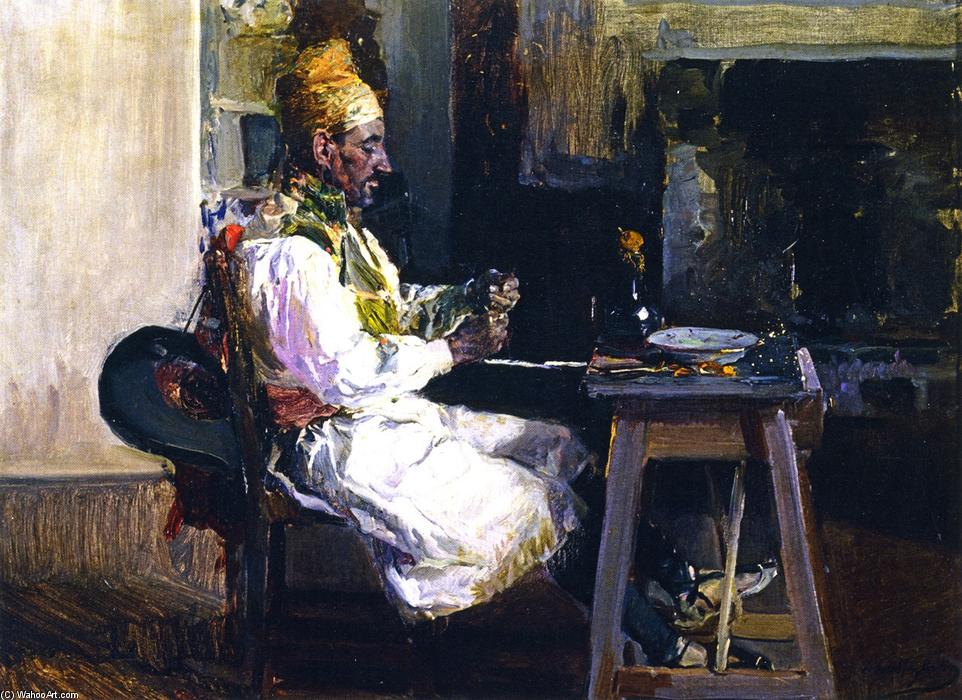
A Moment of Quiet Reflection: Exploring Sorolla’s “Filling the Pipe”
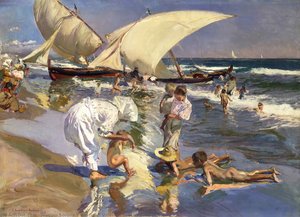
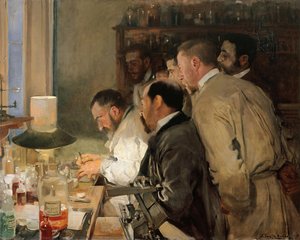
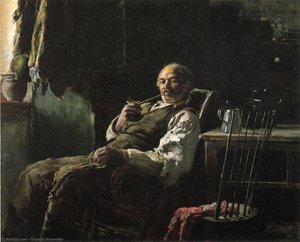
Joaquín Sorolla y Bastida's "Filling the Pipe," painted in 1899, is more than just a portrait; it’s a carefully constructed tableau of leisure and light – a quintessential example of the Spanish master’s signature style. The painting depicts a man seated at a table, an intimate scene rendered with remarkable precision and imbued with a palpable sense of warmth. This work offers a glimpse into the life of a gentleman enjoying a moment of quiet contemplation, a theme frequently explored by Sorolla throughout his career.
- Subject Matter: The central figure is presented in a relaxed posture, holding a pipe – a symbol of tranquility and reflection – while his other hand rests on the table. The inclusion of everyday objects like bottles and bowls adds to the realism and suggests a scene of convivial conversation or solitary enjoyment.
- Technical Brilliance: Sorolla’s mastery of light is immediately apparent. He employs broken brushstrokes, a technique he perfected in Rome, to capture the shimmering effect of sunlight filtering through a window, bathing the figure and objects in a golden glow. This masterful use of *plein air* painting techniques creates an illusion of depth and vibrancy that draws the viewer into the scene.
The Influence of Luminism and Spanish Tradition
Sorolla’s artistic journey was profoundly shaped by his time in Rome, where he immersed himself in the works of classical masters like Raphael and Titian. However, he never abandoned his roots. “Filling the Pipe” demonstrates a strong connection to Spanish traditions, particularly the *luminismo* movement, which emphasized the importance of light and color in depicting everyday life. This style, popular among Spanish artists during the late 19th century, sought to capture the beauty of the natural world with an emphasis on vibrant hues and dynamic effects.
- Historical Context: The painting was created during a period of significant social and artistic change in Spain. The rise of modernism challenged traditional values, but Sorolla’s work remained firmly rooted in the beauty of the Spanish landscape and the rhythms of daily life.
- Sorolla's Palette: Notice the rich palette – warm yellows, ochres, and browns dominate, reflecting the light and atmosphere of Valencia, where Sorolla spent much of his life and worked.
Symbolism and Emotional Resonance
Beyond its technical brilliance, “Filling the Pipe” is laden with symbolic meaning. The pipe itself represents contemplation and a slowing down of time, while the objects on the table suggest a comfortable domestic setting. The man’s relaxed posture and serene expression convey a sense of contentment and peace. Sorolla was adept at capturing not just appearances but also the emotional atmosphere of his subjects.
- The Chair & Clock: The inclusion of a chair and clock subtly reinforces the theme of time passing, adding another layer to the painting’s contemplative mood.
- Emotional Impact: The overall effect is one of quiet beauty and serenity – an invitation for the viewer to share in the man's moment of peaceful reflection.
A Legacy of Light and Color
"Filling the Pipe" stands as a testament to Joaquín Sorolla’s extraordinary talent and his ability to capture the essence of Spanish life with light, color, and emotion. This painting exemplifies his signature style and continues to resonate with viewers today. ArtsDot offers meticulously crafted hand-painted reproductions that faithfully recreate this iconic work, allowing you to bring its beauty into your own space.
Obras relacionadas
Biografía del artista
Primeros años y formación
Joaquín Sorolla y Bastida, un renombrado pintor español, nació el 27 de febrero de 1863 en Valencia, España. Era hijo mayor de Joaquín Sorolla, comerciante, y Concepción Bastida. Tras quedar huérfano a los dos años, fue criado por su tía materna y su tío. Su vocación artística se manifestó temprano, recibiendo sus primeras lecciones de arte a la edad de nueve años en su ciudad natal. Posteriormente estudió bajo la tutela de Cayetano Capuz, Salustiano Asenjo y José Benlliure en Roma. Una beca de cuatro años le permitió estudiar pintura en Roma, Italia, donde se vio influenciado por Francisco Pradilla.Desarrollo Artístico y Estilo
El estilo artístico de Sorolla evolucionó desde una formación académica hacia un enfoque más luminoso e impresionista. Aunque inicialmente pintó obras con temas históricos y religiosos para complacer a las academias, pronto desarrolló su propio lenguaje visual caracterizado por la captura magistral de la luz mediterránea y el movimiento. Su habilidad para representar escenas cotidianas, especialmente aquellas relacionadas con la playa y los niños jugando, lo convirtió en un artista único. Su técnica se basaba en pinceladas rápidas y vibrantes que transmitían una sensación de espontaneidad y vitalidad.Obras Destacadas y Logros
Sorolla dejó un legado impresionante de obras maestras. Entre ellas destacan:- Italian Girl with Flowers (Niña Italiana con Flores), una obra que ejemplifica su habilidad para capturar la esencia de sus sujetos.
- Bathing Time (Tiempo de Baño), demostrando su dominio del equilibrio entre luz y color, especialmente en escenas marinas.
- White Slave Trade (Trata de Blancas), un ejemplo raro de realismo social en su obra, abordando temas importantes de la época.
- Numerosas pinturas costumbristas que retratan la vida en las playas españolas, con figuras vibrantes y llenas de energía.
Influencia e Importancia Histórica
Joaquín Sorolla es considerado uno de los máximos exponentes del luminismo español y un precursor del impresionismo en España. Su capacidad para capturar la luz y el color con una técnica innovadora lo distingue de otros artistas de su época. Su obra ha influido a generaciones de pintores españoles, y su legado continúa siendo apreciado por su vitalidad, optimismo y representación fiel de la vida cotidiana. El Museo Sorolla en Madrid es un testimonio de su importancia histórica y una fuente invaluable para el estudio de su arte. Su habilidad para plasmar la alegría y la belleza del Mediterráneo lo ha convertido en un icono de la pintura española. Su obra, caracterizada por la luminosidad y la bravura, sigue inspirando a artistas hoy en día.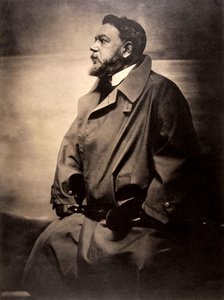
Joaquín Sorolla y Bastida
1863 - 1923 , España
Datos clave
- Artistas Influyentes: ['Francisco Pradilla']
- Estilo Artístico: Realismo, Luminismo
- Fecha De Fallecimiento: 23 de agosto de 1923
- Fecha De Nacimiento: 27 de febrero de 1863
- Lugar De Nacimiento: Valencia, España
- Nacionalidad: Española
- Nombre Completo: Joaquín Sorolla y Bastida
- Obras Notables:
- Italian Girl with Flowers
- Bathing Time
- White Slave Trade
Artículos relacionados
The Golden Age Reforged: Dramatic Realism & Religious Zeal in Spanish Baroque Art
Explore the dramatic world of Spanish Baroque art! Discover masters like Zurbarán & the powerful influence of religious zeal on painting techniques – a guide for collectors and enthusiasts.
William Michael Harnett: Still Life, Realism & the American Pursuit of Materiality
Explore the captivating still lifes of William Michael Harnett, a master of American realism and trompe l'oeil painting. Discover his technique, legacy & the cultural context behind his iconic works.

10 Obras Maestras del Realismo Romántico que Debes Conocer
Explora la emoción y el detalle del Realismo Romántico. Un viaje por 10 obras maestras que capturan la esencia humana con técnica y alma. Encuentra inspiración y reproducciones de calidad museo para tu hogar en ArtsDot.com. ¡Descubre toda la colección online!
Silent Narratives: Exploring the Enduring Appeal of Still Life Painting Across Centuries
Explore the rich history of still life painting with ArtsDot. Discover Dutch Masters, decode vanitas symbolism & learn about collecting timeless art. Expert insights and museum-quality reproductions.
Joaquín Sorolla: Capturing Spanish Light & Life – A Legacy of Impressionism
Explore the luminous world of Joaquín Sorolla, Spanish master of Impressionism. Discover his life, techniques & legacy – a guide for art collectors and enthusiasts. Invest in timeless beauty.