

 Ver en contexto
 Enviar
 Compartir
 Detalles

 Descargar
 Similares
 Radiografía
 Presentación de diapositivas
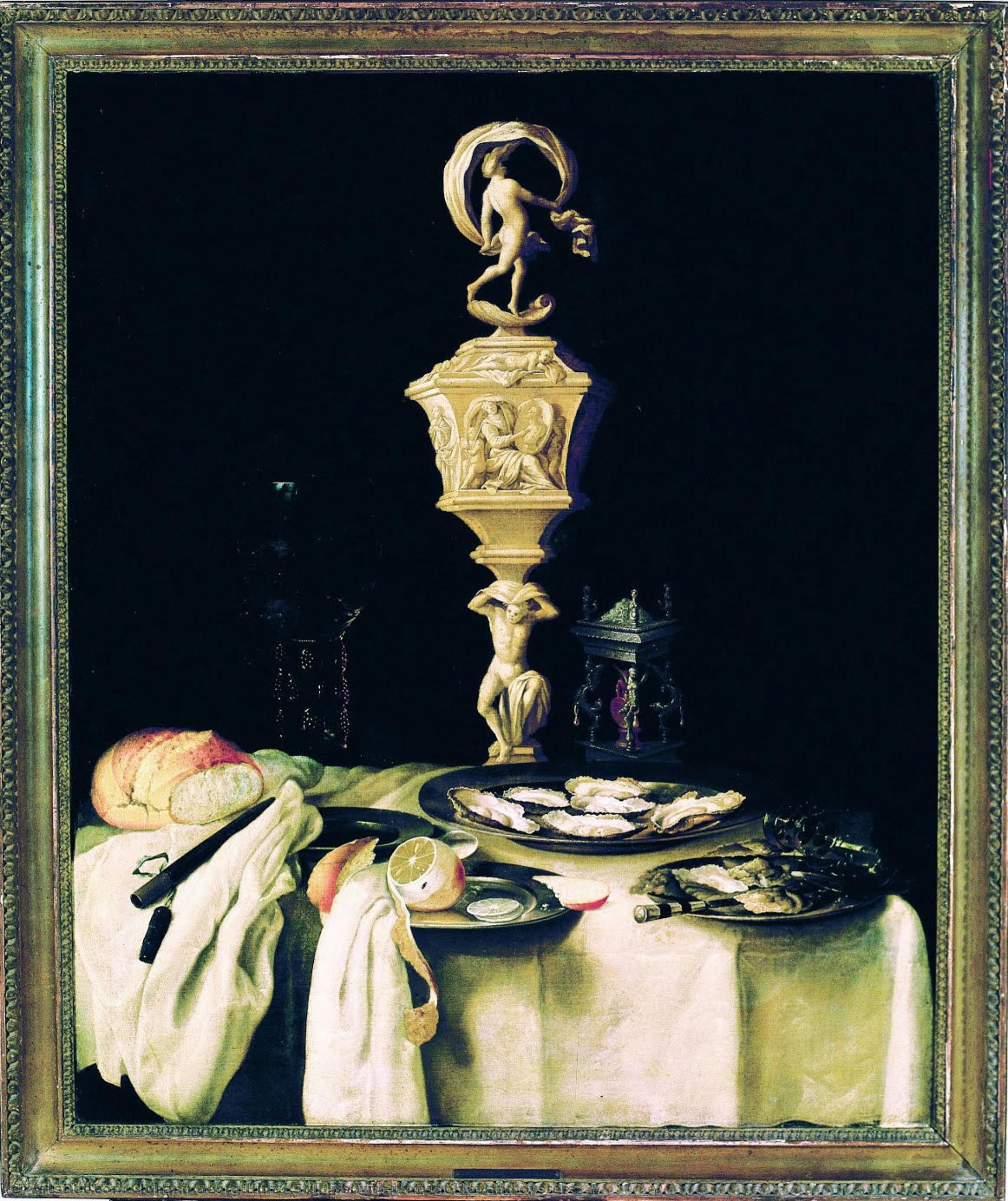
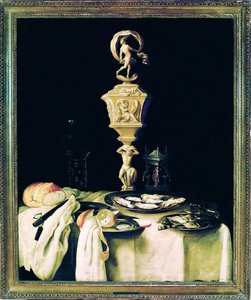
Still life with ivory goblet and oysters


 Ver más
Giclée / Impresión de arte
Impresiones giclée o en lienzo de calidad de museo con producción rápida y opciones de acabado flexibles. ( Comprar pintura hecha a mano Comprar imagen)




































Elija entre nuestros tamaños predefinidos que respetan las proporciones originales de la obra.

Puede introducir sus propias dimensiones para adaptarse a un marco o espacio específico. Si el tamaño seleccionado no coincide con las proporciones de la imagen original, recortaremos la obra de arte o extenderemos la imagen con un borde con efecto espejo o de color sólido. Se enviará una maqueta digital para su aprobación antes de que comience la producción.
Tenga en cuenta que la vista previa en pantalla no refleja el recorte o la extensión real. Solo la maqueta mostrará con precisión la composición final.
Aunque existen tamaños personalizados, recomendamos seleccionar una dimensión de la lista predefinida para preservar las proporciones originales.
Envío a todo el mundo () en 2 semanas en lugar de las 4/5 semanas estándar. (26 agosto)

Envío exprés gratuito a todo el mundo

Lienzo de lino de alta calidad

Seguro de envío total

Garantía de reembolso de impuestos aduaneros

Garantía de fidelidad cromática exacta

Política de devolución de 60 días (solo por defectos)

Garantía de devolución del 100% del dinero

Descuento por cantidad
 La opción de vidrio solo está disponible en tamaños inferiores a 110 cm.

Still life with ivory goblet and oysters
Giclée / Impresión de arte
Dimensiones de la reproducción
-


Precio total final
$ 62
Obras relacionadas
Biografía del artista
The Luminous World of Johann Georg Hinz
In the grand tapestry of the German Baroque, few threads shimmer with as much quiet, meticulous brilliance as those woven by Johann Georg Hinz. A master of the still life, Hinz possessed a rare ability to transform the mundane objects of everyday existence—a glinting oyster, a heavy pewter tankard, or a dew-kissed piece of fruit—into profound meditations on texture, light, and the fleeting nature of time. While history often reserves its loudest praises for the sweeping dramas of Rubens or the psychological depth of Rembrandt, Hinz carved out a sanctuary of intimacy. His work invites the viewer not into a theater of grand gestures, but into a private, silent room where every surface tells a story of tactile beauty and ephemeral splendor.
Born in 1630, likely in Altenau or within the artistic orbit of the Rhineland, Hinz’s early life was shaped by the burgeoning traditions of Northern European realism. His lineage suggests a deep-seated connection to the craft; with a father, Johann Christoph Hinz, who was himself an engraver and painter, the language of visual precision was his first mother tongue. This foundational training in the nuances of line and shadow prepared him for a career defined by an almost scientific devotion to observation. As he moved through the artistic landscapes of his era, possibly spending formative time in Amsterdam, he absorbed the sophisticated Dutch approach to the pronkstilleven—the ostentatious still life—blending it with a distinctly German sensibility that favored a certain grounded, earthy elegance.
A Legacy of Light and Texture
The true genius of Hinz lies in his command over the sensory experience of paint. To look upon a Hinz composition is to feel the cold dampness of an oyster shell or the smooth, chilled surface of an ivory goblet. He was a painter of surfaces, obsessed with the way light interacts with different materials: the way it clings to the velvet skin of a peach, how it refracts through a glass of amber beer, or how it dances upon the metallic rim of a silver vessel. His workshop, established in the mid-17th century, became a beacon for those seeking to master this delicate interplay of light and shadow. Through his tutelage, he influenced a generation of artists, including Christian Berentz and potentially Franz Werner von Tamm, ensuring that his meticulous approach to detail would ripple through the subsequent decades of German art.
His subject matter often revolved around the concept of the curiosity cabinet, presenting collections of precious objects that reflected the humanist interests of the age. These were not merely displays of wealth, but carefully curated arrangements of nature and artifice. In his hands, a simple breakfast scene becomes an exploration of abundance and decay, a subtle memento mori hidden within the lushness of a fruit bowl. This duality—the celebration of life's richness paired with the quiet reminder of its transience—is what gives his oeuvre such enduring psychological resonance.
Historical Significance and Artistic Impact
Though the biographical records of Hinz’s later years are occasionally fragmented, his impact on the development of the German Baroque still life is undeniable. He was a pioneer who brought the sophisticated techniques of the Dutch masters to the German territories, specifically in regions like Hamburg, where he became a foundational figure in the local artistic identity. His ability to elevate the "lesser" genres of painting—still life and minor objects—to a level of high art helped expand the boundaries of what was considered worthy of the canvas.
Today, the works of Johann Georg Hinz serve as exquisite windows into the 17th century. They offer more than just aesthetic pleasure; they provide a window into the soul of an era that found divinity in the details. His legacy remains preserved in the silent, breathtaking moments captured within his frames:
- The Mastery of Materiality: His unparalleled ability to replicate the tactile essence of glass, metal, and organic matter.
- The Influence of the Düsseldorf School: The propagation of a style defined by luminous color palettes and meticulous detail.
- A Bridge Between Traditions: His role in synthesizing Dutch realism with German Baroque sensibilities.
johann georg hinz
1630 - 1688
Datos clave
- Artistic Movement Or Style: Baroque Painting
- Artists Or Movements Influenced By This Artist: ['Dutch Masters']
- Artists Who Influenced This Artist: ['Peter Paul Rubens']
- Date Of Death: 1688
- Full Name: Johann Georg Hinz
- Nationality: German
- Notable Artworks: ['Still Life with Fruit and Flowers']
- Place Of Birth: Germany
Artículos relacionados

Georges Braque: Las 25 Obras Maestras del Cubismo y su Legado en el Arte Moderno
Descubre las 25 obras maestras de Georges Braque, pionero del cubismo. Explora su innovadora técnica, colores y el legado del arte moderno francés. Reproducciones de alta calidad en ArtsDot.com. ¡Encuentra tu inspiración!

Georges Seurat: Las 25 Obras Maestras del Pionero Puntillista | ArtsDot
Descubre las 25 obras maestras de Georges Seurat, el innovador del puntillismo. Explora su técnica única, colores vibrantes y legado artístico en ArtsDot.com. Reproducciones de arte de museo para tu hogar.

Los 10 Maestros del Barroco Holandés: Obras que Definen una Época | ArtsDot
Descubre los 10 imprescindibles del Barroco holandés: Rembrandt, Vermeer y más. Explora la historia, técnica y belleza de estas obras maestras. Reproducciones de arte en ArtsDot.com para decorar tu hogar con elegancia.

Los 10 Maestros del Siglo de Oro Holandés: Arte, Historia y Decoración Exclusiva
Descubre los 10 imprescindibles del Siglo de Oro Holandés: Rembrandt, Vermeer y más. Explora la historia, técnica y belleza de estos lienzos clásicos. Encuentra reproducciones de arte exclusivas para decorar tu hogar en .

Reflejos de una Época Dorada: La Pintura Barroca Holandesa y la Innovación Cultural
Descubra la riqueza y el detalle de la pintura barroca holandesa del Siglo de Oro. Explore las obras maestras de Rembrandt, Vermeer y otros artistas clave. Análisis experto e historia cultural.

