 Ver en contexto
 Enviar
 Compartir
 Detalles

 Descargar
 Similares
 Radiografía
 Presentación de diapositivas
 Estadísticas
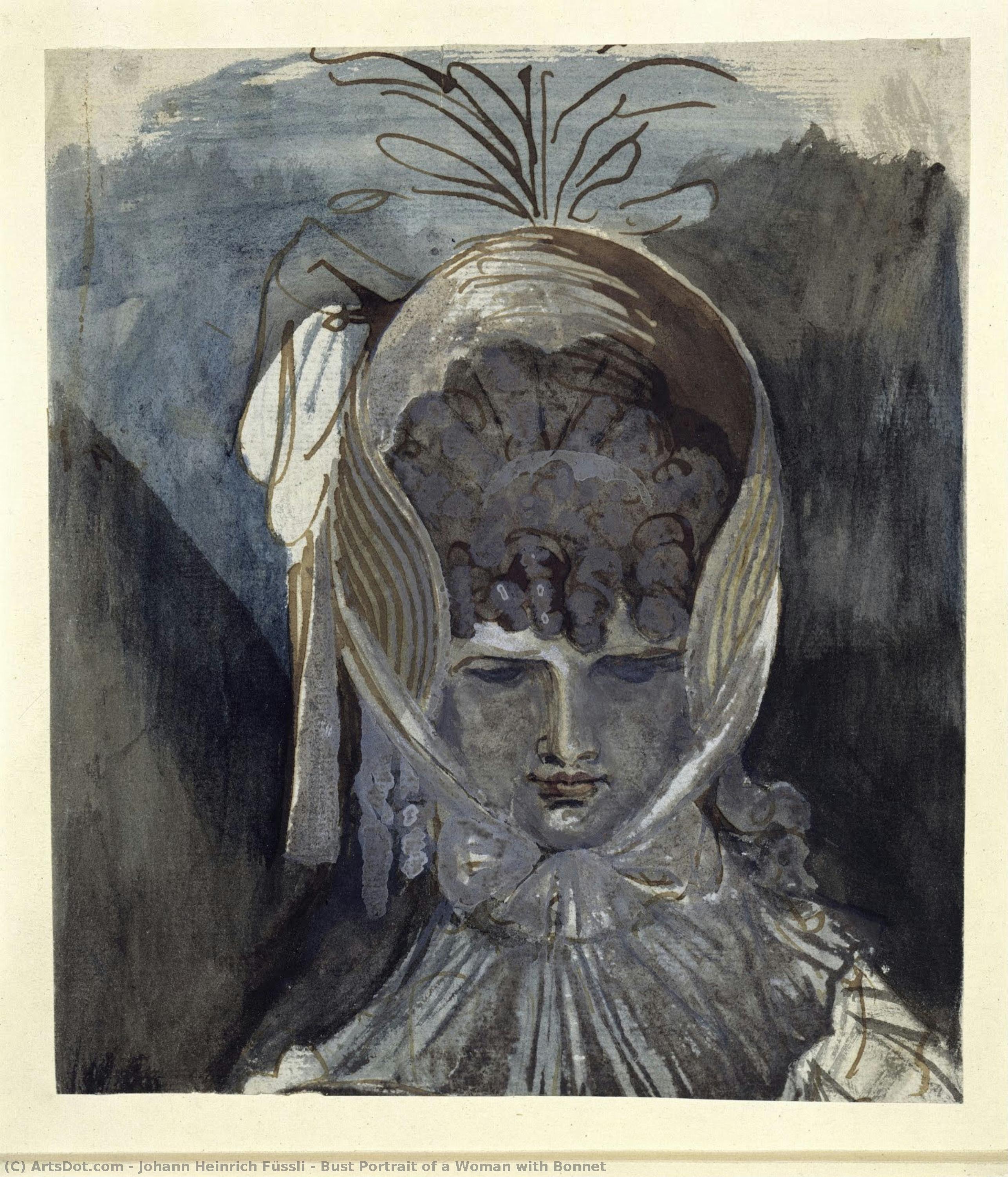
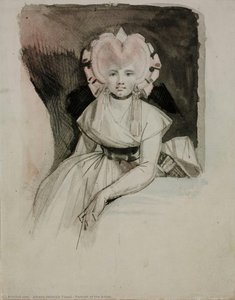
Bust Portrait of a Woman with Bonnet
 Watercolor
- WallArt
- Romanticism
 19th Century
 16.0 x 19.0 cm
 Kupferstichkabinett
 Ver más
Reproducción al óleo hecha a mano
Óleo sobre lienzo pintado a mano en el tamaño y marco de su elección, realizado por encargo por nuestros artistas. ( Cambiar a Impresión Cambiar a imagen digital)




P118B $10

P118H $10

P118W $10

P438Z $10

P508JH $12

P508YH $12

P805H $10

P805Z $10

P919BZ $10

P919G $10

P919XJ $10

P959ZH $10

P968JZ $12

W106C $8

W218G $10

W218JH $8

W218Y $10

W307PJ $10

W316G $10

W316PJ $8

W316Y $10

W398PJ $8

W4111J $10

W500HY $15

W500JH $15

W692G $12

W849H $8

W940BG $15

W953PJ $8




Elija entre nuestros tamaños predefinidos que respetan las proporciones originales de la obra.

Puede ingresar sus propias dimensiones para adaptarse a un marco o espacio específico. Si el tamaño seleccionado no coincide con las proporciones de la imagen original, recortaremos la obra o extenderemos la pintura con elementos adicionales pintados a mano. Se le enviará una maqueta digital para su aprobación antes de comenzar la producción.
Tenga en cuenta que la vista previa en pantalla no refleja el recorte o la extensión reales. Solo la maqueta mostrará con precisión la composición final.
Si bien existen tamaños personalizados, recomendamos seleccionar una dimensión de la lista predefinida para preservar las proporciones originales.
Tras realizar el pedido, el equipo de ArtsDot.com enviará un correo electrónico al cliente para solicitar instrucciones y proporcionarle una vista previa del boceto.
Envío a todo el mundo () en 3-4 semanas en lugar de las 5 semanas estándar. (10 septiembre). Sin comprometer la calidad.

Envío exprés gratuito a todo el mundo

Lienzo de lino de alta calidad

Seguro de envío total

Garantía de reembolso de impuestos aduaneros

Garantía de fidelidad cromática exacta

Política de devolución de 100 días (solo por defectos)

Garantía de devolución del 100% del dinero

Descuento por cantidad
 La opción de vidrio solo está disponible en tamaños inferiores a 110 cm.

Bust Portrait of a Woman with Bonnet
Técnica de reproducción
Dimensiones de la reproducción
-


Precio total final
$ 263
An Intimate Encounter with the Muse
In the delicate, translucent layers of Johann Heinrich Füssli’s watercolor portrait, we find ourselves peering into a private moment of late 18th-century elegance. This bust portrait of a woman, adorned in an exquisite bonnet, transcends mere likeness to offer a window into the artist's soul. For much of his career, Füssli was celebrated for his haunting, supernatural visions and dramatic Shakespearean scenes; however, it is in these quieter, more intimate works that his true emotional depth is revealed. The subject, widely believed to be his wife, serves as a profound anchor in his oeuvre—a figure who embodies both the sophisticated fashion of her era and a deeply personal, almost fetishistic, devotion to beauty and form.
The composition is masterfully centered, drawing the viewer’s eye immediately to the soft contours of the woman's face. There is a palpable sense of verticality, structured by the architectural grace of her bonnet, which frames her features with an almost protective intimacy. Füssli employs a muted, cool color palette dominated by ethereal grays, soft blues, and pristine whites, punctuated only by subtle earthy browns. This choice of tones creates a melancholic, vintage atmosphere, evoking a sense of nostalgia for a bygone era of refinement. The background remains minimal, intentionally understated to ensure that the focus remains entirely on the subject's quiet presence.
Technique and the Poetry of Light
As a master of the watercolor medium, Füssli utilizes a sophisticated wet-on-wet technique that allows colors to bleed into one another with seamless grace. The texture of the piece is inherently luminous; the paper itself seems to breathe through the translucent washes of pigment. His brushwork is notably expressive—not bound by rigid, clinical lines, but rather defined by soft, organic edges that suggest movement and a spontaneous, living energy. This fluidity is particularly evident in the rendering of the bonnet’s fabric, where delicate layers of color suggest the weight and texture of fine lace and silk without the need for heavy ornamentation.
The lighting within the portrait is diffused and gentle, eschewing harsh shadows in favor of a soft, ambient glow. This lack of dramatic chiaroscuro contributes to the painting's overall sense of tranquility and introspection. The light seems to emanate from within the subject herself, highlighting the smooth porcelain quality of her skin and the intricate details of her floral adornments. For the collector or interior designer, this subtle use of light makes the piece incredibly versatile; it possesses a quiet strength that can anchor a room without overwhelming its decor, providing a sophisticated focal point that invites long, contemplative gazes.
Symbolism and Emotional Resonance
Beyond the technical brilliance lies a profound emotional narrative. The subject’s downward gaze is perhaps the most evocative element of the work, suggesting a state of deep introspection, modesty, or even a lingering sadness. This sense of quietude invites the viewer to participate in her private thoughts, creating an emotional bond that is rare in portraiture. While some historical interpretations viewed such figures through the lens of the "courtesan," modern scholarship recognizes the profound personal connection between the artist and his subject, transforming the piece from a mere fashion study into a testament of enduring affection.
The elaborate bonnet, adorned with delicate floral elements, serves as a symbol of both social status and the fleeting nature of beauty. It represents the structured expectations of 18th-century society, yet the soft, expressive way Füssli renders it suggests a breaking of those very boundaries through art. For those seeking to bring a piece of Romantic history into their homes, this reproduction offers more than just aesthetic beauty; it provides an emotional sanctuary. It is a work that speaks of elegance, mystery, and the timeless allure of the human spirit, making it an incomparable addition to any curated collection of fine art.
Obras relacionadas
Biografía del artista
Early Life and Education
Johann Heinrich Füssli, a Swiss painter, draughtsman, and writer on art, was born on February 7, 1741, in Zurich, Switzerland. He was the second of eighteen children to Johann Caspar Füssli, a portrait painter. Füssli received a classical education at the Collegium Carolinum in Zurich, fostering an early appreciation for artistic principles and historical studies. This rigorous training laid the foundation for his later explorations into both classical and fantastical themes. His upbringing within a family deeply rooted in art provided him with invaluable insights and connections that would shape his career trajectory.Artistic Career and Influences
Füssli’s artistic journey commenced with his relocation to London in 1764, where he encountered Sir Joshua Reynolds, who became a pivotal mentor, encouraging him to dedicate himself entirely to painting. This marked a significant turning point, propelling him away from initial plans for a clerical career. Subsequently, Füssli spent eight years immersed in Italy, a period of intense study and artistic development. He meticulously examined the works of masters such as Titian, Caravaggio, and Mannerists, absorbing their techniques and stylistic approaches. These influences profoundly shaped his own distinctive style, characterized by dramatic lighting, dynamic compositions, and an exploration of emotional intensity.Supernatural Themes and Literary Inspiration
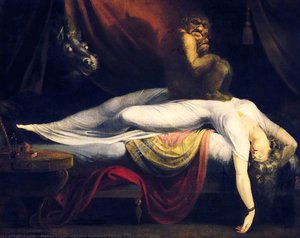
A defining characteristic of Füssli’s oeuvre is his fascination with the supernatural and the dreamlike. His paintings frequently depicted scenes imbued with otherworldly elements, nightmares, and fantastical creatures—a hallmark of the emerging Romantic movement. Notably, he created a series of works inspired by John Milton's epic poems, envisioning a “Milton Gallery” intended to rival Boydell’s Shakespeare Gallery. This ambition reflected his deep engagement with literary narratives and his desire to translate imaginative worlds onto canvas. His most famous work, *La Pesadilla* (The Nightmare), exemplifies this style, capturing the terror and disorientation of a dream state with remarkable intensity.Notable Works, Legacy, and Museums
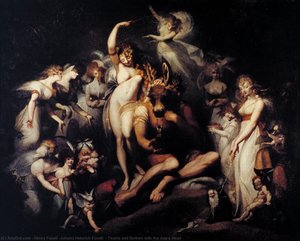
Füssli’s artistic legacy extends through numerous significant paintings, including “Titania, Bottom & Fairies,” a vibrant depiction of Shakespeare's *A Midsummer Night’s Dream*, showcasing his ability to infuse literary scenes with visual drama and symbolic richness. His association with the Royal Academy, where he held positions as Professor of Painting and Keeper, further cemented his influence on subsequent generations of British artists, including William Blake. Füssli’s works are now housed in prestigious museums worldwide, such as the Kunsthaus Zürich (Switzerland), which boasts a comprehensive collection of his paintings, including *La Pesadilla*, and the Albertina in Vienna (Austria), where one can admire his watercolor piece, “Teiresias Foretells the Future to Odysseus.” His exploration of psychological depth and emotional intensity continues to resonate with art lovers today. Recommended Reading:- Titania, Bottom & Fairies by Johann Heinrich Füssli
- Henry Fuseli - Wikipedia
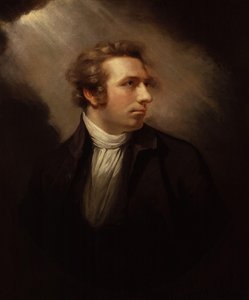
Johann Heinrich Füssli
1741 - 1825 , Suiza
Datos clave
- Artistic Movement Or Style: Romanticismo, Neoclasicismo
- Artists Or Movements Influenced By This Artist: ['William Blake']
- Artists Who Influenced This Artist:
- Titian
- Caravaggio
- Date Of Birth: 7 Feb 1741
- Date Of Death: 16 Abr 1825
- Full Name: Johann Heinrich Füssli
- Nationality: Suizo
- Notable Artworks:
- La Pesadilla
- Titania y Bottom
- Place Of Birth: Zúrich, Suiza
Artículos relacionados

Acuarelas Legendarias: 10 Obras Maestras que Transformaron el Arte | ArtsDot
Descubre 10 acuarelas legendarias de Turner, Monet y Sargent que revolucionaron el arte. Explora la historia, técnica y belleza de estas obras maestras impresionistas y románticas. Reproducciones de museo en ArtsDot.com.

Ephemeral Visions: Exploring the Artistic Legacy & Contemporary Practice of Watercolor Painting
Explore the captivating world of watercolor painting! Discover its rich history, essential techniques, influential artists & collecting tips. A comprehensive guide for art enthusiasts from ArtsDot.

Ephemeral Visions: Exploring the Artistic Legacy & Nuances of Watercolor Painting
Explore the captivating world of watercolor painting! Discover its rich history, essential techniques, influential artists & collecting tips from art experts. A comprehensive guide for enthusiasts.

Beyond Myth & Madness: Exploring the Visionary Art of Johann Heinrich Füssli
Explore the captivating world of Johann Heinrich Füssli (Henry Fuseli), a master of Romantic art. Discover his iconic 'The Nightmare' and Shakespearean scenes, plus insights for collectors & enthusiasts.

Visiones Efímeras: Historia y Resonancia Emocional de la Pintura Acuarela
Descubre la fascinante historia de la acuarela, desde sus orígenes hasta su expresión contemporánea. Explora técnicas, artistas clave como Paul Klee y encuentra reproducciones de alta calidad en ArtsDot.