

 Ver en contexto
 Enviar
 Compartir
 Detalles

 Descargar
 Similares
 Radiografía
 Presentación de diapositivas
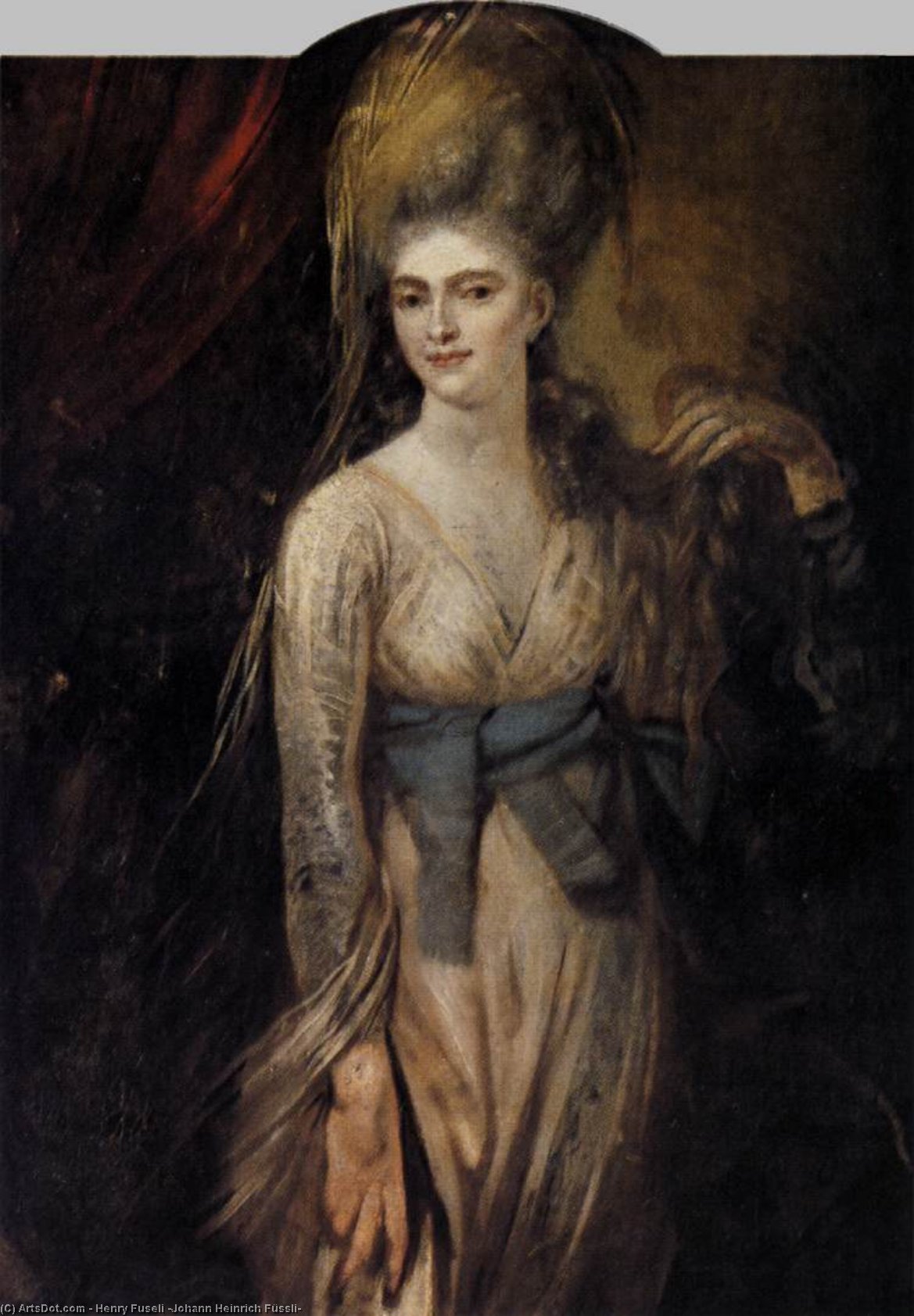
Portrait of a Young Woman
 Óleo sobre lienzo
- Arte de pared
- Romanticism
 1781
1781 101.0 x 127.0 cm
 Instituto de Artes de Detroit
 Ver más
Adquiera una imagen digital de alta resolución y optimizada, muy superior a la vista previa en línea.
Cada archivo es preparado meticulosamente por nuestros especialistas internos mediante el uso de herramientas avanzadas y un experto retoque manual. Nos aseguramos de que cada imagen posea una claridad excepcional, una precisión cromática impecable y un detalle minucioso.
El archivo final se entrega por correo electrónico en un plazo de 72 horas, optimizado para su uso inmediato en entornos profesionales, editoriales y de impresión. Esta es la misma calidad en la que confían los estudios de diseño, las editoriales y las galerías de primer nivel.
Imagen Digital
Descarga un archivo de alta resolución para exhibición personal, impresión y proyectos creativos. ( Comprar impresión Comprar pintura hecha a mano)
Incluido en cada pedido de imágenes digitales
Entrega digital experta, garantizada.
Al elegir ArtsDot.com, no solo está adquiriendo una imagen; está recibiendo una obra de arte digital mejorada profesionalmente, elaborada con precisión y respaldada por una garantía de satisfacción. Esto es todo lo que incluye su pedido, automáticamente:

Entrega rápida por email
Recibirá su archivo de imagen digital en alta resolución por correo electrónico en un plazo de 72 horas tras realizar su pedido, listo para su uso inmediato.

Archivo digital optimizado por IA
Su obra de arte se optimiza profesionalmente mediante herramientas avanzadas de IA y edición manual, garantizando el máximo detalle, claridad y precisión cromática.

Reenvío gratuito de por vida
¿Has borrado o perdido tu archivo por error? No te preocupes: te lo volveremos a enviar en cualquier momento, sin coste adicional.

Sin gastos de importación, siempre
Disfrute de su obra de arte al instante sin aduanas, aranceles ni gastos de envío; las descargas digitales siempre están libres de impuestos.

Garantía de fidelidad de color
Garantizamos que su imagen digital refleje los colores originales con la mayor fidelidad posible, mediante el uso de herramientas profesionales y gestión del color.

Garantía de satisfacción de 60 días
Si no está satisfecho con su imagen digital, la revisaremos o le reembolsaremos el 100% en un plazo de 60 días, sin preguntas.

100% Garantía de devolución de dinero
¿No está satisfecho? Obtenga un reembolso completo dentro de los 60 días posteriores a la recepción de su archivo digital, sin necesidad de explicaciones.

Descuentos por pedidos grandes
Compra 3 imágenes, ahorra 10% - Compra 5, ahorra 15% - Compra 10+, ahorra 20%. Ideal para proyectos creativos, galerías y agencias.
Portrait of a Young Woman by Henry Fuseli: A Gothic Reverie
The Portrait of a Young Woman by Johann Heinrich Füssli, painted in 1781, stands as an arresting emblem of the Romantic movement’s fascination with psychological depth and unsettling beauty. More than just a depiction of a female figure, it's a meticulously crafted tableau that delves into themes of dreams, fear, and the subconscious—a realm where reason yields to imagination and darkness whispers secrets beneath a veneer of elegance. Located at the Institute of Arts in Detroit, United States, this oil on canvas masterpiece continues to captivate viewers with its haunting atmosphere and masterful execution.A Window Into Romanticism’s Soul
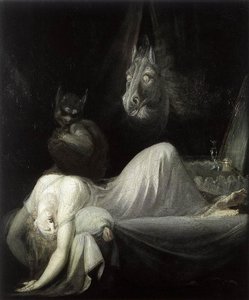
Romanticism arose in Europe during the late 18th century as a reaction against Enlightenment rationalism. Artists sought to express emotion, explore spirituality, and celebrate the sublime—experiences that transcended logical understanding. Henry Fuseli, deeply influenced by Milton's Paradise Lost and captivated by visions of the supernatural, embodied this ethos perfectly. His work aimed not merely to represent reality but to evoke profound feelings within the observer, mirroring the movement’s core belief in subjective experience. Consider also his other celebrated piece “The Nightmare,” which similarly explores anxieties surrounding sleep and the darker side of human psychology.Technical Brilliance: Fuseli's Approach to Oil Painting
Fuseli’s technique exemplifies the conventions of Neoclassical portraiture blended with Romantic sensibilities. He employed layering and blending techniques—a hallmark of oil painting—to achieve luminous skin tones and subtle gradations of color, creating a palpable sense of texture and depth. The artist skillfully utilized chiaroscuro – dramatic contrasts between light and shadow – to heighten the emotional impact of the scene. Notice how the dark background envelops the woman’s figure, emphasizing her face and highlighting the delicate drapery, drawing the eye inward toward the central subject. The meticulous attention to detail—from the intricate folds of fabric to the subtle expression on the woman's countenance—underscores Fuseli’s commitment to realism while simultaneously conveying a dreamlike quality.Symbolism Beneath the Surface
Beyond its aesthetic beauty, “Portrait of a Young Woman” is laden with symbolic resonance. The woman herself represents innocence and vulnerability, juxtaposed against the looming presence of the shadowy figure behind her—a manifestation of fear and anxiety. The curtain serves as a barrier between the viewer and the inner world of the subject, symbolizing concealment and hinting at hidden desires. Fuseli’s deliberate use of color contributes to this symbolic narrative; the warm ochre hues of the woman's skin contrast sharply with the cool browns of the background, reinforcing the dichotomy between light and darkness—a motif prevalent throughout Romantic art.A Legacy Enduring Through Reproduction
Today, reproductions of “Portrait of a Young Woman” are available at ArtsDot.com, allowing collectors and enthusiasts alike to experience the power of Fuseli’s vision. This enduring artwork continues to inspire artists and designers with its exploration of psychological complexity and its masterful depiction of Romantic aesthetics. Its captivating imagery—a gothic reverie bathed in ethereal light—remains a testament to Füssli's artistic genius and the profound influence of the Romantic movement on Western art history.Obras relacionadas
Biografía del artista
Early Life and Education
Johann Heinrich Füssli, a Swiss painter, draughtsman, and writer on art, was born on February 7, 1741, in Zurich, Switzerland. He was the second of eighteen children to Johann Caspar Füssli, a portrait painter. Füssli received a classical education at the Collegium Carolinum in Zurich, fostering an early appreciation for artistic principles and historical studies. This rigorous training laid the foundation for his later explorations into both classical and fantastical themes. His upbringing within a family deeply rooted in art provided him with invaluable insights and connections that would shape his career trajectory.Artistic Career and Influences
Füssli’s artistic journey commenced with his relocation to London in 1764, where he encountered Sir Joshua Reynolds, who became a pivotal mentor, encouraging him to dedicate himself entirely to painting. This marked a significant turning point, propelling him away from initial plans for a clerical career. Subsequently, Füssli spent eight years immersed in Italy, a period of intense study and artistic development. He meticulously examined the works of masters such as Titian, Caravaggio, and Mannerists, absorbing their techniques and stylistic approaches. These influences profoundly shaped his own distinctive style, characterized by dramatic lighting, dynamic compositions, and an exploration of emotional intensity.Supernatural Themes and Literary Inspiration
A defining characteristic of Füssli’s oeuvre is his fascination with the supernatural and the dreamlike. His paintings frequently depicted scenes imbued with otherworldly elements, nightmares, and fantastical creatures—a hallmark of the emerging Romantic movement. Notably, he created a series of works inspired by John Milton's epic poems, envisioning a “Milton Gallery” intended to rival Boydell’s Shakespeare Gallery. This ambition reflected his deep engagement with literary narratives and his desire to translate imaginative worlds onto canvas. His most famous work, *La Pesadilla* (The Nightmare), exemplifies this style, capturing the terror and disorientation of a dream state with remarkable intensity.Notable Works, Legacy, and Museums
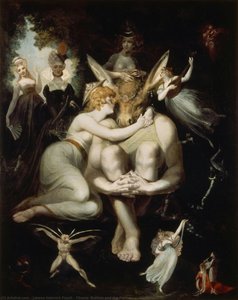
Füssli’s artistic legacy extends through numerous significant paintings, including “Titania, Bottom & Fairies,” a vibrant depiction of Shakespeare's *A Midsummer Night’s Dream*, showcasing his ability to infuse literary scenes with visual drama and symbolic richness. His association with the Royal Academy, where he held positions as Professor of Painting and Keeper, further cemented his influence on subsequent generations of British artists, including William Blake. Füssli’s works are now housed in prestigious museums worldwide, such as the Kunsthaus Zürich (Switzerland), which boasts a comprehensive collection of his paintings, including *La Pesadilla*, and the Albertina in Vienna (Austria), where one can admire his watercolor piece, “Teiresias Foretells the Future to Odysseus.” His exploration of psychological depth and emotional intensity continues to resonate with art lovers today. Recommended Reading:- Titania, Bottom & Fairies by Johann Heinrich Füssli
- Henry Fuseli - Wikipedia
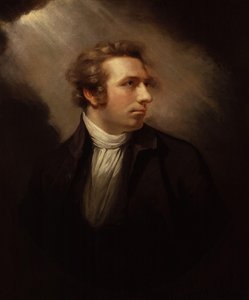
Johann Heinrich Füssli
1741 - 1825 , Suiza
Breves datos
- Artistic Movement Or Style: Romanticismo, Neoclasicismo
- Artists Or Movements Influenced By This Artist: ['William Blake']
- Artists Who Influenced This Artist:
- Titian
- Caravaggio
- Date Of Birth: 7 Feb 1741
- Date Of Death: 16 Abr 1825
- Full Name: Johann Heinrich Füssli
- Nationality: Suizo
- Notable Artworks:
- La Pesadilla
- Titania y Bottom
- Place Of Birth: Zúrich, Suiza

