 Ver en contexto
 Enviar
 Compartir
 Detalles

 Descargar
 Similares
 Radiografía
 Presentación de diapositivas
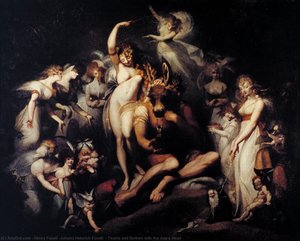
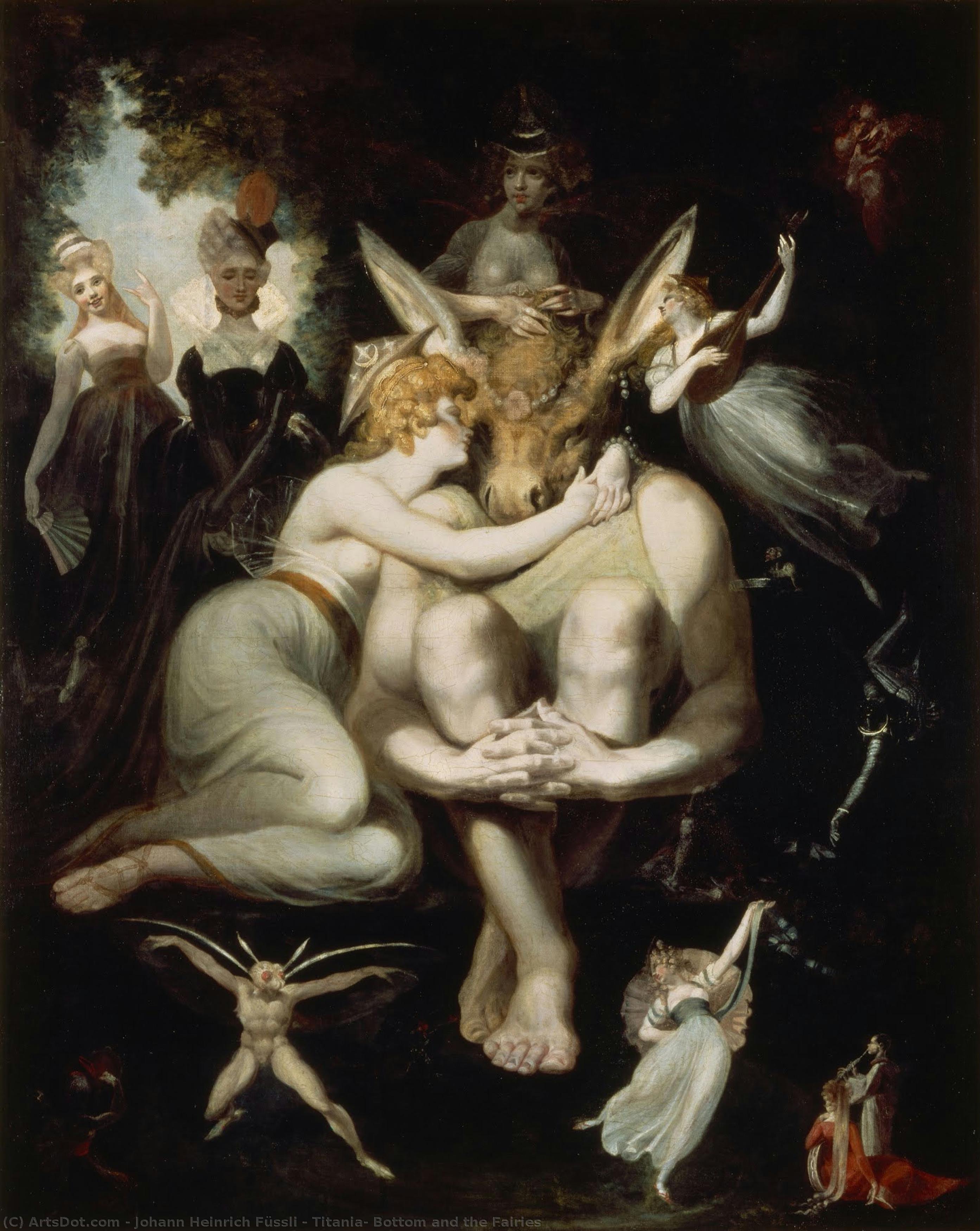
Titania, Bottom and the Fairies
 Oil On Canvas
- WallArt
- Romanticism
 1794
1794- 19th Century
 169.0 x 135.0 cm
 Kunsthaus Zürich
 Ver más
Reproducción al óleo hecha a mano
Óleo sobre lienzo pintado a mano en el tamaño y marco de su elección, realizado por encargo por nuestros artistas. ( Comprar impresión Comprar imagen)




P118B $10

P118H $10

P118W $10

P438Z $10

P508JH $12

P508YH $12

P805H $10

P805Z $10

P919BZ $10

P919G $10

P919XJ $10

P959ZH $10

P968JZ $12

W106C $8

W218G $10

W218JH $8

W218Y $10

W307PJ $10

W316G $10

W316PJ $8

W316Y $10

W398PJ $8

W4111J $10

W500HY $15

W500JH $15

W692G $12

W849H $8

W940BG $15

W953PJ $8




Elija entre nuestros tamaños predefinidos que respetan las proporciones originales de la obra.

Puede ingresar sus propias dimensiones para adaptarse a un marco o espacio específico. Si el tamaño seleccionado no coincide con las proporciones de la imagen original, recortaremos la obra o extenderemos la pintura con elementos adicionales pintados a mano. Se le enviará una maqueta digital para su aprobación antes de comenzar la producción.
Tenga en cuenta que la vista previa en pantalla no refleja el recorte o la extensión reales. Solo la maqueta mostrará con precisión la composición final.
Si bien existen tamaños personalizados, recomendamos seleccionar una dimensión de la lista predefinida para preservar las proporciones originales.
Tras realizar el pedido, el equipo de ArtsDot.com enviará un correo electrónico al cliente para solicitar instrucciones y proporcionarle una vista previa del boceto.
Envío a todo el mundo () en 3-4 semanas en lugar de las 5 semanas estándar. (29 agosto). Sin comprometer la calidad.

Envío exprés gratuito a todo el mundo

Lienzo de lino de alta calidad

Seguro de envío total

Garantía de reembolso de impuestos aduaneros

Garantía de fidelidad cromática exacta

Política de devolución de 60 días (solo por defectos)

Garantía de devolución del 100% del dinero

Descuento por cantidad
 La opción de vidrio solo está disponible en tamaños inferiores a 110 cm.

Titania, Bottom and the Fairies
Técnica de reproducción
Dimensiones de la reproducción
-


Precio total final
$ 263
A Visionary Dreamscape: The Enchanting World of Fuseli
In the grand tapestry of Romantic art, few works capture the feverish intensity of the human imagination quite like Johann Heinrich Füssli’s “Titania, Bottom and the Fairies.” Painted in 1794, this monumental canvas serves as a breathtaking portal into the dreamscape of William Shakespeare’s A Midsummer Night’s Dream. It is not merely a depiction of a theatrical scene, but a profound exploration of the psyche, where the boundaries between reality and illusion dissolve into a mist of magic and desire. As the viewer gazes upon this tableau, they are transported to a realm where the irrational reigns supreme, making it an irresistible centerpiece for any collection dedicated to the sublime and the extraordinary.
The heart of the composition lies in the improbable and intoxicating encounter between Queen Titania, the ethereal ruler of the fairy realm, and Bottom, the weaver transformed by Puck’s mischievous magic into a creature with the head of a donkey. This striking juxtaposition—the divine beauty of the fairy queen contrasted against the grotesque, hybrid form of Bottom—creates a tension that is both unsettling and deeply captivating. Füssli masterfully uses this pairing to symbolize the collision between high fantasy and raw, earthly instinct, mirroring the profound societal anxieties and the yearning for spiritual renewal that characterized the late 18th century.
Mastery of Light and Shadow: The Romantic Technique
Füssli’s technical prowess is on full display through his signature use of dramatic chiaroscuro. By manipulating extreme contrasts between light and shadow, he imbues the scene with a theatrical energy that feels almost alive. The flickering light seems to dance across the frenetic movements of the surrounding fairy court, highlighting the textures of the forest floor and the luminous skin of the supernatural beings. His brushwork, characterized by a certain thick, palpable texture, contributes to a sense of movement and kinetic energy, ensuring that the eye never rests but instead wanders through the lush, chaotic beauty of the enchanted woods.
For the discerning collector or interior designer, this painting offers more than just visual splendor; it provides an emotional anchor. The atmosphere is one of lively, almost manic energy, yet beneath the surface lies a deeper, more contemplative layer of psychological complexity. The presence of Puck and the surrounding sprites adds a sense of whimsical movement, while the subtle inclusion of animal figures near the center of the scene grounds the fantasy in a primal, naturalistic truth. It is a work that demands attention, inviting those who live among art to contemplate the beautiful madness of the creative spirit.
A Timeless Legacy for the Modern Collector
To possess a reproduction of this masterpiece is to invite the spirit of the Romantic rebellion into one's own space. Füssli, heavily influenced by the visionary William Blake and the classical masters he studied in Italy, created a work that transcends its historical era. It remains a potent symbol of the power of the subconscious mind. Whether placed in a grand gallery or used to add a touch of dramatic sophistication to a contemporary study, "Titania, Bottom and the Fairies" serves as a constant reminder of the infinite reaches of human creativity.
This painting is an ideal choice for those seeking to curate an environment filled with narrative depth and historical resonance. It speaks to the soul of the dreamer and the intellect of the scholar alike, making it a timeless investment in beauty and profound storytelling.
Obras relacionadas

Biografía del artista
Early Life and Education
Johann Heinrich Füssli, a Swiss painter, draughtsman, and writer on art, was born on February 7, 1741, in Zurich, Switzerland. He was the second of eighteen children to Johann Caspar Füssli, a portrait painter. Füssli received a classical education at the Collegium Carolinum in Zurich, fostering an early appreciation for artistic principles and historical studies. This rigorous training laid the foundation for his later explorations into both classical and fantastical themes. His upbringing within a family deeply rooted in art provided him with invaluable insights and connections that would shape his career trajectory.Artistic Career and Influences
Füssli’s artistic journey commenced with his relocation to London in 1764, where he encountered Sir Joshua Reynolds, who became a pivotal mentor, encouraging him to dedicate himself entirely to painting. This marked a significant turning point, propelling him away from initial plans for a clerical career. Subsequently, Füssli spent eight years immersed in Italy, a period of intense study and artistic development. He meticulously examined the works of masters such as Titian, Caravaggio, and Mannerists, absorbing their techniques and stylistic approaches. These influences profoundly shaped his own distinctive style, characterized by dramatic lighting, dynamic compositions, and an exploration of emotional intensity.Supernatural Themes and Literary Inspiration
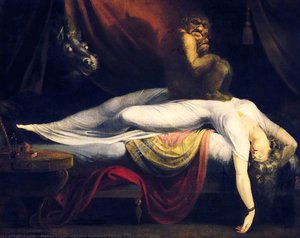
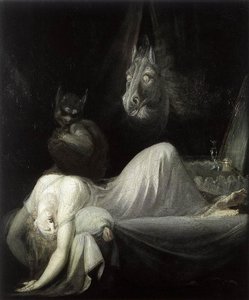
A defining characteristic of Füssli’s oeuvre is his fascination with the supernatural and the dreamlike. His paintings frequently depicted scenes imbued with otherworldly elements, nightmares, and fantastical creatures—a hallmark of the emerging Romantic movement. Notably, he created a series of works inspired by John Milton's epic poems, envisioning a “Milton Gallery” intended to rival Boydell’s Shakespeare Gallery. This ambition reflected his deep engagement with literary narratives and his desire to translate imaginative worlds onto canvas. His most famous work, *La Pesadilla* (The Nightmare), exemplifies this style, capturing the terror and disorientation of a dream state with remarkable intensity.Notable Works, Legacy, and Museums
Füssli’s artistic legacy extends through numerous significant paintings, including “Titania, Bottom & Fairies,” a vibrant depiction of Shakespeare's *A Midsummer Night’s Dream*, showcasing his ability to infuse literary scenes with visual drama and symbolic richness. His association with the Royal Academy, where he held positions as Professor of Painting and Keeper, further cemented his influence on subsequent generations of British artists, including William Blake. Füssli’s works are now housed in prestigious museums worldwide, such as the Kunsthaus Zürich (Switzerland), which boasts a comprehensive collection of his paintings, including *La Pesadilla*, and the Albertina in Vienna (Austria), where one can admire his watercolor piece, “Teiresias Foretells the Future to Odysseus.” His exploration of psychological depth and emotional intensity continues to resonate with art lovers today. Recommended Reading:- Titania, Bottom & Fairies by Johann Heinrich Füssli
- Henry Fuseli - Wikipedia
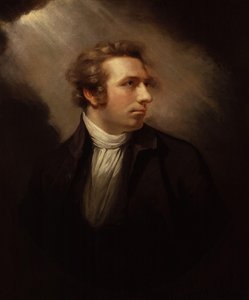
Johann Heinrich Füssli
1741 - 1825 , Suiza
Datos clave
- Artistic Movement Or Style: Romanticismo, Neoclasicismo
- Artists Or Movements Influenced By This Artist: ['William Blake']
- Artists Who Influenced This Artist:
- Titian
- Caravaggio
- Date Of Birth: 7 Feb 1741
- Date Of Death: 16 Abr 1825
- Full Name: Johann Heinrich Füssli
- Nationality: Suizo
- Notable Artworks:
- La Pesadilla
- Titania y Bottom
- Place Of Birth: Zúrich, Suiza
Artículos relacionados
Henri Matisse: Las 25 Obras Maestras que Definieron un Genio del Color | ArtsDot
Descubre las 25 obras maestras de Henri Matisse, el rey del color y padre del fauvismo. Explora su arte moderno, lienzos vibrantes y la historia detrás de cada pintura icónica. Encuentra reproducciones de alta calidad en ArtsDot.com.
Romantic Realism's Finest: 10 Masterpieces for Your Home | ArtsDot
Explore 10 defining masterpieces of Romantic Realism! Discover Courbet, Millet & Daumier's powerful paintings—capturing emotion and social realities. Find museum-quality reproductions for your home at ArtsDot.com.
Fauvismo Expresionista: 10 Obras Maestras que Transformaron el Arte | ArtsDot
Descubre las 10 obras maestras del fauvismo que revolucionaron el arte. Explora la pasión, el color y la expresión de Matisse, Derain y más. Reproducciones de alta calidad en ArtsDot.com.

Henry Farny: Romantic Visions of the American West & Indigenous Life
Explore the evocative paintings of Henry Farny, renowned for his romantic realism & depictions of Native American life in the 19th-century West. Discover his legacy and key artworks at ArtsDot.

Paisajes Románticos: 10 Obras Maestras que Definieron un Movimiento Artístico
Descubre los 10 paisajes románticos más influyentes de artistas como Caspar David Friedrich y Turner. Explora la belleza, el simbolismo y las técnicas del movimiento romántico. Reproducciones de arte exclusivas en ArtsDot.com.