

 Ver en contexto
 Enviar
 Compartir
 Detalles

 Descargar
 Similares
 Radiografía
 Presentación de diapositivas
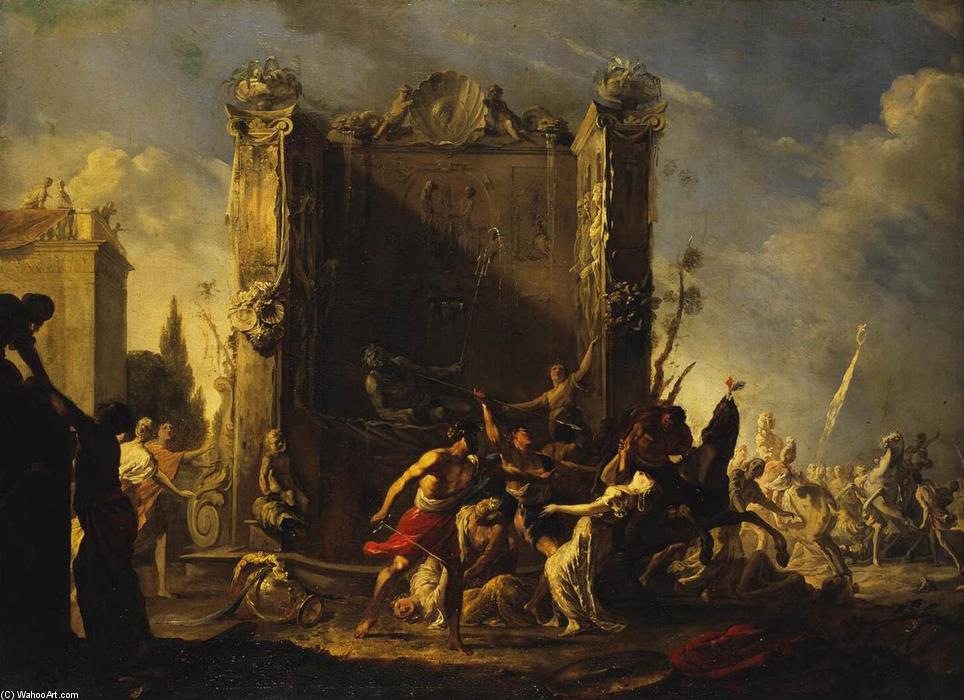
Rape of the Sabine Women
 Oil On Canvas
- WallArt
- Baroque
 1630
1630- Early Modern
 99.0 x 134.0 cm
 Museo del Hermitage
 Ver más
Giclée / Impresión de arte
Impresiones giclée o en lienzo de calidad de museo con producción rápida y opciones de acabado flexibles. ( Comprar pintura hecha a mano Comprar imagen)




P118B $10

P118H $10

P118W $10

P438Z $10

P508JH $12

P508YH $12

P805H $10

P805Z $10

P919BZ $10

P919G $10

P919XJ $10

P959ZH $10

P968JZ $12

W106C $8

W218G $10

W218JH $8

W218Y $10

W307PJ $10

W316G $10

W316PJ $8

W316Y $10

W398PJ $8

W4111J $10

W500HY $15

W500JH $15

W692G $12

W849H $8

W940BG $15

W953PJ $8




Elija entre nuestros tamaños predefinidos que respetan las proporciones originales de la obra.

Puede introducir sus propias dimensiones para adaptarse a un marco o espacio específico. Si el tamaño seleccionado no coincide con las proporciones de la imagen original, recortaremos la obra de arte o extenderemos la imagen con un borde con efecto espejo o de color sólido. Se enviará una maqueta digital para su aprobación antes de que comience la producción.
Tenga en cuenta que la vista previa en pantalla no refleja el recorte o la extensión real. Solo la maqueta mostrará con precisión la composición final.
Aunque existen tamaños personalizados, recomendamos seleccionar una dimensión de la lista predefinida para preservar las proporciones originales.
Envío a todo el mundo () en 2 semanas en lugar de las 4/5 semanas estándar. (28 agosto)

Envío exprés gratuito a todo el mundo

Lienzo de lino de alta calidad

Seguro de envío total

Garantía de reembolso de impuestos aduaneros

Garantía de fidelidad cromática exacta

Política de devolución de 60 días (solo por defectos)

Garantía de devolución del 100% del dinero

Descuento por cantidad
 La opción de vidrio solo está disponible en tamaños inferiores a 110 cm.

Rape of the Sabine Women
Giclée / Impresión de arte
Dimensiones de la reproducción
-


Precio total final
$ 62
A Dramatic Encounter with Roman Legend
In the heart of the Baroque era, few works capture the raw, theatrical tension of classical mythology as vividly as Johann Heinrich Schönfeld’s "Rape of the Sabine Women." Completed in 1630, this monumental oil on canvas serves as a breathtaking window into the foundational myths of Rome. The scene is one of profound upheaval and kinetic energy, depicting the legendary moment when Roman men abducted the women of the neighboring Sabine tribe to ensure the survival and growth of their burgeoning city. As you gaze upon the canvas, you are not merely an observer but a witness to a struggle defined by resistance, urgency, and the collision of two different worlds.
Schönfeld masterfully orchestrates a composition that guides the eye through a whirlwind of movement. The central focus remains fixed on the harrowing interaction between the Roman men and the Sabine women; the figures are caught in a state of desperate motion, their limbs entwined in a dance of conflict. The women’s expressions—etched with fear, defiance, and anguish—provide a poignant emotional anchor to the piece, while the determined, almost forceful postures of the men drive the narrative forward. This interplay of vulnerability and strength creates a psychological depth that transcends the historical subject matter, making it an irresistible centerpiece for any collection focused on dramatic storytelling.
The Mastery of Light and Baroque Grandeur
To understand the impact of this masterpiece, one must look to Schönfeld’s sophisticated use of chiaroscuro. Heavily influenced by the dramatic lighting of Caravaggio and the sweeping dynamism of Rubens, the artist employs sharp contrasts between deep, velvety shadows and brilliant, luminous highlights. This technique does more than just create three-dimensionality; it heightens the emotional stakes of the abduction. Light falls upon the textures of classical drapery and the pale skin of the figures, pulling them out from the darkness of the background and imbuing the scene with a palpable sense of life and breath.
The architectural setting further elevates the drama. A vast, temple-like structure looms in the background, its imposing presence symbolizing the spiritual authority and the burgeoning civilization of Rome. Above this heavy stone architecture, a turbulent, cloud-filled sky mirrors the chaos unfolding on the ground. The use of color is equally deliberate; Schönfeld’s skill in blending pigments—notably the rich, deep ultramarine blues—lends a regal quality to the Roman elements, contrasting beautifully with the warmer, more earthy tones of the struggle below. For the discerning interior designer, this painting offers a sophisticated palette of deep blues, golds, and shadows that can anchor a room with an air of historical prestige and classical elegance.
A Timeless Symbol of Power and Reconciliation
Beyond its visual splendor, "The Rape of the Sabine Women" carries profound symbolic weight. While the title suggests a singular act of violence, the historical subtext of the myth points toward the eventual reconciliation and the formation of a unified society through the merging of two peoples. It is a study in the tension between tradition and innovation, and the often-turbulent processes required to establish stability within a state. This layer of intellectual complexity makes the work particularly appealing to collectors who value art that invites deep contemplation and conversation.
Whether displayed in a grand gallery or as a focal point in a curated living space, a high-quality reproduction of this Schönfeld masterpiece brings with it the weight of history and the brilliance of the German Baroque. It is an investment in atmosphere—a way to infuse a modern environment with the timeless drama, movement, and emotional intensity of one of the most significant eras in art history.
Obras relacionadas
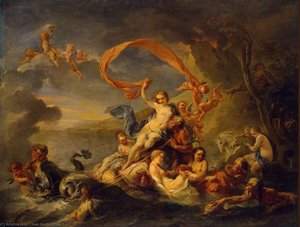
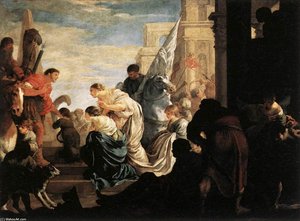

Biografía del artista
Las pinceladas florecientes de Johann Heinrich Schönfeld
Contemplar las obras de Johann Heinrich Schönfeld es adentrarse directamente en el corazón vibrante y dramático del periodo Barroco alemán. Nacido en Biberach (Riss), Alemania, en 1609, este pintor emergió durante una era en la que el arte estaba profundamente entrelazado con el fervor religioso y un floreciente renacimiento clásico. Su carrera abarcó una época de inmensa transformación cultural, lo que le permitió absorber influencias de todo el continente mientras forjaba una voz distintivamente alemana dentro de la gran tradición de la pintura europea.
La trayectoria artística de Schönfeld sugiere una profunda dedicación al dominio tanto de la grandeza narrativa como de la ejecución delicada. Si bien su vida lo mantuvo activo hasta mediados del siglo XVII, es su cuerpo de obra superviviente el que continúa susurrando relatos de encuentros mitológicos y solemne devoción religiosa. No era un mero cronista de escenas; parecía decidido a capturar el momento mismo de la epifanía divina o humana.
El dominio del drama barroco y la forma clásica
La marca distintiva del estilo de Schönfeld reside en su magistral mezcla de tensión dramática, característica del Alto Barroco, templada por una adherencia a las estructuras compositivas clásicas. Sus composiciones rara vez se sienten estáticas; por el contrario, pulsan con un movimiento implícito. Ya sea representando un evento celestial o una reunión pastoral, se percibe una energía contenida justo bajo la superficie.
Su afinidad por los paisajes italianizantes es particularmente notable. Estos fondos nunca son simples telones de fondo; son participantes activos en el drama que se desarrolla ante ellos. Cielos exuberantes y dramáticos a menudo reflejan la agitación emocional o la paz sublime de las figuras situadas debajo. Esta integración del entorno y el tema eleva sus piezas más allá del simple retrato o la ilustración narrativa.
Además, su manejo de la luz es asombroso. Empleó una técnica que parece iluminar momentos clave —un rayo divino atravesando nubes de tormenta, o un único haz de luz solar capturando los pliegues de un ropaje—, atrayendo la mirada del espectador inexorablemente hacia el punto central de enfoque teológico o mitológico.
Temas de piedad y mitología
El alcance temático de la obra de Schönfeld revela a un pintor profundamente comprometido con las grandes narrativas que dieron forma al pensamiento europeo. Las pinturas religiosas constituyen un pilar significativo de su producción, reflejando el poder perdurable de la fe durante su tiempo. Estas obras invitan a la contemplación del sacrificio, el martirio y la gracia divina.
Igualmente cautivadoras son sus escenas mitológicas. Aquí, los dioses y héroes clásicos participan en dramas que hacen eco de las pasiones humanas: el amor, la traición, el triunfo y el destino. Poseía una capacidad extraordinaria para imbuir estos temas paganos con un sentido de profundo peso espiritual, logrando que resonaran con las sensibilidades cristianas de su época.
La pintura alegórica fue un vehículo predilecto para su comentario más profundo. A través de la cuidadosa disposición de figuras y símbolos —una flor marchita que representa la transitoriedad, o una mano extendida que simboliza la intervención divina—, tejía complejos argumentos filosóficos en narrativas visualmente accesibles para sus mecenas.
Resonancia histórica y legado
Johann Heinrich Schönfeld se erige como una figura vital para comprender la transición entre los ecos del Manierismo y el pleno florecimiento del naturalismo barroco en el arte alemán. Su compromiso con la claridad narrativa, combinado con un innegable talento para lo dramático, aseguró su lugar entre los pintores que ayudaron a definir el lenguaje visual del siglo XVII.
Si bien el gran volumen de su obra da fe de una carrera prolífica, es la calidad constante —la capacidad de equilibrar la virtuosismo técnico con la profundidad emocional— lo que perdura. Su legado nos invita no solo a admirar la destreza, sino a participar en la contemplación de la creencia, la belleza y el poder sublime inherente tanto a la naturaleza como a lo divino.
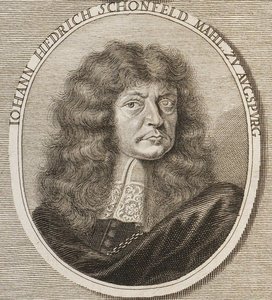
Johann Heinrich Schönfeld
1609 - 1684 , Alemania
Datos clave
- Artistic Movement Or Style: Barroco
- Artists Or Movements Influenced By This Artist:
- Carracci
- Arte barroco
- Artists Who Influenced This Artist:
- Rubens
- Van Dyck
- Strozzi
- Date Of Birth: 1609
- Date Of Death: 1664
- Full Name: Giovanni Benedetto Castiglione
- Nationality: Italiano
- Notable Artworks:
- El Arca de Noé
- Escenas del Antiguo Testamento
- Place Of Birth: Génova, Italia
Artículos relacionados
Nicolas Poussin: Classicism, Allegory & Order in 17th-Century French Painting
Explore the life & work of Nicolas Poussin, a master of French Classicism. Discover his allegorical paintings, Roman influences, and enduring impact on art history. Expert analysis & insights.
Echoes of Olympus: Mythological Narratives in Western Art Through the Ages
Explore the captivating history of mythological narratives in Western art! From ancient Greece to modern masterpieces, discover iconic artworks & symbolism. Expert analysis and high-quality reproductions at ArtsDot.

Drama Barroca: Llevando la Grandeza y la Emoción a los Interiores Contemporáneos
Descubre cómo el drama y la grandeza del arte barroco pueden transformar tus interiores. Guía experta, inspiración y reproducciones de alta calidad en .

The Dramatic Flourish: Exploring the Baroque Movement's Enduring Legacy in Art History
Explore the dramatic world of Baroque art! Discover iconic artists like Caravaggio & Rubens, defining techniques, and its lasting impact on art history. Expert insights for collectors & enthusiasts at ArtsDot.
Barroco en su Esplendor: 10 Obras Maestras que Definieron una Época | ArtsDot
Descubre las 10 obras maestras del Barroco que revolucionaron el arte. Caravaggio, Rembrandt y Velázquez te esperan en ArtsDot. Reproducciones de alta calidad para decorar tu hogar con la grandeza de este estilo. ¡Explora la colección online!

