 Ver en contexto
 Enviar
 Compartir
 Detalles

 Descargar
 Similares
 Radiografía
 Presentación de diapositivas
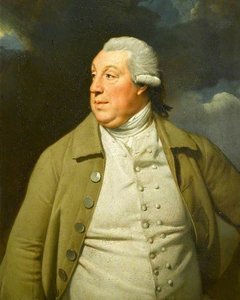
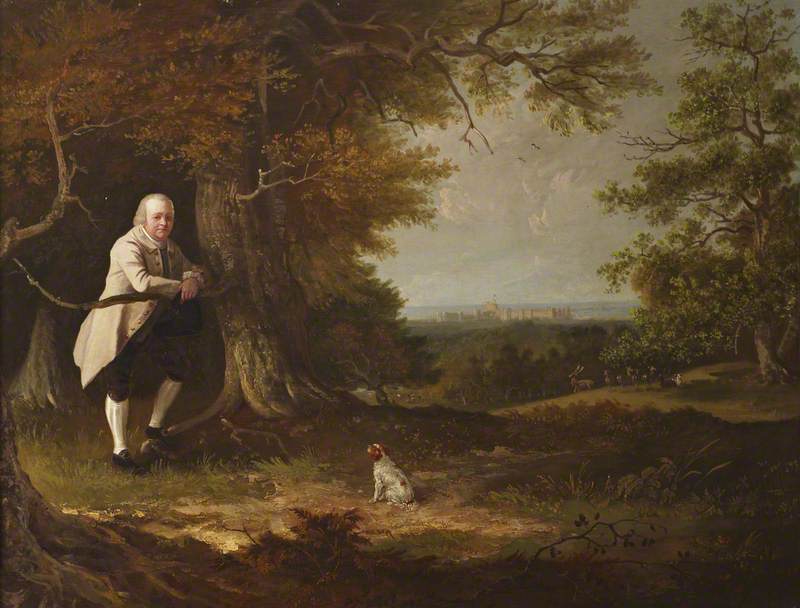
John Carbonell (1760–1837), in the Grounds of His House at Windsor
 Oil On Canvas
- WallArt
- Neoclassicism
 19th Century
 63.0 x 82.0 cm
 National Trust
 Ver más
Giclée / Impresión de arte
Impresiones giclée o en lienzo de calidad de museo con producción rápida y opciones de acabado flexibles. ( Comprar pintura hecha a mano Comprar imagen)




P118B $10

P118H $10

P118W $10

P438Z $10

P508JH $12

P508YH $12

P805H $10

P805Z $10

P919BZ $10

P919G $10

P919XJ $10

P959ZH $10

P968JZ $12

W106C $8

W218G $10

W218JH $8

W218Y $10

W307PJ $10

W316G $10

W316PJ $8

W316Y $10

W398PJ $8

W4111J $10

W500HY $15

W500JH $15

W692G $12

W849H $8

W940BG $15

W953PJ $8




Elija entre nuestros tamaños predefinidos que respetan las proporciones originales de la obra.

Puede introducir sus propias dimensiones para adaptarse a un marco o espacio específico. Si el tamaño seleccionado no coincide con las proporciones de la imagen original, recortaremos la obra de arte o extenderemos la imagen con un borde con efecto espejo o de color sólido. Se enviará una maqueta digital para su aprobación antes de que comience la producción.
Tenga en cuenta que la vista previa en pantalla no refleja el recorte o la extensión real. Solo la maqueta mostrará con precisión la composición final.
Aunque existen tamaños personalizados, recomendamos seleccionar una dimensión de la lista predefinida para preservar las proporciones originales.
Envío a todo el mundo () en 2 semanas en lugar de las 4/5 semanas estándar. (4 septiembre)

Envío exprés gratuito a todo el mundo

Lienzo de lino de alta calidad

Seguro de envío total

Garantía de reembolso de impuestos aduaneros

Garantía de fidelidad cromática exacta

Política de devolución de 60 días (solo por defectos)

Garantía de devolución del 100% del dinero

Descuento por cantidad
 La opción de vidrio solo está disponible en tamaños inferiores a 110 cm.

John Carbonell (1760–1837), in the Grounds of His House at Windsor
Giclée / Impresión de arte
Dimensiones de la reproducción
-


Precio total final
$ 62
A Tableau of Tranquility: The World of John Carbonell
In the soft, diffused light of a Georgian afternoon, Johann Zoffany captures more than just a likeness; he invites us into a meticulously crafted tableau vivant. His masterpiece, John Carbonell (1760–1837), in the Grounds of His House at Windsor, serves as a breathtaking window into the aristocratic leisure of early 19th-century England. The painting presents John Carbonell, a man of significant standing and a prominent wine merchant to King George III, standing with a serene composure amidst the lush, manicured landscapes of Virginia Water. Beside him, his loyal dog rests, adding a layer of intimate companionship to the scene. This is not merely a portrait of a man, but a celebration of a lifestyle defined by harmony, status, and an idealized connection to the natural world.
The setting itself carries profound historical weight. Virginia Water, the landscaped lake featured in the background, was a triumph of Enlightenment-era landscape design, commissioned by the Duke of Cumberland to serve as a retreat from the urban pressures of the age. Through Zoffany’s brush, we see the embodiment of these ideals—a landscape where human intervention and wild nature exist in perfect, poetic balance. For the modern collector or interior designer, this piece offers an unparalleled sense of pastoral elegance, making it a sophisticated focal point for any space seeking to evoke peace and timelessness.
Neoclassical Mastery and the Art of Detail
Zoffany’s technical prowess is on full display through his command of the Neoclassical style. He masterfully employs sfumato, a technique of softening edges and blurring contours to create an atmosphere of dreamlike depth and atmospheric light. This subtle manipulation of shadow allows the viewer to feel the humidity of the woods and the gentle warmth of the sun filtering through the canopy. Every element within the composition is rendered with exceptional draughtsmanship; one can almost feel the rough texture of the tree bark, the softness of the dog’s fur, and the crispness of Carbonell’s white shirt against his dark attire.
The artist’s ability to weave subtle details into the broader landscape adds a layer of narrative richness that rewards prolonged observation. Scattered throughout the verdant scene are sheep, grazing quietly in the distance, while a solitary bird perches upon a branch, acting as a silent witness to this moment of repose. These elements are not merely decorative; they reinforce the theme of a thriving, peaceful ecosystem under the stewardship of the landed class. The interplay between the foregrounded subject and the receding landscape creates a sense of immense scale, pulling the viewer into the very heart of the Windsor grounds.
An Emotional Resonance for the Discerning Collector
Beyond its historical and technical merits, this painting possesses a profound emotional impact. It radiates a sense of stillness and permanence in an ever-changing world. There is a quiet dignity in Carbonell’s posture that speaks to the stability of his era, yet there is also a poignant beauty in the fleeting nature of the light and the momentary peace of the animals around him. This duality makes the artwork deeply evocative, capable of transforming a room into a sanctuary of reflection.
For those looking to adorn their homes or curated collections with high-quality reproductions, this work offers much more than visual decoration. It provides an opportunity to possess a fragment of history—a piece of the Georgian soul. Whether placed in a grand library, a formal dining room, or a contemporary living space, Zoffany’s vision of John Carbonell brings with it an aura of prestige, a connection to the classical tradition, and an enduring sense of grace that transcends the centuries.
Obras relacionadas
Biografía del artista
Johann Zoffany: Vida y Legado
Primeros Años y Formación
Johann Zoffany, nacido Johannes Josephus Zaufallij en 1733 en Freiburg, Alemania, fue un pintor que alcanzó renombre principalmente en Inglaterra e Italia. Los detalles de su infancia temprana son escasos, pero se sabe que recibió formación artística desde una edad temprana. Inicialmente, estuvo aprendiz con un escultor, posiblemente Melchior Paulus en Ellwangen, antes de estudiar con Martin Speer en Regensburg. Este período fundamental sentó las bases para su futura carrera.
Viaje a Italia y Inglaterra
En 1750, Zoffany viajó a Roma, entrando al estudio de Agostino Masucci donde perfeccionó sus habilidades dentro de la tradición artística italiana. Posteriormente, se mudó a Inglaterra en 1760, apoyándose inicialmente en la creación de diseños decorativos para relojes fabricados por Stephen Rimbault. Este período marcó un punto de inflexión ya que comenzó a establecer conexiones y ganar reconocimiento en el ambiente artístico de Londres.
Patrocinio Real y Desarrollo Artístico
Zoffany rápidamente atrajo la atención del Rey Jorge III y la Reina Carlota, convirtiéndose en un retratista favorito de la familia real. Su habilidad para capturar momentos informales – como La Reina Carlota y sus dos hijos mayores (1765) – lo distinguió de los pintores de corte más formales. También era popular con la familia imperial austríaca y recibió el título de barón del Sacro Imperio Romano Germánico en 1776 por la Emperatriz María Teresa.
El Maestro de las ‘Conversaciones’
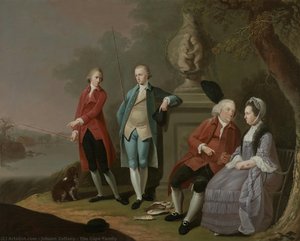
Zoffany se hizo famoso por sus “conversaciones”, o *conversazioni* – retratos informales de grupos que representan reuniones sociales. Destacó en la captura de las personalidades e interacciones dentro de estos escenarios, a menudo presentando figuras destacadas de la sociedad, el teatro y la literatura. Sus obras como La Familia Cope (1775) ejemplifican este estilo, ofreciendo vislumbres de la vida de sus mecenas.
Logros Importantes y Obras Notables
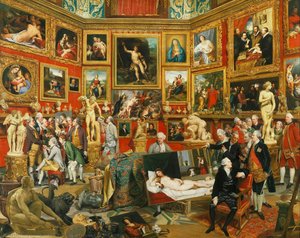
- Tribuna de la Uffizi (1772-1778): Tal vez su obra más famosa, una representación meticulosamente detallada de la Galería Uffizi en Florencia.
- Dr William Hunter Enseñando Anatomía en la Academia Real (1779): Una fascinante representación de la educación médica e investigación científica.
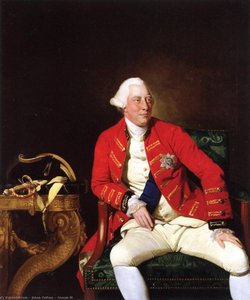
- Jorge III (1771): Un retrato regio que muestra el poder y la elegancia del Rey.
- El Partido de Pollos del Coronel Mordaunt (1784-1786): Una representación vibrante de la vida colonial en la India, capturando un evento cultural único.
Años en la India y Vida Tardía
Desde 1783 hasta 1789, Zoffany residió en la India, donde pintó retratos de figuras prominentes como Warren Hastings y Asaf-ud-Daula. Sus experiencias allí influyeron en su estilo artístico y tema. Una historia notable de este período involucra un naufragio frente a las islas Andamanitas, donde los supervivientes recurrieron a medidas extremas para sobrevivir.
Influencias y Legado
La obra de Zoffany refleja influencias tanto de la precisión alemana como del arte italiano. Se vio influenciado por artistas como Agostino Masucci y se inspiró en la tradición barroca. Su estilo, a su vez, influyó a los contemporáneos y a los artistas posteriores interesados en el retrato y el comentario social. Puenteó tradiciones artísticas e hizo un impacto duradero en el arte del siglo XVIII.
Significado Histórico
Las pinturas de Johann Zoffany proporcionan valiosas perspectivas sobre las costumbres sociales, la vida intelectual y los valores culturales de su tiempo. Sus “conversaciones” ofrecen retratos íntimos de individuos destacados y su mundo, mientras que sus representaciones de la India contribuyen a nuestra comprensión de la historia colonial. Sigue siendo una figura significativa en la historia del arte, celebrado por su habilidad técnica, observaciones perspicaces y visión artística única.
johann zoffany
1733 - 1810 , Alemania
Datos clave
- Artistic Movement Or Style: Neoclassicismo
- Artists Who Influenced This Artist:
- Agostino Masucci
- Martin Speer
- Date Of Birth: 1733
- Full Name: Johann Zoffany
- Nationality: Alemania
- Notable Artworks:
- Tribuna de la Uffizi
- Dr William Hunter Enseñando Anatomía en la Academia Real
- Jorge III
- El Partido de Pollos del Coronel Mordaunt
- Place Of Birth: Frankfurt, Alemania
Artículos relacionados
Johann Zoffany: Capturing Georgian Society with Brushstrokes of Cosmopolitan Flair
Explore the captivating world of Johann Zoffany, master portraitist of Georgian society. Discover his unique 'conversation pieces,' imperial commissions & lasting legacy. A guide for discerning collectors.

Gordon Parks: A Poetic Lens on American Life – Photography, Social Justice & Storytelling
Explore the profound work of Gordon Parks, a groundbreaking photographer who documented American life with unparalleled empathy and artistry. Discover his iconic images & lasting impact on social justice through Life magazine & beyond.
Thomas Sandby: Pioneering Watercolourist & Topographer of Georgian England
Explore the life & art of Thomas Sandby (1721-1798), a pioneering English watercolourist and architect. Discover his innovations, role in founding the Royal Academy, and lasting legacy at ArtsDot.

Katsushika Hokusai: Las 25 Obras Maestras del Ukiyo-e que Transformaron el Arte Japonés | ArtsDot
Descubre las 25 obras maestras de Katsushika Hokusai, el genio del ukiyo-e. Explora 'La Gran Ola', paisajes japoneses y su impacto en el arte moderno. Reproducciones de alta calidad para tu hogar en ArtsDot.com.

Los 10 Maestros del Siglo de Oro Holandés: Arte, Historia y Decoración Exclusiva
Descubre los 10 imprescindibles del Siglo de Oro Holandés: Rembrandt, Vermeer y más. Explora la historia, técnica y belleza de estos lienzos clásicos. Encuentra reproducciones de arte exclusivas para decorar tu hogar en .