 Ver en contexto
 Enviar
 Compartir
 Detalles

 Descargar
 Similares
 Radiografía
 Presentación de diapositivas
 Estadísticas
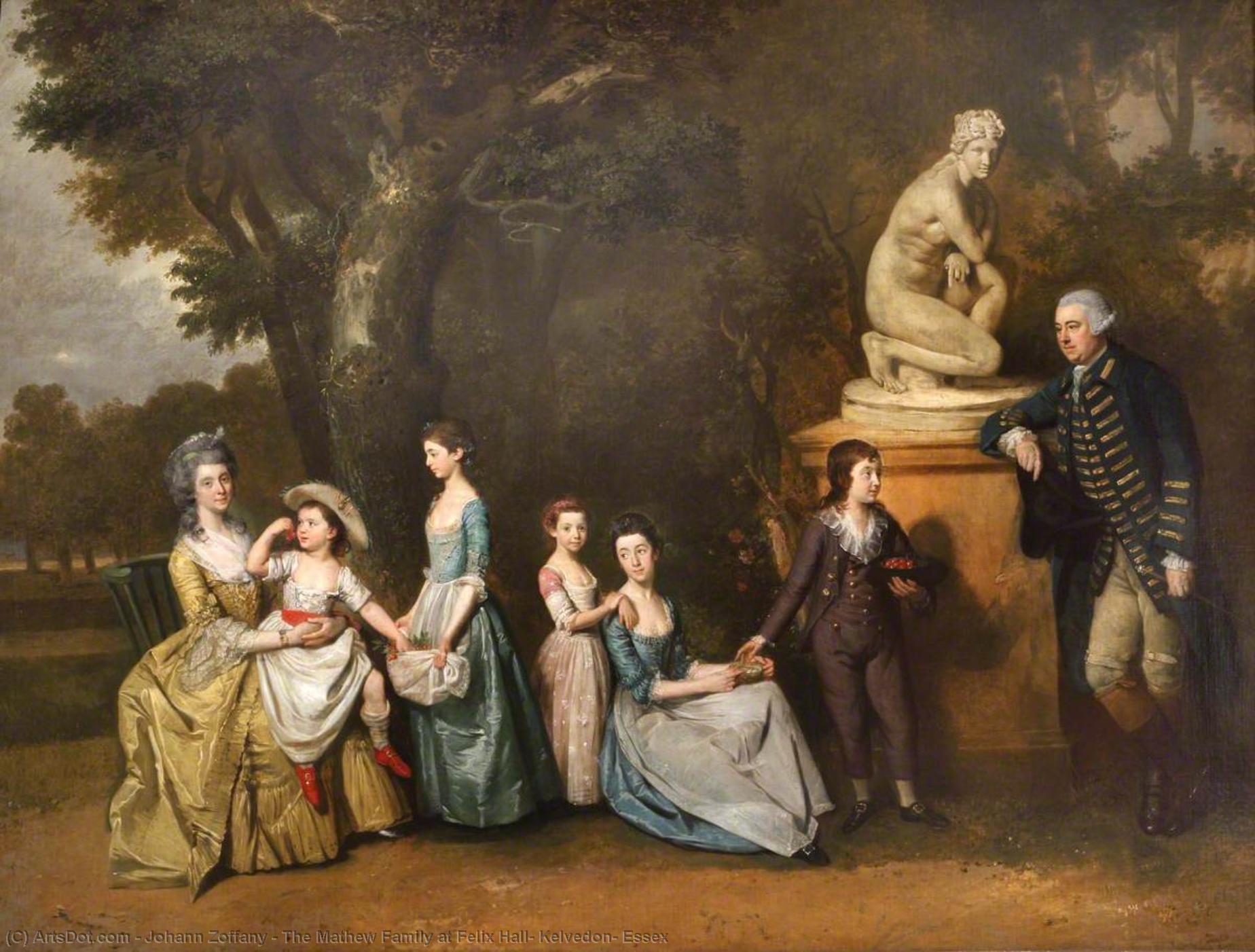
The Mathew Family at Felix Hall, Kelvedon, Essex
 Oil On Canvas
- WallArt
- Rococo
 1764
1764 118.0 x 156.0 cm
 National Trust
 Ver más
Reproducción al óleo hecha a mano
Óleo sobre lienzo pintado a mano en el tamaño y marco de su elección, realizado por encargo por nuestros artistas. ( Cambiar a Impresión Cambiar a imagen digital)




P118B $10

P118H $10

P118W $10

P438Z $10

P508JH $12

P508YH $12

P805H $10

P805Z $10

P919BZ $10

P919G $10

P919XJ $10

P959ZH $10

P968JZ $12

W106C $8

W218G $10

W218JH $8

W218Y $10

W307PJ $10

W316G $10

W316PJ $8

W316Y $10

W398PJ $8

W4111J $10

W500HY $15

W500JH $15

W692G $12

W849H $8

W940BG $15

W953PJ $8




Elija entre nuestros tamaños predefinidos que respetan las proporciones originales de la obra.

Puede ingresar sus propias dimensiones para adaptarse a un marco o espacio específico. Si el tamaño seleccionado no coincide con las proporciones de la imagen original, recortaremos la obra o extenderemos la pintura con elementos adicionales pintados a mano. Se le enviará una maqueta digital para su aprobación antes de comenzar la producción.
Tenga en cuenta que la vista previa en pantalla no refleja el recorte o la extensión reales. Solo la maqueta mostrará con precisión la composición final.
Si bien existen tamaños personalizados, recomendamos seleccionar una dimensión de la lista predefinida para preservar las proporciones originales.
Tras realizar el pedido, el equipo de ArtsDot.com enviará un correo electrónico al cliente para solicitar instrucciones y proporcionarle una vista previa del boceto.
Envío a todo el mundo () en 3-4 semanas en lugar de las 5 semanas estándar. (9 septiembre). Sin comprometer la calidad.

Envío exprés gratuito a todo el mundo

Lienzo de lino de alta calidad

Seguro de envío total

Garantía de reembolso de impuestos aduaneros

Garantía de fidelidad cromática exacta

Política de devolución de 100 días (solo por defectos)

Garantía de devolución del 100% del dinero

Descuento por cantidad
 La opción de vidrio solo está disponible en tamaños inferiores a 110 cm.

The Mathew Family at Felix Hall, Kelvedon, Essex
Técnica de reproducción
Dimensiones de la reproducción
-


Precio total final
$ 438
A Window into 18th-Century English Society: Zoffany’s ‘The Mathew Family’
Johann Zoffany's “The Mathew Family at Felix Hall, Kelvedon, Essex” is more than just a portrait; it’s a meticulously crafted tableau vivant – a snapshot of a wealthy family immersed in the refined pleasures and social complexities of 18th-century England. Painted in 1764, this remarkable work offers a rare glimpse into the lives of the Mathew clan, set within the opulent surroundings of Felix Hall, a grand estate near Kelvedon in Essex. Zoffany’s genius lies not merely in his technical skill but in his ability to capture an entire social scene, layering observation with theatricality and creating a moment suspended in time.
The painting depicts the Mathew family – Daniel, his wife, and their children – seated within a richly decorated interior. They are surrounded by a collection of intriguing objects: a violoncello, a globe, a taxidermied animal head, and a statue of a male figure, all carefully positioned to suggest intellectual curiosity and social standing. The composition is deliberately asymmetrical, drawing the eye through the group and emphasizing their interconnectedness. Notice how each family member interacts with the surrounding elements – Daniel plays the cello, his son examines the globe, and his wife observes the statue, creating a sense of quiet engagement and shared experience.
Rococo Elegance and Neoclassical Influence
Zoffany’s style is a masterful blend of Rococo and early Neoclassical influences. The vibrant colors, delicate brushstrokes, and intricate detailing characteristic of the Rococo period are evident in the luxurious fabrics, elaborate hairstyles, and the overall sense of playful elegance. However, there's also a grounding in the principles of Neoclassicism – a restrained formality, an emphasis on classical motifs (like the statue), and a desire to create a harmonious and balanced composition. This fusion reflects the artistic trends of the time, where artists sought to combine the exuberance of the past with the ideals of reason and order.
The lighting is particularly noteworthy, creating a soft, diffused glow that illuminates the figures’ faces and clothing while subtly suggesting depth within the room. The artist skillfully uses chiaroscuro – the contrast between light and shadow – to create a sense of drama and highlight key elements of the scene. The muted earth tones—browns, greens, creams—are punctuated by splashes of red, blue, and gold, adding richness and visual interest without overwhelming the overall composition.
Symbolism and Social Commentary
Beyond its aesthetic beauty, “The Mathew Family” is rich in symbolism. The violoncello, a symbol of musical refinement, suggests the family’s cultural sophistication. The globe represents their worldly connections and aspirations. The statue, likely referencing classical mythology, hints at an appreciation for intellectual pursuits and artistic legacy. Furthermore, the painting subtly comments on the social conventions of the era – the importance of family unity, the display of wealth, and the pursuit of knowledge and leisure.
Felix Hall itself played a significant role in the narrative. It was owned by Daniel Mathew, a plantation owner who had made his fortune in Jamaica. The estate’s lavish interiors reflected his status and provided a backdrop for this carefully staged portrait. The inclusion of the statue within the room is particularly interesting; it suggests a connection to classical ideals and reinforces the family's claim to noble lineage.
A Timeless Masterpiece: Reproduction and Legacy
“The Mathew Family at Felix Hall, Kelvedon, Essex” remains a captivating work of art, offering a window into the lives and aspirations of England’s elite in the 18th century. Reproductions by ArtsDot.com allow us to appreciate Zoffany's artistry and immerse ourselves in this remarkable scene. Whether displayed as a statement piece in a grand salon or as a thoughtful addition to a more intimate setting, this painting continues to resonate with viewers today, reminding us of the enduring power of art to capture beauty, evoke emotion, and illuminate the complexities of human experience.
Obras relacionadas

Biografía del artista
Johann Zoffany: Vida y Legado
Primeros Años y Formación
Johann Zoffany, nacido Johannes Josephus Zaufallij en 1733 en Freiburg, Alemania, fue un pintor que alcanzó renombre principalmente en Inglaterra e Italia. Los detalles de su infancia temprana son escasos, pero se sabe que recibió formación artística desde una edad temprana. Inicialmente, estuvo aprendiz con un escultor, posiblemente Melchior Paulus en Ellwangen, antes de estudiar con Martin Speer en Regensburg. Este período fundamental sentó las bases para su futura carrera.
Viaje a Italia y Inglaterra
En 1750, Zoffany viajó a Roma, entrando al estudio de Agostino Masucci donde perfeccionó sus habilidades dentro de la tradición artística italiana. Posteriormente, se mudó a Inglaterra en 1760, apoyándose inicialmente en la creación de diseños decorativos para relojes fabricados por Stephen Rimbault. Este período marcó un punto de inflexión ya que comenzó a establecer conexiones y ganar reconocimiento en el ambiente artístico de Londres.
Patrocinio Real y Desarrollo Artístico
Zoffany rápidamente atrajo la atención del Rey Jorge III y la Reina Carlota, convirtiéndose en un retratista favorito de la familia real. Su habilidad para capturar momentos informales – como La Reina Carlota y sus dos hijos mayores (1765) – lo distinguió de los pintores de corte más formales. También era popular con la familia imperial austríaca y recibió el título de barón del Sacro Imperio Romano Germánico en 1776 por la Emperatriz María Teresa.
El Maestro de las ‘Conversaciones’
Zoffany se hizo famoso por sus “conversaciones”, o *conversazioni* – retratos informales de grupos que representan reuniones sociales. Destacó en la captura de las personalidades e interacciones dentro de estos escenarios, a menudo presentando figuras destacadas de la sociedad, el teatro y la literatura. Sus obras como La Familia Cope (1775) ejemplifican este estilo, ofreciendo vislumbres de la vida de sus mecenas.
Logros Importantes y Obras Notables
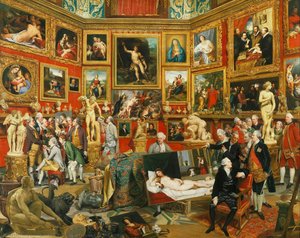
- Tribuna de la Uffizi (1772-1778): Tal vez su obra más famosa, una representación meticulosamente detallada de la Galería Uffizi en Florencia.
- Dr William Hunter Enseñando Anatomía en la Academia Real (1779): Una fascinante representación de la educación médica e investigación científica.
- Jorge III (1771): Un retrato regio que muestra el poder y la elegancia del Rey.
- El Partido de Pollos del Coronel Mordaunt (1784-1786): Una representación vibrante de la vida colonial en la India, capturando un evento cultural único.
Años en la India y Vida Tardía
Desde 1783 hasta 1789, Zoffany residió en la India, donde pintó retratos de figuras prominentes como Warren Hastings y Asaf-ud-Daula. Sus experiencias allí influyeron en su estilo artístico y tema. Una historia notable de este período involucra un naufragio frente a las islas Andamanitas, donde los supervivientes recurrieron a medidas extremas para sobrevivir.
Influencias y Legado
La obra de Zoffany refleja influencias tanto de la precisión alemana como del arte italiano. Se vio influenciado por artistas como Agostino Masucci y se inspiró en la tradición barroca. Su estilo, a su vez, influyó a los contemporáneos y a los artistas posteriores interesados en el retrato y el comentario social. Puenteó tradiciones artísticas e hizo un impacto duradero en el arte del siglo XVIII.
Significado Histórico
Las pinturas de Johann Zoffany proporcionan valiosas perspectivas sobre las costumbres sociales, la vida intelectual y los valores culturales de su tiempo. Sus “conversaciones” ofrecen retratos íntimos de individuos destacados y su mundo, mientras que sus representaciones de la India contribuyen a nuestra comprensión de la historia colonial. Sigue siendo una figura significativa en la historia del arte, celebrado por su habilidad técnica, observaciones perspicaces y visión artística única.
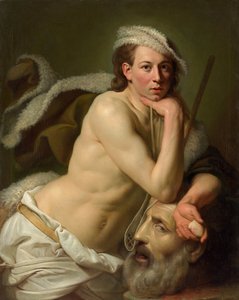
johann zoffany
1733 - 1810 , Alemania
Datos clave
- Artistic Movement Or Style: Neoclassicismo
- Artists Who Influenced This Artist:
- Agostino Masucci
- Martin Speer
- Date Of Birth: 1733
- Full Name: Johann Zoffany
- Nationality: Alemania
- Notable Artworks:
- Tribuna de la Uffizi
- Dr William Hunter Enseñando Anatomía en la Academia Real
- Jorge III
- El Partido de Pollos del Coronel Mordaunt
- Place Of Birth: Frankfurt, Alemania
Artículos relacionados
Illuminating the Enlightenment: A Comprehensive Exploration of 18th-Century Painting
Explore the captivating world of 18th-century painting! Discover Rococo's playful elegance & Neoclassicism’s Enlightenment ideals with expert insights into Fragonard, David, and more. A comprehensive guide for art enthusiasts.
The Rococo Style: Aristocratic Leisure & the Pursuit of Delight in 18th-Century Art
Explore the opulent world of Rococo art! Discover Watteau, Boucher & Nattier's masterpieces. Expert insights for collectors seeking museum-quality reproductions and custom portraits at ArtsDot.

Rococó: 10 Obras Maestras que Definieron una Época | Arte y Decoración en
Descubre las 10 obras maestras del Rococó que marcaron una época. Explora la elegancia de Fragonard, Boucher y Watteau en . Reproducciones de arte de calidad museo para decorar tu hogar con estilo.

La Estética Rococó: Opulencia, Rebelión y Placer en el Arte del Siglo XVIII
Descubre la fascinante estética rococó: su historia, características clave y los artistas más influyentes del siglo XVIII. Un análisis profundo para amantes del arte y coleccionistas.
The Allure of Elegance in Art: A Historical & Aesthetic Exploration of Refinement & Grace
Explore the exquisite world of Rococo art! Discover its history, masters (Watteau, Boucher & more), and defining elegance. Expert insights for collectors seeking museum-quality reproductions & custom portraits.