

 Ver en contexto
 Enviar
 Compartir
 Detalles

 Descargar
 Similares
 Radiografía
 Presentación de diapositivas
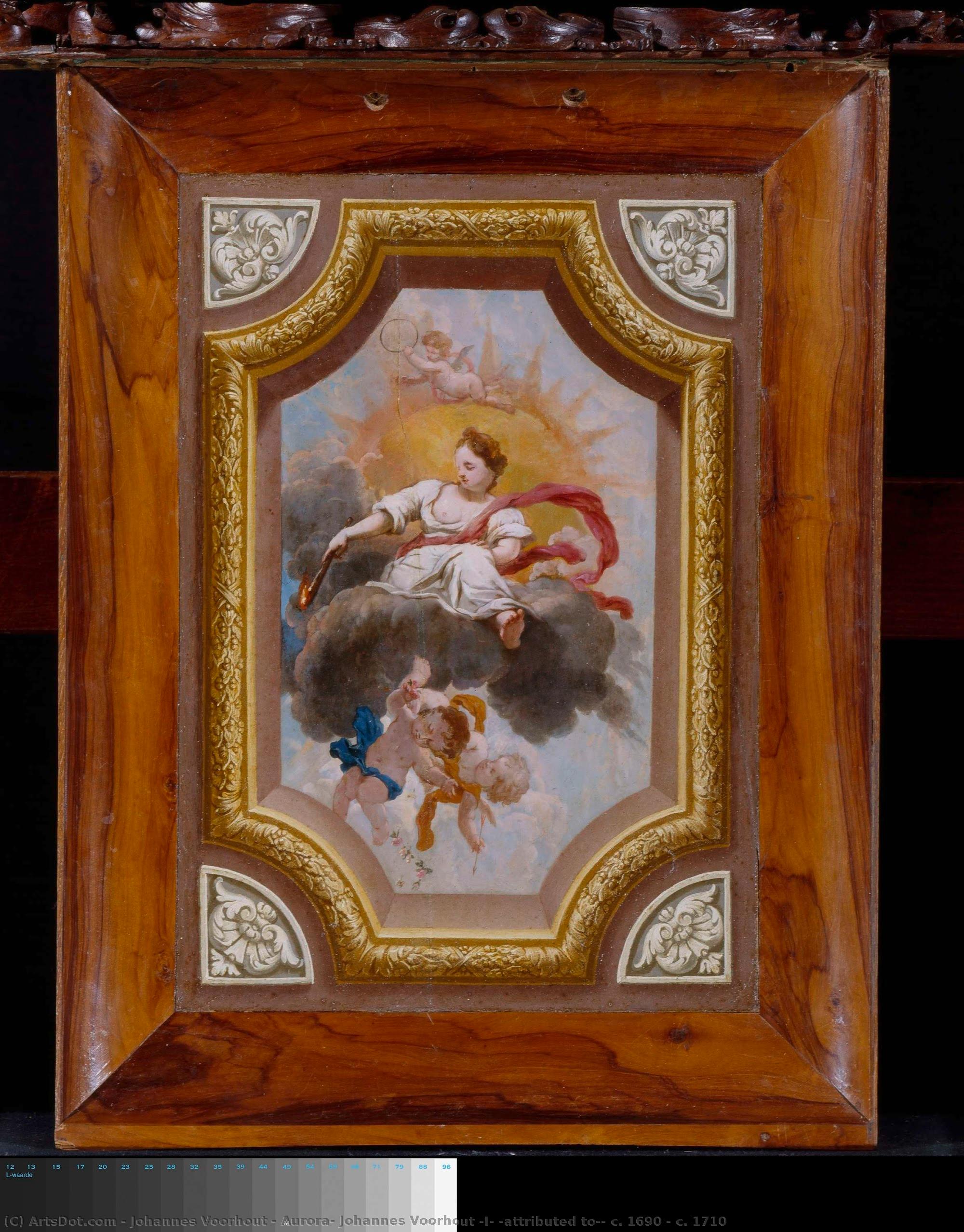
Aurora, Johannes Voorhout (I) (attributed to), c. 1690 - c. 1710


 Ver más
Reproducción al óleo hecha a mano
Óleo sobre lienzo pintado a mano en el tamaño y marco de su elección, realizado por encargo por nuestros artistas. ( Comprar impresión Comprar imagen)




P118B $10

P118H $10

P118W $10

P438Z $10

P508JH $12

P508YH $12

P805H $10

P805Z $10

P919BZ $10

P919G $10

P919XJ $10

P959ZH $10

P968JZ $12

W106C $8

W218G $10

W218JH $8

W218Y $10

W307PJ $10

W316G $10

W316PJ $8

W316Y $10

W398PJ $8

W4111J $10

W500HY $15

W500JH $15

W692G $12

W849H $8

W940BG $15

W953PJ $8




Elija entre nuestros tamaños predefinidos que respetan las proporciones originales de la obra.

Puede ingresar sus propias dimensiones para adaptarse a un marco o espacio específico. Si el tamaño seleccionado no coincide con las proporciones de la imagen original, recortaremos la obra o extenderemos la pintura con elementos adicionales pintados a mano. Se le enviará una maqueta digital para su aprobación antes de comenzar la producción.
Tenga en cuenta que la vista previa en pantalla no refleja el recorte o la extensión reales. Solo la maqueta mostrará con precisión la composición final.
Si bien existen tamaños personalizados, recomendamos seleccionar una dimensión de la lista predefinida para preservar las proporciones originales.
Tras realizar el pedido, el equipo de ArtsDot.com enviará un correo electrónico al cliente para solicitar instrucciones y proporcionarle una vista previa del boceto.
Envío a todo el mundo () en 3-4 semanas en lugar de las 5 semanas estándar. (31 agosto). Sin comprometer la calidad.

Envío exprés gratuito a todo el mundo

Lienzo de lino de alta calidad

Seguro de envío total

Garantía de reembolso de impuestos aduaneros

Garantía de fidelidad cromática exacta

Política de devolución de 60 días (solo por defectos)

Garantía de devolución del 100% del dinero

Descuento por cantidad
 La opción de vidrio solo está disponible en tamaños inferiores a 110 cm.

Aurora, Johannes Voorhout (I) (attributed to), c. 1690 - c. 1710
Técnica de reproducción
Dimensiones de la reproducción
-


Precio total final
$ 263
Obras relacionadas
Biografía del artista
Johannes Voorhout: A Dutch Master of Baroque Allegory
Johannes Voorhout (1647-1723) stands as a prominent figure within the Dutch Golden Age, celebrated for his masterful depictions of historical narratives and portraits imbued with symbolic richness. Born in Amsterdam, he descended from a family steeped in craftsmanship – his father was a clockmaker – foreshadowing a life dedicated to artistic pursuits rather than purely technical trades. Recognizing his son’s innate talent for drawing, Cornelis Voorhout skillfully steered him towards an apprenticeship under Constantijn Verhout in Gouda, where Johannes honed his skills in portraying contemporary history scenes. This formative experience profoundly shaped Voorhout's artistic sensibilities and established a foundation for his subsequent career. Following six years of training, Johannes relocated to Amsterdam in 1664, joining the workshop of Jan van Noordt, a fellow historian and portraitist. Here, he cultivated collaborations that broadened his artistic horizons and solidified his reputation as a skilled craftsman. His marriage in 1670 brought stability to his life, and spurred by anxieties surrounding impending French invasion, he bravely evacuated the country in 1672, finding refuge in Friedrichstadt, where his wife had connections. Encouraged by Juriaan Ovens’ counsel, Voorhout ventured into Hamburg, securing a position with Ovens and discovering considerable success – a testament to his adaptability and ambition. His son, Johannes II, was born in 1677, marking the continuation of Voorhout's artistic lineage. Voorhout’s artistic trajectory took another decisive turn when he accepted Dirk Clant’s commission for a monumental portrait of William III on horseback—a piece destined for Clant’s castle near Groningen and subsequently enshrined as an over-the-mantel decoration. This ambitious undertaking showcased Voorhout's technical prowess and cemented his place in royal patronage, notably influencing the design of the 500 guilder banknote issued during William III’s reign. Returning to Amsterdam in 1677, he established his own studio, fostering a new generation of artists and continuing to refine his artistic vision. Despite facing competitive pressures within Amsterdam's burgeoning art market—a consequence of its prolific output of talented painters—Voorhout remained steadfast in his dedication to painting itself. As Houbraken aptly observed, he perhaps prioritized artistic exploration over commercial considerations like flattery and deception. His legacy extends beyond individual artworks; Voorhout’s influence can be discerned in the stylistic conventions of Baroque allegory, where he skillfully blended historical accuracy with symbolic representation—a hallmark of his oeuvre. Works such as ‘Allegory of Treaty of Ryswick,’ ‘Finding of Moses,’ and ‘Aurora’ exemplify this approach, demonstrating a profound understanding of visual language and conveying complex narratives through evocative imagery. Furthermore, Voorhout's contribution to Dutch art history is underscored by the enduring fame of his portrait of William III—a masterpiece that continues to captivate audiences today and serves as a tangible reminder of the grandeur and artistic achievements of the Golden Age.- Early Life & Training: Johannes Voorhout’s upbringing in Amsterdam, amidst a family tradition of clockmaking, instilled within him an appreciation for precision and craftsmanship—qualities that would prove invaluable to his artistic development.
- Amsterdam Workshop Experience: His apprenticeship under Constantijn Verhout in Gouda provided him with foundational training in historical painting techniques, shaping his stylistic preferences and establishing a connection to the humanist traditions of the era.
- Hamburg Period & Artistic Flourishing: Johannes Voorhout’s relocation to Hamburg marked a period of significant artistic growth, fueled by collaborations with Juriaan Ovens and bolstered by patronage from influential figures like Dirk Clant—a testament to his versatility and ambition.
- Notable Works: Among Voorhout's most celebrated paintings are ‘Allegory of Treaty of Ryswick,’ depicting a complex narrative infused with symbolic references to peace and diplomacy; ‘Finding of Moses,’ showcasing masterful composition and dramatic lighting; and ‘Aurora,’ capturing the ethereal beauty of dawn—each piece exemplifies his command of Baroque artistic conventions.
- Royal Patronage & Artistic Influence: Voorhout’s commission for William III's portrait solidified his position within Dutch royal circles, influencing the aesthetic sensibilities of the time and contributing to the creation of iconic artworks that continue to resonate with audiences today.
- Legacy & Historical Significance: Johannes Voorhout remains a pivotal figure in Dutch art history—his dedication to artistic exploration and his masterful execution of Baroque allegory serve as an enduring inspiration for artists and scholars alike, securing his place among the luminaries of the Golden Age.
Johannes Voorhout
1647 - 1723 , Países Bajos
Datos clave
- Artistic Movement Or Style: Golden Age
- Artists Who Influenced This Artist:
- Constantijn Verhout
- Jan van Noordt
- Date Of Birth: 1647
- Date Of Death: 1723
- Full Name: Johannes Voorhout
- Nationality: Dutch
- Notable Artworks:
- Allegory of Treaty of Ryswick
- Finding of Moses
- Aurora
- Place Of Birth: Amsterdam, Netherlands
Artículos relacionados

Los 10 Maestros del Barroco Holandés: Obras que Definen una Época | ArtsDot
Descubre los 10 imprescindibles del Barroco holandés: Rembrandt, Vermeer y más. Explora la historia, técnica y belleza de estas obras maestras. Reproducciones de arte en ArtsDot.com para decorar tu hogar con elegancia.

Reflejos de una Época Dorada: La Pintura Barroca Holandesa y la Innovación Cultural
Descubra la riqueza y el detalle de la pintura barroca holandesa del Siglo de Oro. Explore las obras maestras de Rembrandt, Vermeer y otros artistas clave. Análisis experto e historia cultural.

Los 10 Maestros del Siglo de Oro Holandés: Arte, Historia y Decoración Exclusiva
Descubre los 10 imprescindibles del Siglo de Oro Holandés: Rembrandt, Vermeer y más. Explora la historia, técnica y belleza de estos lienzos clásicos. Encuentra reproducciones de arte exclusivas para decorar tu hogar en .
Decoding Baroque Grandeur: A Guide to the Drama and Emotion of 17th-Century Art
Explore the breathtaking drama of 17th-century Baroque art. Our expert guide decodes the use of chiaroscuro, emotional intensity, and historical grandeur to help you appreciate and curate timeless masterpieces for your collection.
Illuminating a Century of Change: Artistic Expression & Societal Shifts in 17th-Century Europe
Explore the artistic brilliance of the 17th-century Dutch Golden Age & Baroque period. Discover Rembrandt, genre painting, and chiaroscuro techniques. Expert insights for art lovers & collectors.

