

 Ver en contexto
 Enviar
 Compartir
 Detalles

 Descargar
 Similares
 Radiografía
 Presentación de diapositivas
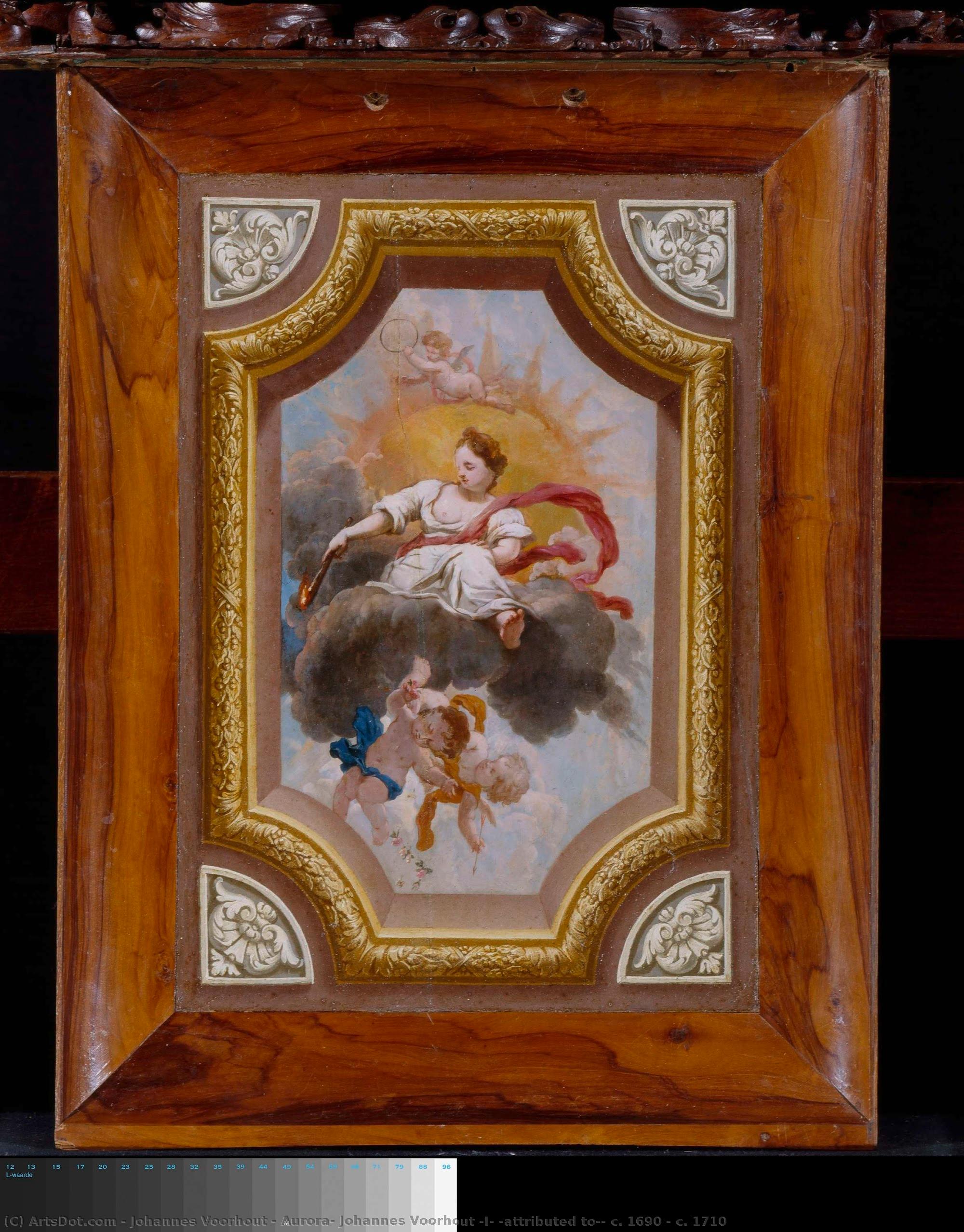
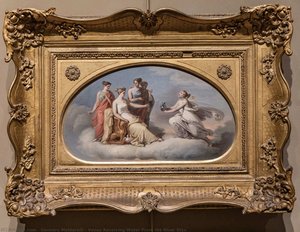
Aurora, Johannes Voorhout (I) (attributed to), c. 1690 - c. 1710


 Ver más
Adquiera una imagen digital de alta resolución y optimizada, muy superior a la vista previa en línea.
Cada archivo es preparado meticulosamente por nuestros especialistas internos mediante el uso de herramientas avanzadas y un experto retoque manual. Nos aseguramos de que cada imagen posea una claridad excepcional, una precisión cromática impecable y un detalle minucioso.
El archivo final se entrega por correo electrónico en un plazo de 72 horas, optimizado para su uso inmediato en entornos profesionales, editoriales y de impresión. Esta es la misma calidad en la que confían los estudios de diseño, las editoriales y las galerías de primer nivel.
Imagen Digital
Descarga un archivo de alta resolución para exhibición personal, impresión y proyectos creativos. ( Comprar impresión Comprar pintura hecha a mano)
Incluido en cada pedido de imágenes digitales
Entrega digital experta, garantizada.
Al elegir ArtsDot.com, no solo está adquiriendo una imagen; está recibiendo una obra de arte digital mejorada profesionalmente, elaborada con precisión y respaldada por una garantía de satisfacción. Esto es todo lo que incluye su pedido, automáticamente:

Entrega rápida por email
Recibirá su archivo de imagen digital en alta resolución por correo electrónico en un plazo de 72 horas tras realizar su pedido, listo para su uso inmediato.

Archivo digital optimizado por IA
Su obra de arte se optimiza profesionalmente mediante herramientas avanzadas de IA y edición manual, garantizando el máximo detalle, claridad y precisión cromática.

Reenvío gratuito de por vida
¿Has borrado o perdido tu archivo por error? No te preocupes: te lo volveremos a enviar en cualquier momento, sin coste adicional.

Sin gastos de importación, siempre
Disfrute de su obra de arte al instante sin aduanas, aranceles ni gastos de envío; las descargas digitales siempre están libres de impuestos.

Garantía de fidelidad de color
Garantizamos que su imagen digital refleje los colores originales con la mayor fidelidad posible, mediante el uso de herramientas profesionales y gestión del color.

Garantía de satisfacción de 60 días
Si no está satisfecho con su imagen digital, la revisaremos o le reembolsaremos el 100% en un plazo de 60 días, sin preguntas.

100% Garantía de devolución de dinero
¿No está satisfecho? Obtenga un reembolso completo dentro de los 60 días posteriores a la recepción de su archivo digital, sin necesidad de explicaciones.

Descuentos por pedidos grandes
Compra 3 imágenes, ahorra 10% - Compra 5, ahorra 15% - Compra 10+, ahorra 20%. Ideal para proyectos creativos, galerías y agencias.
Obras relacionadas
Biografía del artista
Johannes Voorhout: A Dutch Master of Baroque Allegory
Johannes Voorhout (1647-1723) stands as a prominent figure within the Dutch Golden Age, celebrated for his masterful depictions of historical narratives and portraits imbued with symbolic richness. Born in Amsterdam, he descended from a family steeped in craftsmanship – his father was a clockmaker – foreshadowing a life dedicated to artistic pursuits rather than purely technical trades. Recognizing his son’s innate talent for drawing, Cornelis Voorhout skillfully steered him towards an apprenticeship under Constantijn Verhout in Gouda, where Johannes honed his skills in portraying contemporary history scenes. This formative experience profoundly shaped Voorhout's artistic sensibilities and established a foundation for his subsequent career. Following six years of training, Johannes relocated to Amsterdam in 1664, joining the workshop of Jan van Noordt, a fellow historian and portraitist. Here, he cultivated collaborations that broadened his artistic horizons and solidified his reputation as a skilled craftsman. His marriage in 1670 brought stability to his life, and spurred by anxieties surrounding impending French invasion, he bravely evacuated the country in 1672, finding refuge in Friedrichstadt, where his wife had connections. Encouraged by Juriaan Ovens’ counsel, Voorhout ventured into Hamburg, securing a position with Ovens and discovering considerable success – a testament to his adaptability and ambition. His son, Johannes II, was born in 1677, marking the continuation of Voorhout's artistic lineage. Voorhout’s artistic trajectory took another decisive turn when he accepted Dirk Clant’s commission for a monumental portrait of William III on horseback—a piece destined for Clant’s castle near Groningen and subsequently enshrined as an over-the-mantel decoration. This ambitious undertaking showcased Voorhout's technical prowess and cemented his place in royal patronage, notably influencing the design of the 500 guilder banknote issued during William III’s reign. Returning to Amsterdam in 1677, he established his own studio, fostering a new generation of artists and continuing to refine his artistic vision. Despite facing competitive pressures within Amsterdam's burgeoning art market—a consequence of its prolific output of talented painters—Voorhout remained steadfast in his dedication to painting itself. As Houbraken aptly observed, he perhaps prioritized artistic exploration over commercial considerations like flattery and deception. His legacy extends beyond individual artworks; Voorhout’s influence can be discerned in the stylistic conventions of Baroque allegory, where he skillfully blended historical accuracy with symbolic representation—a hallmark of his oeuvre. Works such as ‘Allegory of Treaty of Ryswick,’ ‘Finding of Moses,’ and ‘Aurora’ exemplify this approach, demonstrating a profound understanding of visual language and conveying complex narratives through evocative imagery. Furthermore, Voorhout's contribution to Dutch art history is underscored by the enduring fame of his portrait of William III—a masterpiece that continues to captivate audiences today and serves as a tangible reminder of the grandeur and artistic achievements of the Golden Age.- Early Life & Training: Johannes Voorhout’s upbringing in Amsterdam, amidst a family tradition of clockmaking, instilled within him an appreciation for precision and craftsmanship—qualities that would prove invaluable to his artistic development.
- Amsterdam Workshop Experience: His apprenticeship under Constantijn Verhout in Gouda provided him with foundational training in historical painting techniques, shaping his stylistic preferences and establishing a connection to the humanist traditions of the era.
- Hamburg Period & Artistic Flourishing: Johannes Voorhout’s relocation to Hamburg marked a period of significant artistic growth, fueled by collaborations with Juriaan Ovens and bolstered by patronage from influential figures like Dirk Clant—a testament to his versatility and ambition.
- Notable Works: Among Voorhout's most celebrated paintings are ‘Allegory of Treaty of Ryswick,’ depicting a complex narrative infused with symbolic references to peace and diplomacy; ‘Finding of Moses,’ showcasing masterful composition and dramatic lighting; and ‘Aurora,’ capturing the ethereal beauty of dawn—each piece exemplifies his command of Baroque artistic conventions.
- Royal Patronage & Artistic Influence: Voorhout’s commission for William III's portrait solidified his position within Dutch royal circles, influencing the aesthetic sensibilities of the time and contributing to the creation of iconic artworks that continue to resonate with audiences today.
- Legacy & Historical Significance: Johannes Voorhout remains a pivotal figure in Dutch art history—his dedication to artistic exploration and his masterful execution of Baroque allegory serve as an enduring inspiration for artists and scholars alike, securing his place among the luminaries of the Golden Age.
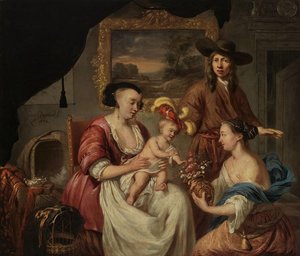
Johannes Voorhout
1647 - 1723 , Países Bajos
Breves datos
- Artistic Movement Or Style: Golden Age
- Artists Who Influenced This Artist:
- Constantijn Verhout
- Jan van Noordt
- Date Of Birth: 1647
- Date Of Death: 1723
- Full Name: Johannes Voorhout
- Nationality: Dutch
- Notable Artworks:
- Allegory of Treaty of Ryswick
- Finding of Moses
- Aurora
- Place Of Birth: Amsterdam, Netherlands

