

 Ver en contexto
 Enviar
 Compartir
 Detalles

 Descargar
 Similares
 Radiografía
 Presentación de diapositivas
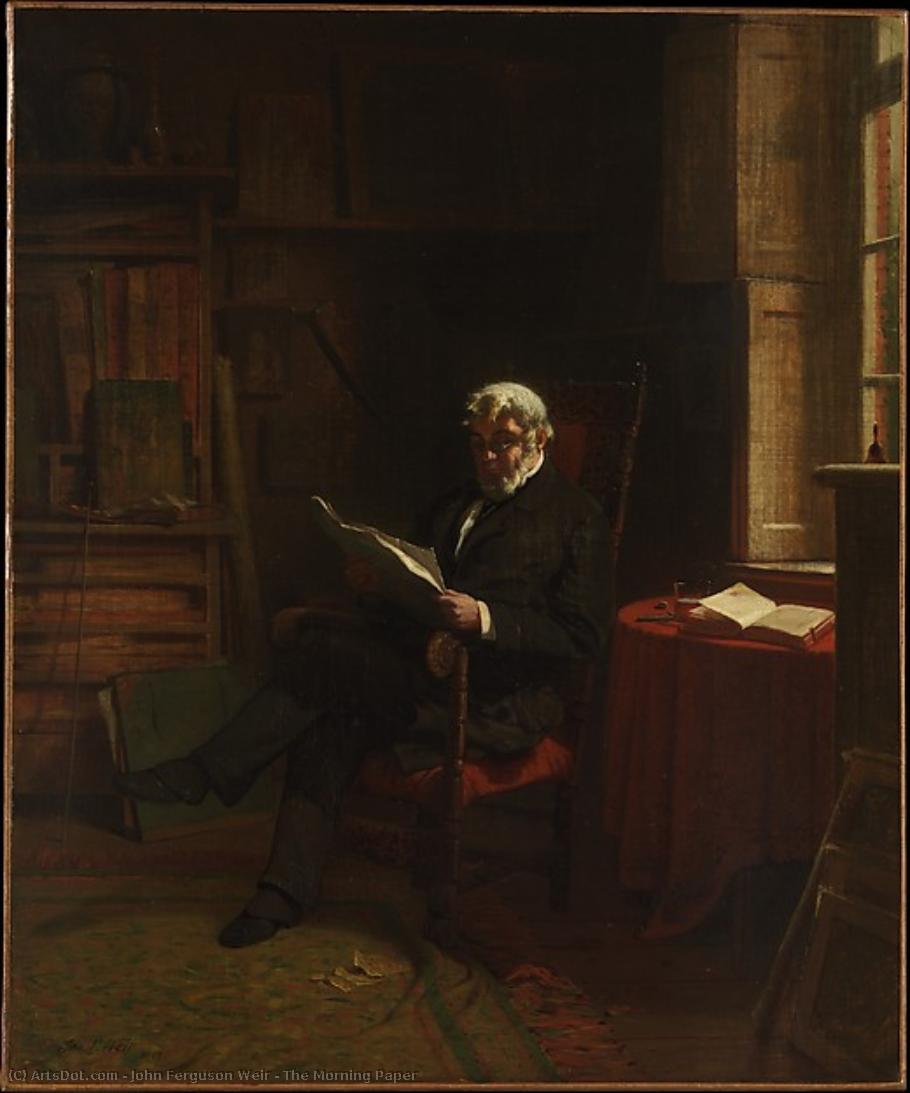
The Morning Paper
 Oil On Canvas
- WallArt
- Realism
 1868
1868 61.0 x 51.0 cm
 Museo Metropolitano de Arte
 Ver más
Reproducción al óleo hecha a mano
Óleo sobre lienzo pintado a mano en el tamaño y marco de su elección, realizado por encargo por nuestros artistas. ( Comprar impresión Comprar imagen)




P118B $10

P118H $10

P118W $10

P438Z $10

P508JH $12

P508YH $12

P805H $10

P805Z $10

P919BZ $10

P919G $10

P919XJ $10

P959ZH $10

P968JZ $12

W106C $8

W218G $10

W218JH $8

W218Y $10

W307PJ $10

W316G $10

W316PJ $8

W316Y $10

W398PJ $8

W4111J $10

W500HY $15

W500JH $15

W692G $12

W849H $8

W940BG $15

W953PJ $8




Elija entre nuestros tamaños predefinidos que respetan las proporciones originales de la obra.

Puede ingresar sus propias dimensiones para adaptarse a un marco o espacio específico. Si el tamaño seleccionado no coincide con las proporciones de la imagen original, recortaremos la obra o extenderemos la pintura con elementos adicionales pintados a mano. Se le enviará una maqueta digital para su aprobación antes de comenzar la producción.
Tenga en cuenta que la vista previa en pantalla no refleja el recorte o la extensión reales. Solo la maqueta mostrará con precisión la composición final.
Si bien existen tamaños personalizados, recomendamos seleccionar una dimensión de la lista predefinida para preservar las proporciones originales.
Tras realizar el pedido, el equipo de ArtsDot.com enviará un correo electrónico al cliente para solicitar instrucciones y proporcionarle una vista previa del boceto.
Envío a todo el mundo () en 3-4 semanas en lugar de las 5 semanas estándar. (24 agosto). Sin comprometer la calidad.

Envío exprés gratuito a todo el mundo

Lienzo de lino de alta calidad

Seguro de envío total

Garantía de reembolso de impuestos aduaneros

Garantía de fidelidad cromática exacta

Política de devolución de 60 días (solo por defectos)

Garantía de devolución del 100% del dinero

Descuento por cantidad
 La opción de vidrio solo está disponible en tamaños inferiores a 110 cm.

The Morning Paper
Técnica de reproducción
Dimensiones de la reproducción
-


Precio total final
$ 263
Descripción de la obra
The Morning Paper: A Study in Quiet Reflection
John Ferguson Weir’s “The Morning Paper” (1868) isn't merely a depiction of an elderly gentleman absorbed in reading; it’s a masterful distillation of the American spirit during its formative years. Painted against a backdrop of muted browns and grays—characteristic hues of Hudson River School landscapes—the artwork speaks volumes about Victorian sensibilities and the pursuit of intellectual solace amidst industrial progress. Weir, son of Robert Walter Weir, himself a celebrated educator at West Point and influential figure in shaping the artistic vision of future leaders, inherited a legacy of meticulous observation and expressive technique. This painting exemplifies his dedication to capturing both realism and psychological nuance.- Composition & Perspective: The central figure dominates the canvas, seated comfortably in a chair positioned strategically at the corner of what appears to be a modestly furnished studio. Weir employs a flattened perspective—a stylistic choice common in academic art—creating an illusion of depth through layering objects and manipulating light. This deliberate framing draws the viewer’s gaze directly to the man's face and the open book, emphasizing the core subject matter: contemplation and knowledge acquisition.
- Technique & Materiality: Weir’s brushwork is remarkably detailed, particularly evident in rendering the textures of fabric—the chair upholstery and the gentleman’s waistcoat—and capturing subtle variations in skin tone. Oil paints on canvas provide a rich surface that allows for nuanced shading and blending, contributing to an overall sense of atmospheric realism. The artist skillfully utilizes light and shadow to sculpt form and convey emotion, mirroring the dramatic chiaroscuro favored by Rembrandt and Caravaggio.
- Symbolism & Context: Beyond its visual beauty, “The Morning Paper” resonates with deeper symbolic meanings. The newspaper symbolizes access to information and societal discourse—a crucial element of Victorian intellectual life—while the book represents wisdom and erudition. The solitary figure embodies introspection and quiet contemplation, reflecting a broader cultural preoccupation with moral virtue and spiritual growth during the Civil War era.
- Color Palette & Mood: Weir’s restrained color palette—dominated by earthy tones—creates an atmosphere of solemnity and tranquility. Ochres and browns evoke warmth and stability, juxtaposed against cooler grays that convey a sense of melancholy and thoughtfulness. The overall mood is one of quiet contemplation, inviting viewers to consider the profound beauty found in simple moments of intellectual engagement.
- Notable Reproduction: Currently housed at The Metropolitan Museum of Art (Accession Number 60.72), “The Morning Paper” stands as a testament to Weir’s artistic prowess and his contribution to American art history. Its enduring appeal lies not only in its technical brilliance but also in its ability to evoke empathy for the human condition—a timeless exploration of aging, learning, and inner peace.
Obras relacionadas
Biografía del artista
A Legacy Forged in Fire and Light: The Life and Art of John Ferguson Weir
John Ferguson Weir (1841-1926) stands as a pivotal figure in American art history, embodying the spirit of innovation and dedication that characterized the late 19th century. His artistic journey—marked by groundbreaking depictions of industrial landscapes and an unwavering commitment to fostering art education at Yale University—continues to inspire admiration for its breadth and depth. Born August 28, 1841, in West Point, New York, Weir’s formative years were steeped in the intellectual atmosphere fostered by his father, Robert Walter Weir, a celebrated painter and professor of drawing at the Military Academy – an institution that instilled in him not only artistic technique but also a profound understanding of American history and culture. This familial influence profoundly shaped Weir's worldview and fueled his lifelong passion for capturing the essence of both the natural world and the transformative forces shaping society.Early Artistic Training and Industrial Vision
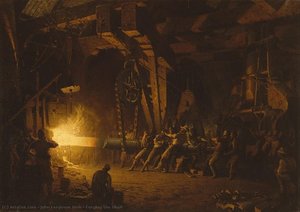
Weir’s artistic education began formally at the National Academy in New York City, where he honed his skills alongside fellow artists eager to embrace the burgeoning industrial revolution. Recognizing the profound impact of technological advancements on American life, Weir embarked upon a bold artistic endeavor: portraying scenes of factories and laborers with unprecedented realism and sensitivity. His masterpiece *The Gun Foundry* (1866), commissioned by the West Point Iron and Cannon Factory—a symbol of American ingenuity during the Civil War—demonstrates this commitment to documenting industrial progress while simultaneously exploring themes of labor, craftsmanship, and human resilience. The monumental scale and dramatic chiaroscuro effects employed in *Forging the Shaft* (1867) – a depiction of the creation of a massive shaft for an ocean liner – further solidified Weir’s reputation as a pioneer in capturing industrial landscapes with artistic brilliance. These paintings weren't merely representations of machinery; they were powerful statements about America’s capacity to adapt and innovate amidst turbulent times, establishing Weir as one of the earliest American artists to engage directly with the transformative forces reshaping the nation.Yale University and Artistic Education
In 1869, Weir accepted an invitation from Yale University president Theodore Dwight Woolsey ’20, ’23MA—a pivotal moment that would define his artistic career and solidify his legacy as a champion of art education. Recognizing the importance of cultivating both foundational skills and imaginative exploration, Weir envisioned a curriculum that blended traditional academic rigor with contemporary European methods – mirroring the approach championed by his brother, Julian Alden Weir, who was pursuing studies at École des Beaux-Arts in Paris. This collaborative spirit underscored a shared conviction that fostering artistic talent required nurturing not only technical proficiency but also intellectual curiosity and critical engagement. Weir’s dedication extended beyond curriculum development; he actively promoted opportunities for women artists—a progressive stance for its time—demonstrating his belief in the transformative potential of art education for all aspiring individuals. His influence on Yale’s School of Fine Arts continues to resonate today, serving as a testament to his visionary leadership and enduring commitment to artistic excellence.A Painter's Palette: Style and Technique
Weir’s artistic style evolved throughout his career, reflecting the broader currents of Impressionism that swept across Europe during his formative years. While initially influenced by Édouard Manet—particularly *Woman with a Parrot* and *Boy with a Sword*, which Weir purchased during his travels—he gradually embraced the techniques championed by Jules Bastien-Lepage and Albert Pinkham Ryder, prioritizing tonal harmonies and capturing fleeting moments of light and atmosphere. His landscapes—primarily focused on the Hudson River Valley—were characterized by meticulous observation and masterful brushwork, conveying a profound sense of tranquility and beauty. Weir’s ability to evoke emotion through color and texture cemented his place among the foremost landscape painters of his era, establishing him as a master of tonal harmony and atmospheric perspective.A Lasting Impression: Legacy and Remembrance
John Ferguson Weir died peacefully in Providence, Rhode Island on April 8, 1926—leaving behind an artistic oeuvre that continues to captivate audiences worldwide. His sculptures—including the statue of Woolsey for Yale University and Benjamin Silliman—stand as enduring symbols of intellectual curiosity and artistic achievement. More importantly, Weir’s unwavering dedication to art education at Yale University ensured that his influence would extend far beyond his own lifetime, shaping generations of artists and scholars alike. He remains a beacon of inspiration for those pursuing creative endeavors, reminding us that true artistry lies not merely in technical skill but also in the courage to embrace innovation and champion transformative ideas—a legacy as luminous as the landscapes he so lovingly rendered on canvas.
John Ferguson Weir
1841 - 1926 , Estados Unidos de América
Datos clave
- Artistic Movement Or Style: Impressionism, Industrial scenes
- Artists Who Influenced This Artist:
- Robert Walter Weir
- J. Alden Weir
- Date Of Birth: August 28, 1841
- Date Of Death: April 8, 1926
- Full Name: John Ferguson Weir
- Nationality: American
- Notable Artworks:
- Hudson Highlands
- The Gun Foundry
- Forging the Shaft
- Place Of Birth: West Point, USA
Artículos relacionados

John Singer Sargent: Las 25 Obras Maestras del Retrato y la Belle Époque | ArtsDot
Descubre las 25 obras maestras de John Singer Sargent, el maestro del retrato y la Belle Époque. Explora su técnica impresionista, historias fascinantes y encuentra reproducciones de arte exclusivas para decorar tu hogar con elegancia en ArtsDot.com.
Realismo Estadounidense: 10 Obras Maestras que Cambiaron el Arte y la Decoración
Descubre 10 obras maestras del Realismo Estadounidense: Winslow Homer, Edward Hopper y más. Explora la historia, técnica y emoción de estos icónicos cuadros. Encuentra reproducciones de arte de museo en ArtsDot.com.

John Constable: Las 25 Obras Maestras del Paisaje Inglés | ArtsDot
Descubre las 25 obras maestras de John Constable, el pintor romántico inglés que capturó la belleza del paisaje. Explora su técnica, historia y significado en ArtsDot.com. Reproducciones de arte de alta calidad para tu hogar.
Julian Alden Weir: A Quiet Master of American Impressionism & Rural Life
Discover Julian Alden Weir, a leading American Impressionist painter celebrated for his serene landscapes & depictions of rural life. Explore his artistic evolution, influence on 'The Ten', and legacy at Weir Farm.
Realismo Americano: Comentario Social y Representación Artística en la Pintura del Siglo XX
Explora el Realismo Americano del siglo XX: un análisis profundo de sus artistas clave (Vertis Hayes, William Aiken Walker), técnicas y su poderoso comentario social. Descubre cómo este movimiento plasmó la identidad estadounidense.

