

 Ver en contexto
 Enviar
 Compartir
 Detalles

 Descargar
 Similares
 Radiografía
 Presentación de diapositivas
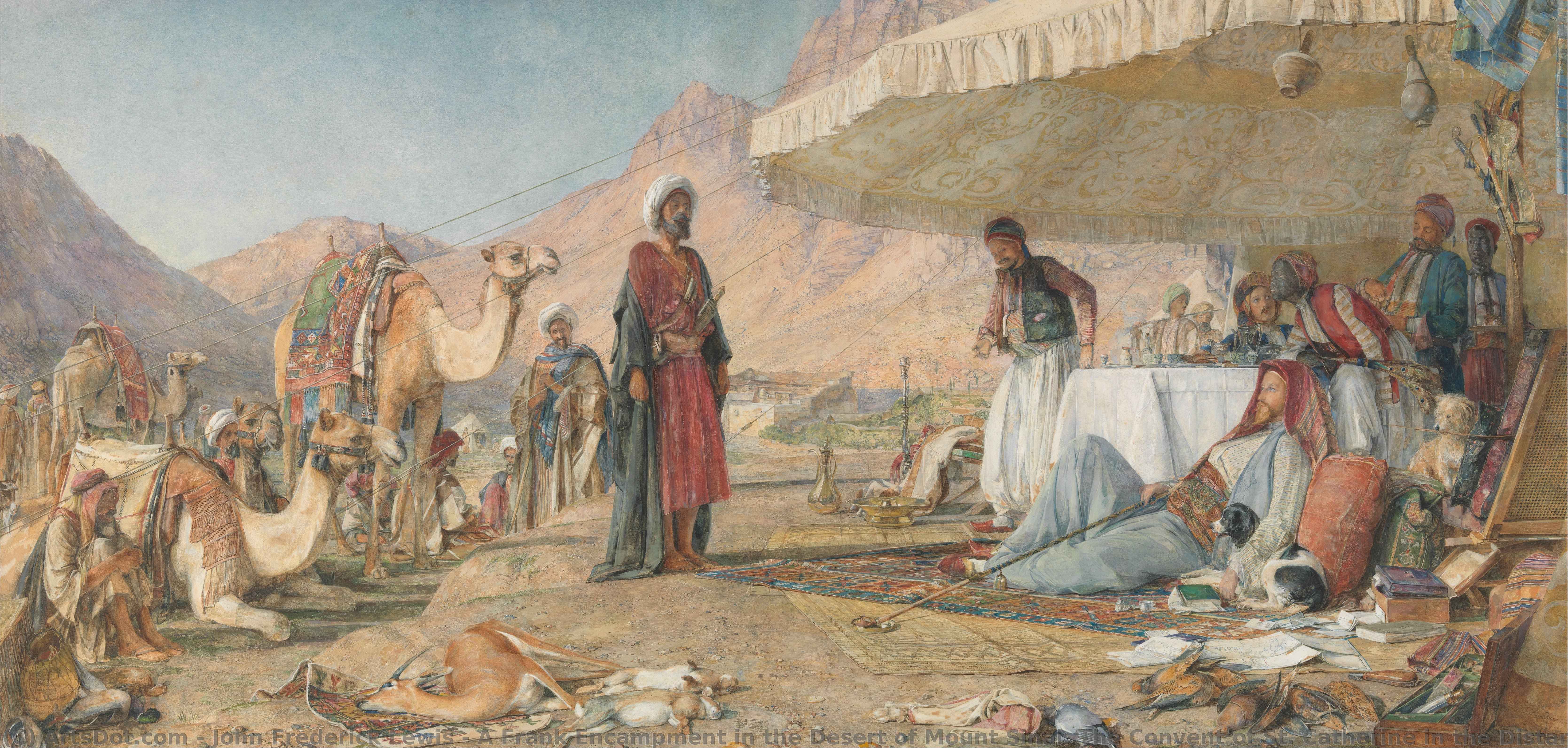
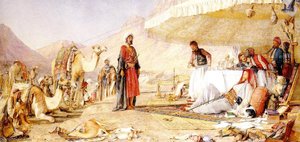
A Frank Encampment in the Desert of Mount Sinai. The Convent of St. Catherine in the Distance


 Ver más
Adquiera una imagen digital de alta resolución y optimizada, muy superior a la vista previa en línea.
Cada archivo es preparado meticulosamente por nuestros especialistas internos mediante el uso de herramientas avanzadas y un experto retoque manual. Nos aseguramos de que cada imagen posea una claridad excepcional, una precisión cromática impecable y un detalle minucioso.
El archivo final se entrega por correo electrónico en un plazo de 72 horas, optimizado para su uso inmediato en entornos profesionales, editoriales y de impresión. Esta es la misma calidad en la que confían los estudios de diseño, las editoriales y las galerías de primer nivel.
Imagen Digital
Descarga un archivo de alta resolución para exhibición personal, impresión y proyectos creativos. ( Comprar impresión Comprar pintura hecha a mano)
Incluido en cada pedido de imágenes digitales
Entrega digital experta, garantizada.
Al elegir ArtsDot.com, no solo está adquiriendo una imagen; está recibiendo una obra de arte digital mejorada profesionalmente, elaborada con precisión y respaldada por una garantía de satisfacción. Esto es todo lo que incluye su pedido, automáticamente:

Entrega rápida por email
Recibirá su archivo de imagen digital en alta resolución por correo electrónico en un plazo de 72 horas tras realizar su pedido, listo para su uso inmediato.

Archivo digital optimizado por IA
Su obra de arte se optimiza profesionalmente mediante herramientas avanzadas de IA y edición manual, garantizando el máximo detalle, claridad y precisión cromática.

Reenvío gratuito de por vida
¿Has borrado o perdido tu archivo por error? No te preocupes: te lo volveremos a enviar en cualquier momento, sin coste adicional.

Sin gastos de importación, siempre
Disfrute de su obra de arte al instante sin aduanas, aranceles ni gastos de envío; las descargas digitales siempre están libres de impuestos.

Garantía de fidelidad de color
Garantizamos que su imagen digital refleje los colores originales con la mayor fidelidad posible, mediante el uso de herramientas profesionales y gestión del color.

Garantía de satisfacción de 60 días
Si no está satisfecho con su imagen digital, la revisaremos o le reembolsaremos el 100% en un plazo de 60 días, sin preguntas.

100% Garantía de devolución de dinero
¿No está satisfecho? Obtenga un reembolso completo dentro de los 60 días posteriores a la recepción de su archivo digital, sin necesidad de explicaciones.

Descuentos por pedidos grandes
Compra 3 imágenes, ahorra 10% - Compra 5, ahorra 15% - Compra 10+, ahorra 20%. Ideal para proyectos creativos, galerías y agencias.
A Desert Encounter: John Frederick Lewis’s “A Frank Encampment in the Desert of Mount Sinai”
John Frederick Lewis's "A Frank Encampment in the Desert of Mount Sinai, The Convent of St. Catherine in the Distance" is more than a mere depiction of a desert scene; it’s a meticulously crafted tableau of cultural exchange and subtle power dynamics, frozen in time with remarkable detail. Painted in 1842, this watercolor and gouache masterpiece transports us to the rugged landscape surrounding Mount Sinai, a place steeped in biblical significance and, at the time of its creation, a frontier zone between European exploration and the enduring traditions of the Bedouin people. The painting immediately draws the eye with its vibrant palette – ochre sands, deep blues of the distant sky, and the rich reds and browns of tents and clothing—a testament to Lewis’s mastery of capturing the nuances of light and color in a challenging environment.
At the heart of the composition stands Viscount Castlereagh, a prominent British diplomat and military figure, reclining comfortably within a richly appointed tent. He is presented not as an explorer or conqueror, but as a gentleman enjoying the hospitality of his Bedouin hosts. The scene is deliberately staged to subtly challenge conventional European perceptions of the East. Lewis doesn’t portray a simplistic narrative of Western dominance; instead, he offers a complex interaction where the British aristocrat appears almost passively accepting of the Bedouin's generosity and customs. This deliberate subversion of traditional Orientalist tropes—where Europeans were often depicted as superior figures observing exotic locales—is a key element of the painting’s enduring appeal.
The Artist’s Vision: Orientalism and Detail
John Frederick Lewis was a pivotal figure in the development of Orientalist painting, a genre that flourished throughout the 19th century. Unlike many of his contemporaries who focused on sensationalized depictions of harems and exotic encounters, Lewis sought to portray the daily lives and customs of people living in the Middle East with remarkable accuracy and sensitivity. His years spent in Cairo profoundly shaped his artistic vision, leading him to meticulously study Islamic architecture, clothing, and social rituals. This dedication is evident in every brushstroke of “A Frank Encampment,” from the intricate patterns on the carpets to the detailed rendering of the Bedouin’s traditional attire.
Lewis's technique is characterized by a painstaking level of detail—a hallmark of his style. He employed watercolor and gouache, mediums that allowed him to achieve both luminous washes of color and sharp, precise lines. The painting is replete with small observations: the gazelle in the foreground, the scattered books and maps within the tent, the dogs lounging nearby – each element contributes to a sense of realism and immediacy. Notably, Lewis’s meticulous approach was influenced by his earlier training under Sir Thomas Lawrence, but he developed a distinctly personal style that prioritized observation and nuanced representation over idealized beauty.
Symbolism and Context: A Meeting of Worlds
The painting is rich in symbolic meaning. The desert itself represents both hardship and spiritual significance—a landscape associated with biblical narratives and the challenges of faith. The tent, a symbol of hospitality and refuge, highlights the exchange between cultures. The positioning of Castlereagh and his Bedouin hosts subtly suggests a power dynamic, but one that is tempered by mutual respect and generosity. The inclusion of Western objects – books, maps, and even a hunting rifle—hints at the encroachment of European influence on traditional ways of life.
Painted in 1842, “A Frank Encampment” reflects the broader context of British imperial expansion into Egypt and the Middle East. The painting can be viewed as both a celebration of exploration and a subtle commentary on the complexities of cultural interaction during this period. It’s important to note that Lewis's work was created during a time when European attitudes towards non-Western cultures were often shaped by colonial ideologies, yet he managed to create an image that transcends simplistic representations of power and dominance.
A Timeless Masterpiece: Reproduction and Legacy
“A Frank Encampment in the Desert of Mount Sinai” remains a captivating work of art, offering viewers a glimpse into a pivotal moment in history and a profound meditation on cultural exchange. Reproductions of this painting capture its remarkable detail and evocative atmosphere, making it an ideal choice for interior design projects seeking to infuse a space with a sense of exoticism, sophistication, and historical depth. The painting’s enduring appeal lies not only in its aesthetic beauty but also in its subtle complexity and insightful portrayal of human interaction—a testament to John Frederick Lewis's artistic vision and his ability to capture the spirit of a bygone era.
Obras relacionadas
Biografía del artista
John Frederick Lewis: Una Vida en la Pintura Orientalista
Primeros Años y Formación
John Frederick Lewis, un destacado pintor orientalista inglés, nació el 14 de julio de 1804 en Londres. Era hijo de Frederick Christian Lewis, grabador y pintor paisajista. Este trasfondo familiar artístico sin duda influyó en su desarrollo temprano. Su formación formal comenzó bajo la tutela de Sir Thomas Lawrence, donde perfeccionó sus habilidades junto a otros artistas como Edwin Landseer. Este período fundamental le inculcó un sólido entendimiento de la técnica y la composición.
Carrera Artística y Desarrollo
La carrera artística de Lewis se desarrolló a través de varias fases distintas, cada una marcada por estilos y enfoques temáticos en evolución:
- Período Orientalista: Lewis emprendió extensos viajes por la región mediterránea, capturando su esencia con precisión en detalladas pinturas al aguafuerte y óleo. A menudo revisaba composiciones, representándolas en múltiples medios.
- Influencias Españolas y Marroquíes (1832-1834): Un viaje a España y Marruecos resultó decisivo. Producir numerosos litografías que posteriormente se publicaron como “Sketches and Drawings of the Alhambra” (1835) y “Lewis’s Sketches of Spain and Spanish Character” (1836).
- Período Egipcio (1841-1851): Su estancia en El Cairo fue, sin duda, la más productiva. Aquí perfeccionó su estilo orientalista, creando obras detalladas que mostraban tanto escenas de género realistas como representaciones idealizadas de interiores egipcios de clase alta.
Obras Notables
Lewis creó un importante cuerpo de trabajo celebrado por su meticuloso detalle y atmósfera evocadora. Algunas de sus obras más reconocidas incluyen:
- A Bedouin (Yale Center for British Art, New Haven) – Un aguafuerte que ejemplifica su estilo orientalista.
- The Ramesseum at Thebes (Yale Center for British Art, New Haven) – Demostrando su notable atención al detalle arquitectónico.
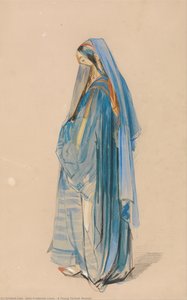
- A Young Turkish Woman (Yale Center for British Art, New Haven) – Otro ejemplo impactante de su obra orientalista.
- Harem Life in Constantinople - Una detallada pintura al óleo que representa la vida doméstica otomana.
Influencias y Estilo Artístico
El estilo de Lewis fue moldeado por varias influencias, siendo las más notables Sir Thomas Lawrence's énfasis en el retrato y la composición. Sin embargo, su observación directa de las culturas del Medio Oriente le permitió desarrollar una estética única caracterizada por:
- Meticuloso Detalle: Un compromiso con la representación precisa de texturas, patrones y elementos arquitectónicos.
- Paleta de Colores Rica: Empleando tonos vibrantes inspirados en los paisajes y los atuendos que encontró.
- Escenas de Género e Interior: Centrándose en la vida cotidiana y los entornos domésticos íntimos.
Legado e Importancia Histórica
La contribución de Lewis al mundo del arte reside en su importante papel en el desarrollo de la pintura orientalista. Sus representaciones meticulosas de la arquitectura islámica, los muebles y los atuendos establecieron nuevos estándares de realismo dentro del género. Ayudó a popularizar una visión romántica pero detallada del Oriente entre el público occidental. Después de regresar a Inglaterra en 1851, continuó pintando hasta su muerte el 15 de agosto de 1876 en Walton-on-Thames.
Su obra continúa siendo estudiada y admirada por su mérito artístico e información histórica sobre las percepciones del Oriente en el siglo XIX.
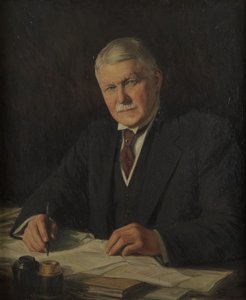
John Frederick Lewis
1804 - 1876 , United Kingdom
Breves datos
- Artistic Movement Or Style: Orientalismo
- Artists Who Influenced This Artist: ['Sir Thomas Lawrence']
- Country: Reino Unido
- Date Of Birth: 14 Jul 1804
- Full Name: John Frederick Lewis
- Nationality: Británico
- Notable Artworks:
- A Bedouin
- El Ramesseum en Tebas
- Una joven mujer turca
- Place Of Birth: Londres

