 Ver en contexto
 Enviar
 Compartir
 Detalles

 Descargar
 Similares
 Radiografía
 Presentación de diapositivas
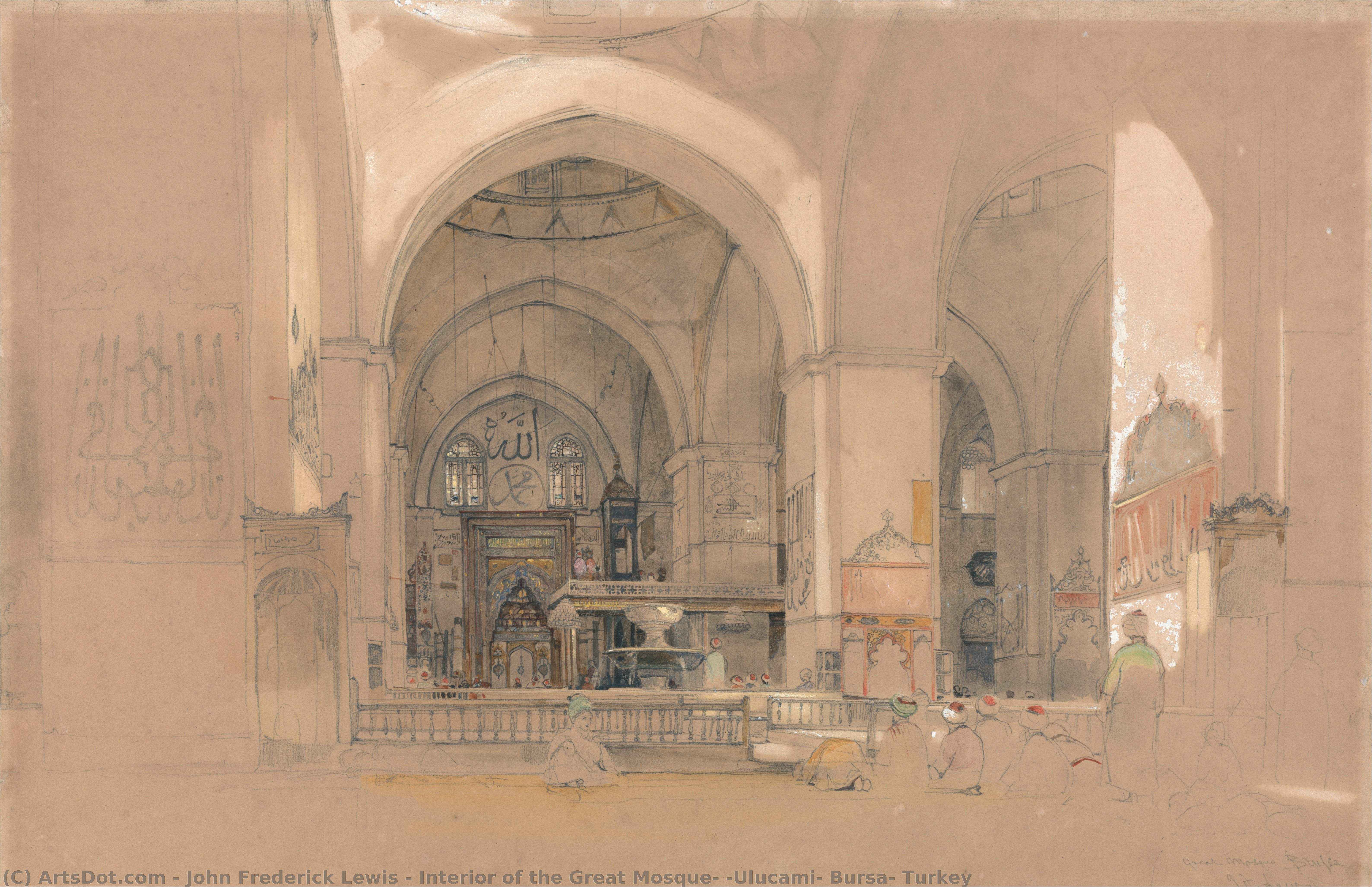
Interior of the Great Mosque, (Ulucami) Bursa, Turkey


 Ver más
Reproducción al óleo hecha a mano
Óleo sobre lienzo pintado a mano en el tamaño y marco de su elección, realizado por encargo por nuestros artistas. ( Comprar impresión Comprar imagen)




P118B $10

P118H $10

P118W $10

P438Z $10

P508JH $12

P508YH $12

P805H $10

P805Z $10

P919BZ $10

P919G $10

P919XJ $10

P959ZH $10

P968JZ $12

W106C $8

W218G $10

W218JH $8

W218Y $10

W307PJ $10

W316G $10

W316PJ $8

W316Y $10

W398PJ $8

W4111J $10

W500HY $15

W500JH $15

W692G $12

W849H $8

W940BG $15

W953PJ $8




Elija entre nuestros tamaños predefinidos que respetan las proporciones originales de la obra.

Puede ingresar sus propias dimensiones para adaptarse a un marco o espacio específico. Si el tamaño seleccionado no coincide con las proporciones de la imagen original, recortaremos la obra o extenderemos la pintura con elementos adicionales pintados a mano. Se le enviará una maqueta digital para su aprobación antes de comenzar la producción.
Tenga en cuenta que la vista previa en pantalla no refleja el recorte o la extensión reales. Solo la maqueta mostrará con precisión la composición final.
Si bien existen tamaños personalizados, recomendamos seleccionar una dimensión de la lista predefinida para preservar las proporciones originales.
Tras realizar el pedido, el equipo de ArtsDot.com enviará un correo electrónico al cliente para solicitar instrucciones y proporcionarle una vista previa del boceto.
Envío a todo el mundo () en 3-4 semanas en lugar de las 5 semanas estándar. (26 agosto). Sin comprometer la calidad.

Envío exprés gratuito a todo el mundo

Lienzo de lino de alta calidad

Seguro de envío total

Garantía de reembolso de impuestos aduaneros

Garantía de fidelidad cromática exacta

Política de devolución de 60 días (solo por defectos)

Garantía de devolución del 100% del dinero

Descuento por cantidad
 La opción de vidrio solo está disponible en tamaños inferiores a 110 cm.

Interior of the Great Mosque, (Ulucami) Bursa, Turkey
Técnica de reproducción
Dimensiones de la reproducción
-


Precio total final
$ 263
Descripción de la obra
A Window into Ottoman Majesty: John Frederick Lewis’s Bursa Masterpiece
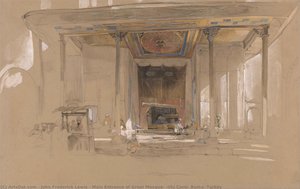
John Frederick Lewis's watercolor, “Interior of the Great Mosque, (Ulucami) Bursa, Turkey,” isn’t merely a depiction of a building; it’s a portal. Painted in 1841 during his extensive travels throughout the Ottoman Empire, this work transcends simple documentation to become a profound study of light, perspective, and the enduring beauty of Islamic architecture. The scene unfolds within the Ulu Camii (Great Mosque) in Bursa, Turkey – a city steeped in history and renowned for its rich artistic heritage. Lewis’s meticulous attention to detail transports the viewer directly into the heart of this sacred space, inviting contemplation on both its architectural grandeur and the spiritual atmosphere it embodies.
The painting immediately establishes a sense of scale and depth through his masterful use of linear perspective. The soaring arches dominate the composition, drawing the eye upwards towards the intricately decorated ceiling – a breathtaking display of muqarnas (honeycomb vaulting) that seems to defy gravity. Columns, rendered with remarkable precision, support this vast structure, creating an illusion of immense space and echoing the principles of Islamic geometry. Notice how Lewis subtly diminishes the size of elements in the background, reinforcing the viewer’s sense of being within a monumental building. The muted earth tones – ochres, browns, and subtle greens – evoke the aged stone and plaster surfaces, lending the scene a timeless quality.
The Academic Realist Approach
Lewis's style is firmly rooted in the academic realism prevalent during the 19th century. He meticulously observed and documented architectural details with an almost scientific rigor, reflecting the growing interest in systematic observation and accurate representation that characterized the era. This approach contrasts sharply with looser, more expressive styles of Romanticism, prioritizing clarity, precision, and a deep understanding of form and structure. The painting’s composition is carefully balanced, employing geometric shapes – circles for arches, rectangles for panels – to create visual harmony. The layering of watercolor washes creates a subtle texture that mimics the rough surfaces of stone and plaster, adding tactile interest to the image.
Beyond mere representation, Lewis demonstrates an acute awareness of light and shadow. The source of illumination remains subtly ambiguous, casting long shadows that accentuate the depth and three-dimensionality of the space. This skillful manipulation of light not only enhances the realism of the scene but also imbues it with a sense of solemnity and reverence – qualities essential to understanding Islamic sacred spaces. The inclusion of a small figure in the lower right corner provides a crucial element of scale, reminding us of the human experience within this monumental structure.
Symbolism and Historical Context
The Ulu Camii itself holds significant historical importance as one of Bursa’s oldest mosques, dating back to the 14th century. It was originally built by Sultan Murad I and later rebuilt by his son, Mehmed II. The mosque's architecture reflects a blend of Seljuk, Ottoman, and Byzantine influences, showcasing the rich artistic traditions of the region. Lewis’s painting serves as a valuable record of this architectural heritage, capturing the essence of the Ulu Camii at a specific moment in time. It is important to note that Bursa was a vital center for trade and craftsmanship during the Ottoman period, fostering an environment of artistic innovation and cultural exchange.
Furthermore, Lewis’s work aligns with the broader trend of Orientalist painting – a genre that emerged during the 19th century, depicting scenes from the Middle East and North Africa. While often criticized for romanticizing or exoticizing these cultures, Orientalism also fostered a greater understanding and appreciation of diverse artistic traditions. Lewis's meticulous attention to detail and his respectful portrayal of Islamic architecture demonstrate a genuine interest in documenting and celebrating this rich cultural heritage.
A Timeless Masterpiece
“Interior of the Great Mosque, (Ulucami) Bursa, Turkey” is more than just a beautiful painting; it’s a testament to John Frederick Lewis's artistic skill and his deep appreciation for Islamic architecture. Its enduring appeal lies in its ability to transport the viewer to another time and place, inviting contemplation on themes of faith, beauty, and human ingenuity. Reproductions of this remarkable work offer a unique opportunity to bring a piece of Ottoman history into your home or office – a timeless reminder of the splendor and spiritual significance of Islamic art.
Obras relacionadas
Biografía del artista
John Frederick Lewis: Una Vida en la Pintura Orientalista
Primeros Años y Formación
John Frederick Lewis, un destacado pintor orientalista inglés, nació el 14 de julio de 1804 en Londres. Era hijo de Frederick Christian Lewis, grabador y pintor paisajista. Este trasfondo familiar artístico sin duda influyó en su desarrollo temprano. Su formación formal comenzó bajo la tutela de Sir Thomas Lawrence, donde perfeccionó sus habilidades junto a otros artistas como Edwin Landseer. Este período fundamental le inculcó un sólido entendimiento de la técnica y la composición.
Carrera Artística y Desarrollo
La carrera artística de Lewis se desarrolló a través de varias fases distintas, cada una marcada por estilos y enfoques temáticos en evolución:
- Período Orientalista: Lewis emprendió extensos viajes por la región mediterránea, capturando su esencia con precisión en detalladas pinturas al aguafuerte y óleo. A menudo revisaba composiciones, representándolas en múltiples medios.
- Influencias Españolas y Marroquíes (1832-1834): Un viaje a España y Marruecos resultó decisivo. Producir numerosos litografías que posteriormente se publicaron como “Sketches and Drawings of the Alhambra” (1835) y “Lewis’s Sketches of Spain and Spanish Character” (1836).
- Período Egipcio (1841-1851): Su estancia en El Cairo fue, sin duda, la más productiva. Aquí perfeccionó su estilo orientalista, creando obras detalladas que mostraban tanto escenas de género realistas como representaciones idealizadas de interiores egipcios de clase alta.
Obras Notables
Lewis creó un importante cuerpo de trabajo celebrado por su meticuloso detalle y atmósfera evocadora. Algunas de sus obras más reconocidas incluyen:
- A Bedouin (Yale Center for British Art, New Haven) – Un aguafuerte que ejemplifica su estilo orientalista.
- The Ramesseum at Thebes (Yale Center for British Art, New Haven) – Demostrando su notable atención al detalle arquitectónico.
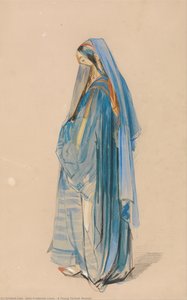
- A Young Turkish Woman (Yale Center for British Art, New Haven) – Otro ejemplo impactante de su obra orientalista.
- Harem Life in Constantinople - Una detallada pintura al óleo que representa la vida doméstica otomana.
Influencias y Estilo Artístico
El estilo de Lewis fue moldeado por varias influencias, siendo las más notables Sir Thomas Lawrence's énfasis en el retrato y la composición. Sin embargo, su observación directa de las culturas del Medio Oriente le permitió desarrollar una estética única caracterizada por:
- Meticuloso Detalle: Un compromiso con la representación precisa de texturas, patrones y elementos arquitectónicos.
- Paleta de Colores Rica: Empleando tonos vibrantes inspirados en los paisajes y los atuendos que encontró.
- Escenas de Género e Interior: Centrándose en la vida cotidiana y los entornos domésticos íntimos.
Legado e Importancia Histórica
La contribución de Lewis al mundo del arte reside en su importante papel en el desarrollo de la pintura orientalista. Sus representaciones meticulosas de la arquitectura islámica, los muebles y los atuendos establecieron nuevos estándares de realismo dentro del género. Ayudó a popularizar una visión romántica pero detallada del Oriente entre el público occidental. Después de regresar a Inglaterra en 1851, continuó pintando hasta su muerte el 15 de agosto de 1876 en Walton-on-Thames.
Su obra continúa siendo estudiada y admirada por su mérito artístico e información histórica sobre las percepciones del Oriente en el siglo XIX.
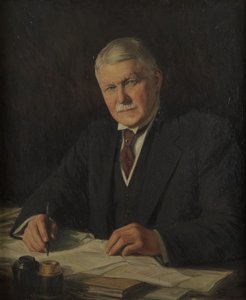
John Frederick Lewis
1804 - 1876 , United Kingdom
Datos clave
- Artistic Movement Or Style: Orientalismo
- Artists Who Influenced This Artist: ['Sir Thomas Lawrence']
- Country: Reino Unido
- Date Of Birth: 14 Jul 1804
- Full Name: John Frederick Lewis
- Nationality: Británico
- Notable Artworks:
- A Bedouin
- El Ramesseum en Tebas
- Una joven mujer turca
- Place Of Birth: Londres
Artículos relacionados

Acuarelas Legendarias: 10 Obras Maestras que Transformaron el Arte | ArtsDot
Descubre 10 acuarelas legendarias de Turner, Monet y Sargent que revolucionaron el arte. Explora la historia, técnica y belleza de estas obras maestras impresionistas y románticas. Reproducciones de museo en ArtsDot.com.
John Frederick Lewis: Orientalism, Detail & Genre Painting in 19th-Century British Art
Explore the captivating Orientalist paintings of John Frederick Lewis! Discover his mastery of detail, genre scenes & influence on 19th-century British art. Learn about his life, techniques & legacy at ArtsDot.

Ephemeral Visions: Exploring the Artistic Legacy & Contemporary Practice of Watercolor Painting
Explore the captivating world of watercolor painting! Discover its rich history, essential techniques, influential artists & collecting tips. A comprehensive guide for art enthusiasts from ArtsDot.

John Singer Sargent: Las 25 Obras Maestras del Retrato y la Belle Époque | ArtsDot
Descubre las 25 obras maestras de John Singer Sargent, el maestro del retrato y la Belle Époque. Explora su técnica impresionista, historias fascinantes y encuentra reproducciones de arte exclusivas para decorar tu hogar con elegancia en ArtsDot.com.

Visiones Efímeras: Historia y Resonancia Emocional de la Pintura Acuarela
Descubre la fascinante historia de la acuarela, desde sus orígenes hasta su expresión contemporánea. Explora técnicas, artistas clave como Paul Klee y encuentra reproducciones de alta calidad en ArtsDot.