 Vista previa
 Compartir
 Compartir
 Ver detalles

 Descargar
 Ver similares
 Radiografía
 Presentación de diapositivas
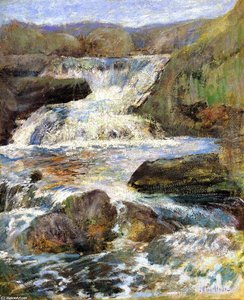
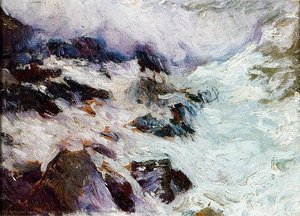
Horseshoe Falls, Niagara


 Leer más
Reproducción al óleo hecha a mano
Óleo sobre lienzo pintado a mano en el tamaño y marco de su elección, realizado por encargo por nuestros artistas. ( Pedir impresión Comprar descarga)




P118B $10

P118H $10

P118W $10

P438Z $10

P508JH $12

P508YH $12

P805H $10

P805Z $10

P919BZ $10

P919G $10

P919XJ $10

P959ZH $10

P968JZ $12

W106C $8

W218G $10

W218JH $8

W218Y $10

W307PJ $10

W316G $10

W316PJ $8

W316Y $10

W398PJ $8

W4111J $10

W500HY $15

W500JH $15

W692G $12

W849H $8

W940BG $15

W953PJ $8




Elija entre nuestros tamaños predefinidos que respetan las proporciones originales de la obra.

Puede ingresar sus propias dimensiones para adaptarse a un marco o espacio específico. Si el tamaño seleccionado no coincide con las proporciones de la imagen original, recortaremos la obra o extenderemos la pintura con elementos adicionales pintados a mano. Se le enviará una maqueta digital para su aprobación antes de comenzar la producción.
Tenga en cuenta que la vista previa en pantalla no refleja el recorte o la extensión reales. Solo la maqueta mostrará con precisión la composición final.
Si bien existen tamaños personalizados, recomendamos seleccionar una dimensión de la lista predefinida para preservar las proporciones originales.
Tras realizar el pedido, el equipo de ArtsDot.com enviará un correo electrónico al cliente para solicitar instrucciones y proporcionarle una vista previa del boceto.
Envío a todo el mundo () en 3-4 semanas en lugar de las 5 semanas estándar. (21 agosto). Sin comprometer la calidad.

Envío exprés gratuito a todo el mundo

Lienzo de lino de alta calidad

Seguro de envío completo

Garantía de reembolso de aranceles aduaneros

Garantía de fidelidad cromática exacta

Política de devolución de 60 días (solo por defectos)

Garantía de devolución del 100% del dinero

Oferta por volumen
 La opción de vidrio solo está disponible en tamaños inferiores a 110 cm.

Horseshoe Falls, Niagara
Técnica de reproducción
Tamaño de la reproducción
-


Precio total
$ 263
Descripción de la obra
A Symphony of Light and Water: John Henry Twachtman’s “Horseshoe Falls”
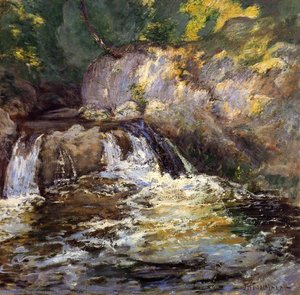
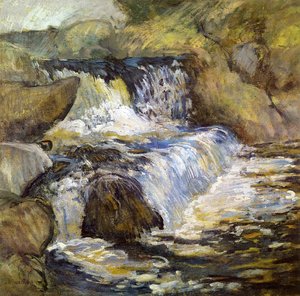
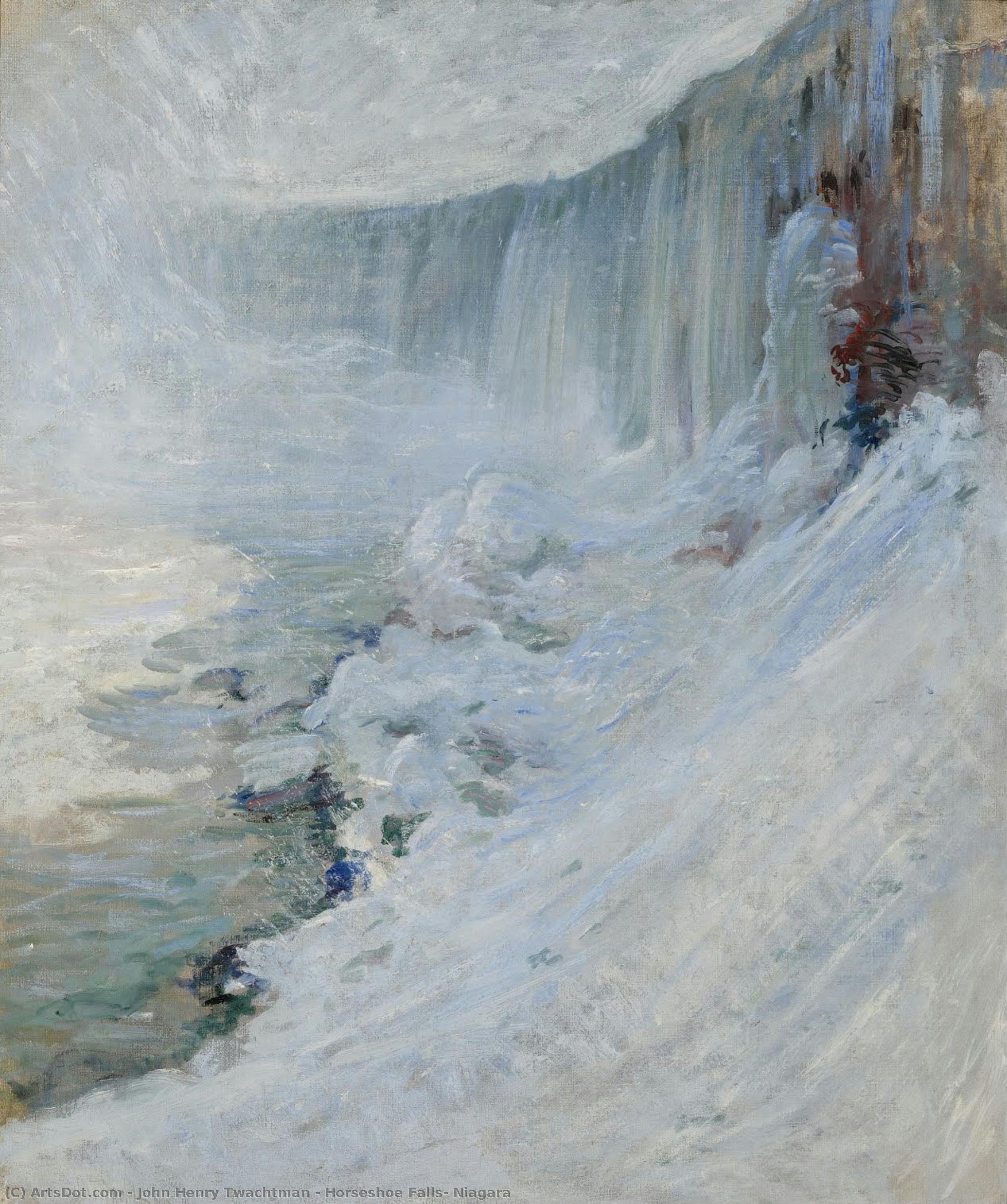
John Henry Twachtman's "Horseshoe Falls, Niagara," painted in 1894, isn’t merely a depiction of a natural wonder; it’s an immersive experience captured on canvas. This iconic work, housed within the Smithsonian American Art Museum, stands as a cornerstone of American Impressionism and a testament to Twachtman's mastery of capturing fleeting moments and atmospheric effects. More than just a landscape, it’s a meditation on the power and beauty of nature, rendered with a delicate yet forceful hand.
Twachtman, a pivotal figure in the late 19th-century art world, initially trained within the more rigid confines of academic painting before embracing a revolutionary approach. Influenced by his time spent studying in Europe – particularly the burgeoning Impressionist movement – he developed a unique style characterized by loose brushstrokes, vibrant color palettes, and an emphasis on capturing light and atmosphere rather than precise detail. “Horseshoe Falls” exemplifies this shift; it’s less about recreating the scene photographically and more about conveying its essence—the roar of the water, the spray carried aloft, and the ethereal quality of the mist.
The Language of Light and Color
The painting's brilliance lies in Twachtman’s masterful manipulation of light. He employs a broken color technique, applying small, distinct brushstrokes of complementary hues to create shimmering reflections on the water’s surface and within the cascading falls. Notice how he uses blues and greens to evoke the coolness of the mist, juxtaposed with warmer yellows and oranges to suggest the sunlight filtering through the spray. This careful orchestration of color isn't simply decorative; it actively contributes to the painting’s sense of movement and dynamism.
The composition itself is carefully considered. The falls dominate the central space, drawing the viewer’s eye into their turbulent depths. Twachtman skillfully uses atmospheric perspective – a technique where distant objects appear paler and less distinct – to create a believable sense of depth and scale. The figures in the foreground, rendered with minimal detail, serve as anchors for the eye, grounding the vastness of the landscape.
A Historical Echo and Symbolism
Painted during a period of rapid industrialization and burgeoning tourism in America, “Horseshoe Falls” reflects both the excitement surrounding this natural spectacle and the growing interest in capturing the beauty of the American wilderness. Niagara Falls had become a symbol of national pride and a popular destination for leisure travelers, inspiring artists like Twachtman to document its grandeur. The inclusion of horses further emphasizes the connection between humanity and nature – suggesting a harmonious relationship with the powerful forces of the landscape.
Beyond its historical context, the painting carries a subtle symbolic weight. Water, in many cultures, represents life, renewal, and transformation. The relentless flow of the falls can be interpreted as a metaphor for the passage of time or the constant cycle of change. The mist itself, often associated with mystery and spirituality, adds an element of enchantment to the scene.
Capturing Emotion: A Timeless Masterpiece
“Horseshoe Falls” is more than just a beautiful landscape; it’s a deeply evocative work that resonates with viewers on an emotional level. Twachtman's ability to capture the feeling of being immersed in this powerful natural environment—the cool spray, the thunderous roar, and the shimmering light—is truly remarkable. It invites us to pause, reflect, and appreciate the sublime beauty of the world around us.
Reproductions of this iconic painting offer a wonderful opportunity to bring its captivating atmosphere into your home or office. Whether you’re an art enthusiast, a collector seeking a piece of American history, or simply someone who appreciates stunning visual artistry, “Horseshoe Falls” remains a timeless masterpiece—a testament to the power and beauty of Impressionism.
Obras relacionadas

Biografía del artista
Primeros años y desarrollo artístico
John Henry Twachtman, pintor estadounidense, nació el 4 de agosto de 1853 en Cincinnati, Ohio. Su viaje artístico comenzó bajo la tutela de Frank Duveneck en su ciudad natal. Esta formación fundamental sentó las bases para sus futuras exploraciones en varios movimientos artísticos.Etapa europea y evolución artística
Entre 1875 y 1877, Twachtman asistió a la Academia de Bellas Artes de Múnich, donde perfeccionó sus habilidades en una técnica sombría y con pinceladas sueltas. Este período se caracterizó por su visita a Venecia con William Merritt Chase, ampliando aún más sus horizontes artísticos. Sus paisajes de esta época reflejan las influencias de su educación europea.Interludio parisino y tonalismo
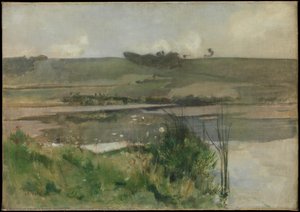
De 1883 a 1885, Twachtman estudió en la Académie Julian en París, lo que cambió significativamente su estilo hacia un enfoque tonalista suave, grisáceo y verdoso. Este período se considera a menudo el apogeo de su carrera, con obras notables como *Arques-la-Bataille* (en la colección del Museo Metropolitano de Arte de Nueva York) y *Primavera* (en la colección del Museo de Arte de Cincinnati).Regreso a América e influencia de Cos Cob
Tras regresar a Estados Unidos, Twachtman se estableció en Connecticut, comprando una granja en Greenwich. Su presencia en la colonia de arte de Cos Cob fue fundamental, impulsando las pasiones creativas de sus amigos y estudiantes con su arte, conversación y enseñanza.Legado y obras destacadas
El trabajo posterior de Twachtman se caracteriza por una técnica impresionista altamente personal, a menudo representando paisajes nevados de su granja y jardín. Su serie de vibrantes escenas en Gloucester, Massachusetts, anticipó un estilo más modernista en el arte americano.- Paisaje 3 (200 x 152 cm, Museo Metropolitano de Arte, Nueva York, tonalismo, óleo)
- El dique holandés (tonalismo, óleo)
- Más obras de John Henry Twachtman
Referencias:
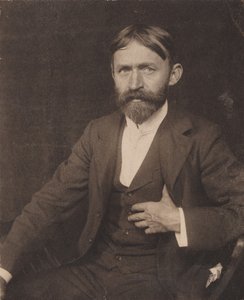
John Henry Twachtman
1853 - 1902 , Estados Unidos de América
Datos clave
- Artistas Que Influyeron:
- Frank Duveneck
- William Merritt Chase
- Fecha De Muerte: 8 de agosto de 1902
- Fecha De Nacimiento: 4 de agosto de 1853
- Influenciado A Artistas:
- Marsden Hartley
- Arthur Dove
- Milton Avery
- Lugar De Nacimiento: Cincinnati, EE. UU.
- Movimiento Artístico: Impresionismo americano, Tonalismo
- Nacionalidad: Estadounidense
- Nombre Completo: John Henry Twachtman
- Obras Notables:
- Paisaje 3
- The Holland Dyke
Artículos relacionados
Acuarelas Legendarias: 10 Obras Maestras que Transformaron el Arte | ArtsDot
Descubre 10 acuarelas legendarias de Turner, Monet y Sargent que revolucionaron el arte. Explora la historia, técnica y belleza de estas obras maestras impresionistas y románticas. Reproducciones de museo en ArtsDot.com.
Ephemeral Visions: Exploring the Artistic Legacy & Contemporary Practice of Watercolor Painting
Explore the captivating world of watercolor painting! Discover its rich history, essential techniques, influential artists & collecting tips. A comprehensive guide for art enthusiasts from ArtsDot.
Visiones Efímeras: Historia y Resonancia Emocional de la Pintura Acuarela
Descubre la fascinante historia de la acuarela, desde sus orígenes hasta su expresión contemporánea. Explora técnicas, artistas clave como Paul Klee y encuentra reproducciones de alta calidad en ArtsDot.

Ephemeral Visions: Exploring the Artistic Legacy & Nuances of Watercolor Painting
Explore the captivating world of watercolor painting! Discover its rich history, essential techniques, influential artists & collecting tips from art experts. A comprehensive guide for enthusiasts.

Evocations of Place: A Historical Journey Through Landscape Art
Explore the rich history of landscape art with ArtsDot. Discover renowned artists, movements like Impressionism & Romanticism, and expert guidance for collecting timeless pieces. Find your perfect serene escape today!