 Ver en contexto
 Enviar
 Compartir
 Detalles

 Descargar
 Similares
 Radiografía
 Presentación de diapositivas
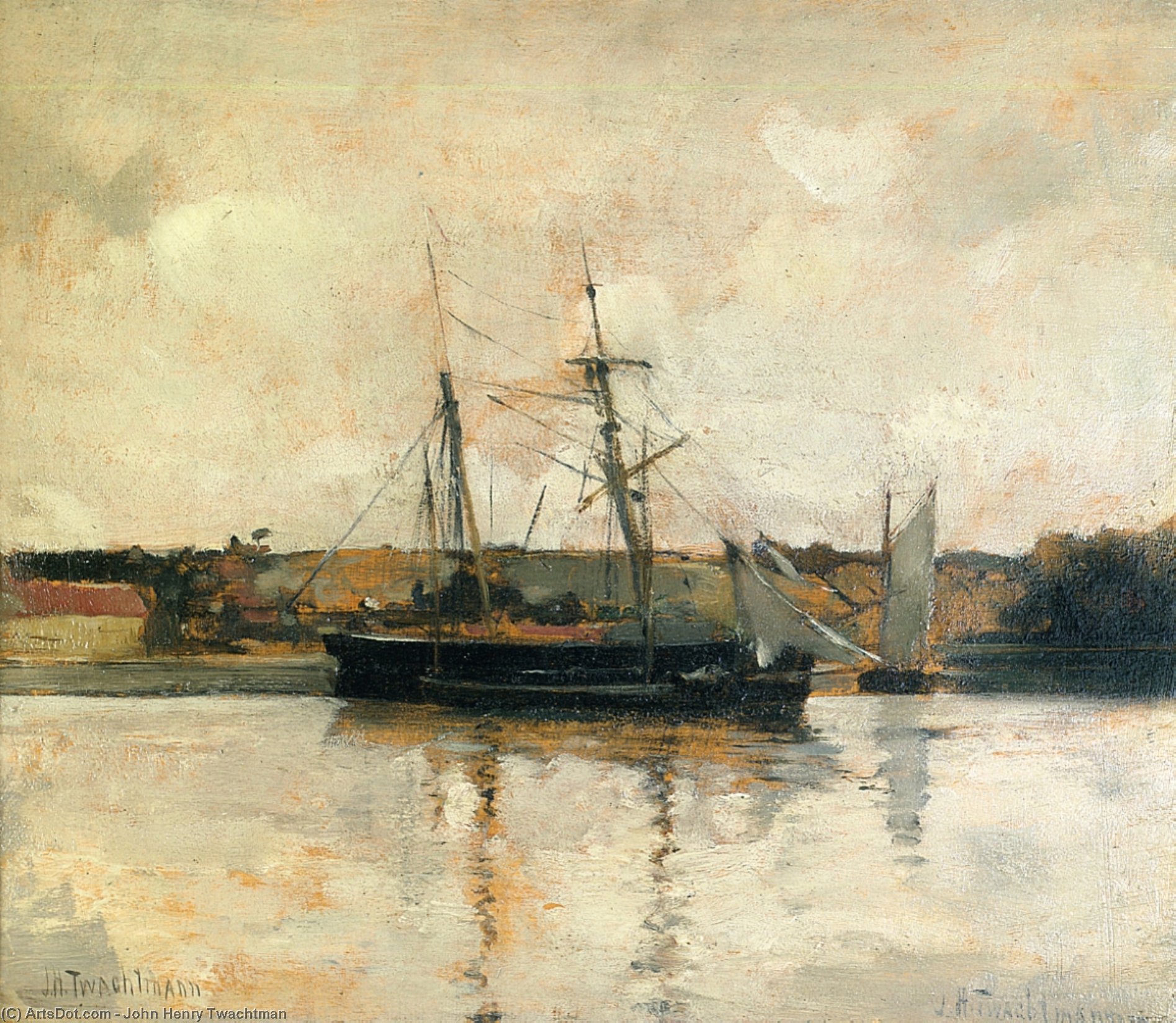
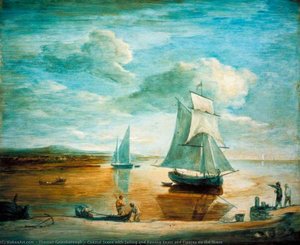
Sailing Boats, Dieppe Harbor
 Oil On Panel
- Impressionism
 1885
1885- 19th Century
 34.0 x 39.0 cm
 Ver más
Reproducción al óleo hecha a mano
Óleo sobre lienzo pintado a mano en el tamaño y marco de su elección, realizado por encargo por nuestros artistas. ( Comprar impresión Comprar imagen)




P118B $10

P118H $10

P118W $10

P438Z $10

P508JH $12

P508YH $12

P805H $10

P805Z $10

P919BZ $10

P919G $10

P919XJ $10

P959ZH $10

P968JZ $12

W106C $8

W218G $10

W218JH $8

W218Y $10

W307PJ $10

W316G $10

W316PJ $8

W316Y $10

W398PJ $8

W4111J $10

W500HY $15

W500JH $15

W692G $12

W849H $8

W940BG $15

W953PJ $8




Elija entre nuestros tamaños predefinidos que respetan las proporciones originales de la obra.

Puede ingresar sus propias dimensiones para adaptarse a un marco o espacio específico. Si el tamaño seleccionado no coincide con las proporciones de la imagen original, recortaremos la obra o extenderemos la pintura con elementos adicionales pintados a mano. Se le enviará una maqueta digital para su aprobación antes de comenzar la producción.
Tenga en cuenta que la vista previa en pantalla no refleja el recorte o la extensión reales. Solo la maqueta mostrará con precisión la composición final.
Si bien existen tamaños personalizados, recomendamos seleccionar una dimensión de la lista predefinida para preservar las proporciones originales.
Tras realizar el pedido, el equipo de ArtsDot.com enviará un correo electrónico al cliente para solicitar instrucciones y proporcionarle una vista previa del boceto.
Envío a todo el mundo () en 3-4 semanas en lugar de las 5 semanas estándar. (24 agosto). Sin comprometer la calidad.

Envío exprés gratuito a todo el mundo

Lienzo de lino de alta calidad

Seguro de envío total

Garantía de reembolso de impuestos aduaneros

Garantía de fidelidad cromática exacta

Política de devolución de 60 días (solo por defectos)

Garantía de devolución del 100% del dinero

Descuento por cantidad
 La opción de vidrio solo está disponible en tamaños inferiores a 110 cm.

Sailing Boats, Dieppe Harbor
Técnica de reproducción
Dimensiones de la reproducción
-


Precio total final
$ 263
Descripción de la obra
The Serenity of the Harbor: Capturing Light in Dieppe
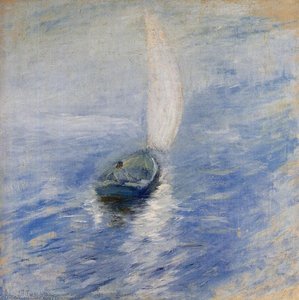
To gaze upon John Henry Twachtman's Sailing Boats, Dieppe Harbor is to be instantly transported to a moment suspended in time—a breath drawn on a gentle coastal breeze. This exquisite Impressionist masterpiece, painted in 1885, does more than merely depict boats; it captures the very essence of light interacting with water and canvas. The scene unfolds with remarkable tranquility, centering around two substantial sailing vessels, one anchoring the left quadrant and another drawing the eye toward the right. Scattered amongst them are smaller craft, their presence adding depth and a gentle rhythm to the composition. At the heart of this peaceful tableau, a solitary figure observes the scene, lending an intimate, human scale to the vastness of the harbor.
A Masterclass in Impressionist Technique
Twachtman’s handling of paint here is nothing short of masterful. His signature soft brushstrokes are evident throughout, allowing the viewer's eye to wander across surfaces that seem both solid and ephemeral. The artist was deeply influenced by the Impressionists' quest to record fleeting visual moments, and in this work, that pursuit culminates in a vivid celebration of color. Observe how the light plays upon the water; it is not rendered as a flat surface but as a shimmering tapestry of reflected hues. This technical brilliance, combined with the rich depth achieved through oil paint on panel, gives the entire scene an almost palpable sense of atmosphere. The careful rendering of the sails and the subtle interplay between the calm waters and the gentle breezes speaks to an artist who observed not just what he saw, but how light behaved in that specific moment.
Historical Echoes and American Impressionism
Painted during a pivotal time in art history, Sailing Boats, Dieppe Harbor stands as a testament to the rise of American Impressionism. Twachtman, a pioneer from Cincinnati, brought European artistic sensibilities back to the burgeoning American scene. His work reflects a dedication to direct observation—a move away from rigid academic structures toward capturing life as it truly appeared. The subject matter itself, the bustling yet peaceful harbor life at Dieppe, grounds the lofty artistic ambition in tangible reality. It is a dialogue between the grand movement of art history and the quiet dignity of everyday maritime life.
Symbolism and Emotional Resonance for the Modern Collector
Beyond its technical merits, this painting resonates with deep emotional chords. The harbor itself often symbolizes transition, journey, and homecoming. The boats, poised on calm waters, suggest a moment of perfect repose—a pause in the ceaseless flow of life. For the collector or designer seeking to infuse a space with artistry, this piece offers an immediate sense of balm. It whispers of quiet mornings, distant horizons, and the restorative power of nature. Owning a reproduction allows one to invite that same feeling of serene escape into your own home or gallery, making it not just decoration, but a contemplative focal point.
Acquiring a Piece of Coastal History
The enduring appeal of Sailing Boats, Dieppe Harbor lies in its perfect marriage of technical virtuosity and profound calm. Whether you are curating a gallery wall or seeking the perfect accent piece for a sunlit drawing-room, this artwork promises depth and conversation. The availability of high-quality, hand-painted reproductions ensures that art lovers can own a tangible connection to John Henry Twachtman's vision—a timeless echo of light captured forever on panel.
Obras relacionadas

Biografía del artista
Primeros años y desarrollo artístico
John Henry Twachtman, pintor estadounidense, nació el 4 de agosto de 1853 en Cincinnati, Ohio. Su viaje artístico comenzó bajo la tutela de Frank Duveneck en su ciudad natal. Esta formación fundamental sentó las bases para sus futuras exploraciones en varios movimientos artísticos.Etapa europea y evolución artística
Entre 1875 y 1877, Twachtman asistió a la Academia de Bellas Artes de Múnich, donde perfeccionó sus habilidades en una técnica sombría y con pinceladas sueltas. Este período se caracterizó por su visita a Venecia con William Merritt Chase, ampliando aún más sus horizontes artísticos. Sus paisajes de esta época reflejan las influencias de su educación europea.Interludio parisino y tonalismo
De 1883 a 1885, Twachtman estudió en la Académie Julian en París, lo que cambió significativamente su estilo hacia un enfoque tonalista suave, grisáceo y verdoso. Este período se considera a menudo el apogeo de su carrera, con obras notables como *Arques-la-Bataille* (en la colección del Museo Metropolitano de Arte de Nueva York) y *Primavera* (en la colección del Museo de Arte de Cincinnati).Regreso a América e influencia de Cos Cob
Tras regresar a Estados Unidos, Twachtman se estableció en Connecticut, comprando una granja en Greenwich. Su presencia en la colonia de arte de Cos Cob fue fundamental, impulsando las pasiones creativas de sus amigos y estudiantes con su arte, conversación y enseñanza.Legado y obras destacadas
El trabajo posterior de Twachtman se caracteriza por una técnica impresionista altamente personal, a menudo representando paisajes nevados de su granja y jardín. Su serie de vibrantes escenas en Gloucester, Massachusetts, anticipó un estilo más modernista en el arte americano.- Paisaje 3 (200 x 152 cm, Museo Metropolitano de Arte, Nueva York, tonalismo, óleo)
- El dique holandés (tonalismo, óleo)
- Más obras de John Henry Twachtman
Referencias:
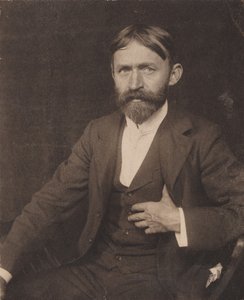
John Henry Twachtman
1853 - 1902 , Estados Unidos de América
Datos clave
- Artistas Que Influyeron:
- Frank Duveneck
- William Merritt Chase
- Fecha De Muerte: 8 de agosto de 1902
- Fecha De Nacimiento: 4 de agosto de 1853
- Influenciado A Artistas:
- Marsden Hartley
- Arthur Dove
- Milton Avery
- Lugar De Nacimiento: Cincinnati, EE. UU.
- Movimiento Artístico: Impresionismo americano, Tonalismo
- Nacionalidad: Estadounidense
- Nombre Completo: John Henry Twachtman
- Obras Notables:
- Paisaje 3
- The Holland Dyke
Artículos relacionados
Barcos en el Arte: 10 Obras Maestras para Inspirar tu Decoración
Descubre 10 obras maestras que capturan la belleza y el simbolismo de los barcos. Desde Monet hasta Van Gogh, explora la historia del arte marítimo e inspira tu decoración con reproducciones de museo en ArtsDot.com.

The Enduring Legacy of Oil on Canvas: Technique, History & Aesthetic Impact
Explore the rich history & techniques of oil painting – from Renaissance masters to Impressionism. Discover pigments, layering methods, and why this timeless medium endures. Expert insights for artists & art enthusiasts.

El Óleo sobre Lienzo: Historia, Técnica y la Persistencia de un Medio Artístico Atemporal
Descubre la historia y técnica del óleo sobre lienzo. Explora reproducciones fieles hechas a mano, personalización artística y consejos de expertos con ArtsDot. ¡Colecciona arte con confianza!

The Enduring Power of Painting: A Historical & Contemporary Exploration of Form and Emotion
Explore the rich history & enduring techniques of oil painting with ArtsDot. Discover masterpieces, learn about art collecting, and find authentic handmade reproductions crafted by skilled artists.
Navigating Symbolism & Sentiment: A Comprehensive Exploration of Boats in Art History
Explore the rich history of boats in art! Discover symbolism & style from ancient myths to Impressionist masterpieces. Expert insights for collectors at ArtsDot.