 Vista previa
 Compartir
 Compartir
 Ver detalles

 Descargar
 Ver similares
 Radiografía
 Presentación de diapositivas
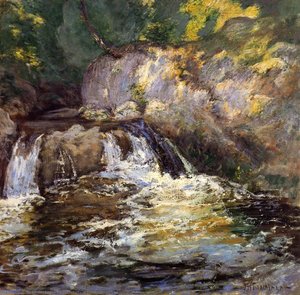
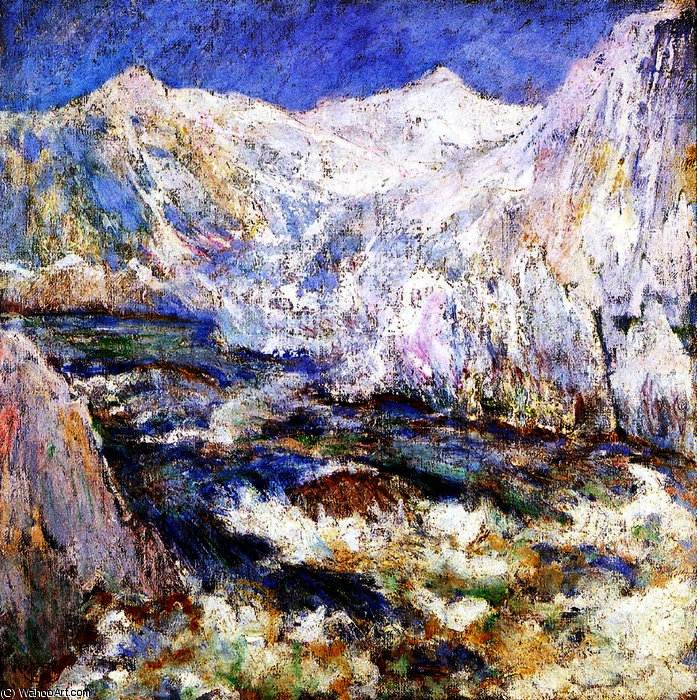
The Rapids, Yellowstone


 Leer más
Reproducción al óleo hecha a mano
Óleo sobre lienzo pintado a mano en el tamaño y marco de su elección, realizado por encargo por nuestros artistas. ( Pedir impresión Comprar descarga)




P118B $10

P118H $10

P118W $10

P438Z $10

P508JH $12

P508YH $12

P805H $10

P805Z $10

P919BZ $10

P919G $10

P919XJ $10

P959ZH $10

P968JZ $12

W106C $8

W218G $10

W218JH $8

W218Y $10

W307PJ $10

W316G $10

W316PJ $8

W316Y $10

W398PJ $8

W4111J $10

W500HY $15

W500JH $15

W692G $12

W849H $8

W940BG $15

W953PJ $8




Elija entre nuestros tamaños predefinidos que respetan las proporciones originales de la obra.

Puede ingresar sus propias dimensiones para adaptarse a un marco o espacio específico. Si el tamaño seleccionado no coincide con las proporciones de la imagen original, recortaremos la obra o extenderemos la pintura con elementos adicionales pintados a mano. Se le enviará una maqueta digital para su aprobación antes de comenzar la producción.
Tenga en cuenta que la vista previa en pantalla no refleja el recorte o la extensión reales. Solo la maqueta mostrará con precisión la composición final.
Si bien existen tamaños personalizados, recomendamos seleccionar una dimensión de la lista predefinida para preservar las proporciones originales.
Tras realizar el pedido, el equipo de ArtsDot.com enviará un correo electrónico al cliente para solicitar instrucciones y proporcionarle una vista previa del boceto.
Envío a todo el mundo () en 3-4 semanas en lugar de las 5 semanas estándar. (19 agosto). Sin comprometer la calidad.

Envío exprés gratuito a todo el mundo

Lienzo de lino de alta calidad

Seguro de envío completo

Garantía de reembolso de aranceles aduaneros

Garantía de fidelidad cromática exacta

Política de devolución de 60 días (solo por defectos)

Garantía de devolución del 100% del dinero

Oferta por volumen
 La opción de vidrio solo está disponible en tamaños inferiores a 110 cm.

The Rapids, Yellowstone
Técnica de reproducción
Tamaño de la reproducción
-


Precio total
$ 263
Descripción de la obra
A Symphony of Light and Stone: Exploring John Henry Twachtman’s “The Rapids, Yellowstone”
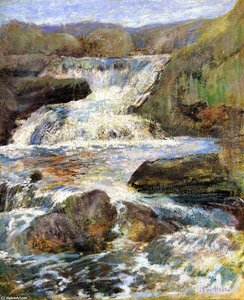
John Henry Twachtman's "The Rapids, Yellowstone," painted in 1895, stands as a cornerstone of American Impressionism—a movement that irrevocably altered the course of artistic expression at the cusp of the 20th century. More than just a depiction of a breathtaking landscape, this canvas embodies the spirit of its time, reflecting a burgeoning fascination with capturing fleeting moments and prioritizing sensory experience over meticulous realism. Examining Twachtman’s masterful technique reveals not only his artistic prowess but also illuminates the broader intellectual currents shaping the visual arts during the Belle Époque.The Impressionist Vision: Capturing Atmosphere Above Detail
Twachtman's stylistic approach firmly aligns with the tenets of Impressionism, championed by artists like Claude Monet and Pierre-Auguste Renoir. Rejecting academic conventions that demanded precise representation, Twachtman prioritized conveying the atmosphere—the subtle interplay of light and color—that defines a particular scene. This is achieved through loose brushstrokes – visible yet blended – creating an illusion of movement and suggesting the dynamism of the Yellowstone River’s rapids. The artist eschewed sharp outlines, favoring soft edges that dissolve forms into luminous patches of pigment. This deliberate blurring of boundaries wasn't merely stylistic choice; it was a conscious effort to emulate how the human eye perceives reality—a process influenced by optical phenomena like diffraction and interference.Technical Brilliance: Texture and Color Palette
The painting’s surface is characterized by thick impasto – heavily textured paint applied with visible brushstrokes – particularly prominent in the mountainous backdrop. This technique lends a palpable sense of physicality to the artwork, mirroring the rugged grandeur of Yellowstone National Park itself. Twachtman skillfully utilized a vibrant color palette dominated by blues and greens, reflecting the dominant hues of the river and surrounding foliage. However, he didn’t simply reproduce what he saw; rather, he manipulated color to heighten emotional impact. Warm yellows and oranges punctuate the cooler tones, simulating the radiant sunlight filtering through the mountains—a deliberate gesture intended to evoke feelings of warmth, serenity, and awe. Careful observation of light – a hallmark of Impressionist practice – informs every shade and tone, resulting in an image that vibrates with luminosity.Historical Context: Yellowstone’s Emergence as National Icon
“The Rapids, Yellowstone” was created during a period of significant geological discovery and national pride. The establishment of Yellowstone National Park in 1872 marked a pivotal moment in American history—a concerted effort to preserve wilderness landscapes for posterity. Artists like Twachtman responded to this burgeoning appreciation for the natural world by portraying iconic vistas with unprecedented sensitivity and artistic innovation. This painting exemplifies the Romantic ideal of sublime beauty – confronting viewers with the immensity and power of nature while simultaneously inspiring contemplation and wonder. It speaks to a broader cultural preoccupation with exploring uncharted territories, both physical and intellectual.Symbolism Beyond Representation: Emotion and Perception
Beyond its technical merits, “The Rapids, Yellowstone” carries symbolic weight. The turbulent river represents dynamism and change—themes central to the anxieties and aspirations of the era. Simultaneously, the towering mountains symbolize stability and permanence—a counterpoint to the fleeting nature of human experience. By immersing himself in the landscape, Twachtman sought not merely to depict what he saw but also to convey his own emotional response – a profound admiration for the sublime beauty of Yellowstone’s wilderness. This artistic endeavor underscores Impressionism's commitment to capturing subjective perception alongside objective observation—a legacy that continues to resonate with artists and audiences alike.Obras relacionadas

Biografía del artista
Primeros años y desarrollo artístico
John Henry Twachtman, pintor estadounidense, nació el 4 de agosto de 1853 en Cincinnati, Ohio. Su viaje artístico comenzó bajo la tutela de Frank Duveneck en su ciudad natal. Esta formación fundamental sentó las bases para sus futuras exploraciones en varios movimientos artísticos.Etapa europea y evolución artística
Entre 1875 y 1877, Twachtman asistió a la Academia de Bellas Artes de Múnich, donde perfeccionó sus habilidades en una técnica sombría y con pinceladas sueltas. Este período se caracterizó por su visita a Venecia con William Merritt Chase, ampliando aún más sus horizontes artísticos. Sus paisajes de esta época reflejan las influencias de su educación europea.Interludio parisino y tonalismo
De 1883 a 1885, Twachtman estudió en la Académie Julian en París, lo que cambió significativamente su estilo hacia un enfoque tonalista suave, grisáceo y verdoso. Este período se considera a menudo el apogeo de su carrera, con obras notables como *Arques-la-Bataille* (en la colección del Museo Metropolitano de Arte de Nueva York) y *Primavera* (en la colección del Museo de Arte de Cincinnati).Regreso a América e influencia de Cos Cob
Tras regresar a Estados Unidos, Twachtman se estableció en Connecticut, comprando una granja en Greenwich. Su presencia en la colonia de arte de Cos Cob fue fundamental, impulsando las pasiones creativas de sus amigos y estudiantes con su arte, conversación y enseñanza.Legado y obras destacadas
El trabajo posterior de Twachtman se caracteriza por una técnica impresionista altamente personal, a menudo representando paisajes nevados de su granja y jardín. Su serie de vibrantes escenas en Gloucester, Massachusetts, anticipó un estilo más modernista en el arte americano.- Paisaje 3 (200 x 152 cm, Museo Metropolitano de Arte, Nueva York, tonalismo, óleo)
- El dique holandés (tonalismo, óleo)
- Más obras de John Henry Twachtman
Referencias:
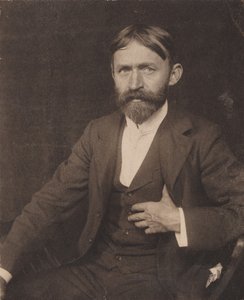
John Henry Twachtman
1853 - 1902 , Estados Unidos de América
Datos clave
- Artistas Que Influyeron:
- Frank Duveneck
- William Merritt Chase
- Fecha De Muerte: 8 de agosto de 1902
- Fecha De Nacimiento: 4 de agosto de 1853
- Influenciado A Artistas:
- Marsden Hartley
- Arthur Dove
- Milton Avery
- Lugar De Nacimiento: Cincinnati, EE. UU.
- Movimiento Artístico: Impresionismo americano, Tonalismo
- Nacionalidad: Estadounidense
- Nombre Completo: John Henry Twachtman
- Obras Notables:
- Paisaje 3
- The Holland Dyke
Artículos relacionados
Frederick Childe Hassam: American Impressionism's Chronicler of Light & Modern Life
Explore the captivating world of Frederick Childe Hassam, a pioneer of American Impressionism. Discover his iconic paintings capturing light, urban life & coastal beauty. Learn about his legacy and influence on American art history.
Capturando la Luz de una Nación: Explorando el Movimiento Impresionista Americano
Descubre el fascinante mundo del Impresionismo Americano. Explora a sus maestros, técnicas innovadoras y su legado perdurable. ¡Encuentra reproducciones de arte exclusivas en ArtsDot!
Lilla Cabot Perry: Pioneering American Impressionism & Society Portraiture
Discover Lilla Cabot Perry (1848-1933), a pioneering American Impressionist painter. Explore her captivating portraits of Boston society, Monet's influence, and lasting legacy in art history. Learn more at ArtsDot.
Grant Wood & American Regionalism: Identity, Myth & the Rural Landscape
Explore the world of Grant Wood & American Regionalism with ArtsDot. Discover the symbolism behind 'American Gothic', recurring themes, and the movement's lasting impact on art history. High-quality reproductions available.
Ernest Lawson: A Pioneer of American Impressionism & His Vision of the Rural Landscape
Explore the life & art of Ernest Lawson, a pivotal figure in American Impressionism. Discover his evocative landscapes, influences, and lasting legacy with ArtsDot.