 Vista previa
 Compartir
 Compartir
 Ver detalles

 Descargar
 Ver similares
 Radiografía
 Presentación de diapositivas
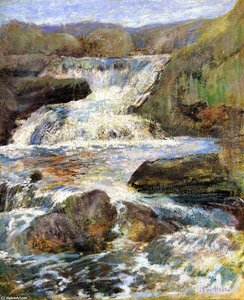
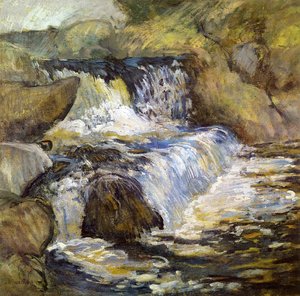
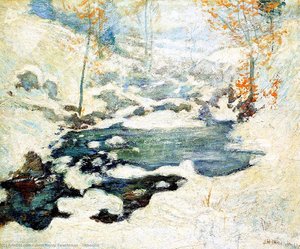
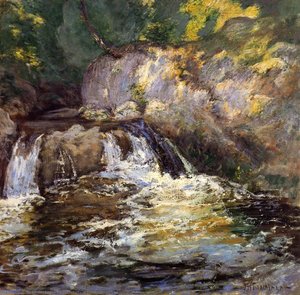
The Waterfall


 Leer más
Reproducción al óleo hecha a mano
Óleo sobre lienzo pintado a mano en el tamaño y marco de su elección, realizado por encargo por nuestros artistas. ( Pedir impresión Comprar descarga)




P118B $10

P118H $10

P118W $10

P438Z $10

P508JH $12

P508YH $12

P805H $10

P805Z $10

P919BZ $10

P919G $10

P919XJ $10

P959ZH $10

P968JZ $12

W106C $8

W218G $10

W218JH $8

W218Y $10

W307PJ $10

W316G $10

W316PJ $8

W316Y $10

W398PJ $8

W4111J $10

W500HY $15

W500JH $15

W692G $12

W849H $8

W940BG $15

W953PJ $8




Elija entre nuestros tamaños predefinidos que respetan las proporciones originales de la obra.

Puede ingresar sus propias dimensiones para adaptarse a un marco o espacio específico. Si el tamaño seleccionado no coincide con las proporciones de la imagen original, recortaremos la obra o extenderemos la pintura con elementos adicionales pintados a mano. Se le enviará una maqueta digital para su aprobación antes de comenzar la producción.
Tenga en cuenta que la vista previa en pantalla no refleja el recorte o la extensión reales. Solo la maqueta mostrará con precisión la composición final.
Si bien existen tamaños personalizados, recomendamos seleccionar una dimensión de la lista predefinida para preservar las proporciones originales.
Tras realizar el pedido, el equipo de ArtsDot.com enviará un correo electrónico al cliente para solicitar instrucciones y proporcionarle una vista previa del boceto.
Envío a todo el mundo () en 3-4 semanas en lugar de las 5 semanas estándar. (19 agosto). Sin comprometer la calidad.

Envío exprés gratuito a todo el mundo

Lienzo de lino de alta calidad

Seguro de envío completo

Garantía de reembolso de aranceles aduaneros

Garantía de fidelidad cromática exacta

Política de devolución de 60 días (solo por defectos)

Garantía de devolución del 100% del dinero

Oferta por volumen
 La opción de vidrio solo está disponible en tamaños inferiores a 110 cm.

The Waterfall
Técnica de reproducción
Tamaño de la reproducción
-


Precio total
$ 263
Descripción de la obra
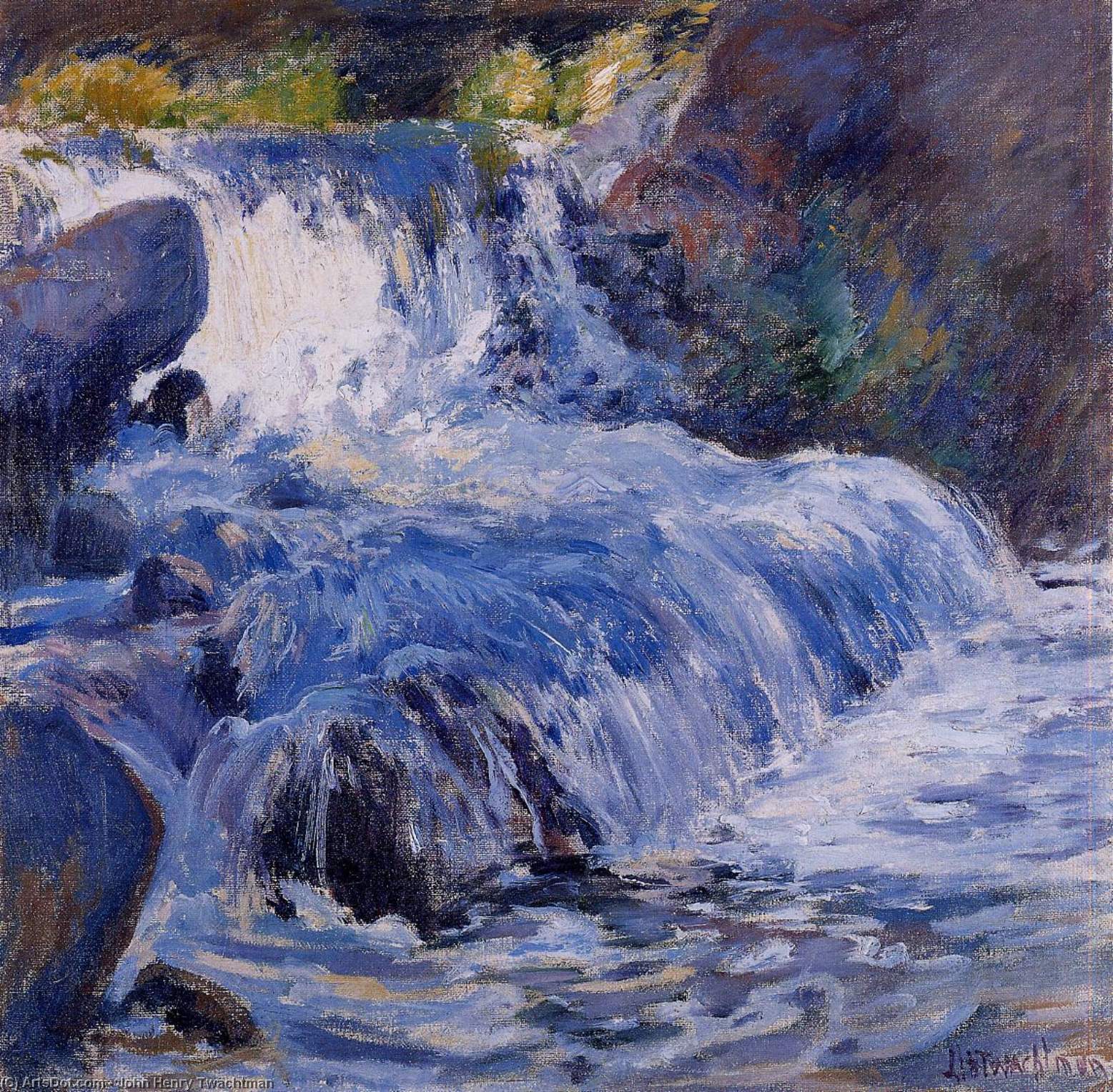
A Symphony of Light and Stone: Exploring John Henry Twachtman’s “The Waterfall”
John Henry Twachtman's "The Waterfall," completed in 1895, transcends mere depiction; it embodies the very spirit of Impressionism—a movement dedicated to capturing fleeting moments of beauty and emotion through vibrant color palettes and atmospheric effects. More than just a landscape painting, this artwork serves as a testament to Twachtman’s profound connection with nature and his masterful ability to translate visual sensations into enduring artistic expression. Located in The Worcester Art Museum, it stands as one of the artist's most celebrated achievements, attracting admirers who appreciate its nuanced portrayal of natural grandeur.Composition and Technique: Mastering Impressionistic Illusion
The painting immediately draws the eye to a dramatic waterfall cascading down rugged rocks. Twachtman skillfully employs light and shadow—a cornerstone of Impressionist technique—to create compelling contrasts that illuminate the scene’s textures and hues. Thick, visible brushstrokes contribute to the palpable sense of movement, conveying the forceful rush of water against the solidity of stone. The artist meticulously observed the interplay between sunlight and shade, prioritizing color over precise realism. Dominant shades of brown and green dominate the rocky terrain, providing a grounding counterpoint to the brilliant blues of the waterfall itself—a hue achieved through layering translucent glazes that capture the ethereal quality of light reflecting off the water’s surface.Historical Context: Embracing Naturalism Amidst Artistic Innovation
Twachtman's work emerged during a period of significant artistic experimentation in America, as Impressionists wrestled with established academic conventions. Unlike traditional landscapes that aimed for idealized representations, Twachtman sought to convey the immediacy and sensory experience of observing nature—a bold departure from prevailing artistic sensibilities. The influence of Claude Monet and Eugène Boudin is palpable; both artists championed similar approaches to capturing atmospheric conditions and prioritizing color perception. This dedication to naturalism aligns perfectly with the broader intellectual currents of the time, reflecting a growing fascination with scientific observation and a desire to represent the world as it truly appears.Symbolic Resonance: Beyond Mere Visual Beauty
“The Waterfall” isn’t simply aesthetically pleasing; it carries symbolic weight. Water has long been associated with purification, renewal, and transformation—themes frequently explored in Impressionist art. The waterfall's relentless descent embodies unstoppable force yet simultaneously evokes tranquility and serenity. Its shimmering surface reflects the surrounding foliage, symbolizing interconnectedness between humanity and the natural world. Furthermore, Twachtman’s deliberate use of color – particularly the blues – speaks to a deeper appreciation for the sublime—the awe-inspiring grandeur of nature that transcends rational comprehension.Emotional Impact: Capturing Transient Moments
Ultimately, “The Waterfall” succeeds in transporting viewers to a place of profound contemplation. The painting's luminous palette and dynamic brushwork stimulate the senses, inviting us to immerse ourselves in the beauty of the natural landscape. Like Monet’s paintings of Rouen Cathedral, Twachtman strives to capture not just what he sees but how it *feels*. It is this ability to evoke emotion—to convey a sense of wonder and reverence for the sublime—that secures “The Waterfall”'s place as an enduring masterpiece of Impressionist art and a captivating subject for high-quality reproductions.Obras relacionadas
Biografía del artista
Primeros años y desarrollo artístico
John Henry Twachtman, pintor estadounidense, nació el 4 de agosto de 1853 en Cincinnati, Ohio. Su viaje artístico comenzó bajo la tutela de Frank Duveneck en su ciudad natal. Esta formación fundamental sentó las bases para sus futuras exploraciones en varios movimientos artísticos.Etapa europea y evolución artística
Entre 1875 y 1877, Twachtman asistió a la Academia de Bellas Artes de Múnich, donde perfeccionó sus habilidades en una técnica sombría y con pinceladas sueltas. Este período se caracterizó por su visita a Venecia con William Merritt Chase, ampliando aún más sus horizontes artísticos. Sus paisajes de esta época reflejan las influencias de su educación europea.Interludio parisino y tonalismo
De 1883 a 1885, Twachtman estudió en la Académie Julian en París, lo que cambió significativamente su estilo hacia un enfoque tonalista suave, grisáceo y verdoso. Este período se considera a menudo el apogeo de su carrera, con obras notables como *Arques-la-Bataille* (en la colección del Museo Metropolitano de Arte de Nueva York) y *Primavera* (en la colección del Museo de Arte de Cincinnati).Regreso a América e influencia de Cos Cob
Tras regresar a Estados Unidos, Twachtman se estableció en Connecticut, comprando una granja en Greenwich. Su presencia en la colonia de arte de Cos Cob fue fundamental, impulsando las pasiones creativas de sus amigos y estudiantes con su arte, conversación y enseñanza.Legado y obras destacadas
El trabajo posterior de Twachtman se caracteriza por una técnica impresionista altamente personal, a menudo representando paisajes nevados de su granja y jardín. Su serie de vibrantes escenas en Gloucester, Massachusetts, anticipó un estilo más modernista en el arte americano.- Paisaje 3 (200 x 152 cm, Museo Metropolitano de Arte, Nueva York, tonalismo, óleo)
- El dique holandés (tonalismo, óleo)
- Más obras de John Henry Twachtman
Referencias:
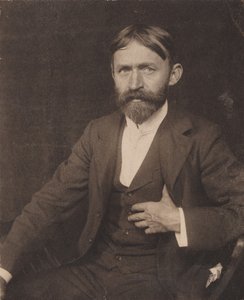
John Henry Twachtman
1853 - 1902 , Estados Unidos de América
Datos clave
- Artistas Que Influyeron:
- Frank Duveneck
- William Merritt Chase
- Fecha De Muerte: 8 de agosto de 1902
- Fecha De Nacimiento: 4 de agosto de 1853
- Influenciado A Artistas:
- Marsden Hartley
- Arthur Dove
- Milton Avery
- Lugar De Nacimiento: Cincinnati, EE. UU.
- Movimiento Artístico: Impresionismo americano, Tonalismo
- Nacionalidad: Estadounidense
- Nombre Completo: John Henry Twachtman
- Obras Notables:
- Paisaje 3
- The Holland Dyke
Artículos relacionados

John Constable: Las 25 Obras Maestras del Paisaje Inglés | ArtsDot
Descubre las 25 obras maestras de John Constable, el pintor romántico inglés que capturó la belleza del paisaje. Explora su técnica, historia y significado en ArtsDot.com. Reproducciones de arte de alta calidad para tu hogar.
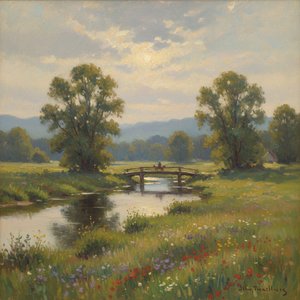
John Henry Twachtman: Atmospheric Impressionism & the American Landscape
Explore the captivating landscapes of John Henry Twachtman, a pivotal American Impressionist & Tonalist painter. Discover his artistic evolution, key works, and lasting influence on early 20th-century art.

Henri Matisse: Las 25 Obras Maestras que Definieron un Genio del Color | ArtsDot
Descubre las 25 obras maestras de Henri Matisse, el rey del color y padre del fauvismo. Explora su arte moderno, lienzos vibrantes y la historia detrás de cada pintura icónica. Encuentra reproducciones de alta calidad en ArtsDot.com.
John Singer Sargent: Las 25 Obras Maestras del Retrato y la Belle Époque | ArtsDot
Descubre las 25 obras maestras de John Singer Sargent, el maestro del retrato y la Belle Époque. Explora su técnica impresionista, historias fascinantes y encuentra reproducciones de arte exclusivas para decorar tu hogar con elegancia en ArtsDot.com.

Los 10 Paisajes Más Icónicos de la Historia del Arte | ArtsDot
Descubre los 10 paisajes más emblemáticos de la historia del arte, desde Monet a Van Gogh. Explora su significado, técnica y belleza atemporal. Encuentra reproducciones de alta calidad e inspira tu hogar con ArtsDot.com.