 Ver en contexto
 Enviar
 Compartir
 Detalles

 Descargar
 Similares
 Radiografía
 Presentación de diapositivas
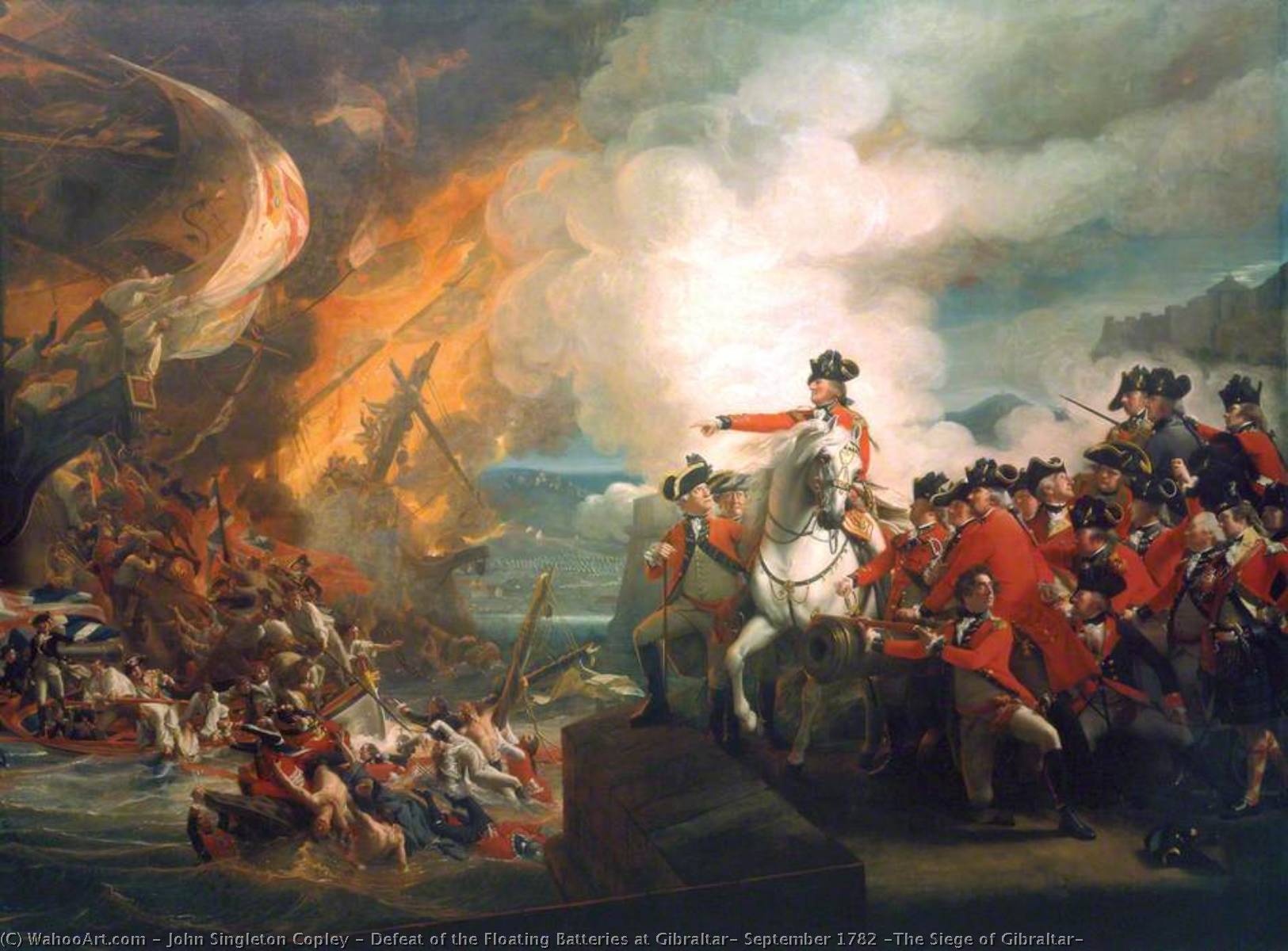
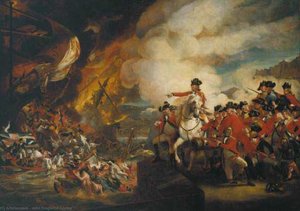
Defeat of the Floating Batteries at Gibraltar, September 1782 (The Siege of Gibraltar)
 Óleo sobre lienzo
- Arte de pared
- Neoclassical Realism
 1791
1791 544.0 x 754.0 cm
 Galería de la Casa del Gremio
 Ver más
Reproducción al óleo hecha a mano
Óleo sobre lienzo pintado a mano en el tamaño y marco de su elección, realizado por encargo por nuestros artistas. ( Comprar impresión Comprar imagen)




P118B $10

P118H $10

P118W $10

P438Z $10

P508JH $12

P508YH $12

P805H $10

P805Z $10

P919BZ $10

P919G $10

P919XJ $10

P959ZH $10

P968JZ $12

W106C $8

W218G $10

W218JH $8

W218Y $10

W307PJ $10

W316G $10

W316PJ $8

W316Y $10

W398PJ $8

W4111J $10

W500HY $15

W500JH $15

W692G $12

W849H $8

W940BG $15

W953PJ $8




Elija entre nuestros tamaños predefinidos que respetan las proporciones originales de la obra.

Puede ingresar sus propias dimensiones para adaptarse a un marco o espacio específico. Si el tamaño seleccionado no coincide con las proporciones de la imagen original, recortaremos la obra o extenderemos la pintura con elementos adicionales pintados a mano. Se le enviará una maqueta digital para su aprobación antes de comenzar la producción.
Tenga en cuenta que la vista previa en pantalla no refleja el recorte o la extensión reales. Solo la maqueta mostrará con precisión la composición final.
Si bien existen tamaños personalizados, recomendamos seleccionar una dimensión de la lista predefinida para preservar las proporciones originales.
Tras realizar el pedido, el equipo de ArtsDot.com enviará un correo electrónico al cliente para solicitar instrucciones y proporcionarle una vista previa del boceto.
Envío a todo el mundo () en 3-4 semanas en lugar de las 5 semanas estándar. (26 agosto). Sin comprometer la calidad.

Envío exprés gratuito a todo el mundo

Lienzo de lino de alta calidad

Seguro de envío total

Garantía de reembolso de impuestos aduaneros

Garantía de fidelidad cromática exacta

Política de devolución de 60 días (solo por defectos)

Garantía de devolución del 100% del dinero

Descuento por cantidad
 La opción de vidrio solo está disponible en tamaños inferiores a 110 cm.

Defeat of the Floating Batteries at Gibraltar, September 1782 (The Siege of Gibraltar)
Técnica de reproducción
Dimensiones de la reproducción
-


Precio total final
$ 263
Descripción de la obra
A Tempestuous Triumph: Copley’s “Defeat of the Floating Batteries”
John Singleton Copley's monumental canvas, "The Defeat of the Floating Batteries at Gibraltar," isn't merely a depiction of naval combat; it’s a vibrant tableau of strategic brilliance, desperate courage, and the raw energy of a pivotal moment in the American Revolutionary War. Completed in 1791, this imposing work—measuring over 42 square meters—captures the chaotic drama of the Great Siege of Gibraltar, a protracted struggle for control of a vital Mediterranean port between Britain and Spain. Copley, a Boston-born artist who later established himself in London, masterfully blends historical accuracy with dramatic flair, creating an image that resonates with both its immediate action and broader implications.
The painting’s genesis lies within the intense political climate of the late 18th century. Spain, allied with France, sought to wrest Gibraltar from British hands, a strategic foothold crucial for controlling trade routes in the Mediterranean. The siege itself was a protracted affair, marked by innovative weaponry on both sides – most notably, the Spanish deployment of “floating batteries,” ingenious vessels designed to bombard the fortress walls at close range. Copley’s commission by the City of London Corporation aimed to commemorate this decisive victory for the British, solidifying their control and bolstering morale during a period of significant upheaval.
A Symphony of Light and Shadow: Technique and Composition
Copley's artistic approach is immediately striking. He eschewed the traditional, often idealized, depictions of battle prevalent at the time, opting instead for a dynamic realism that vividly portrays the gritty realities of naval warfare. The composition is meticulously structured, guiding the viewer’s eye through the scene with a masterful use of light and shadow. A dramatic diagonal line, formed by the advancing British troops and the burning ships in the background, creates a sense of movement and urgency. The artist skillfully employs loose brushstrokes to convey the turbulence of the sea and the chaos of battle, while also rendering the figures with remarkable detail and sensitivity.
Notably, Copley’s decision to portray the action from the landward perspective—looking out to sea—was a deliberate departure from conventional naval paintings. This choice emphasizes the strategic importance of Gibraltar, highlighting the vulnerability of the Spanish fleet and the resilience of the British garrison. The use of muted colors – predominantly browns, grays, and ochres – contributes to the painting’s somber mood, punctuated by flashes of fiery red as the floating batteries succumb to British firepower. The inclusion of several prominent officers, rendered with individual character and bearing, elevates the scene beyond a simple depiction of combat, transforming it into a celebration of leadership and strategic acumen.
Symbolism and Emotional Resonance
Beyond its historical accuracy, “The Defeat of the Floating Batteries” is rich in symbolic meaning. The burning ships represent not just military defeat but also the destruction of Spanish technological innovation – a potent symbol of British ingenuity and dominance. The heroic figure of General George Augustus Eliott, commanding from the ramparts, embodies courage, strategic thinking, and unwavering resolve. His posture, his gaze fixed on the unfolding battle, conveys an almost palpable sense of command and determination.
Furthermore, the painting’s scale—one of the largest oil paintings produced by Copley—underscores its significance. It wasn't merely a record of events; it was intended to be a powerful statement about British strength and strategic prowess. The emotional impact is profound: viewers are drawn into the heart of the action, experiencing the intensity of the battle alongside the soldiers and officers depicted. The painting’s enduring appeal lies in its ability to capture not just a historical event but also the spirit of a nation at war.
A Legacy of Artistic Innovation
“The Defeat of the Floating Batteries” stands as a testament to John Singleton Copley's artistic vision and his pivotal role in shaping American art. His willingness to embrace realism, his innovative compositional techniques, and his ability to capture both historical detail and emotional depth cemented his place as one of the most important artists of his era. Reproductions of this magnificent work continue to captivate audiences today, offering a glimpse into a dramatic chapter in British military history and showcasing the enduring power of art to illuminate the past.
Obras relacionadas








Biografía del artista
Un Pionero de la Pintura Angloamericana (1738-1815)
John Singleton Copley, un renombrado pintor angloamericano, dejó una huella imborrable en el mundo del arte con sus cautivadores retratos y paisajes. Nacido en Boston, Massachusetts, para Richard y Mary Singleton Copley, ambos de ascendencia angloirlandesa, el viaje artístico de John es un testimonio de su talento innato y dedicación.Vida Temprana y Formación
Aunque hay información limitada sobre la educación formal de John, se cree que fue en gran medida autodidacta, con una inclinación hacia el arte desde temprana edad. Su padrastro, Peter Pelham, un grabador y pintor, pudo haberle brindado alguna orientación, pero la mayor parte de su desarrollo artístico puede atribuirse a su propia perseverancia.Contribuciones Artísticas
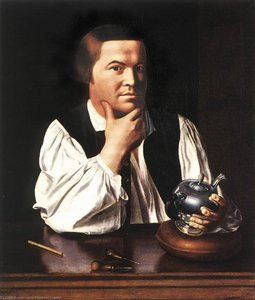
El trabajo de John Singleton Copley se caracteriza por:- Retratismo: Sus retratos de figuras influyentes en Nueva Inglaterra colonial son notables por su atención al detalle y la incorporación de artefactos que reflejan las vidas de los sujetos.
- Estilo Innovador: La tendencia de Copley a representar a sujetos de clase media con un enfoque en sus vidas cotidianas fue una desviación del retrato tradicional de su época.
- Amplio Rango Artístico: Desde autorretratos hasta escenas históricas, la obra de John muestra su versatilidad y habilidad para capturar una amplia gama de temas.
Obras Notables y su Significado
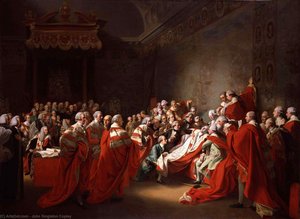
Algunas de las obras más notables de John Singleton Copley incluyen:- El colapso del Conde de Chatham en la Cámara de los Lores (Galería Tate (Londres, Reino Unido), óleo sobre lienzo), una representación conmovedora de un momento crucial en la historia británica.
- Sr. y Sra. Ralph Izard (Alice Delancey) (Museo de Bellas Artes (Boston, Estados Unidos), óleo sobre lienzo), un retrato ejemplar que muestra la atención al detalle de John y su capacidad para capturar la esencia de sus sujetos.
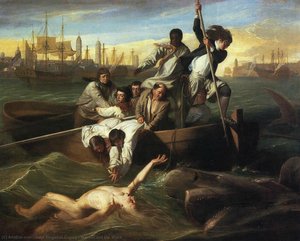
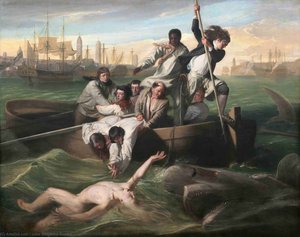
- Watson y el Tiburón (Óleo sobre lienzo), una obra dramática que representa un rescate audaz.
Legado e Influencia
El impacto de John Singleton Copley en el mundo del arte es innegable. Su enfoque innovador al retrato y sus contribuciones a la pintura angloamericana han influenciado a generaciones de artistas. Para una comprensión más profunda del trabajo de John y su significado, visite la página de John Singleton Copley en ArtsDot, que presenta una extensa colección de sus obras de arte.Lecturas Adicionales
Para obtener más información sobre la historia de la pintura y su evolución, consulte Wikipedia's historia de la pintura. Para explorar la vasta colección de ArtsDot, que incluye obras de varios períodos y estilos, navegue por Burghley House (Stamford, Estados Unidos) - Un tesoro oculto del arte americano y Descubriendo las obras de arte del St Hilda's College, Oxford, Reino Unido.
John Singleton Copley
1738 - 1815 , Reino Unido
Datos clave
- Artistas Influyentes: ['Joseph Blackburn']
- Estilo Artístico: Retrato, historicismo
- Fecha De Muerte: 9 de septiembre de 1815
- Fecha De Nacimiento: 3 de julio de 1738
- Influencia En Artistas: Generaciones de artistas
- Lugar De Nacimiento: Boston, Reino Unido
- Nacionalidad: Anglo-americano
- Nombre Completo: John Singleton Copley
- Obras Notables:
- El colapso del Conde de Chatham
- Sr. y Sra. Ralph Izard
- Watson y el tiburón
Artículos relacionados

The Golden Age Reforged: Dramatic Realism & Religious Zeal in Spanish Baroque Art
Explore the dramatic world of Spanish Baroque art! Discover masters like Zurbarán & the powerful influence of religious zeal on painting techniques – a guide for collectors and enthusiasts.
Los 25 Tesoros del Museo Británico: Arte, Historia y Decoración Excepcional
Descubre los 25 tesoros del Museo Británico: desde la Piedra Rosetta hasta obras de Rembrandt y Van Gogh. Explora su historia, técnica y significado. Reproducciones de arte exclusivas en ArtsDot.com para decorar tu hogar con elegancia.
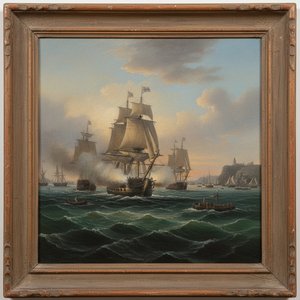
Thomas Butterworth (1768–1842): Navigating the Aesthetics of British Marine Painting
Explore the captivating maritime art of Thomas Butterworth (1768–1842). Discover his stunning depictions of Napoleonic naval battles and life at sea, commissioned works for the East India Company, and enduring legacy. Learn more today!

Rafael de Penagos: A Study in Spanish Portraiture & Artistic Identity
Explore the life & art of Rafael de Penagos, a leading Spanish Art Deco illustrator. Discover his iconic 'Penagos Woman', commercial work, and lasting legacy. Learn about this pivotal figure in 20th-century Spanish art history.
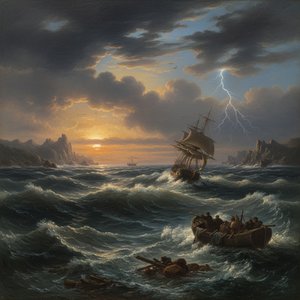
Philip James de Loutherbourg: Romantic Visions of Maritime Life & the Sublime
Explore the dramatic naval scenes & landscapes of Philip James de Loutherbourg (1740-1812), a key figure in Romantic painting. Discover his legacy, theatrical innovations & iconic works like 'The Battle of the Nile' at ArtsDot.