 Ver en contexto
 Enviar
 Compartir
 Detalles

 Descargar
 Similares
 Radiografía
 Presentación de diapositivas
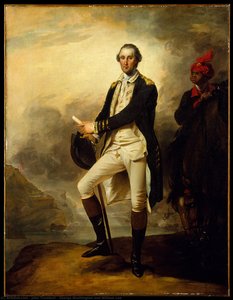
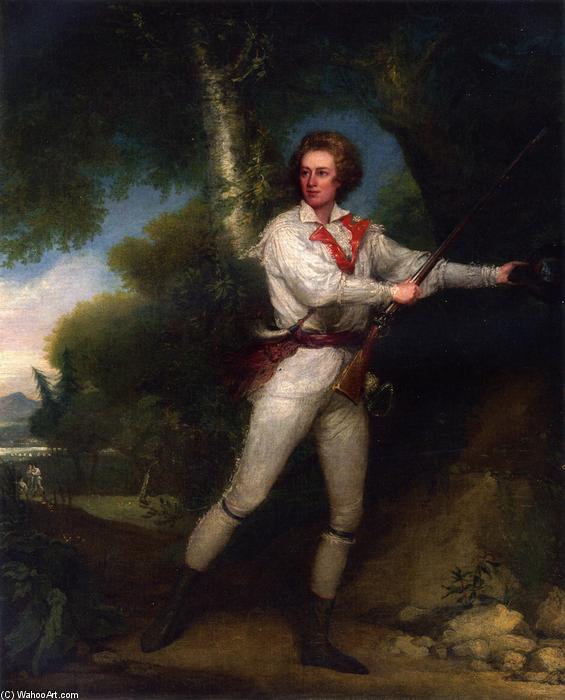
Portrait of Captain Samuel Blodget in Rifle Dress


 Ver más
Giclée / Impresión de arte
Impresiones giclée o en lienzo de calidad de museo con producción rápida y opciones de acabado flexibles. ( Comprar pintura hecha a mano Comprar imagen)




P118B $10

P118H $10

P118W $10

P438Z $10

P508JH $12

P508YH $12

P805H $10

P805Z $10

P919BZ $10

P919G $10

P919XJ $10

P959ZH $10

P968JZ $12

W106C $8

W218G $10

W218JH $8

W218Y $10

W307PJ $10

W316G $10

W316PJ $8

W316Y $10

W398PJ $8

W4111J $10

W500HY $15

W500JH $15

W692G $12

W849H $8

W940BG $15

W953PJ $8




Elija entre nuestros tamaños predefinidos que respetan las proporciones originales de la obra.

Puede introducir sus propias dimensiones para adaptarse a un marco o espacio específico. Si el tamaño seleccionado no coincide con las proporciones de la imagen original, recortaremos la obra de arte o extenderemos la imagen con un borde con efecto espejo o de color sólido. Se enviará una maqueta digital para su aprobación antes de que comience la producción.
Tenga en cuenta que la vista previa en pantalla no refleja el recorte o la extensión real. Solo la maqueta mostrará con precisión la composición final.
Aunque existen tamaños personalizados, recomendamos seleccionar una dimensión de la lista predefinida para preservar las proporciones originales.
Envío a todo el mundo () en 2 semanas en lugar de las 4/5 semanas estándar. (30 agosto)

Envío exprés gratuito a todo el mundo

Lienzo de lino de alta calidad

Seguro de envío total

Garantía de reembolso de impuestos aduaneros

Garantía de fidelidad cromática exacta

Política de devolución de 60 días (solo por defectos)

Garantía de devolución del 100% del dinero

Descuento por cantidad
 La opción de vidrio solo está disponible en tamaños inferiores a 110 cm.

Portrait of Captain Samuel Blodget in Rifle Dress
Giclée / Impresión de arte
Dimensiones de la reproducción
-


Precio total final
$ 62
A Revolutionary Portrait: John Trumbull’s “Captain Samuel Blodget in Rifle Dress”
John Trumbull's "Portrait of Captain Samuel Blodget in Rifle Dress," painted circa 1786, is more than a simple likeness; it’s a vibrant snapshot of a pivotal moment in American history and a testament to the artist’s remarkable skill. This captivating work transcends mere portraiture, offering a glimpse into the burgeoning spirit of independence during the throes of the Revolutionary War. The painting immediately draws the eye with Blodget's confident stance – he stands poised on a slight rise, his gaze directed towards an unseen horizon, radiating a quiet authority that speaks volumes about his military service and character.
Trumbull’s masterful technique is evident in every brushstroke. He employs a dynamic chiaroscuro, skillfully manipulating light and shadow to sculpt Blodget's form and imbue the scene with depth. The rich, earthy tones of the landscape – the rolling hills, the distant encampment – contrast beautifully with the crispness of Blodget’s uniform and the subtle details of his attire. Notice the meticulous rendering of the rifle held casually in his hand; it isn't merely a prop but an integral part of the composition, symbolizing both his military role and the era’s fascination with firearms.
The Man Behind the Rifle: Samuel Blodget and His Context
Samuel Blodget (1757-1814) was a fascinating figure – a merchant who transitioned into military service during the Revolution. Born in Goffstown, New Hampshire, he initially pursued commerce but answered the call to arms, rising through the ranks of the New Hampshire Militia and eventually serving as a Captain. The painting captures him at a crucial juncture: a veteran returning from active duty, embodying the resilience and determination that defined the American revolutionaries. It’s important to note that Trumbull painted this portrait during a period when Blodget had already resigned his commission, suggesting a reflection on his service and perhaps a subtle commentary on the transition from military life to civilian pursuits.
Interestingly, research suggests that Trumbull may have initially intended to depict Blodget in “The Death of General Mercer at the Battle of Princeton,” but ultimately decided against it. This decision highlights Trumbull’s artistic flexibility and his ability to adapt his vision based on evolving circumstances. The portrait's composition—the expansive landscape, the distant encampment—hints at a broader narrative beyond simply a formal likeness; it evokes the spirit of a nation forging its identity amidst conflict.
Neoclassical Influence and Symbolic Resonance
Trumbull’s work firmly places “Captain Samuel Blodget in Rifle Dress” within the Neoclassical tradition, a style characterized by its emphasis on order, clarity, and idealized forms. Drawing inspiration from ancient Greek and Roman art, Trumbull employs balanced compositions, precise lines, and a restrained palette—elements that contribute to the painting’s dignified and timeless quality. The inclusion of the landscape isn't merely decorative; it serves as a symbolic backdrop, representing the vastness of America and the challenges faced by its citizens during this transformative period.
The rifle itself carries significant symbolism. It represents not only Blodget’s military role but also the burgeoning frontier culture and the importance of self-reliance in a new nation. The pose—confident yet contemplative—suggests a man reflecting on his experiences, grappling with the complexities of leadership and the sacrifices made for liberty.
A Legacy of American Art: Reproduction and Appreciation
“Portrait of Captain Samuel Blodget in Rifle Dress” remains a cornerstone of American art history. Reproductions offer an accessible way to experience the artistry and historical significance of this remarkable painting. When selecting a reproduction, consider the quality of materials and printing techniques—a faithful rendering will capture Trumbull’s masterful use of light, shadow, and detail. This piece is not just a portrait; it's a window into a defining era in American history, inviting viewers to contemplate the ideals and struggles that shaped the nation we know today.
Obras relacionadas

Biografía del artista
John Trumbull: El Pintor de la Revolución
- Nacido: 23 de junio de 1756, Lebanon, Connecticut
- Fallecido: 1843
John Trumbull fue un celebrado artista estadounidense conocido principalmente por sus pinturas históricas que representan escenas de la Guerra de Independencia de los Estados Unidos. A menudo elogiado como "el Pintor de la Revolución", su obra proporciona una documentación visual invaluable de este período crucial en la historia americana, capturando eventos y figuras clave con meticuloso detalle.
Vida Temprana y Educación
- Trumbull ingresó al Harvard College en 1771 y se graduó en 1773.
- Un accidente de la infancia resultó en la pérdida del uso de un ojo, lo que algunos creen influyó en su detallado estilo pictórico.
- Durante la Guerra de Independencia de los Estados Unidos, sirvió como soldado, dibujando planos de fortificaciones británicas en Boston – demostrando una temprana aptitud para la observación y la documentación.
Carrera Artística e Influencias
- En 1780, enfrentando dificultades financieras, Trumbull se dedicó al arte profesionalmente.
- Viajó a Londres donde estudió bajo Benjamin West, un prominente artista americano residente en Inglaterra.
- West animó a Trumbull a centrarse en pinturas de pequeña escala de la Guerra de Independencia y retratos en miniatura, produciendo aproximadamente 250 miniaturas a lo largo de su carrera.
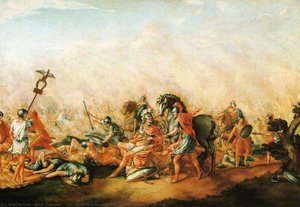
- El estilo de Trumbull estuvo influenciado por la pintura histórica clásica, evidente en obras como "La Muerte de Paulo Emilio en la Batalla de Cannas". Buscaba combinar la precisión histórica con una composición dramática.
Obras Principales y Significado Histórico
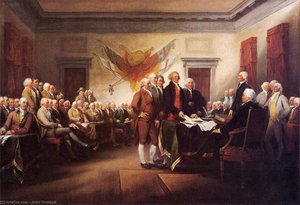
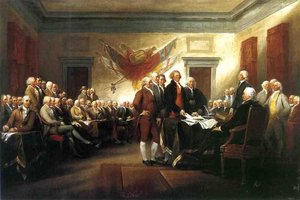
- Declaración de Independencia: Quizás su obra más famosa, esta pintura representa la firma de la Declaración de Independencia y fue utilizada en el reverso del billete de dos dólares conmemorativo.
- Estudio para la Rendición de Cornwallis en Yorktown: Un boceto preparatorio para una obra mayor, que muestra el meticuloso proceso de planificación de Trumbull.
- George Washington antes de la Batalla de Trenton: Captura un momento de liderazgo y resolución justo antes de una victoria crucial para el Ejército Continental.
- Rendición del General Burgoyne & Rendición del Lord Cornwallis: Estas pinturas monumentales, exhibidas en el Capitolio de los Estados Unidos, representan significativas rendiciones británicas durante la guerra.
Las pinturas de Trumbull son históricamente significativas porque proporcionan un registro visual de la Revolución Americana en una época en que la documentación fotográfica no existía. Sus obras ayudaron a dar forma a la comprensión pública y conmemoración de los eventos y figuras involucradas.
Legado y Colecciones
- La obra de Trumbull se alberga en numerosas instituciones prestigiosas, incluyendo:
- Yale University Art Gallery
- Smithsonian American Art Museum
- Virginia Museum of Fine Arts
- Sus pinturas están exhibidas prominentemente dentro del Capitolio de los Estados Unidos, sirviendo como un homenaje duradero a sus contribuciones al arte y la historia americana.
- El legado de Trumbull continúa inspirando y educando a audiencias, consolidando su lugar como una figura clave en la pintura histórica estadounidense.
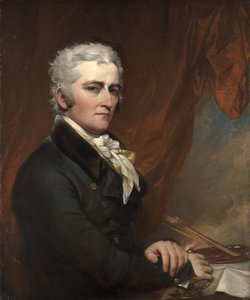
Pintor de la Revolución
1756 - 1843 , Reino Unido
Datos clave
- Artistas Que Influyeron En Este Artista: ['Benjamin West']
- Fecha De Fallecimiento: 1843
- Fecha De Nacimiento: 23 de junio de 1756
- Lugar De Nacimiento: Lebanon, Reino Unido
- Movimiento Artístico O Estilo: Pintura histórica
- Nacionalidad: Estadounidense
- Nombre Completo: John Trumbull
- Obras Notables:
- Declaración de Independencia
- Rendición de Cornwallis
- Washington en Trenton
Artículos relacionados

John Singer Sargent: Las 25 Obras Maestras del Retrato y la Belle Époque | ArtsDot
Descubre las 25 obras maestras de John Singer Sargent, el maestro del retrato y la Belle Époque. Explora su técnica impresionista, historias fascinantes y encuentra reproducciones de arte exclusivas para decorar tu hogar con elegancia en ArtsDot.com.

John Constable: Las 25 Obras Maestras del Paisaje Inglés | ArtsDot
Descubre las 25 obras maestras de John Constable, el pintor romántico inglés que capturó la belleza del paisaje. Explora su técnica, historia y significado en ArtsDot.com. Reproducciones de arte de alta calidad para tu hogar.

Crimson Threads of Narrative: Exploring Symbolism & Representation in Artworks Featuring the Red Dress
Explore the rich symbolism of the red dress in art history! From ancient power displays to iconic portraits like Cézanne’s 'Madame Cezanne', discover the cultural and artistic significance behind this captivating color. Expert analysis & insights.
Gwen John: Intimacy, Modernity & the Quiet Power of Welsh Portraiture
Explore the captivating world of Gwen John, a pioneering Welsh artist renowned for her intimate portraits & subtle style. Discover her life, legacy, and how to bring her timeless beauty into your home with ArtsDot.
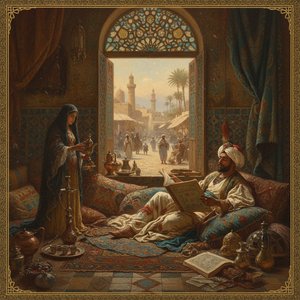
John Frederick Lewis: Orientalism, Detail & Genre Painting in 19th-Century British Art
Explore the captivating Orientalist paintings of John Frederick Lewis! Discover his mastery of detail, genre scenes & influence on 19th-century British art. Learn about his life, techniques & legacy at ArtsDot.