

 Ver en contexto
 Enviar
 Compartir
 Detalles

 Descargar
 Similares
 Radiografía
 Presentación de diapositivas
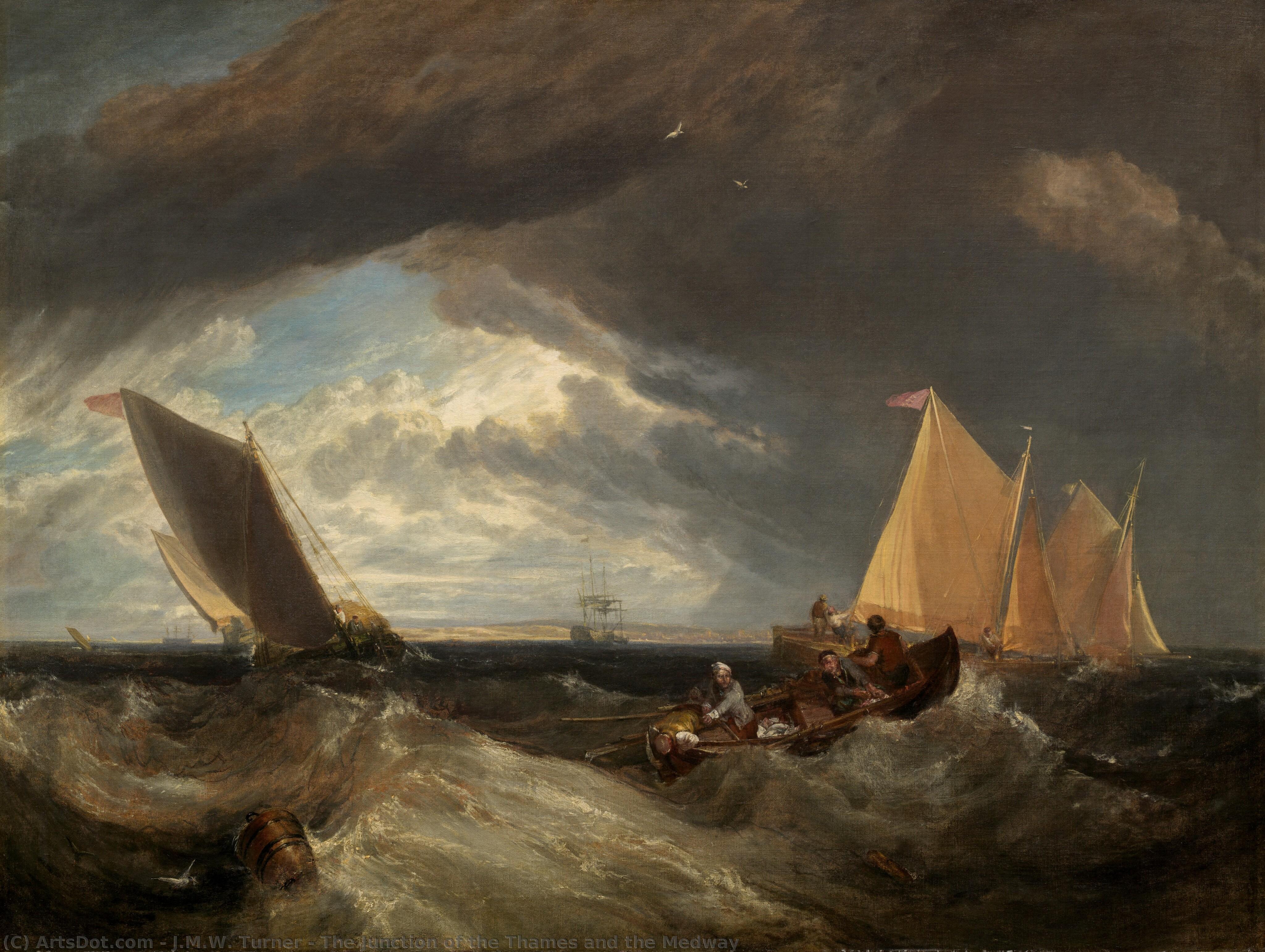
The Junction of the Thames and the Medway
 Oil On Canvas
- WallArt
- Romanticism
 1807
1807- 19th Century
 109.0 x 144.0 cm
 Ver más
Adquiera una imagen digital de alta resolución y optimizada, muy superior a la vista previa en línea.
Cada archivo es preparado meticulosamente por nuestros especialistas internos mediante el uso de herramientas avanzadas y un experto retoque manual. Nos aseguramos de que cada imagen posea una claridad excepcional, una precisión cromática impecable y un detalle minucioso.
El archivo final se entrega por correo electrónico en un plazo de 72 horas, optimizado para su uso inmediato en entornos profesionales, editoriales y de impresión. Esta es la misma calidad en la que confían los estudios de diseño, las editoriales y las galerías de primer nivel.
Imagen Digital
Descarga un archivo de alta resolución para exhibición personal, impresión y proyectos creativos. ( Comprar impresión Comprar pintura hecha a mano)
Incluido en cada pedido de imágenes digitales
Entrega digital experta, garantizada.
Al elegir ArtsDot.com, no solo está adquiriendo una imagen; está recibiendo una obra de arte digital mejorada profesionalmente, elaborada con precisión y respaldada por una garantía de satisfacción. Esto es todo lo que incluye su pedido, automáticamente:

Entrega rápida por email
Recibirá su archivo de imagen digital en alta resolución por correo electrónico en un plazo de 72 horas tras realizar su pedido, listo para su uso inmediato.

Archivo digital optimizado por IA
Su obra de arte se optimiza profesionalmente mediante herramientas avanzadas de IA y edición manual, garantizando el máximo detalle, claridad y precisión cromática.

Reenvío gratuito de por vida
¿Has borrado o perdido tu archivo por error? No te preocupes: te lo volveremos a enviar en cualquier momento, sin coste adicional.

Sin gastos de importación, siempre
Disfrute de su obra de arte al instante sin aduanas, aranceles ni gastos de envío; las descargas digitales siempre están libres de impuestos.

Garantía de fidelidad de color
Garantizamos que su imagen digital refleje los colores originales con la mayor fidelidad posible, mediante el uso de herramientas profesionales y gestión del color.

Garantía de satisfacción de 60 días
Si no está satisfecho con su imagen digital, la revisaremos o le reembolsaremos el 100% en un plazo de 60 días, sin preguntas.

100% Garantía de devolución de dinero
¿No está satisfecho? Obtenga un reembolso completo dentro de los 60 días posteriores a la recepción de su archivo digital, sin necesidad de explicaciones.

Descuentos por pedidos grandes
Compra 3 imágenes, ahorra 10% - Compra 5, ahorra 15% - Compra 10+, ahorra 20%. Ideal para proyectos creativos, galerías y agencias.
A Tempestuous Encounter: The Raw Power of Turner’s Vision
In the heart of the Romantic era, few works capture the visceral struggle between humanity and the elements as profoundly as Joseph Mallord William Turner’s 1807 masterpiece, The Junction of the Thames and the Medway. This monumental seascape is not merely a depiction of a river confluence; it is a dramatic confrontation where maritime forces meet the encroaching fury of an approaching storm. As the viewer gazes upon the canvas, they are immediately swept into a world of turbulent waters and skies ablaze with ominous, heavy clouds. The composition utilizes a powerful horizontal expanse to mirror the relentless rhythm of the sea, yet this stability is constantly challenged by the sharp, diagonal thrust of wind-swept sails. These lines propel the eye across the scene, creating a sense of kinetic energy and movement that makes the painting feel as though it is breathing with the very wind it depicts.
The emotional weight of the piece lies in its ability to evoke the sublime—that uniquely Romantic sensation of being overwhelmed by the grandeur and terror of nature. Through the depiction of small, vulnerable vessels battling against crashing waves and debris, Turner explores themes of resilience and the fragility of human endeavor. The dark, brooding clouds cast long, dramatic shadows across the water, creating a chiarosc way of lighting that highlights the white crests of breaking waves. For the collector or interior designer, this artwork offers a profound focal point; it is a piece that commands attention through its atmospheric depth and its ability to transform a room into a space of contemplation and awe.
Mastery of Light, Texture, and Technique
Turner’s technical prowess in this work serves as a precursor to the Impressionist movement, prioritizing sensation and atmosphere over rigid academic precision. To achieve such a palpable sense of chaos, the artist employed masterful impasto, applying thick layers of oil paint directly to the canvas. This technique creates a physical texture that allows the light to catch on the ridges of the pigment, simulating the frothing spray of the sea and the heavy, moisture-laden air of a storm. His method involved a sophisticated layering of washes, building tonal depth that allows the viewer to peer through layers of mist and shadow into the heart of the tempest.
The color palette is a sophisticated study in drama, dominated by deep blues, somber grays, and earthy ochre tones. These darker hues are brilliantly punctuated by sudden highlights of white and pale yellow, which represent the fleeting moments where light breaks through the storm to strike the surface of the water or the canvas of a sail. This interplay of light and shadow is not merely decorative; it is the very engine of the painting's dynamism. For those seeking a high-quality reproduction, capturing these subtle tonal modulations and the energetic, visible brushstrokes is essential to preserving the authentic spirit of Turner’s hand.
Historical Resonance and Timeless Appeal
Beyond its aesthetic brilliance, The Junction of the Thames and the Medway carries a significant historical weight. Painted during the era of the Napoleonic Wars, the work reflects the heightened national anxieties regarding maritime defense and the protection of Britain's vital waterways. While it celebrates maritime prowess, it does so through a lens of uncertainty, acknowledging the overwhelming force of nature that no fleet can truly tame. This duality—the strength of the nation versus the unpredictability of the natural world—gives the painting a narrative depth that continues to resonate with modern audiences.
For the discerning art lover, owning a reproduction of this work is an opportunity to invite a piece of British art history into one's personal environment. Whether placed in a grand gallery setting or as a sophisticated accent in a contemporary living space, Turner’s vision provides a window into a time when art sought to capture the very soul of the earth. It remains an enduring symbol of the beauty found within chaos and the eternal dance between light and shadow.
Obras relacionadas
Biografía del artista
Primeros años y formación
Joseph Mallord William Turner, una figura destacada en el arte británico, nació el 23 de abril de 1775 en Maiden Lane, Covent Garden, Londres. Su padre, William Turner, era barbero y fabricante de pelucas, mientras que su madre, Mary Marshall, provenía de una familia de carniceros. A los 14 años, Turner ingresó a la Royal Academy of Art en 1789, marcando el inicio de su ilustre carrera.Estilo artístico e influencias
La obra de Turner se caracteriza por sus colorizaciones expresivas, paisajes imaginativos y mares tempestuosos. Fue un artista profundamente experimental y progresista, influyendo en pintores tan diversos como Claude Monet y Mark Rothko. Su influencia puede verse en las obras de muchos artistas que le siguieron. Sus innovaciones en el uso de la luz y la atmósfera lo convirtieron en una figura clave del Romanticismo.Obras destacadas y colecciones
- La mañana después del diluvio (1843): Una notable pintura al óleo sobre lienzo, ubicada en la Tate Collection, Londres, que muestra la forma estilística de Turner para representar las fuerzas de la naturaleza.
- Canal de Chichester (1828): Comisionada por George Wyndham, 3er conde de Egremont, esta pintura representa el Canal de Chichester y actualmente se encuentra en la Tate Collection.
- Ruinas de Tintern Abbey: Una obra acuática, ahora en el Museo Calouste Gulbenkian (Lisboa, Portugal), que muestra la maestría de Turner para capturar la luz y la atmósfera.
Evolución artística y logros
Turner experimentó constantemente con nuevas técnicas y materiales a lo largo de su carrera. Inicialmente influenciado por los paisajes clásicos, evolucionó hacia un estilo más libre y expresivo, donde la luz y el color se convirtieron en los elementos dominantes. Sus obras tardías, como "La batalla del Temeraire", son ejemplos paradigmáticos de su capacidad para combinar observación realista con una visión poética e imaginativa. Su habilidad para representar fenómenos atmosféricos, como tormentas y nieblas, es legendaria.Legado e importancia histórica
Turner dejó atrás más de 2000 pinturas y 19000 dibujos y bocetos. Es ampliamente considerado uno de los mayores maestros de la pintura paisajística y marina británica en acuarela, a menudo referido como "el pintor de la luz". Su influencia en artistas posteriores es innegable, convirtiéndolo en una figura fundamental en la historia del arte.- Se puede ver más obras de Turner en https://ArtsDot.com/@/williamturner
- Explorar la colección Tate, Londres, que alberga muchas de las notables piezas de Turner: /es/art/show/art-d3c5y9-es/
- Descubrir el mundo del arte en https://ArtsDot.com/@@/all-popular-artists, con los mejores artistas de todos los tiempos.
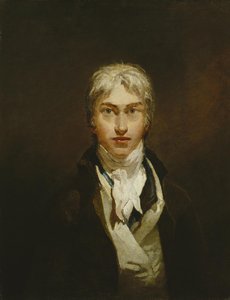
Joseph Mallord William Turner
1775 - 1851 , Reino Unido
Breves datos
- Artistas Que Influyeron:
- Claude Monet
- Mark Rothko
- Estilo Artístico: Romanticismo, Paisajismo
- Fecha De Nacimiento: 23 de abril de 1775
- Lugar De Nacimiento: Covent Garden, Reino Unido
- Nacionalidad: Británico
- Nombre Completo: Joseph Mallord William Turner
- Obras Notables:
- La mañana después del diluvio
- El Temeraire
- Ruinas de Tintern Abbey

