

 Ver en contexto
 Enviar
 Compartir
 Detalles

 Descargar
 Similares
 Radiografía
 Presentación de diapositivas
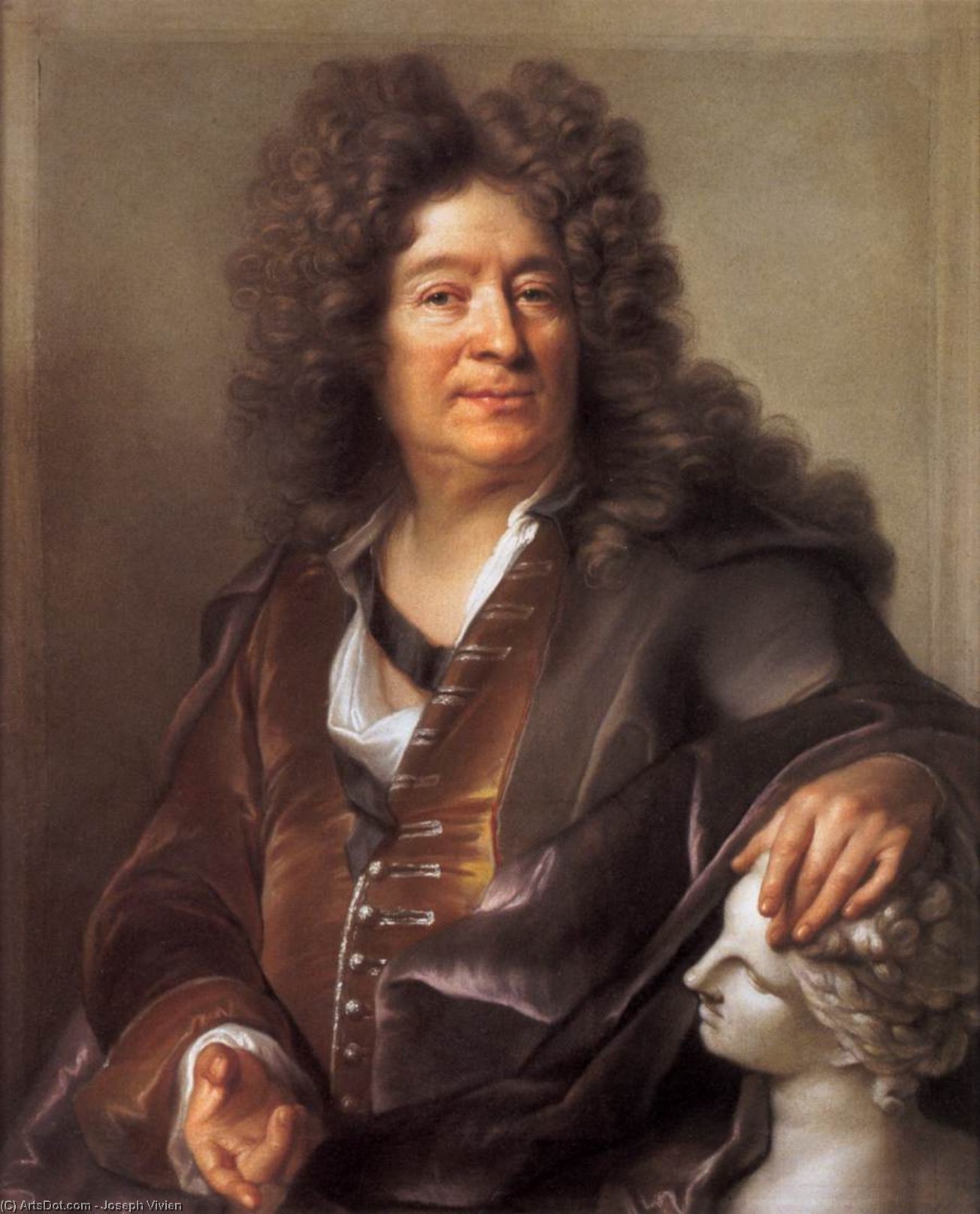
The Sculptor François Girardon
 Acrylic On Canvas
- WallArt
- Baroque
 1701
1701 70.0 x 80.0 cm
 Museo del Louvre
 Ver más
Adquiera una imagen digital de alta resolución y optimizada, muy superior a la vista previa en línea.
Cada archivo es preparado meticulosamente por nuestros especialistas internos mediante el uso de herramientas avanzadas y un experto retoque manual. Nos aseguramos de que cada imagen posea una claridad excepcional, una precisión cromática impecable y un detalle minucioso.
El archivo final se entrega por correo electrónico en un plazo de 72 horas, optimizado para su uso inmediato en entornos profesionales, editoriales y de impresión. Esta es la misma calidad en la que confían los estudios de diseño, las editoriales y las galerías de primer nivel.
Imagen Digital
Descarga un archivo de alta resolución para exhibición personal, impresión y proyectos creativos. ( Comprar impresión Comprar pintura hecha a mano)
Incluido en cada pedido de imágenes digitales
Entrega digital experta, garantizada.
Al elegir ArtsDot.com, no solo está adquiriendo una imagen; está recibiendo una obra de arte digital mejorada profesionalmente, elaborada con precisión y respaldada por una garantía de satisfacción. Esto es todo lo que incluye su pedido, automáticamente:

Entrega rápida por email
Recibirá su archivo de imagen digital en alta resolución por correo electrónico en un plazo de 72 horas tras realizar su pedido, listo para su uso inmediato.

Archivo digital optimizado por IA
Su obra de arte se optimiza profesionalmente mediante herramientas avanzadas de IA y edición manual, garantizando el máximo detalle, claridad y precisión cromática.

Reenvío gratuito de por vida
¿Has borrado o perdido tu archivo por error? No te preocupes: te lo volveremos a enviar en cualquier momento, sin coste adicional.

Sin gastos de importación, siempre
Disfrute de su obra de arte al instante sin aduanas, aranceles ni gastos de envío; las descargas digitales siempre están libres de impuestos.

Garantía de fidelidad de color
Garantizamos que su imagen digital refleje los colores originales con la mayor fidelidad posible, mediante el uso de herramientas profesionales y gestión del color.

Garantía de satisfacción de 60 días
Si no está satisfecho con su imagen digital, la revisaremos o le reembolsaremos el 100% en un plazo de 60 días, sin preguntas.

100% Garantía de devolución de dinero
¿No está satisfecho? Obtenga un reembolso completo dentro de los 60 días posteriores a la recepción de su archivo digital, sin necesidad de explicaciones.

Descuentos por pedidos grandes
Compra 3 imágenes, ahorra 10% - Compra 5, ahorra 15% - Compra 10+, ahorra 20%. Ideal para proyectos creativos, galerías y agencias.
Descripción del coleccionable
The Sculptor François Girardon: A Master of Light and Emotion
François Girardon’s “The Sculptor François Girardon” is not merely a portrait; it's a carefully constructed tableau vivant, a moment captured in pastel that breathes with an almost palpable sense of intellect and quiet dignity. Painted by Joseph Vivien in 1701, this work transcends the conventions of its time, offering a glimpse into the mind of a pivotal figure in French sculpture – a man who bridged the gap between classical restraint and Baroque exuberance. The image depicts a man with a thoughtful gaze, framed by meticulously rendered curls and a richly textured brown coat. A purple scarf adds a subtle splash of color against the muted tones of his attire, drawing attention to his face—a face that speaks volumes through its directness and inherent composure.
Vivien’s masterful use of pastel is immediately striking. Unlike the heavier oils favored by many contemporaries, pastel allows for an unprecedented luminosity and immediacy. The artist expertly blended pigment with gum arabic and chalk, creating delicate washes of color that capture the subtle nuances of light and shadow. Notice how the highlights dance across his face, illuminating the planes of his cheeks and forehead, while the darker areas create a sense of depth and volume. This technique isn’t simply about representation; it's about conveying texture and emotion—the very essence of human presence. The artist has skillfully rendered the fabric of his coat, hinting at its luxuriousness without resorting to excessive detail, further emphasizing the subject’s refined appearance.
A Portrait Within a Portrait: Context and Influence
To fully appreciate “The Sculptor François Girardon,” it's crucial to understand the artistic climate in which it was created. The early 18th century witnessed a fascinating interplay between classical ideals and Baroque dynamism, particularly within the French court. Girardon himself embodied this synthesis. Trained initially as a woodcarver, he quickly demonstrated an exceptional talent for sculpture, eventually finding his place within Charles Le Brun’s influential atelier – a crucible where artistic sensibilities were honed and refined. Vivien's portrait isn't just a likeness; it’s a reflection of Girardon’s position at the heart of this artistic movement.
The influence of figures like Bernini, whom Vivien encountered during his time in Rome, is subtly present. While rejecting Bernini’s overtly dramatic style, Vivien absorbed the sculptor's emphasis on capturing dynamic movement and emotional intensity. However, he tempered this with a classical restraint, prioritizing clarity of form and anatomical accuracy—qualities evident in Girardon’s own sculptures, such as those adorning the Palace of Versailles. The portrait itself can be seen as an exploration of these tensions – a careful balance between expressive gesture and formal elegance.
Symbolism and the Essence of Craftsmanship
The setting within the portrait—the presence of a statue or bust on Girardon’s right—is laden with symbolic meaning. It immediately establishes his profession, but it also suggests a deeper connection to the world of art itself. The sculpture isn't merely an object; it represents the culmination of Girardon’s craft – a tangible manifestation of his creative vision. The composition invites us to contemplate the relationship between creator and creation, highlighting the transformative power of artistic skill.
Furthermore, the man’s direct gaze—a deliberate challenge to the viewer—suggests an intellectual curiosity and a profound understanding of his own craft. He isn't simply posing for a portrait; he is engaging in a dialogue, inviting us to consider the complexities of artistry and the pursuit of beauty. The subtle smile hints at a quiet satisfaction with his work, a testament to his dedication and skill.
A Timeless Masterpiece: Reproduction and Beyond
Reproduced here in meticulous detail, “The Sculptor François Girardon” retains its original luminosity and emotional depth. ArtsDot’s hand-painted reproductions capture the essence of Vivien's technique, offering a stunning alternative to digital prints. This artwork is more than just decoration; it’s an investment in art history—a tangible connection to a pivotal moment in French artistic heritage. Its timeless appeal makes it a perfect addition to any discerning collection or a striking focal point for interior design.
Obras relacionadas
Biografía del artista
Joseph Vivien: A Pastel Pioneer Shaping Bavarian Portraiture
Joseph Vivien (1657 – 5 December 1734) stands as a pivotal figure in the history of French pastel painting, recognized for his groundbreaking approach to capturing likeness and emotion. Born in Lyon, France, he embarked on an artistic journey that spanned across Europe, leaving indelible marks on both artistic innovation and royal patronage. His formative years were spent honing his skills within the influential atelier of Charles le Brun, arguably the most prominent academy painter of his era—a crucible for shaping stylistic sensibilities and mastering technical prowess. Vivien’s breakthrough arrived in Paris during the early 18th century when he swiftly gained acclaim for his pastel portraits. Unlike the prevailing oil technique, Vivien embraced the pastel medium with unparalleled fervor, exploiting its ability to achieve remarkable luminosity and immediacy. He skillfully blended pigment with gum arabic and chalk, creating delicate yet vibrant surfaces that conveyed a palpable sense of presence—a revolutionary departure from the more static representations favored by contemporaries. This distinctive style captivated audiences and established him as one of the foremost pastel artists of his time. His meticulous attention to detail and masterful blending techniques elevated pastel painting to new heights of expressive realism. His artistic ascent continued when he secured membership in the Académie royale de peinture et de sculpture in 1701, officially designated “peintre en pastel.” This prestigious affiliation afforded him access to royal commissions and fostered collaborations with influential figures within the court, notably elevating him to Counselor of the Academy and securing lodging under royal auspices at the Manufactory of Gobelins—a testament to his artistic merit and governmental recognition. Recognizing Vivien’s exceptional talent, Maximilian Emmanuel, elector of Bavaria, invited him to Munich where he served as First Painter to the Elector's brother, bolstering his reputation further. During this period, Vivien undertook ambitious projects that showcased both his pastel and oil painting skills, solidifying his position as a leading artist in Bavaria’s cultural landscape. Vivien’s final masterpiece – a monumental canvas depicting the entire Habsburg family – exemplifies his ambition and artistic vision. Undertaken during his tenure in Bonn, this ambitious project showcased Vivien’s mastery of oil painting alongside his established pastel technique. The resulting portrait powerfully conveyed familial unity and regal grandeur, cementing his legacy as one of Bavaria's most celebrated artists. It stands as a testament to his dedication to capturing the essence of royal lineage with unparalleled artistry. Vivien’s influence extended beyond his own output; he mentored younger painters and disseminated his innovative methods, shaping the artistic landscape of his time. His pioneering use of pastel remains a cornerstone of Baroque portraiture, demonstrating an enduring fascination with capturing fleeting expressions and luminous textures—a legacy that continues to inspire artists today. He is remembered not merely as a painter but as a visionary who fundamentally altered the conventions of visual representation.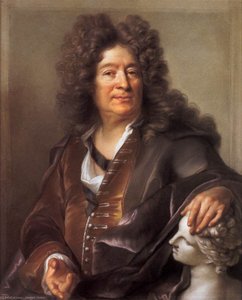
Joseph Vivien
1657 - 1734 , Francia
Breves datos
- Artistic Movement Or Style: Pastoralismo
- Artists Who Influenced This Artist: ['Charles Le Brun']
- Date Of Birth: Lyon, Francia
- Date Of Death: 1734
- Full Name: Joseph Vivien
- Nationality: Francés
- Notable Artworks:
- Retrato del correo Joseph Roulin
- Jacob Benissant Le Fils De Joseph Detail
- Place Of Birth: Lyon

